Using a range of interdisciplinary ideas, Major Reward and Recognition Events: Transformations and Critical Perspectives is an expert-led, informative volume exploring the global growth of major award shows and prize-giving ceremonies since the start of the twentieth century and outlining their key multimodal components, core functions and transformations over time.
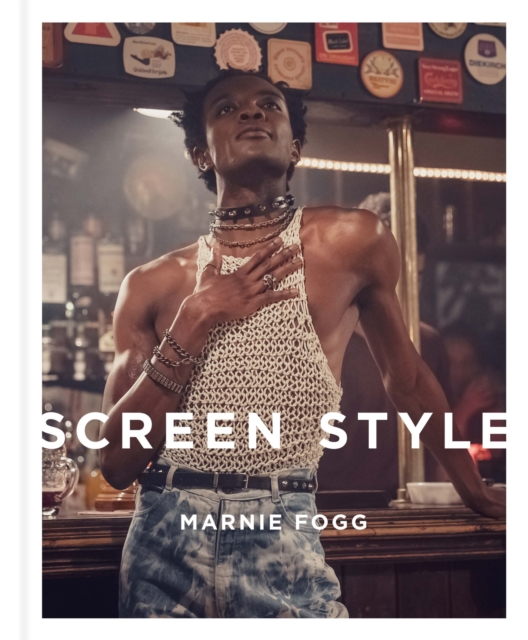
Screen Style celebrates the beautiful, stylish and often covetable outfits and costumes featured in 50 iconic and diverse series of the small screen: from Mad Men to Call My Agent, Bridgerton to Empire.
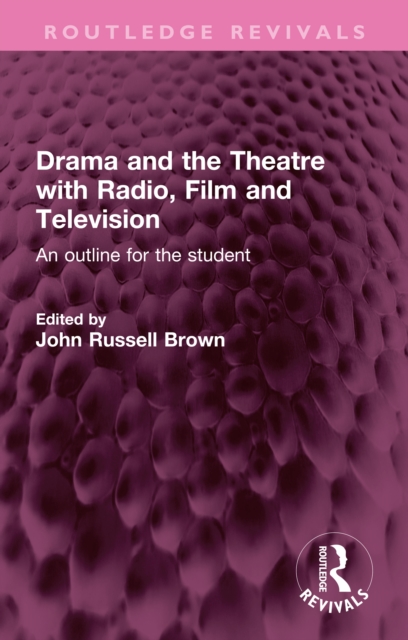
First published in 1971, Drama and the Theatre with Radio, Film and Television is concerned with the nature of theatre as a subject for study and the ways of studying it.
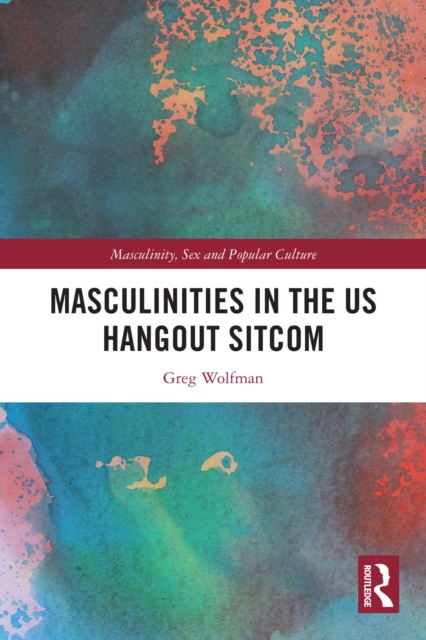
Masculinities in the US Hangout Sitcom examines how four sitcoms - Friends, How I Met Your Mother, The Big Bang Theory, and New Girl - mediate the tense relationship between neoliberalism and masculinities.
Bringing together professional standards, practices, and jargon from across the industry, Scripting Media provides a complete overview of writing for divergent forms of media.
On 2 January 2013, just a day before Jim Davidson was due to enter the Celebrity Big Brother house, he found himself behind far more serious locked doors when he was arrested by the Yewtree detectives over alleged sex offences.
Robots in Popular Culture: Androids and Cyborgs in the American Imagination seeks to provide one go-to reference for the study of the most popular and iconic robots in American popular culture.
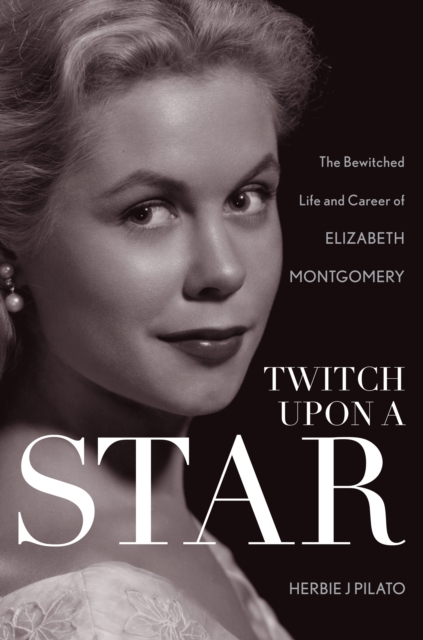
Based on author Herbie J Pilatos exclusive interviews with Elizabeth Montgomery prior to her death in 1995, Twitch Upon a Star includes insider material and commentary from several individuals associated with her remarkable life and career before, during, and after Bewitched, including her classic feature films The Court Martial of Billy Mitchell (1955), Who's Been Sleeping In My Bed?
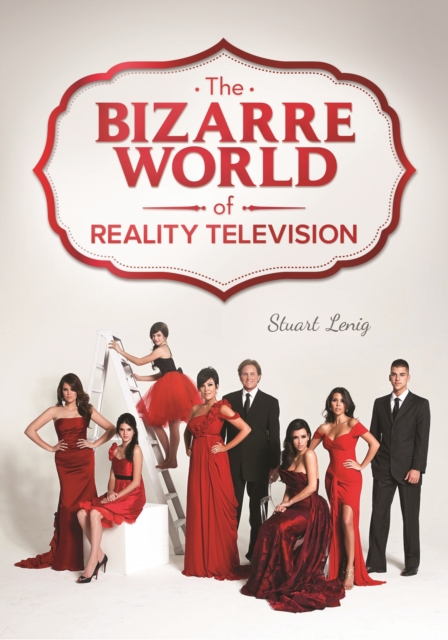
Drawing on cultural theory and interviews with fans, cast members and producers, this book places the reality TV trend within a broader social context, tracing its relationship to the development of a digitally enhanced, surveillance-based interactive economy and to a savvy mistrust of mediated reality in general.
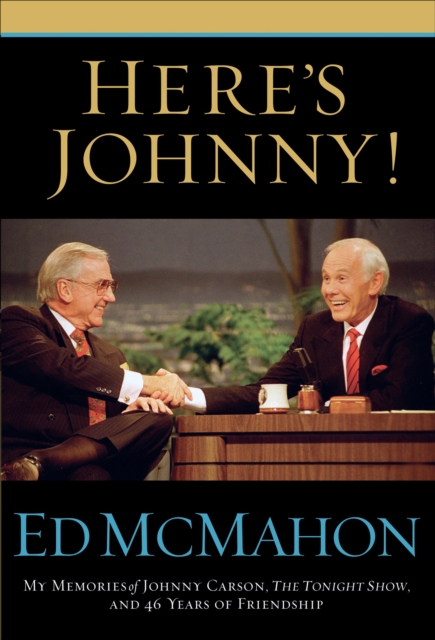
Here's Johnny is like sitting with Ed and Johnny over lunch:The last time I saw Johnny, about a year before he died, we had chicken, a couple of glasses of red wine, and then we just sat there and reminisced, going back and forth the way we did on the show.
Neil Simon is the most successful American playwright on Broadway, and the winner of many awards including the Pulitzer Prize for Drama, the Mark Twain Prize for Humor, and a Kennedy Center Honor for Lifetime Achievement.
Producer-writer Roy Huggins is best known for creating the TV series, Maverick, 77 Sunset Strip, The Fugitive, Run For Your Life and The Rockford Files (with Stephen J.
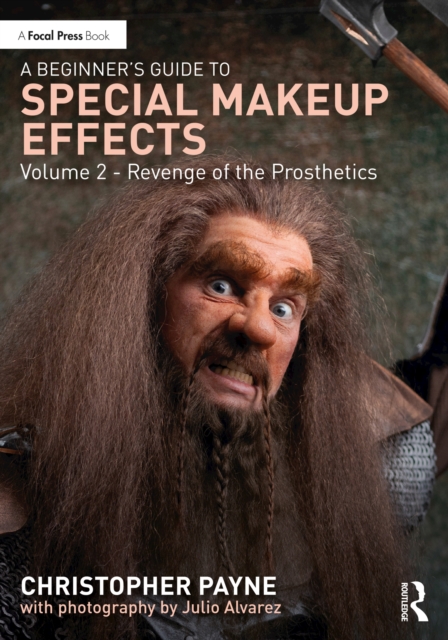
A Beginner's Guide to Special Makeup Effects, Volume 2 builds on the foundations covered in A Beginner's Guide to Special Makeup Effects: Monsters, Maniacs and More, introducing more professional-level materials and techniques and preparing readers for the next steps in their career.
This collection of eighteen chapters by talented philosophical minds probes some of the many lessons to be learned from Orange Is the New Black (mostly the addictive Netflix comedy-drama but with some attention to the best-selling real-life book by Piper Kerman).
Equal Time: Television and the Civil Rights Movement explores the crucial role of network television in reconfiguring new attitudes in race relations during the civil rights movement.
In his heyday as a top television news broadcaster, Ed Mitchell interviewed high-profile politicians such as Margaret Thatcher, John Major and Tony Blair.
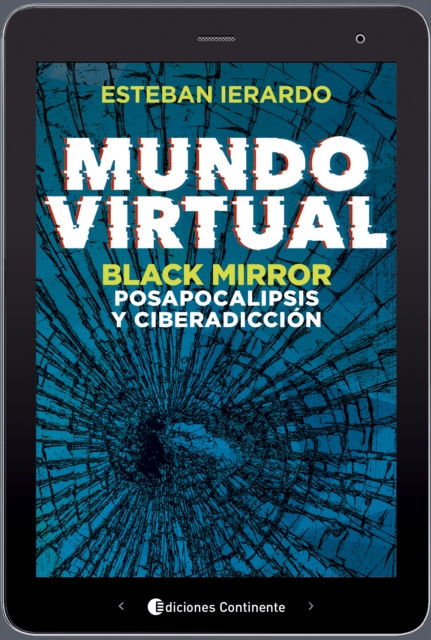
Vivimos en un mundo virtual en el que cada vez le damos más realidad a lo que existe en el ciberespacio, cada vez volcamos más atención y energía mental, e incluso afectiva, a lo que transcurre on line.
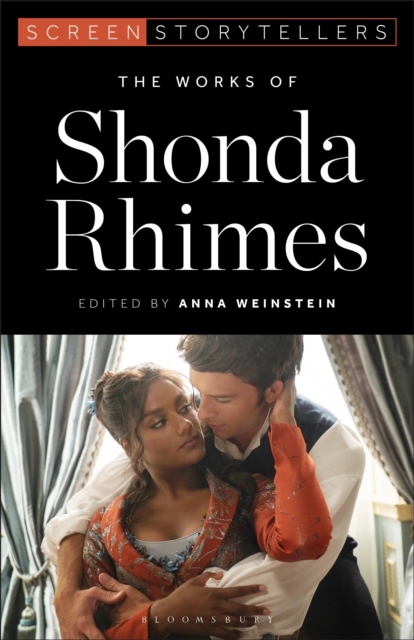
The Works of Shonda Rhimes, the first book in Bloomsbury's Screen Storytellers series, brings together a collection of essays that look critically at the works of this award-winning writer, producer, and CEO of the global media company, Shondaland.