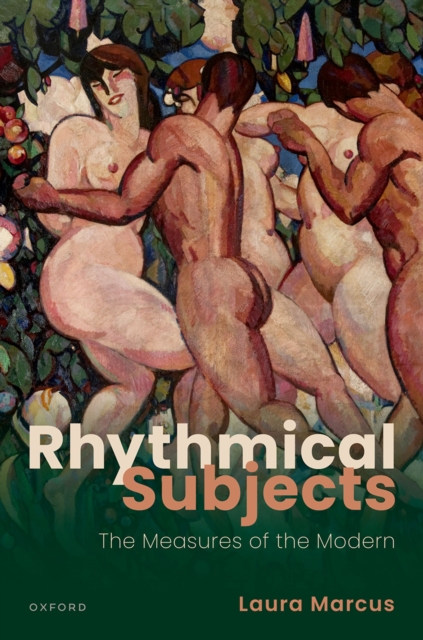
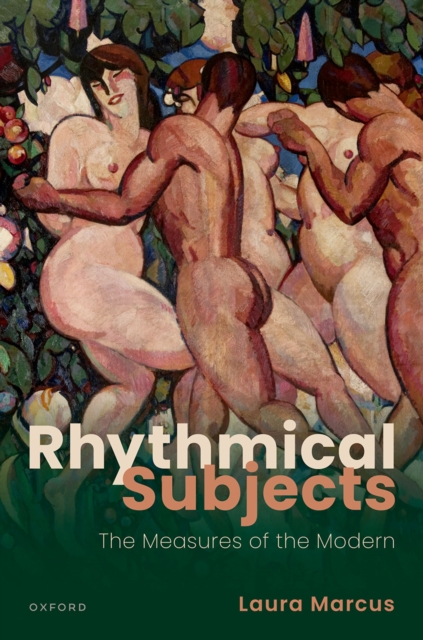
Tracing a developing fascination with rhythm's significance, its patterns, and its measures, across philosophy, psychology, science, and the whole range of arts, Rhythmical Subjects shows how and why attention to rhythm came to serve as connective tissue between fields of inquiry at a time when modern disciplines were still in the process of formation or consolidation.
Tracing a developing fascination with rhythm's significance, its patterns, and its measures, across philosophy, psychology, science, and the whole range of arts, Rhythmical Subjects shows how and why attention to rhythm came to serve as connective tissue between fields of inquiry at a time when modern disciplines were still in the process of formation or consolidation.
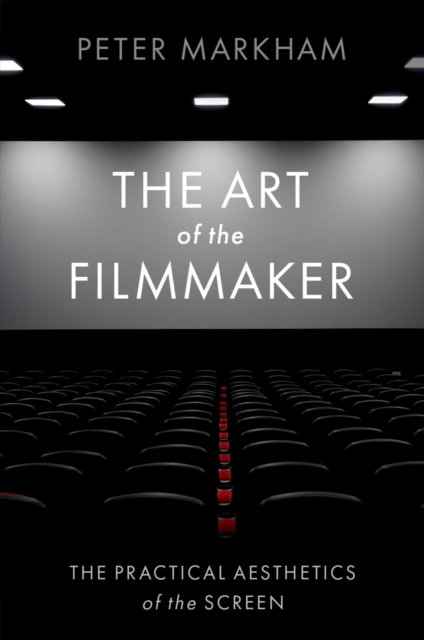
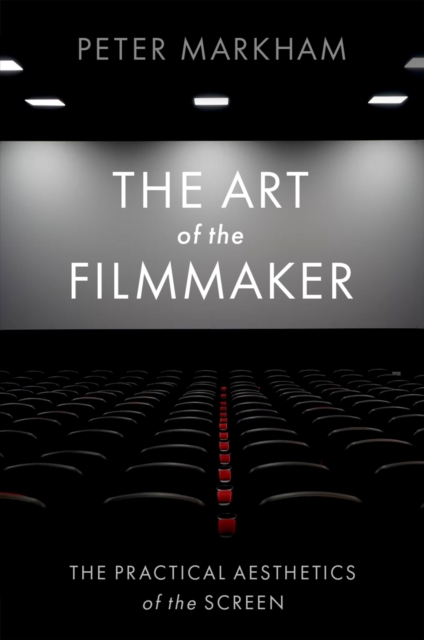
The Art of the Filmmaker: The Practical Aesthetics of the Screen explores the filmmaker's intention and method, their creation and capture of the fiction on the screen, and their formulation of the elements of the frame as a designed address to the audience.
The Art of the Filmmaker: The Practical Aesthetics of the Screen explores the filmmaker's intention and method, their creation and capture of the fiction on the screen, and their formulation of the elements of the frame as a designed address to the audience.
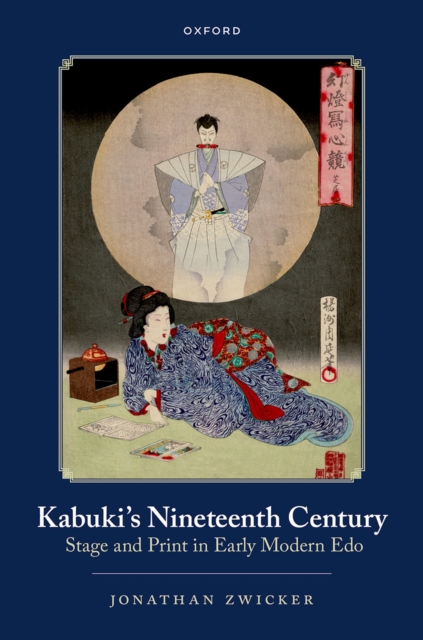
Kabuki's Nineteenth Century examines the theater culture of nineteenth-century Japan from the perspective of the history and materiality of the book, the nature of reception, and the making and making use of images.
Kabuki's Nineteenth Century examines the theater culture of nineteenth-century Japan from the perspective of the history and materiality of the book, the nature of reception, and the making and making use of images.
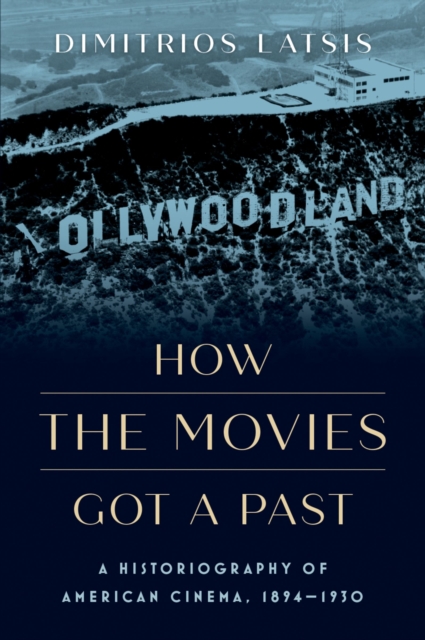
How the Movies Got a Past presents a comprehensive survey of the rise of historiographical discourse on cinema in North America as it is reflected in publications, exhibitions, lectures, and films about the cinema as a technology, form of art, and source of entertainment, from its inception up to 1930.
How the Movies Got a Past presents a comprehensive survey of the rise of historiographical discourse on cinema in North America as it is reflected in publications, exhibitions, lectures, and films about the cinema as a technology, form of art, and source of entertainment, from its inception up to 1930.
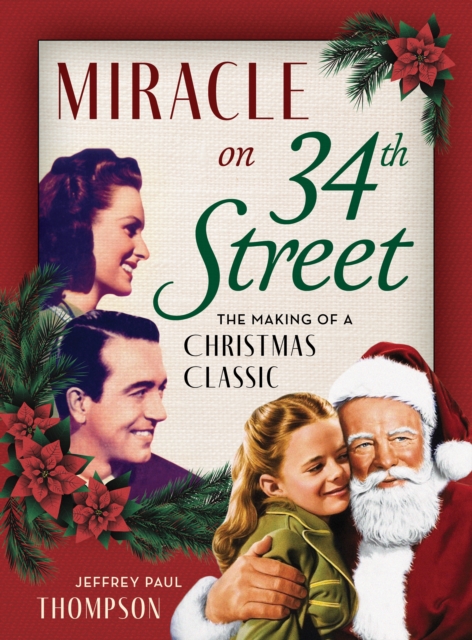
Despite having been made into three TV movies, a radio drama, a stage play, a Broadway musical, a feature-film remake in color, and a book adaptation, the 1947 black-and-white film of Miracle on 34th Street still remains the favorite version of this modern Christmas classic.
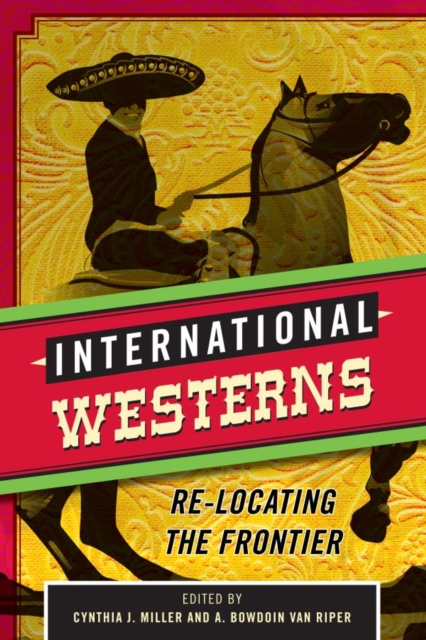
The Western tradition, with its well-worn tropes, readily identifiable characters, iconic landscapes, and evocative soundtracks, is not limited to the United States.
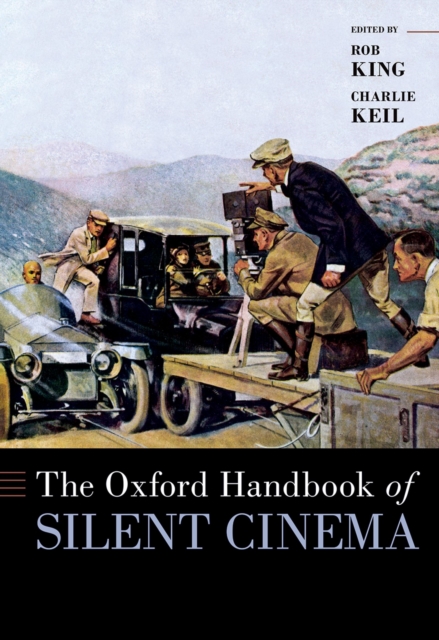
With thirty-four original chapters from three dozen top scholars, The Oxford Handbook of Silent Cinema provides a thoughtful and provocative re-examination of a medium that would become the dominant form of mass entertainment by the second decade of the twentieth century.
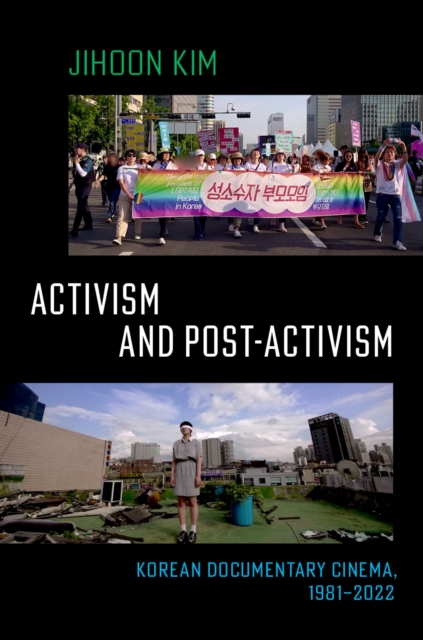
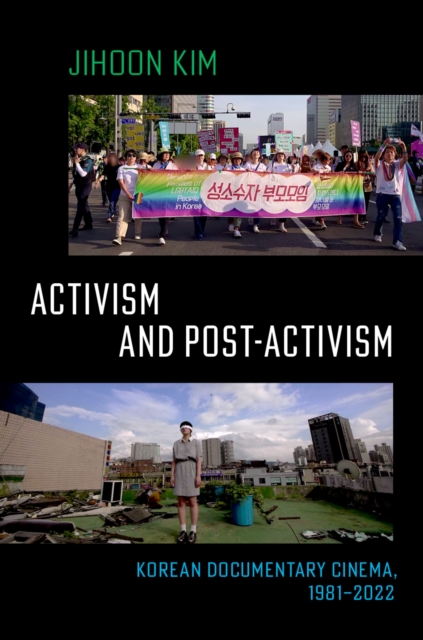
Activism and Post-activism: Korean Documentary Cinema, 1981--2022 is a new book about nonfiction filmmaking in the private and independent sectors of South Korean cinema and media from the early 1980s to the present day.
Activism and Post-activism: Korean Documentary Cinema, 1981--2022 is a new book about nonfiction filmmaking in the private and independent sectors of South Korean cinema and media from the early 1980s to the present day.
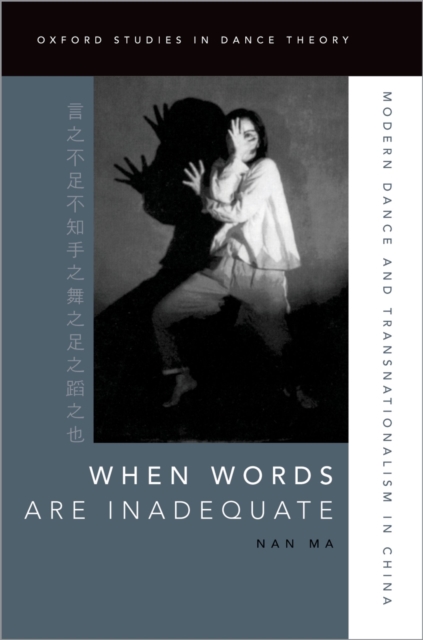
Diaspora studies continue to expand in range and scope and remain fertile terrain for investigating multiple techniques of myth creation in dance performance, history as performance, dramatic narrative, and staged rituals in the field.
Underpinned by author John Rink's internationally acclaimed scholarship and experience as a musician, this book addresses fascinating topics in the field of musical performance studies concerning the history, analysis and psychology of music, as well as artistic research.
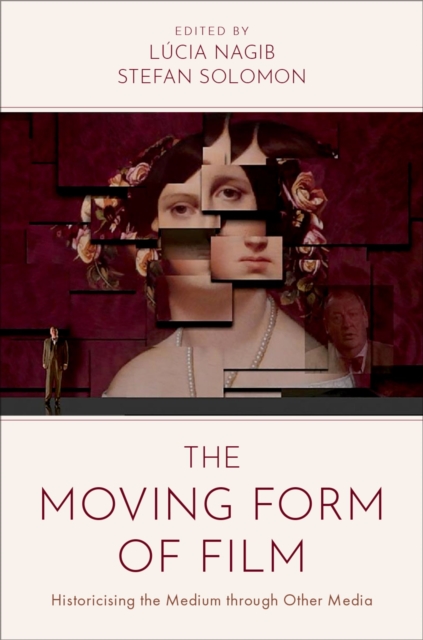
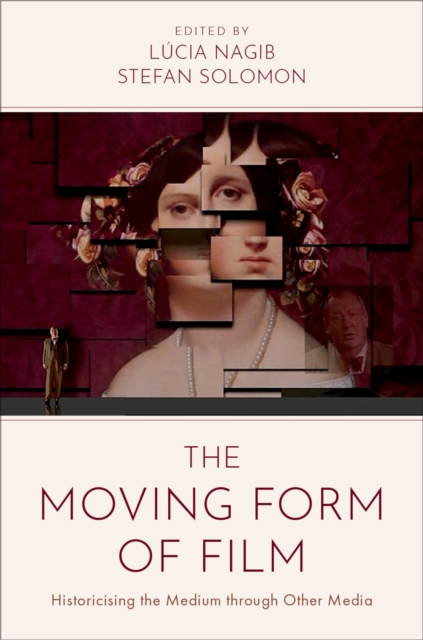
The Moving Form of Film: Historicizing the Medium through Other Media charts the ways in which crossing borders between film and other arts and media can provide an encompassing, inclusive, and non-teleological understanding of film history.
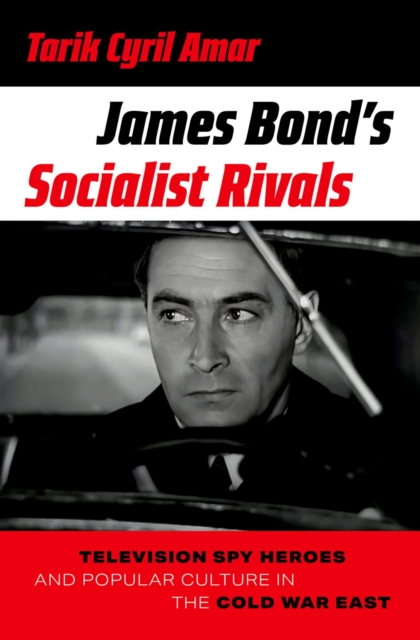
In August 1973, the large and growing television audience of the Soviet Union first laid eyes on what would become its quintessential if fictitious hero spy.
The Moving Form of Film: Historicizing the Medium through Other Media charts the ways in which crossing borders between film and other arts and media can provide an encompassing, inclusive, and non-teleological understanding of film history.
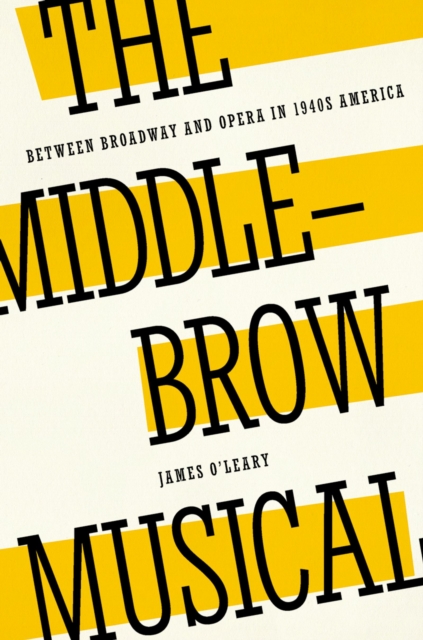
Rattled by two world wars, ongoing discrimination, and economic calamity, a group of critics in 1940s New York sought to promote art that would do nothing less than heal the world.
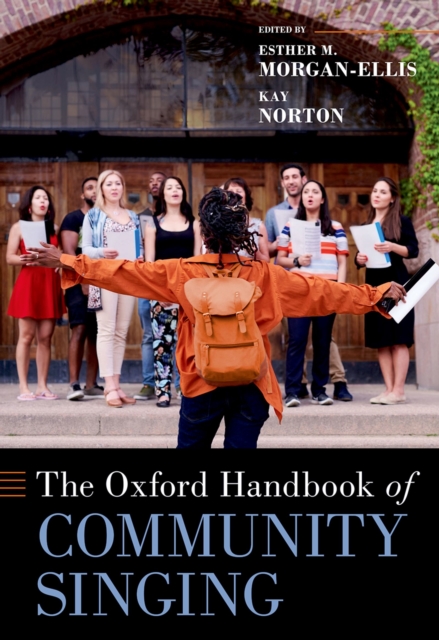
The Oxford Handbook of Community Singing embraces an open-ended interpretation of socio-musical practices that can be described with the term community singing.
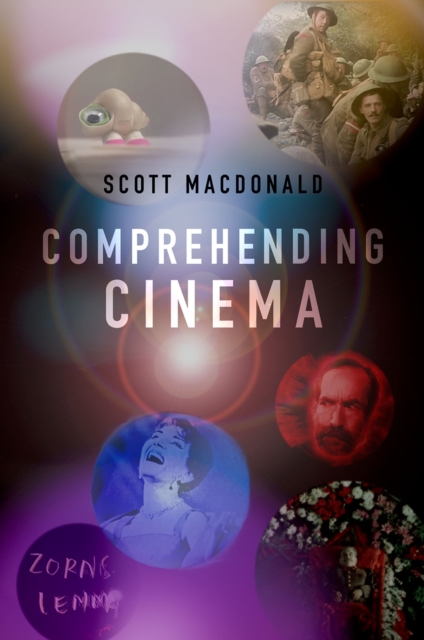
Comprehending Cinema is a collection of in-depth interviews and panoramic essays that models a generalist approach to modern audiovisual media, prioritizing remarkable cinematic accomplishments that can get lost within our overwhelming modern mediascape.
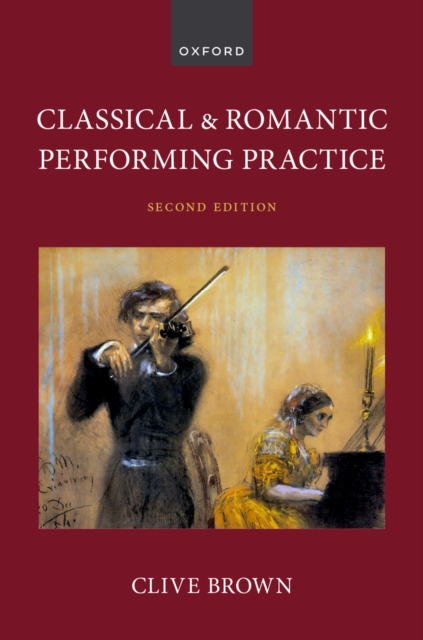
This book investigates the changing ways in which composers employed notation and musicians understood it between the middle of the eighteenth century and the start of the twentieth century.