Included in the list of recent notable books by the Visible Evidence Society Black Screens, White Frames offers a new understanding of cinematic blankness.
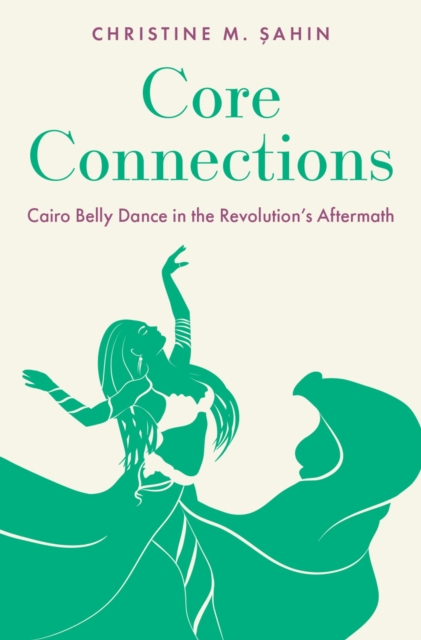
Core Connections: Cairo Belly Dance in the Revolution's Aftermath explores the intricate networks of belly dance in Cairo, Egypt following the turbulent aftermath of the January 25, 2011 revolution.
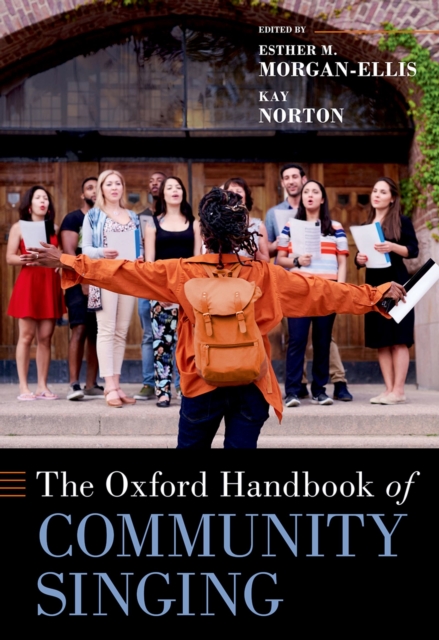
The Oxford Handbook of Community Singing embraces an open-ended interpretation of socio-musical practices that can be described with the term community singing.
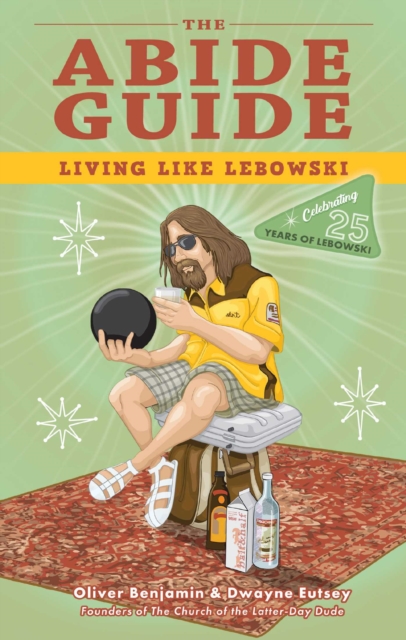
Celebrate the 25th anniversary of Ethan and Joel Coen's cinematic triumph The Big Lebowski with this ultimate guide to life from the founders of the Church of Latter-Day Dude.
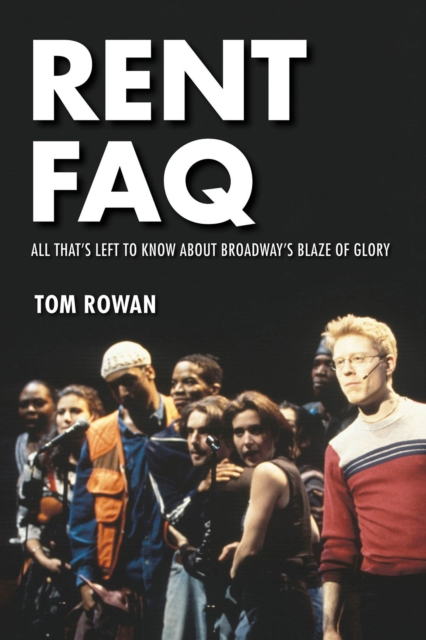
After opening in a small Off-Broadway theater, Rent, a modern adaptation of Puccini's La Boheme, quickly became a worldwide phenomenon with a more zealous and devoted fan base than had any musical in history.
Rattled by two world wars, ongoing discrimination, and economic calamity, a group of critics in 1940s New York sought to promote art that would do nothing less than heal the world.
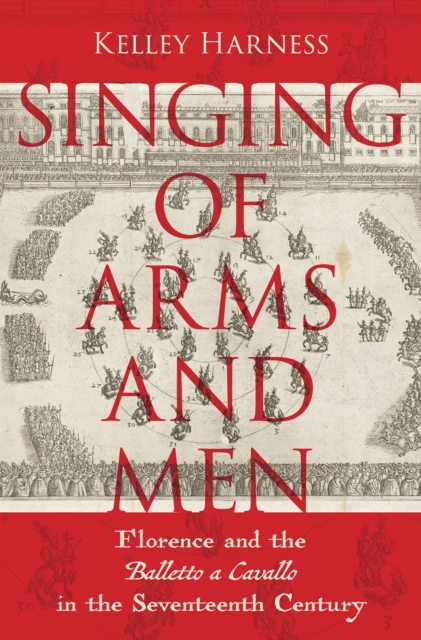
Equestrian ballets (balletti a cavallo), although little known today, emerged as valued dramatic entertainments in early modern Europe, capable of demonstrating the wealth and magnificence of the patrons who commissioned them as well as the horsemanship and military skills of the noblemen who rode in them.
The Oxford Handbook of the Disney Musical brings together scholars from a range of disciplines to interrogate an enduringly popular and influential cultural phenomenon.
After opening in a small Off-Broadway theater, Rent, a modern adaptation of Puccini's La Boheme, quickly became a worldwide phenomenon with a more zealous and devoted fan base than had any musical in history.
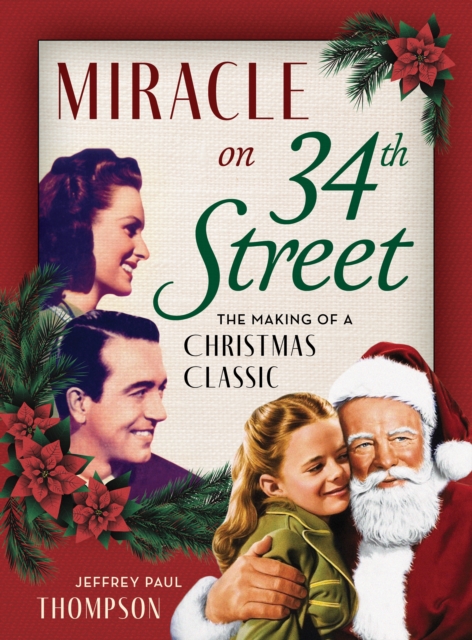
Despite having been made into three TV movies, a radio drama, a stage play, a Broadway musical, a feature-film remake in color, and a book adaptation, the 1947 black-and-white film of Miracle on 34th Street still remains the favorite version of this modern Christmas classic.
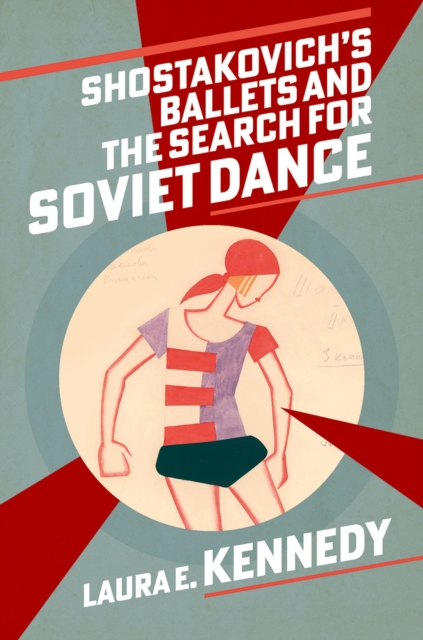
The late 1920s and early 1930s were a pivotal moment in Russian cultural development: a time of uncertainty but also of openness and experimentation in the arts and especially in dance.
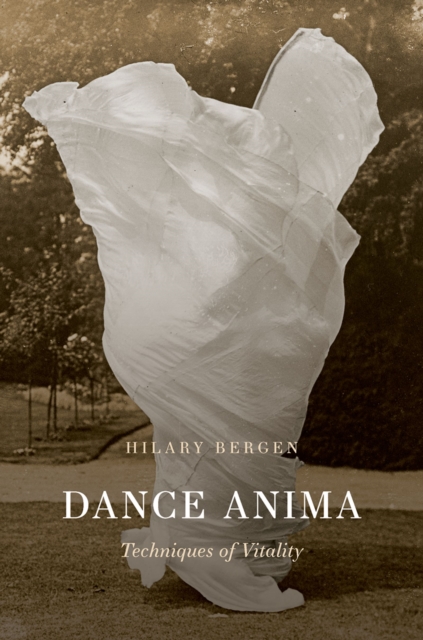
The practice of dance holds a paradox at its core: we view dance as a uniquely human thing, and yet, training in technique and choreography produces the dancer as a mechanized body whose porousness of boundaries mark the more-than-human condition of our present.
Forever Girls explores girlhood manifest in contemporary South Korean cinema within the conflicting socio-political forces that shaped the nation: coloniality, postcolonial and postwar traumas, modernity, and democracy.
In August 1973, the large and growing television audience of the Soviet Union first laid eyes on what would become its quintessential if fictitious hero spy.
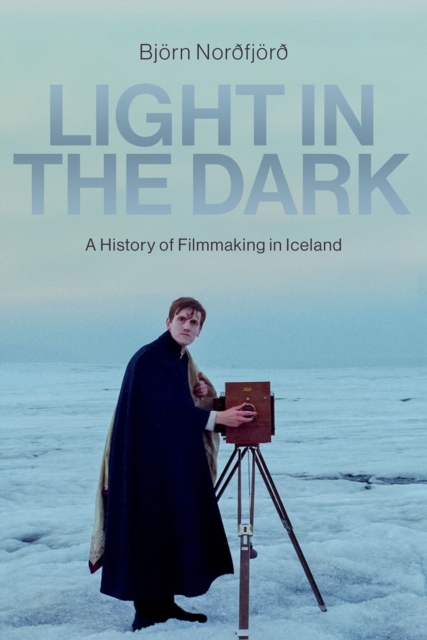
Light in the Dark tells the dramatic history of Icelandic cinema from its modest origin in the early twentieth century to the heterogenous and complex national cinema of today.
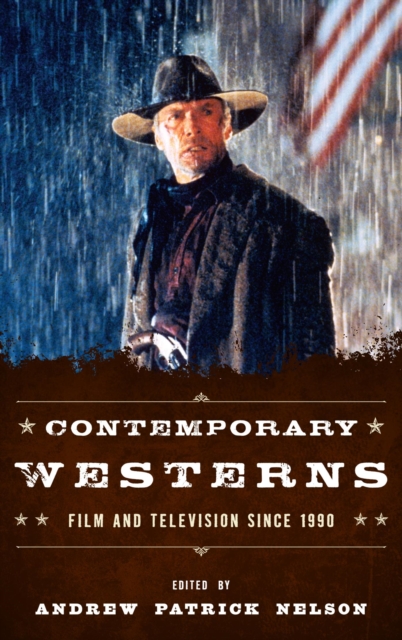
Though one of the most popular genres for decades, the western started to lose its relevance in the 1960s and 1970s, and by the early 1980s it had ridden into the sunset on screens both big and small.
Diaspora studies continue to expand in range and scope and remain fertile terrain for investigating multiple techniques of myth creation in dance performance, history as performance, dramatic narrative, and staged rituals in the field.
The Western tradition, with its well-worn tropes, readily identifiable characters, iconic landscapes, and evocative soundtracks, is not limited to the United States.
Though one of the most popular genres for decades, the western started to lose its relevance in the 1960s and 1970s, and by the early 1980s it had ridden into the sunset on screens both big and small.
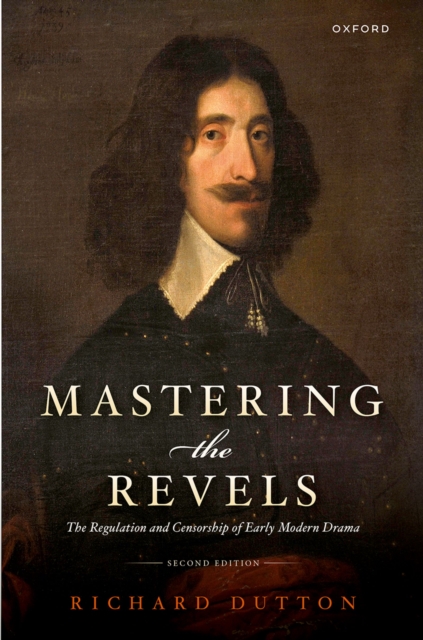
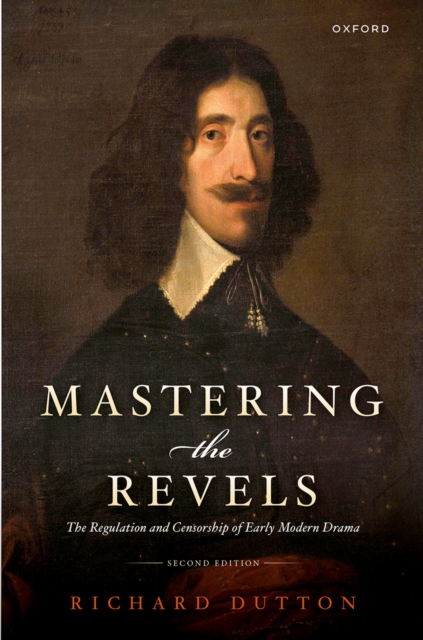
Mastering the Revels traces the measures taken by the governments of Elizabeth I, James I, and Charles I to regulate the new phenomenon of fixed playhouses and resident playing companies in London, and to censor their plays.
Mastering the Revels traces the measures taken by the governments of Elizabeth I, James I, and Charles I to regulate the new phenomenon of fixed playhouses and resident playing companies in London, and to censor their plays.
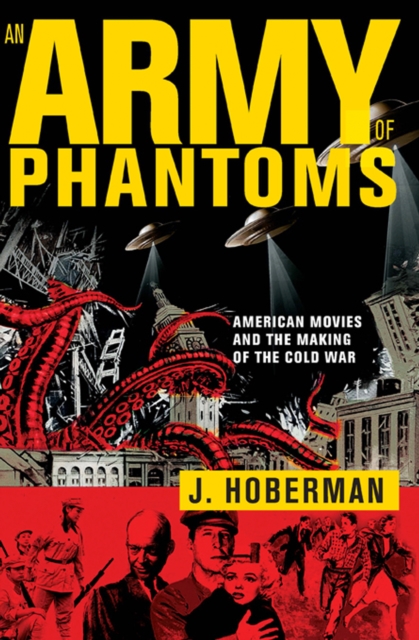
The film critic's sweeping analysis of American cinema in the Cold War era is both "e;utterly compulsive reading [and] majestic"e; in its "e;breadth and rigor"e; (Film Comment).
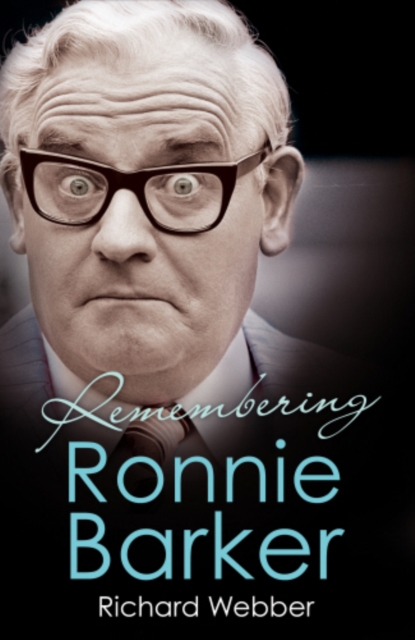
Ronnie Barker was one of our most respected and best-loved comedy actors and here, in this fascinating biography, Richard Webber delves deep in to the heart of Barker's life and career, peppering his narrative with original and incisive memories from some of Barker's closest contemporaries, including Ronnie Corbett, Michael Palin and Barry Cryer.
The Choreography of Environments: How the Anna and Lawrence Halprin Home Transformed Contemporary Dance and Urban Design explores how objects and the domestic spaces seep into the aesthetic consciousness of movement-based artists, like dancers and urban designers, significantly shaping their approach to movement invention and choreography.
Underpinned by author John Rink's internationally acclaimed scholarship and experience as a musician, this book addresses fascinating topics in the field of musical performance studies concerning the history, analysis and psychology of music, as well as artistic research.