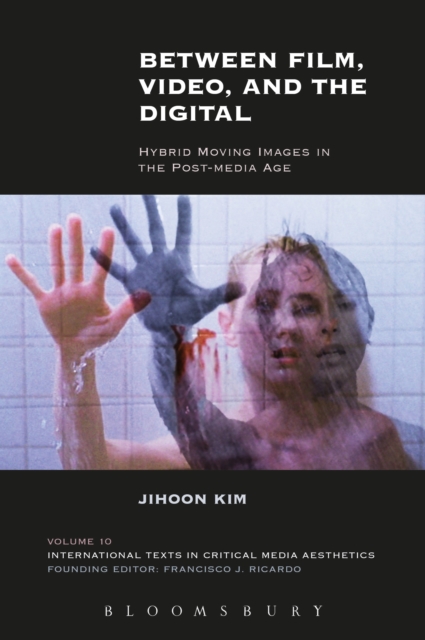
This is the first book of its kind to examine the development of the confessional subject in video art and demonstrate how it can provide a vital platform for navigating the politics of self, subjectivity, and resistance in society.
Part of Intellect's World Film Locations series, World Film Locations: Helsinki explores the relationship between the city, cinema and Finnish cultural history.
Artistic, intellectual and appreciably avant-garde, the French film industry has, perhaps more than any other national cinema, been perennially at the centre of international filmmaking.
Though the creative community of Reykjavik, Iceland, has earned a well-deserved reputation for its unique artistic output - most notably the popular music that has emerged from the city since the 1980s - Reykjavik's filmmakers have received less attention than they merit.
Human understanding of the rapidly changing environments of the North and South Poles and the realities of climate change has been radically transformed by a host of innovations afforded by the digital technologies.
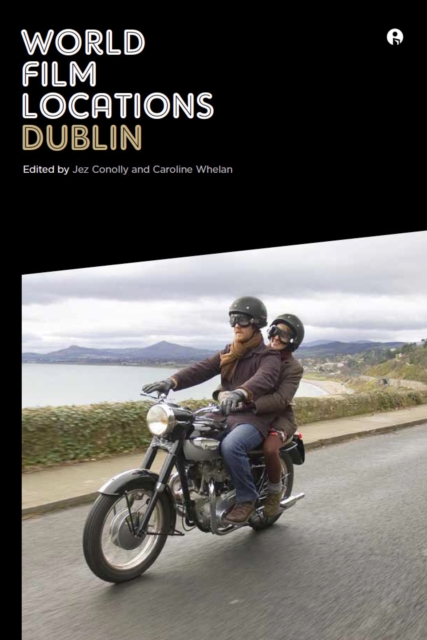
With its rich political and literary history, Dublin is a sought after destination for cinematographers who have made use of the city's urban streetscapes and lush pastoral settings in many memorable films - among them Braveheart, The Italian Job and the 2006 musical drama Once.
Roosevelt's New Deal introduced sweeping social, political and cultural change across the United States, which the Hollywood film community embraced enthusiastically.
Drawing on film theory, literary modernism, psychology and art history, Fields of View elucidates an expanded network of connections between avant-garde film and wider culture.
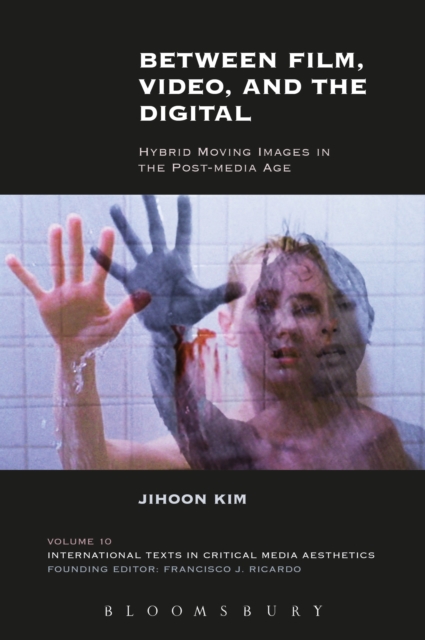
Over the past decades, a fundamental epistemological shift has transformed notions of performativity and representation in the arts under the influence of new technologies.
Spanish Cinema of the New Millennium provides a new approach to the study of contemporary Spanish cinema between 2000 and 2015, by analysing films that represent both 'high' and 'popular' culture side by side.
Unlike other books on architecture and film, Architecture Filmmaking investigates how the now-expanded field of architecture utilizes the practice of filmmaking (feature/short film, stop motion animation and documentary) or video/moving image in research, teaching and practice, and what the consequences of this interdisciplinary exchange are.
Few directors of the 1930s and 40s were as distinctive and popular as Preston Sturges, whose whipsmart comedies have entertained audiences for decades.
From Melies to New Media contributes to a dynamic stream of film history that is just beginning to understand that new media forms are not only indebted to but firmly embedded within the traditions and conventions of early film culture.
The question of the relation of Martin Heidegger's thought to politics has been a subject of controversy since the 1930s, when he became an advocate of the National Socialist regime in Germany.
We are used to seeing the everyday as an ordinary aspect of life, something that we need to overcome; whereas it actually plays a crucial role in any event of our lives.
Orphan Black: Performance, Gender, Biopolitics is an edited collection that covers the areas in which the series has generated the most academic interest: performance and technology; gender and reproduction; biopolitics and community.
Marking the 50th anniversary of the premiere of La Hora de Los Hornos (The Hour of the Furnaces) (Getino and Solanas, 1968), A Trail of Fire for Political Cinema is an edited collection that closely analyses the film, looking to the context and the socio-political landscape of 1960s Argentina, as well as the film's legacy and contemporary relevance.
From his debut in a six-page comic in 1939 to his most recent portrayal by Christian Bale in the blockbuster The Dark Knight Rises, Batman is perhaps the world's most popular superhero.