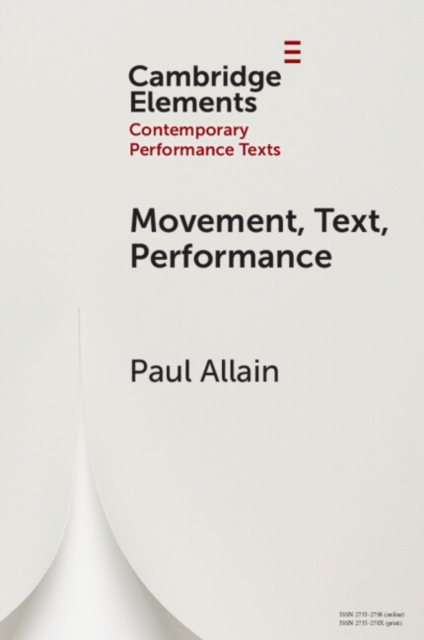
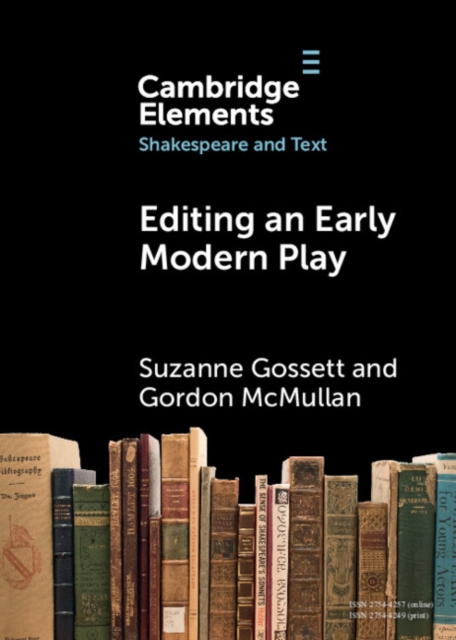
This book analyzes the role of the theatrical simpleton in the pasos of the sixteenth-century playwright Lupe de Rueda, in Mario Moreno's character "e;Cantinflas,"e; and in the esquirol of the 1960s Actos of the Teatro Campesino.
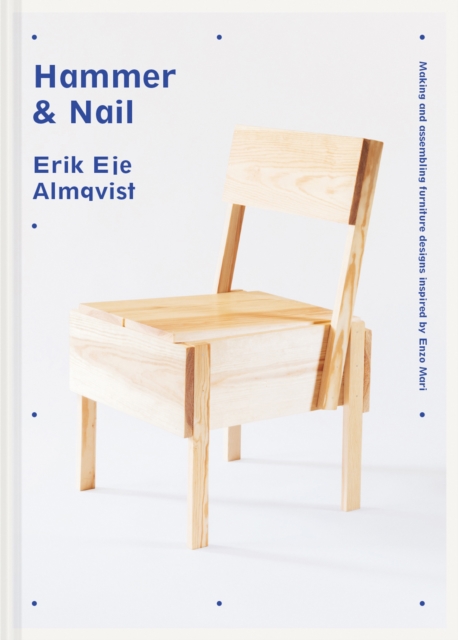
Inspired by radical Italian designer Enzo Mari, this practical book with step-by-step DIY projects for hand built, beautiful furniture is a tribute to his simple ideas that challenged the consumerism of the furniture industry.
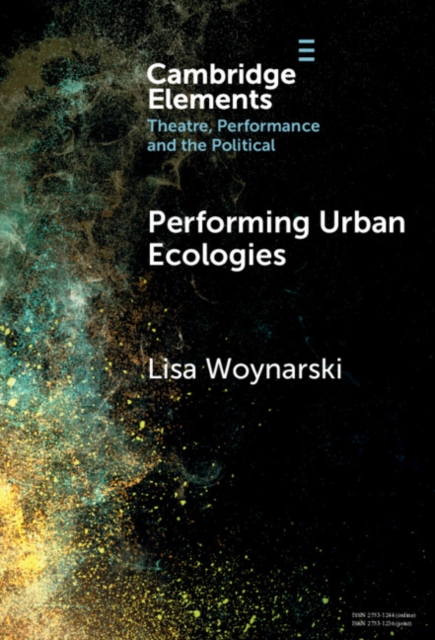
Esta investigacion tiene como objetivo estudiar y reflexionar sobre las practicas escenicas y performativas que despliegan una estrategia ecologica en el contexto chileno durante el periodo 2013-2023.
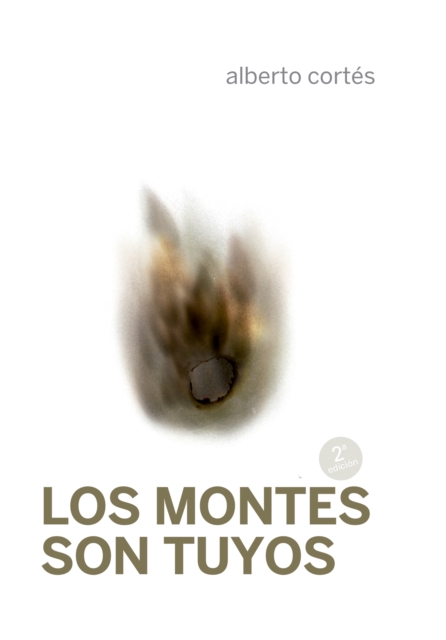
Los montes son tuyos reúne dos piezas del director de escena, dramaturgo y performer Alberto Cortés: El Ardor (2021) y One night at the golden bar (2022).
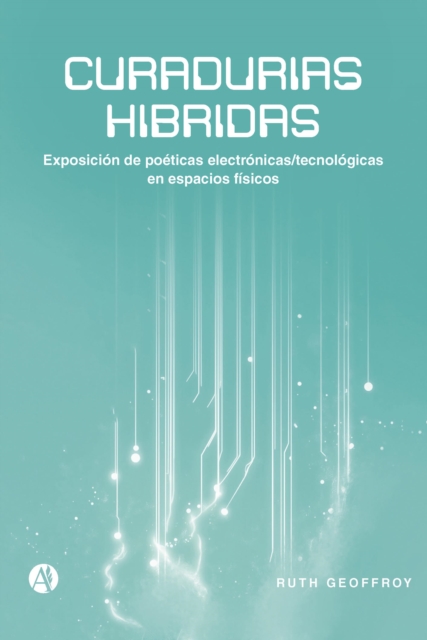
Este trabajo analiza la curaduria y exposicion de poeticas tecnologicas y electronicas, cuyos soportes y caracteristicas requieren enfoques especificos.
"La autora de este libro sabe que no sería justo aplicarles a las obras pasadas de las mujeres artistas chilenas, el instrumental analítico que nos proporciona la teoría feminista internacional de hoy.
Timeless sculptures between presence and absence - an insight into the unique artistic world of Walter MoroderWalter Moroder is one of the most distinctive sculptors of our time.
Timeless sculptures between presence and absence - an insight into the unique artistic world of Walter MoroderWalter Moroder is one of the most distinctive sculptors of our time.
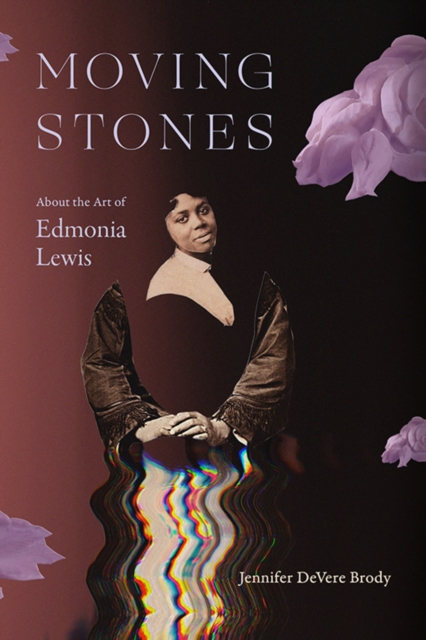
Moving Stones explores the extraordinary life and work of Edmonia Lewis, the Black and Ojibwe sculptor who rose to international fame in the nineteenth century.
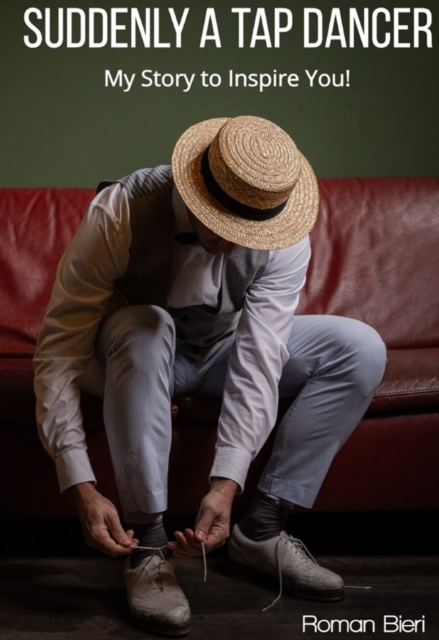
This book tells the story of a crazy idea, the courage to start over, countless hours of practice in the basement, embarrassing performances, deep doubts-and the incredible feeling of growing beyond yourself.
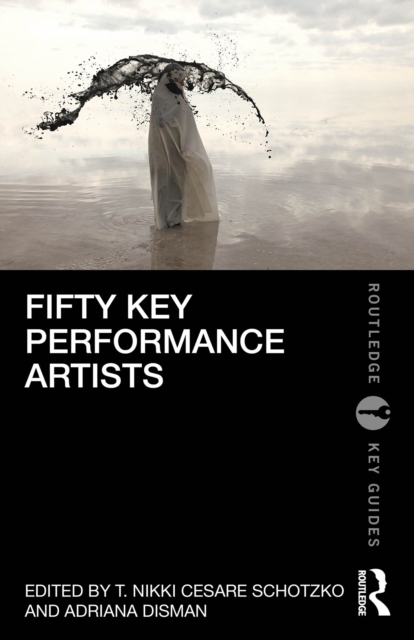
Fifty Key Performance Artists is a critical introduction to some of the most influential and innovative performance artists from the emergence of the genre post-World War II to the present, whose work has largely been underrecognized and underacknowledged within an English-language context.
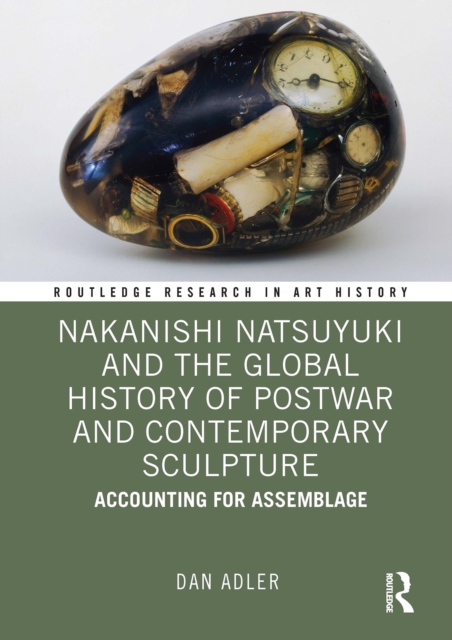
As the first book-length study of Nakanishi Natsuyuki's sculptural practice, this volume explores his assemblages in dialogue with the postwar history of sculpture as a global phenomenon in the 1960s and beyond.
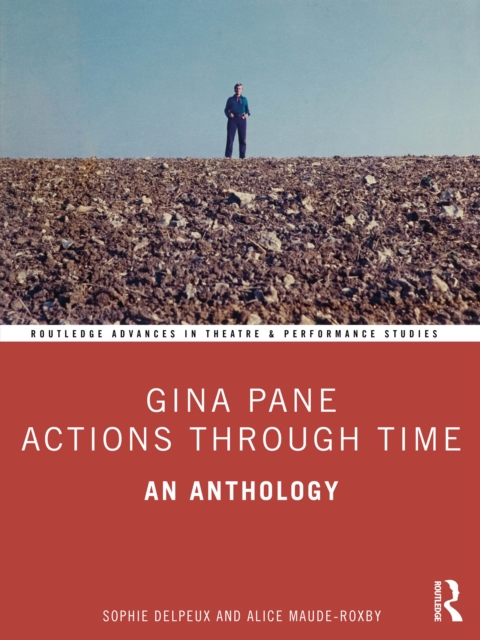
Gina Pane (1939-1990) is acknowledged as one of the first artists to use her body as the medium for her practice through live works or Actions she began in the late 1960s.
Gina Pane (1939-1990) is acknowledged as one of the first artists to use her body as the medium for her practice through live works or Actions she began in the late 1960s.
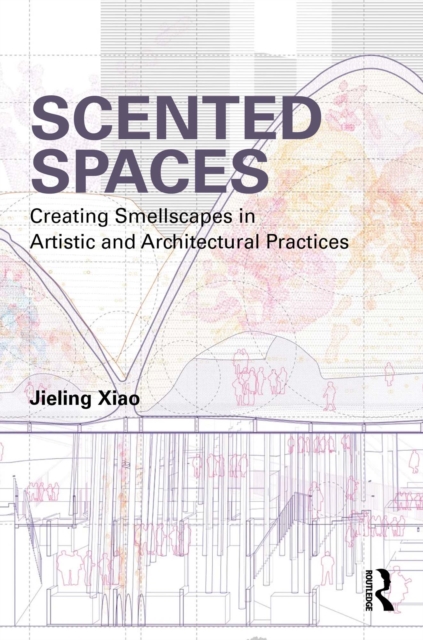
This book explores the overlooked role of smell in architecture, design, and urban life, positioning olfaction as a powerful medium for shaping place, atmosphere, and experience.
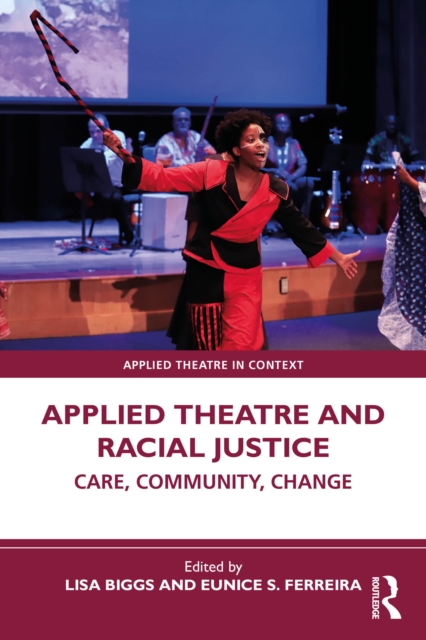
Applied Theatre and Racial Justice: Care, Community, Change documents and amplifies lessons from practitioners and scholars who use performance to create models of transformation, collective learning, and liberation.
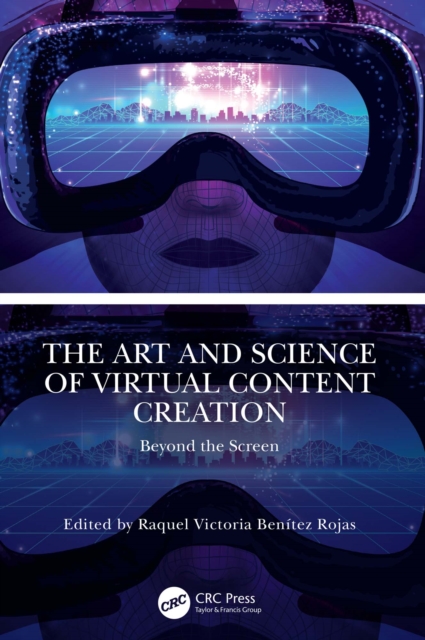
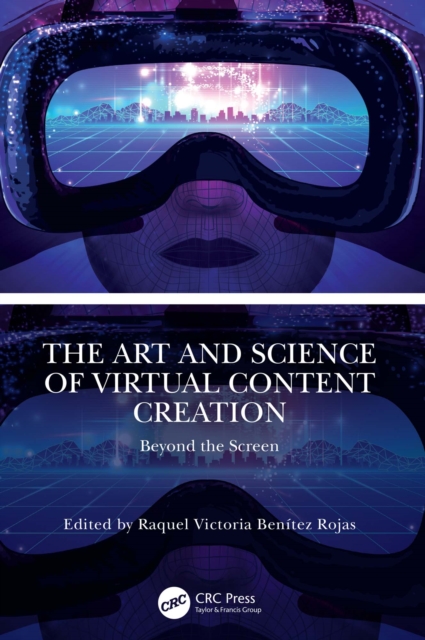
The Art and Science of Virtual Content Creation: Beyond the Screen is a wide-ranging guide that examines the dynamic fusion of creativity and technology in crafting immersive digital experiences.
The Art and Science of Virtual Content Creation: Beyond the Screen is a wide-ranging guide that examines the dynamic fusion of creativity and technology in crafting immersive digital experiences.
Applied Theatre and Racial Justice: Care, Community, Change documents and amplifies lessons from practitioners and scholars who use performance to create models of transformation, collective learning, and liberation.
Spanish Accents and Dialects for Actors: Volume 1 - North America and the Caribbean is an interactive roadmap to the accents and dialects of the Spanish-speaking world that uses trauma-informed approaches to navigate the reclamation of the Latino/a/e/x home sounds.
Spanish Accents and Dialects for Actors: Volume 1 - North America and the Caribbean is an interactive roadmap to the accents and dialects of the Spanish-speaking world that uses trauma-informed approaches to navigate the reclamation of the Latino/a/e/x home sounds.
This book explores the overlooked role of smell in architecture, design, and urban life, positioning olfaction as a powerful medium for shaping place, atmosphere, and experience.
As the first book-length study of Nakanishi Natsuyuki's sculptural practice, this volume explores his assemblages in dialogue with the postwar history of sculpture as a global phenomenon in the 1960s and beyond.
This book aims to show how a specific form of documentary research, founded in a theatre-making method labelled 'real fiction,' can be utilised in drama education contexts, such as classrooms and performance spaces.
Participatory Opera offers a critical analysis of spectator immersion and participation in contemporary opera, and explores resultant intersections with notions of individuality and community within these emerging contexts.