In Collective Situations scholars, artists, and art collectives present a range of socially engaged art practices that emerged in Latin America during the Pink Tide period, between 1995 and 2010.
In Archiveology Catherine Russell uses the work of Walter Benjamin to explore how the practice of archiveology-the reuse, recycling, appropriation, and borrowing of archival sounds and images by filmmakers-provides ways to imagine the past and the future.
In Abject Performances Leticia Alvarado draws out the irreverent, disruptive aesthetic strategies used by Latino artists and cultural producers who shun standards of respectability that are typically used to conjure concrete minority identities.
Essays from a master critic on how artistic giants from modernism onward confronted mortality-forging unexpected links between Twain, Woolf, Mahler, Wittgenstein, Beckett, Toni Morrison, and more While much about modernism remains up for debate, there can be no dispute about the connection between modernist art and death.
Unleash positive thinking and productive imagination, and flip negative thoughts and behaviors into a lifetime to improve every aspect of your lifeeach morning, one day at a time.
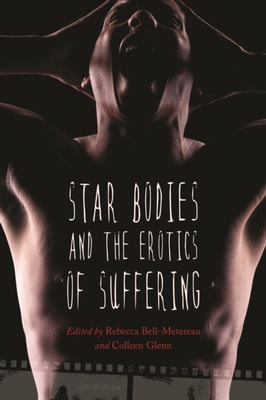
Star Bodies and the Erotics of Suffering offers film buffs, students, and scholars a fresh take on casting, method acting, audience reception, and the tensions at play in our fascination with an actor's dual role as private individual and cultural icon.
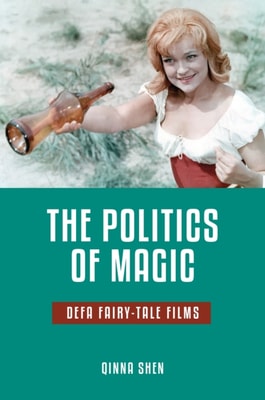
Shen's study will be significant reading for teachers and students of folklore studies and for scholars of German, Eastern European, cultural, film, media, and gender studies.
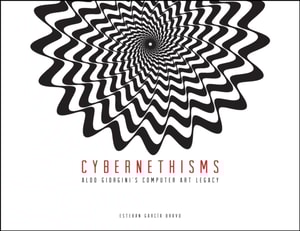
Working extensively as both artist and scientist, Aldo Giorgini (1934-1994) was one of the first computer artists to combine software writing with early printing technologies.
Taking up questions of artists' materials and technical processes currently at the vanguard of art-historical scholarship, this book studies the contiguity and interchange of workshop methods in the linked fabrication of both ephemeral and preparatory works by Bernini.
This dramatic re-evaluation of Sartres ethical theory establishes its author as a leading American exponent of phenomenology and wins many new followers for Sartre in the English-speaking world.
Tool-Being offers a new assessment of Martin Heidegger's famous tool-analysis, and with it, an audacious reappraisal of Heidegger's legacy to twenty-first-century philosophy.
Since the 1930s, philosophy has been divided into two camps: the analytic tradition which prevails in the Anglophone world and the continental tradition which holds sway over the European continent.
The French philosopher Jean-Paul Sartre (19051980) was the major representative of the philosophical movement called existentialism, and he remains by far the most famous philosopher, worldwide, of the postWorld War Two era.
In our age of ecological disaster, this book joins the growing philosophical literature on vegetable life to ask how our present debates about biopower and animal studies change if we take plants as a linchpin for thinking about biopolitics.
Desire and Distance constitutes an important new departure in contemporary phenomenological thought, a rethinking and critique of basic philosophical positions concerning the concept of perception presented by Husserl and Merleau-Ponty, though it departs in significant and original ways from their work.
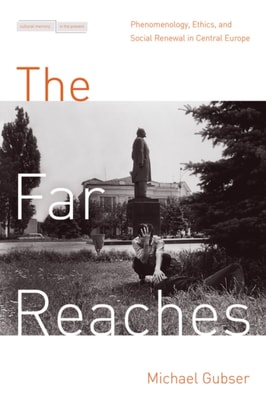
"e;By restoring morality to phenomenology, and phenomenology to East European politics, Gubser has rewritten the intellectual history of the twentieth century.
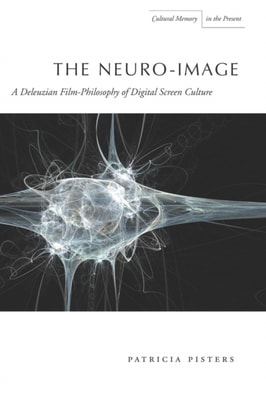
Arguing that today's viewers move through a character's brain instead of looking through his or her eyes or mental landscape, this book approaches twenty-first-century globalized cinema through the concept of the "e;neuro-image.
In exploring the nature of excess relative to a phenomenology of the limit, Testing the Limit claims that phenomenology itself is an exploration of excess.
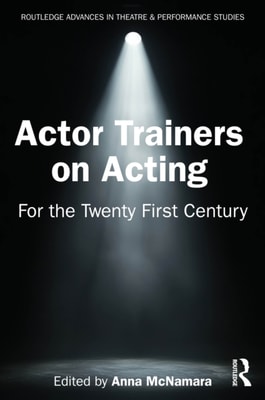
Actor Trainers on Acting is a comprehensive, diverse and forwardthinking examination of the craft of acting written by leading experts from across the world.
It has become a commonplace that "e;images"e; were central to the twentieth century and that their role will be even more powerful in the twenty-first.
The "e;ancient quarrel"e; between philosophy and literature seems to have been resolved once and for all with the recognition that philosophy and the arts may be allies instead of enemies.
This book makes available for the first time in English-and for the first time in its entirety in any language-an important yet little-known interview on the topic of photography that Jacques Derrida granted in 1992 to the German theorist of photography Hubertus von Amelunxen and the German literary and media theorist Michael Wetzel.