An updated edition of this definitive history of Harper-a fascinating look into the history of American letters from the unique perspective of one of the country's most distinguished and enduring publishers-now with a new introduction that brings the book up to the present day.
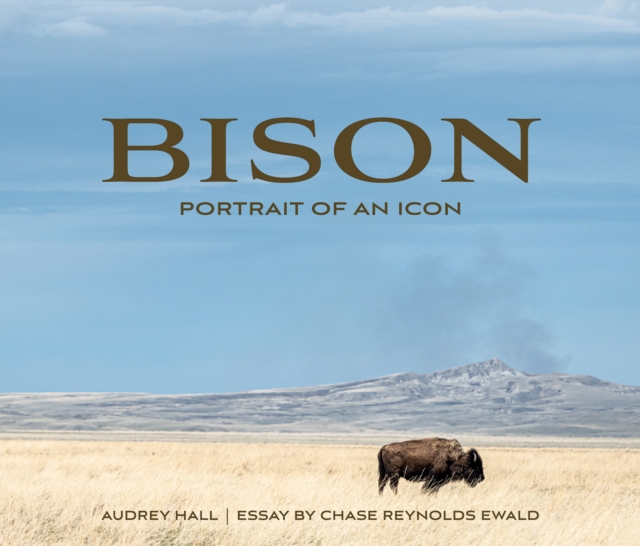
The first book of its kind, Bison: Portrait of an Icon tells the story of this distinctly American species-its history, majesty, cultural significance, and comeback story-through the stunning, dramatic photography of Audrey Hall.
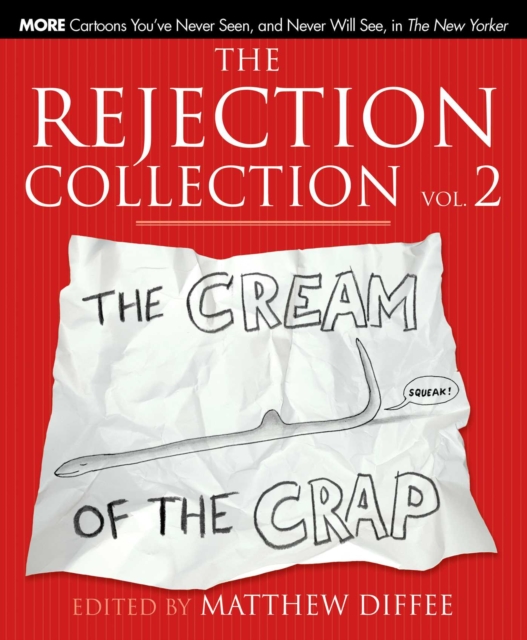
Each week The New Yorker receives more than five hundred submissions from its regular cartoonists, who are all vying for one of the twenty coveted spots in the magazine.
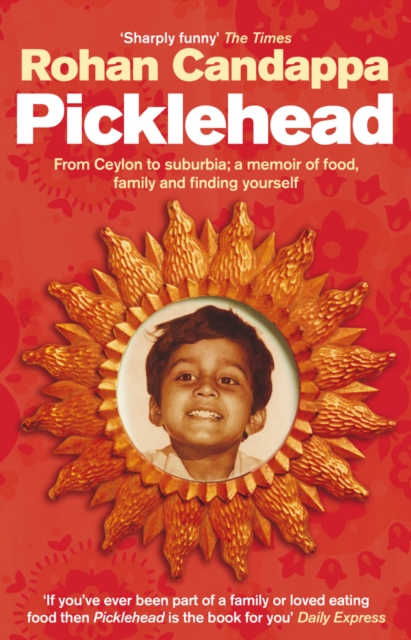
Rohan Candappa, author of bestselling humour books such as the Little Book of Stress and The Curious Incident of the Weapons of Mass Destruction, is the son of a Sri Lankan father and Burmese mother.
'National treasure' IndependentLet Nadiya take you on a culinary journey across Britain and discover over 120 fresh, simple and delicious recipes INCLUDES ALL THE RECIPES AND MORE FROM THE HIT BBC2 COOKERY SERIES____________Inspired by her journey around the country to discover the best In British food, Nadiya has created over 120 easy and enticing new recipes that mix local ingredients with her very favourite flavours, not forgetting a nod to her Bangladeshi roots.
How the practice of titling paintings has shaped their reception throughout modern historyA picture's title is often our first guide to understanding the image.
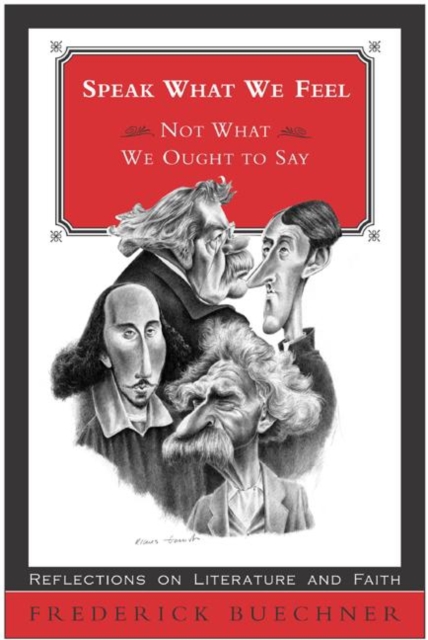
Daily meditations taken from the works of an acclaimed novelist, essayist, and preacher who has articulated what he sees with a freshness and clarity and energy that hails our stultified imaginations.
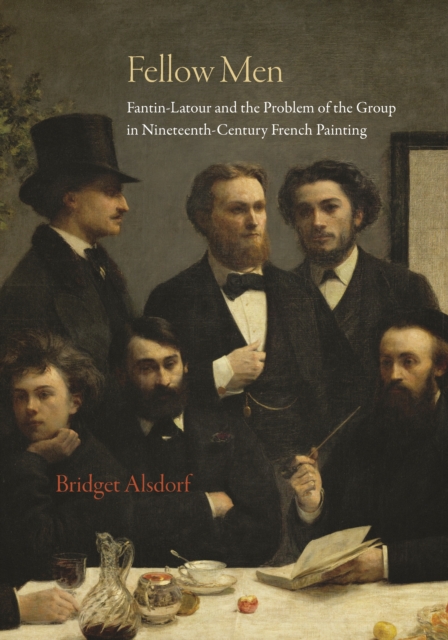
Focusing on the art of Henri Fantin-Latour (1836-1904) and his colleagues Gustave Courbet, Edgar Degas, Edouard Manet, Frederic Bazille, and Pierre-Auguste Renoir, Fellow Men argues for the importance of the group as a defining subject of nineteenth-century French painting.
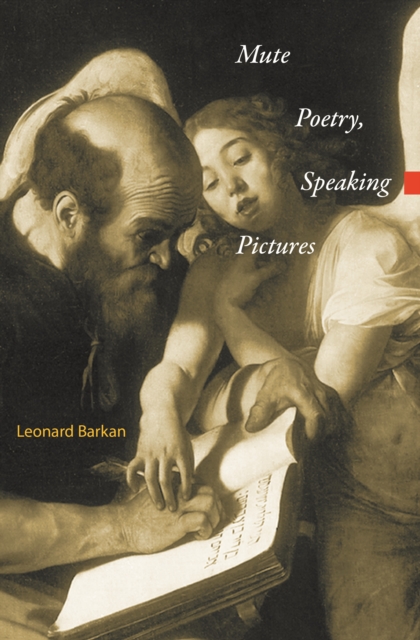
The skirmish between painting and poetry-from Plato and Praxiteles to Rembrandt and ShakespeareWhy do painters sometimes wish they were poets-and why do poets sometimes wish they were painters?
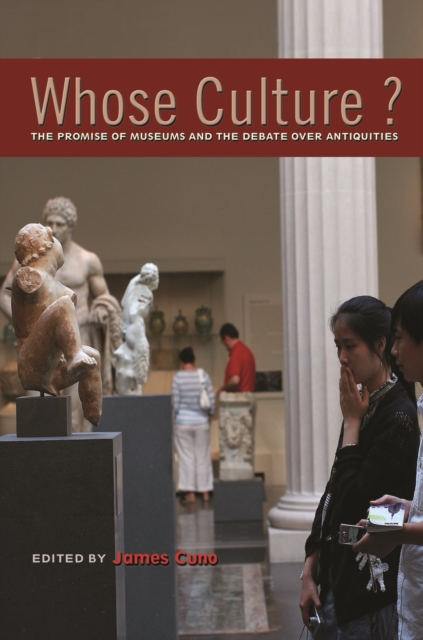
The international controversy over who "e;owns"e; antiquities has pitted museums against archaeologists and source countries where ancient artifacts are found.
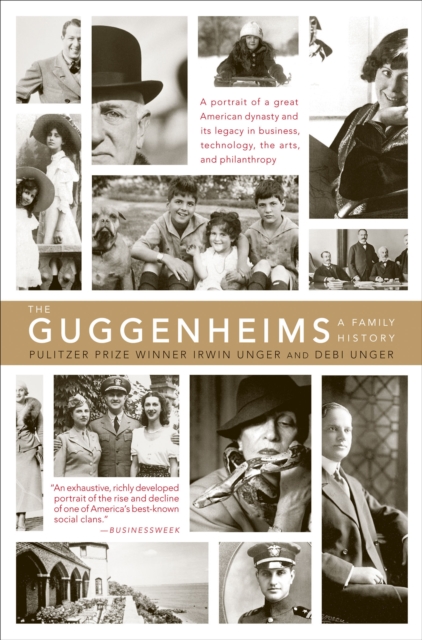
A portrait of a great American dynasty and its legacy in business, technology, the arts, and philanthropyMeyer Guggenheim, a Swiss immigrant, founded a great American business dynasty.
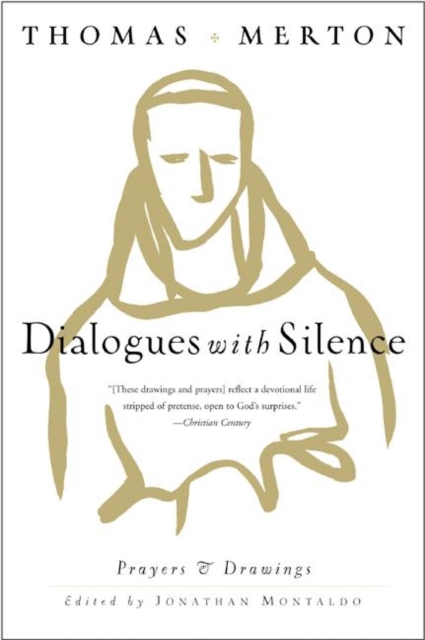
An intensely personal devotional book from Thomas Merton, the ultimate spiritual writer of our time, showing his contemplative and religious side through his prayers and rarely-seen drawings.
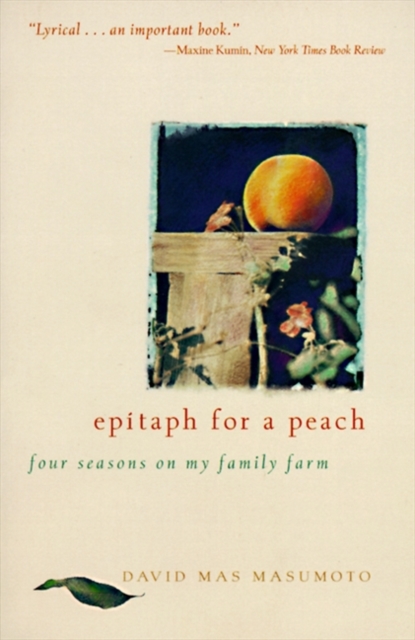
A lyrical, sensuous and thoroughly engrossing memoir of one critical year in the life of an organic peach farmer, Epitaph for a Peach is "e;a delightful narrative .
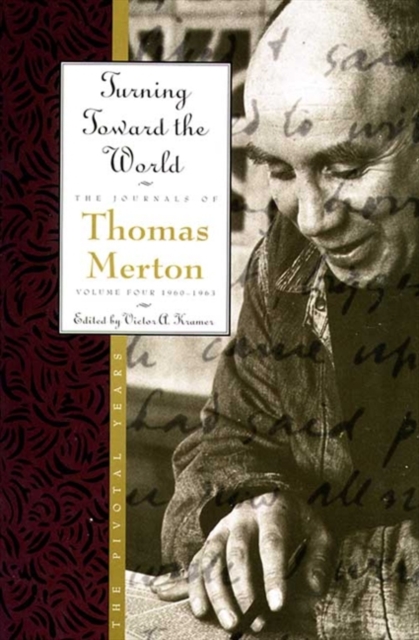
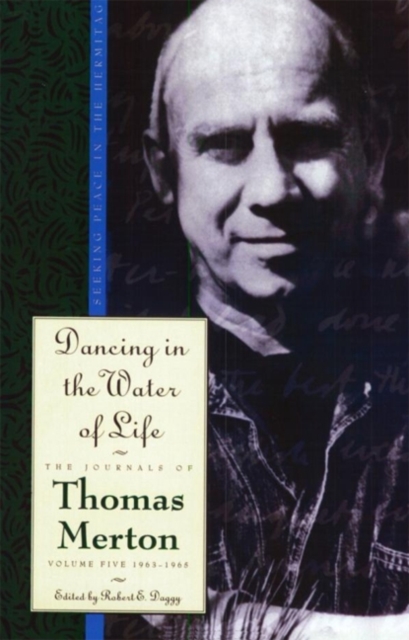
The sixties were a time of restlessness, inner turmoil, and exuberance for Merton during which he closely followed the careening development of political and social activism Martin Luther King, Jr.
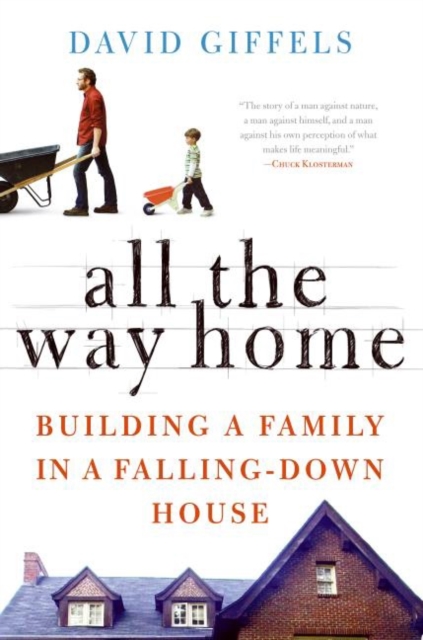
As wry as Bill Bryson's I'm a Stranger Here Myself, as insightful as Tracy Kidder's House, here is smart, engaging tale of one man's stuggle to restore his family's new home-a decrepit old mansion-and discover himself With his pregnant wife and their 18-month-old son in tow, David Giffels scoured the environs of Akron, OH, in search of the perfect house.
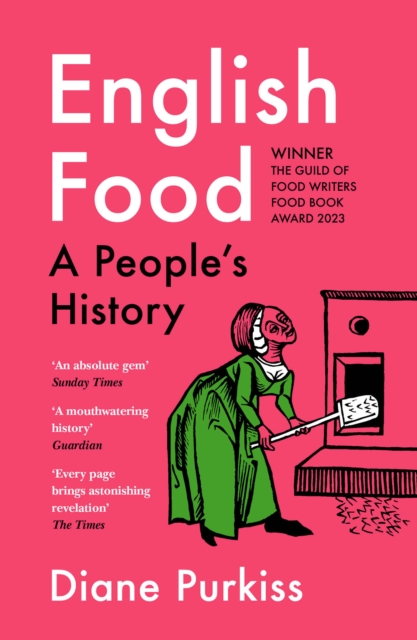
'An absolute gem' Sunday Times'A mouthwatering history' The GuardianIn this delicious history of Britain's food traditions, Diane Purkiss invites readers on a unique journey through the centuries, exploring the development of recipes and rituals for mealtimes such as breakfast, lunch, and dinner, to show how food has been both a reflection of and inspiration for social continuity and change.
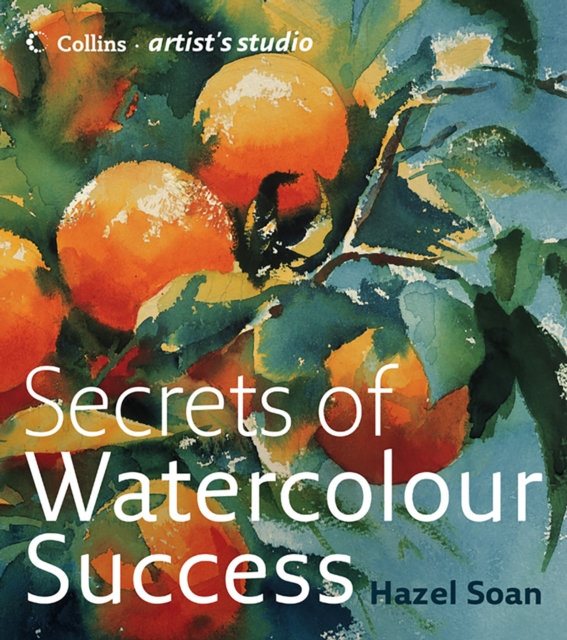
In this beautifully illustrated book in Collins Artist's Studio series well-known artist Hazel Soan reveals 9 key secrets of watercolour painting that will enable painters with some experience to develop greater confidence and a more professional attitude to their work.
Shortlisted for the Andre Simon Food & Drink Book AwardAn intoxicating interconnected history of booze and medicine, from one of the world's foremost cocktail writers.
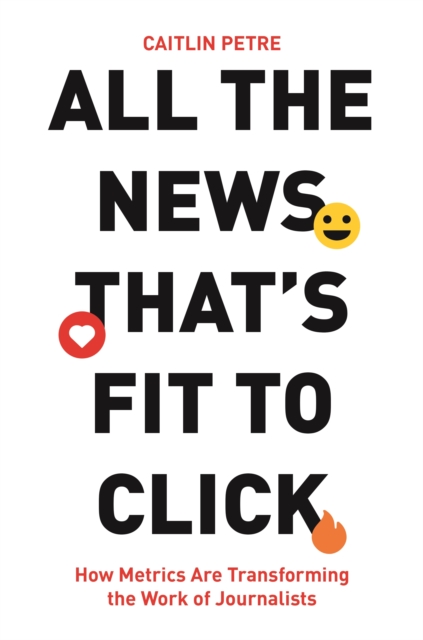
From the New York Times to Gawker, a behind-the-scenes look at how performance analytics are transforming journalism today-and how they might remake other professions tomorrowJournalists today are inundated with data about which stories attract the most clicks, likes, comments, and shares.
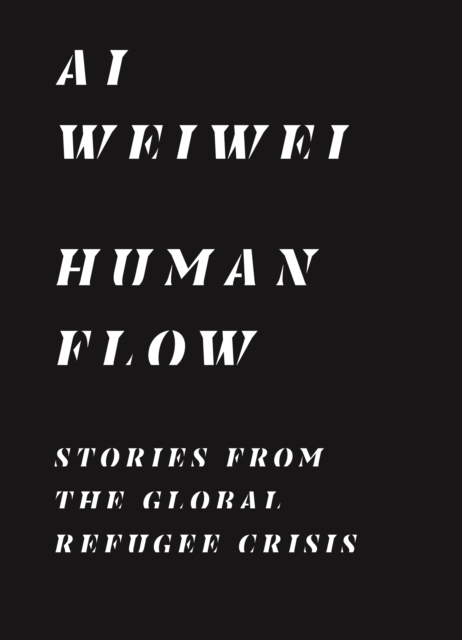
A powerful portrait of the greatest humanitarian emergency of our time, from the director of Human FlowIn the course of making Human Flow, his epic feature documentary about the global refugee crisis, the artist Ai Weiwei and his collaborators interviewed more than 600 refugees, aid workers, politicians, activists, doctors, and local authorities in twenty-three countries around the world.
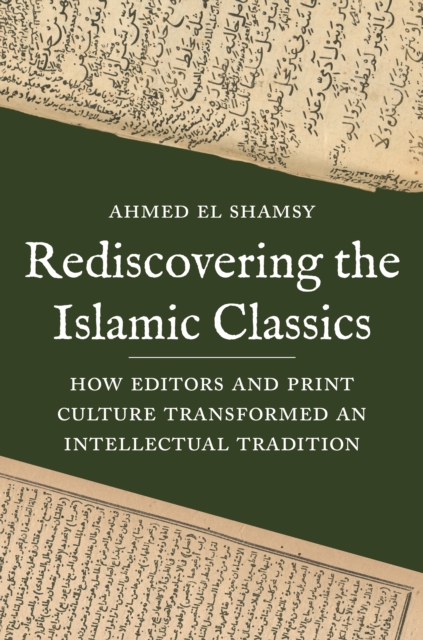
The story of how Arab editors of the late nineteenth and early twentieth centuries revolutionized Islamic literatureIslamic book culture dates back to late antiquity, when Muslim scholars began to write down their doctrines on parchment, papyrus, and paper and then to compose increasingly elaborate analyses of, and commentaries on, these ideas.
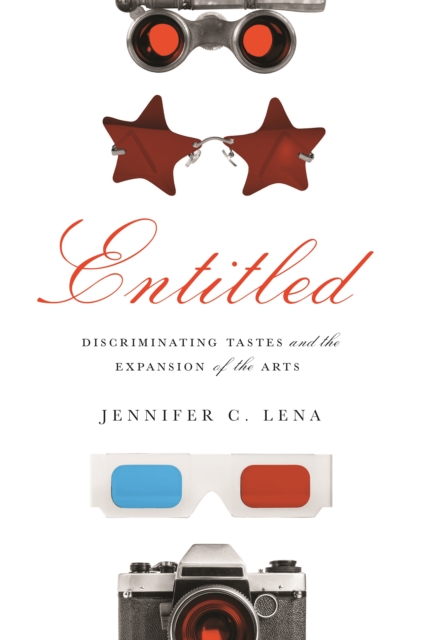
An in-depth look at how democratic values have widened the American arts scene, even as it remains elite and cosmopolitanTwo centuries ago, wealthy entrepreneurs founded the American cathedrals of culture-museums, theater companies, and symphony orchestras-to mirror European art.
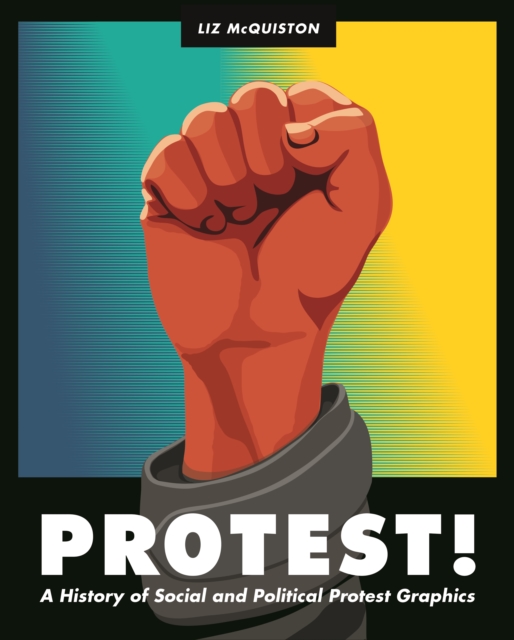
An authoritative, richly illustrated history of six centuries of global protest artThroughout history, artists and citizens have turned to protest art as a means of demonstrating social and political discontent.
How leading American artists reflected on the fate of humanity in the nuclear era through monumental sculptureIn the wake of the atomic bombings of Japan in 1945, artists in the United States began to question what it meant to create a work of art in a world where humanity could be rendered extinct by its own hand.
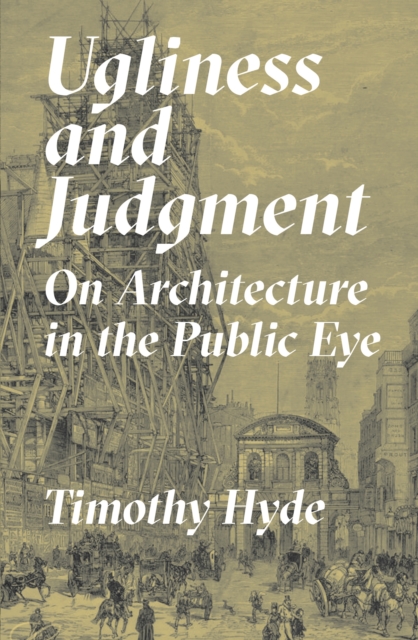
A novel interpretation of architecture, ugliness, and the social consequences of aesthetic judgmentWhen buildings are deemed ugly, what are the consequences?
Church History, Volume One offers a unique contextual view of how the Christian church spread and grew from its development in the days of Jesus to the years leading up to the Reformation.