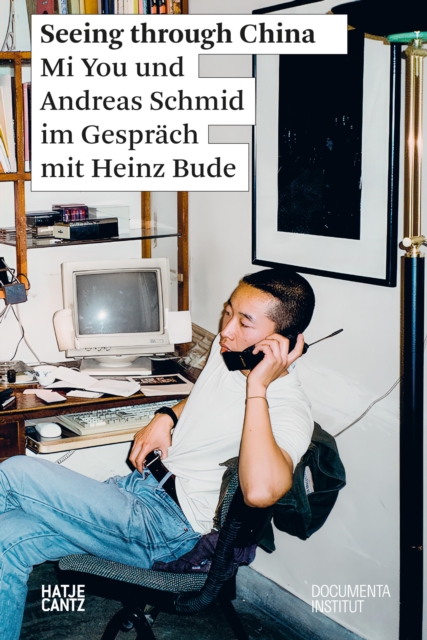
Ein auergewohnlicher Dialog uber die chinesische Gegenwartskunst: Der Kunstler und Kurator Andreas Schmid, Mitinitiator der legendaren Ausstellung China Avantgarde (1993), trifft auf die in Peking geborene Kuratorin und Professorin Mi You.
Esta investigacion tiene como objetivo estudiar y reflexionar sobre las practicas escenicas y performativas que despliegan una estrategia ecologica en el contexto chileno durante el periodo 2013-2023.
The third in a series of books investigating the future of the museum, following on The Future of the Museum: 28 Dialogues (2020) and Imagining the Future Museum: 21 Dialogues With Architects (2022).
The third in a series of books investigating the future of the museum, following on The Future of the Museum: 28 Dialogues (2020) and Imagining the Future Museum: 21 Dialogues With Architects (2022).
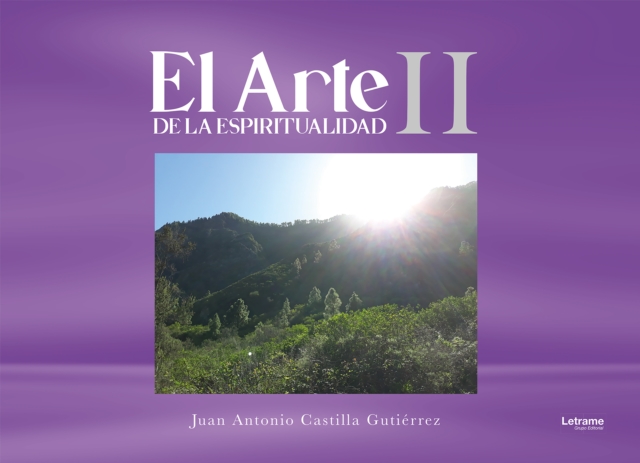
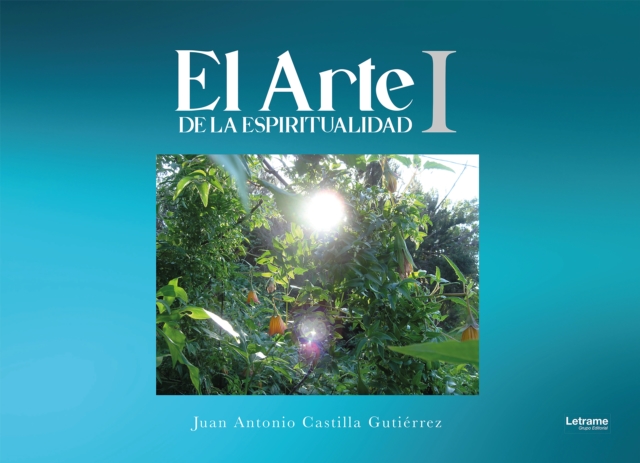
Viaje hacia la espiritualidad y el conocimiento existencial del autor, tanto de hechos cotidianos extraordinarios, como de percepciones de un pasado remoto, con especial referencia a sus propias raices guanches y tambien a recuerdos de la enigmatica Atlantida.
Viaje hacia la espiritualidad y el conocimiento existencial del autor, tanto de hechos cotidianos extraordinarios, como de percepcionesde un pasado remoto, con especial referencia a sus propias raices guanches y tambien a recuerdos de la enigmatica Atlantida.
Ein auergewohnlicher Dialog uber die chinesische Gegenwartskunst: Der Kunstler und Kurator Andreas Schmid, Mitinitiator der legendaren Ausstellung China Avantgarde (1993), trifft auf die in Peking geborene Kuratorin und Professorin Mi You.
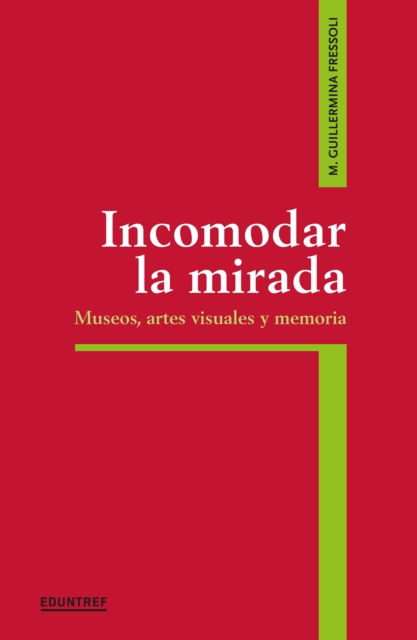
"La construcción de la mirada recorre las reflexiones que descubren a los materiales museográficos y de las artes visuales que Guillermina Fressoli elige para entrometerse en el recuerdo de sujetos particulares y colectivos, que señalan y rememoran, en sus obras, las figuras desdichadas del tiempo y el espacio acontecido como puente para la reflexión de lo sensible.
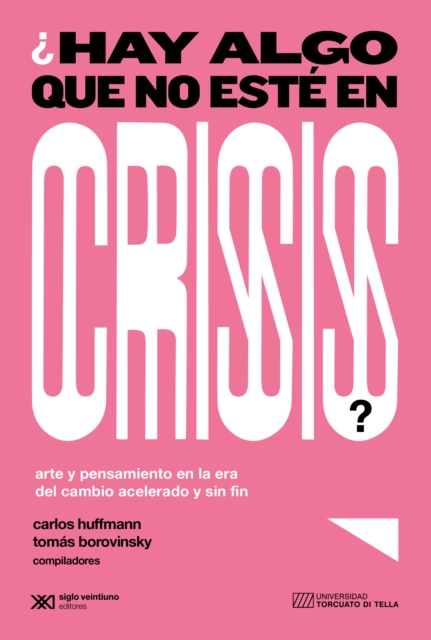
Inteligencia artificial en todas partes, crisis climática, líderes autoritarios y democracias en cuestión, guerras, precariedad social: ¿hay algo que siga en pie en este presente sísmico?
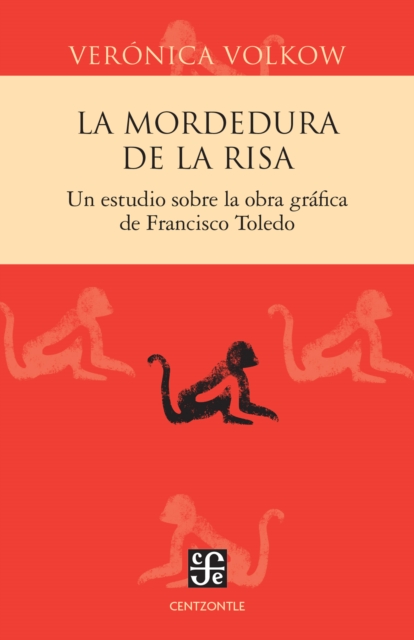
La obra reune una coleccion de ensayos que tienen la intencion de aproximar al lector a la obra grafica que Toledo realizo entre 1959 y 1972, para ello la autora -poeta y ensayista- recurre a una prosa fluida y admirable, llena de imagenes y sensibilidad, en la que tambien aparecen reflexiones sobre otros pintores (desde el Bosco hasta Antonio Ruiz).
Anécdotas científicas y hechos históricos increíbles nos ayudan a descubrir secretos de nuestra dieta y a cuestionar nuestra conexión con las especies que nos rodean.
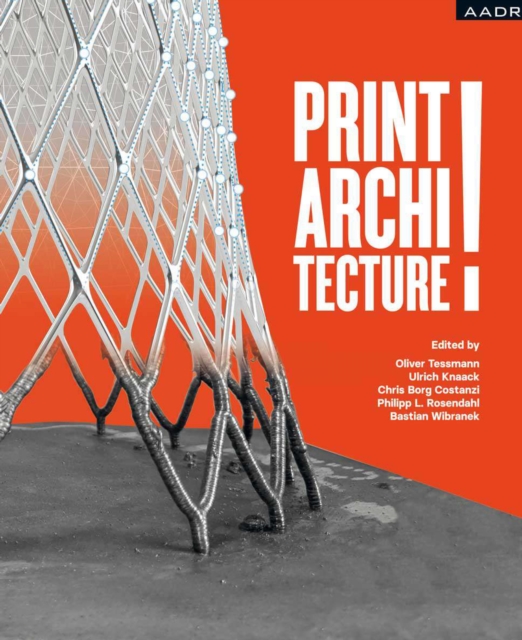
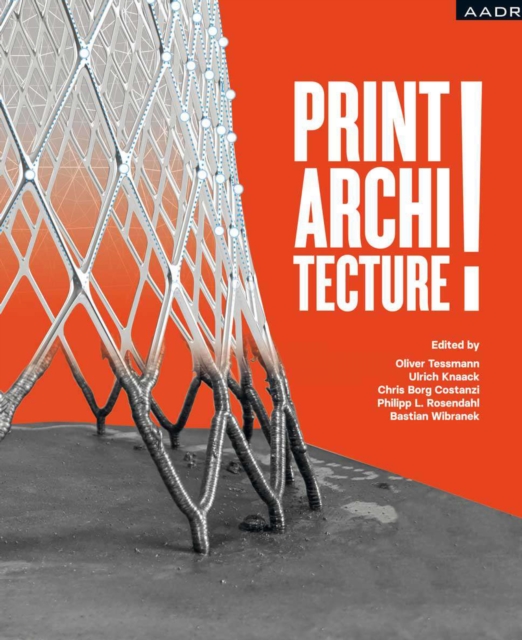
We live in a time when 3D printing has matured from a hobbyist and prototyping tool to a technology with potential to disrupt entire industries in and around the built environment.
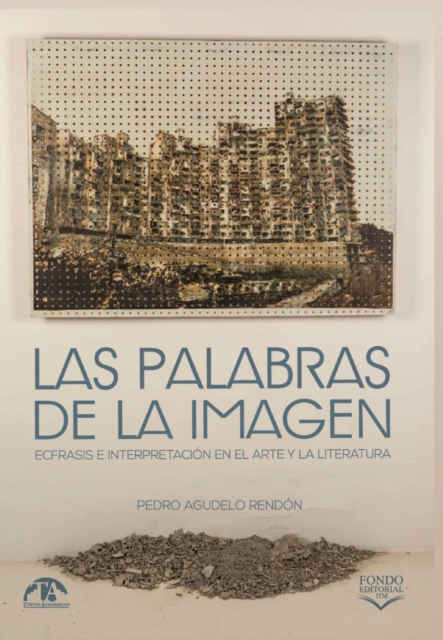
Este texto que el lector tiene en sus manos plantea algunas reflexiones sobre las relaciones entre arte y literatura, poniendo el acento en varios conceptos centrales como ecfrasis, narracion, vision, imagen y figuracion, entre otros.
Hablar de la historia de Radio Beethoven es hablar de la historia de nuestro pais; de altos y bajos; de despedidas y reencuentros; de incertidumbres y convicciones claras.
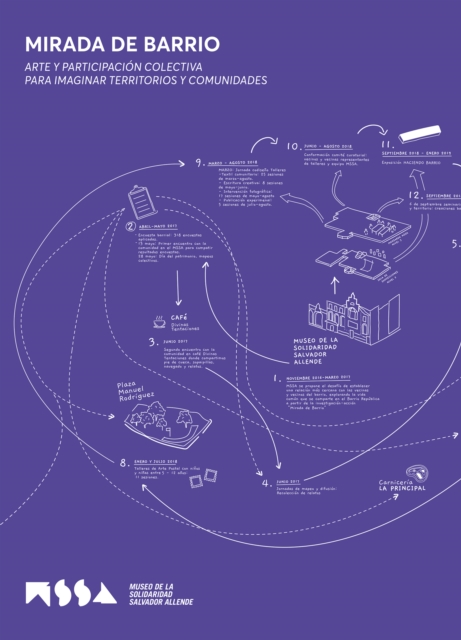
Con un acento en el arte, esta publicacion recoge las experiencias participativas exploradas en Mirada de Barrio, un proyecto de investigacion-accion iniciado por el area de Programas Publicos del Museo de la Solidaridad Salvador Allende (MSSA), junto a vecinas y vecinos del Barrio Republica en Santiago de Chile.
We live in a time when 3D printing has matured from a hobbyist and prototyping tool to a technology with potential to disrupt entire industries in and around the built environment.
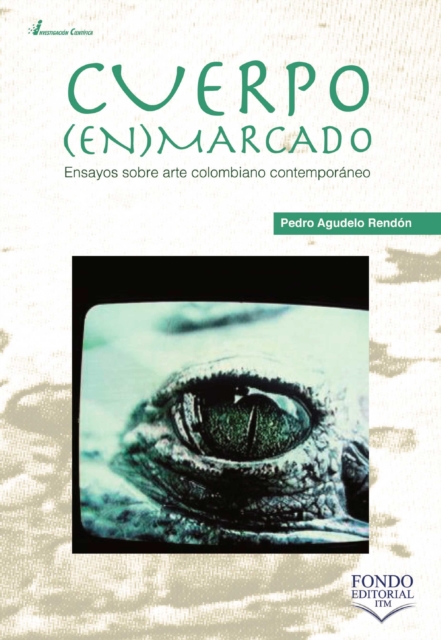
En este texto se revisa las practicas artisticas, los cambios de perspectiva y sus implicaciones en la representacion y presentacion del cuerpo, con el fin de ampliar el campo de comprension de la historia del arte en Colombia.
Los rostros de Morfeo es una reflexión sobre conceptos centrales del cine de no ficción, tales como "imagen", "realidad", "ficción", "objetividad", "subjetividad", entre otros.
A través del diálogo con ocho artistas de diferentes partes del mundo, este libro se adentra en aspectos del arte digital contemporáneo y del uso de Instagram como un repositorio y espacio para la interacción entre los artistas y el público.
Por un lado Donald Trump haciendo su típico baile en plena campaña electoral mientras suena una famosa canción de Village People; por el otro, el colectivo chileno Lastesis llevando adelante su intervención estético-política Un violador en tu camino.
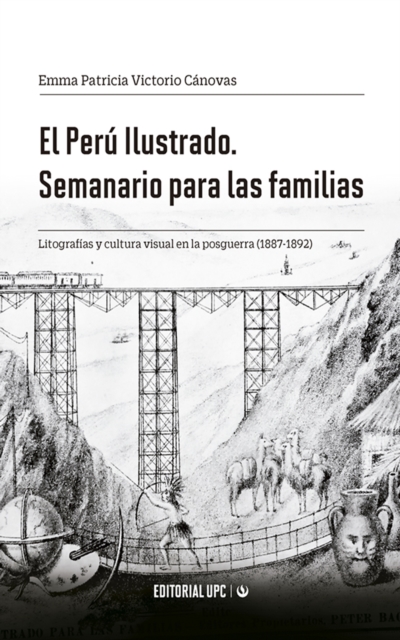
A mediados del siglo XIX, gracias a la invención de la fotografía y al desarrollo de la litografía, surgieron diarios, periódicos y revistas con ilustraciones que ocuparon un lugar importante en el impreso.
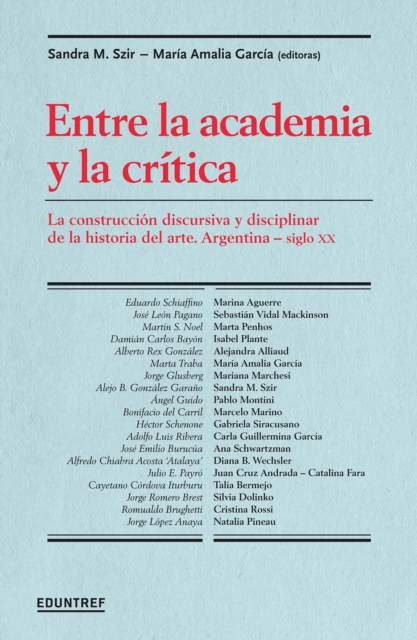
Este libro busca comenzar a saldar una deuda de la disciplina con su propia historia y apunta a reflexionar y poner en valor la historia del arte en el contexto de las ciencias sociales y humanas, y del analisis cultural general.
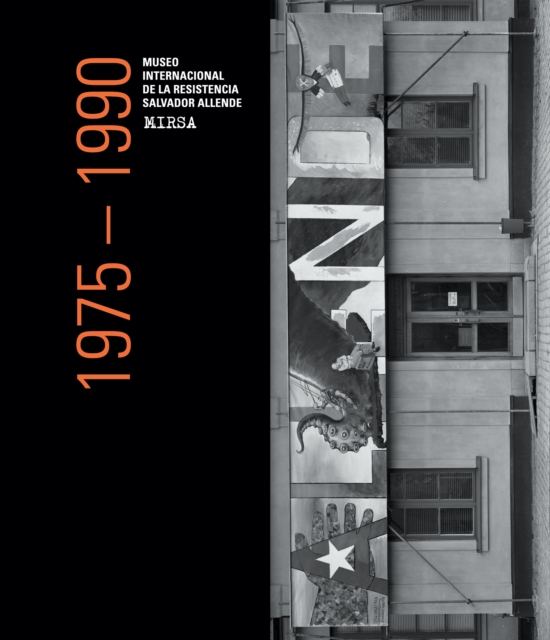
El catálogo razonado "Museo Internacional de la Resistencia Salvador Allende MIRSA, 1975-1990", es resultado de un proyecto de investigación de tres años que contó con el apoyo del Fondo Nacional de Desarrollo Cultural y las Artes del CNCA.
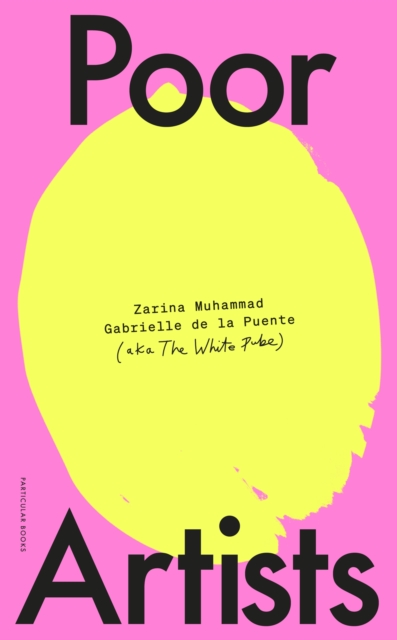
SHORTLISTED FOR THE GORDON BURN PRIZESHORTLISTED FOR THE BREAD AND ROSES AWARD FOR RADICAL PUBLISHING 'Irreverent, provocative and funny' Dazed'This book might change the way you look at art, or change the way you feel it' Daisy Hildyard'A full-throated defence of the inherent value of making, experiencing and talking about art' Frieze'Let me stay there, let me paint.