Drawing on his own experiences and inspirations - from staging his first exhibition in his tiny Zurich kitchen in 1986 to encounters and conversations with artists, exhibition makers and thinkers alive and dead - Hans Ulrich Obrist's Ways of Curating looks to inspire all those engaged in the creation of culture.
Breakfast at Sotheby's is a wry, intimate, truly insider-y exploration of how art acquires its financial value, from Philip Hook, a senior director at Sotheby'sWhen you stand in front of a work of art in a museum or exhibition, the first two questions you normally ask yourself are 1) Do I like it?
Jeff Goins dismantles the myth that being creative is a hindrance to success by revealing how an artistic temperament is a competitive advantage in the marketplace.
A provocative and challenging new conceptual framework for the study of imagesThis book builds on the groundbreaking theoretical framework established in Whitney Davis's acclaimed previous book, A General Theory of Visual Culture, in which he shows how certain culturally constituted aspects of artifacts and pictures are visible to informed viewers.
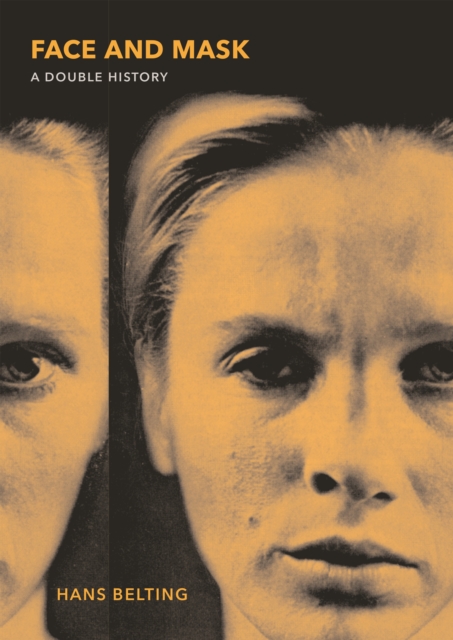
A cultural history of the face in Western art, ranging from portraiture in painting and photography to film, theater, and mass mediaThis fascinating book presents the first cultural history and anthropology of the face across centuries, continents, and media.
A trailblazing look at the historical emergence of a global field in contemporary art and the diverse ways artists become valued worldwidePrior to the 1980s, the postwar canon of ';international' contemporary art was made up almost exclusively of artists from North America and Western Europe, while cultural agents from other parts of the world often found themselves on the margins.
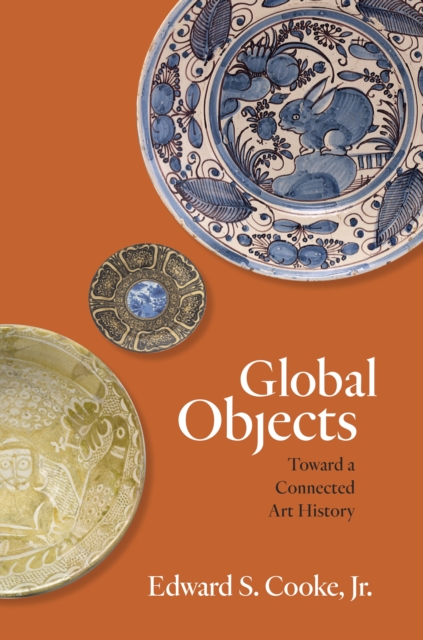
A bold reorientation of art history that bridges the divide between fine art and material culture through an examination of objects and their usesArt history is often viewed through cultural or national lenses that define some works as fine art while relegating others to the category of craft.
From the celebrated cultural historian and bestselling author, a provocative history of the evolution of our ideas about art since the early nineteenth centuryIn this witty, provocative, and learned book, acclaimed cultural historian and writer Jacques Barzun traces our changing attitudes to the arts over the past 150 years, suggesting that we are living in a period of cultural liquidation, nothing less than the ending of the modern age that began with the Renaissance.
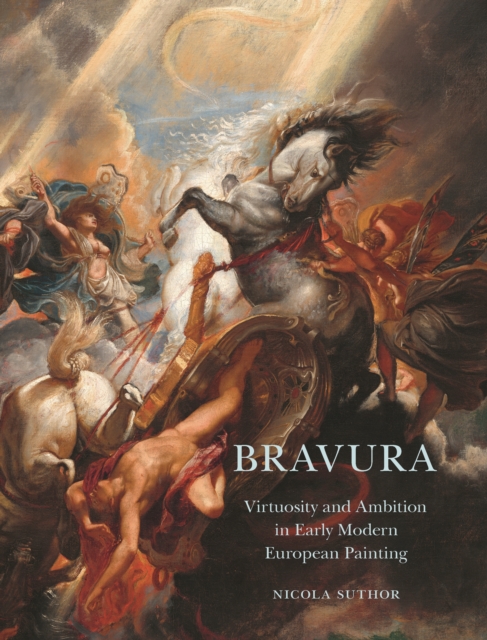
The first major history of the bravura movement in European paintingThe painterly style known as bravura emerged in sixteenth-century Venice and spread throughout Europe during the seventeenth century.
The classic and provocative account of how art changed irrevocably with pop art and why traditional aesthetics can't make sense of contemporary artA classic of art criticism and philosophy, After the End of Art continues to generate heated debate for its radical and famous assertion that art ended in the 1960s.
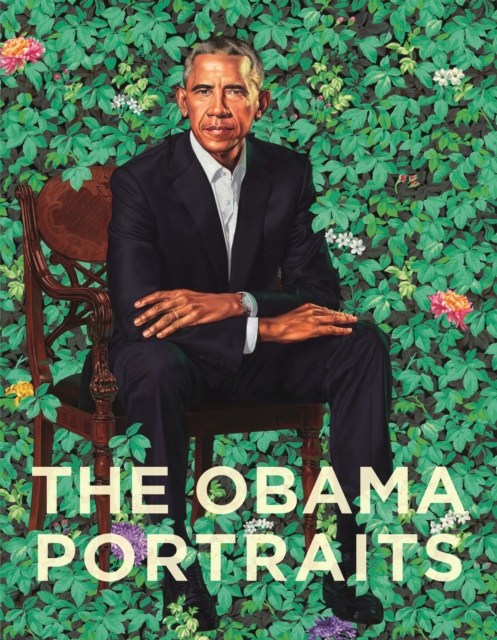
A richly illustrated celebration of the paintings of President Barack Obama and First Lady Michelle Obama From the moment of their unveiling at the National Portrait Gallery in early 2018, the portraits of Barack and Michelle Obama have become two of the most beloved artworks of our time.
A classic work on radical aesthetics by one of the great philosophers of the early twentieth century No work of philosopher and essayist Jose Ortega y Gasset has been more frequently cited, admired, or criticized than his response to modernism, "e;The Dehumanization of Art.
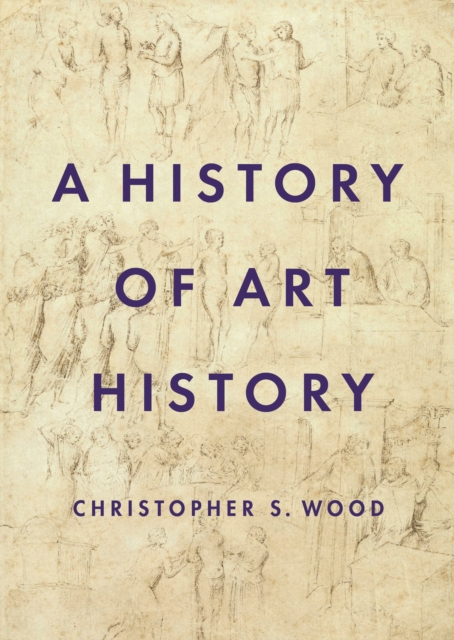
An authoritative history of art history from its medieval origins to its modern predicamentsIn this wide-ranging and authoritative book, the first of its kind in English, Christopher Wood tracks the evolution of the historical study of art from the late middle ages through the rise of the modern scholarly discipline of art history.
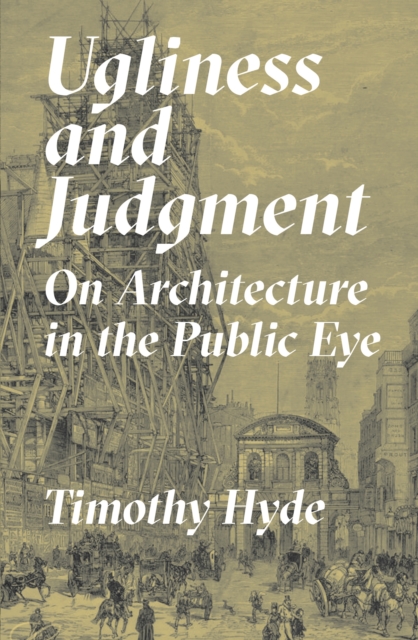
A novel interpretation of architecture, ugliness, and the social consequences of aesthetic judgmentWhen buildings are deemed ugly, what are the consequences?
'I wrote my thesis because it seemed incredible that a nineteenth century cleric could believe that paintings had the power to civilise his community of London's poorest.
A revisionist reading of modern art that examines how artworks are captured as property to legitimize powerIn this provocative new account, David Joselit shows how art from the nineteenth to the twenty-first centuries began to function as a commodity, while the qualities of the artist, nation, or period themselves became valuable properties.
The first major history of the bravura movement in European paintingThe painterly style known as bravura emerged in sixteenth-century Venice and spread throughout Europe during the seventeenth century.
Hollywood, Interrupted is a sometimes frightening, occasionally sad, and frequently hysterical odyssey into the darkest realms of showbiz pathology, the endless stream of meltdowns and flameouts, and the inexplicable behavior on the part of show business personalities.
AFRICAN AMERICAN HISTORY COMES TO LIFE Discover why young people all over the country are reading the Black Stars biographies of African American heroes.
The Companion provides an accessible critical survey of Western visual art theory from sources in Classical, Medieval and Renaissance thought through to contemporary writings.
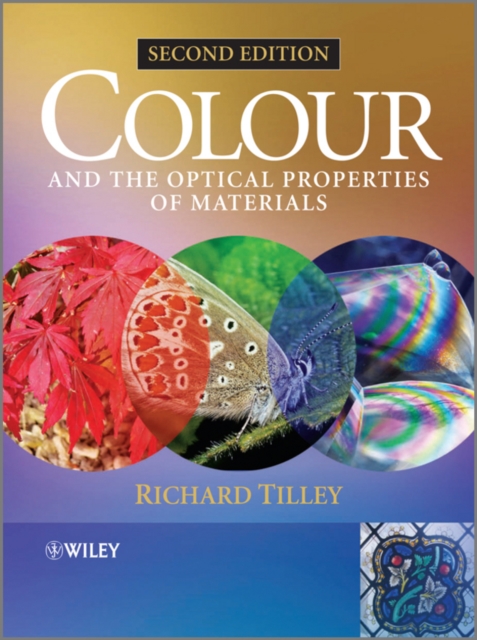
Colour and the Optical Properties of Materials carefully introduces the science behind the subject, along with many modern and cutting-edge applications, chosen to appeal to today's students.
Art and Thought is a collection of newly commissioned essays that explores the relationship between the discipline of art history and important movements in the history of western thought.
Art's Agency and Art History re-articulates the relationship of the anthropology of art to key methodological and theoretical approaches in art history, sociology, and linguistics.
Interpretation and Construction examines the interpretation and products of intentional human behavior, focusing primarily on issues in art, law, and everyday speech.
Bringing together essays by museum professionals and academics from both sides of the Atlantic, Art and its Publics tackles current issues confronting the museum community and seeks to further the debate between theory and practice around the most pressing of contemporary concerns.
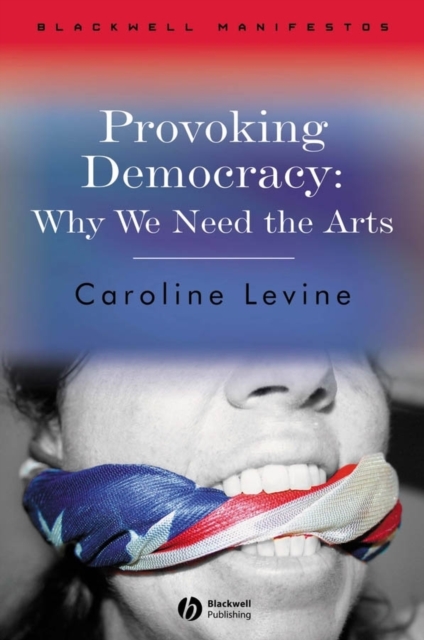
A provocative and compelling book that explores the complex relationship between democracy and avant-garde art, offering a surprising new perspective on the critical role that the arts play in democratic governance at home and abroad.
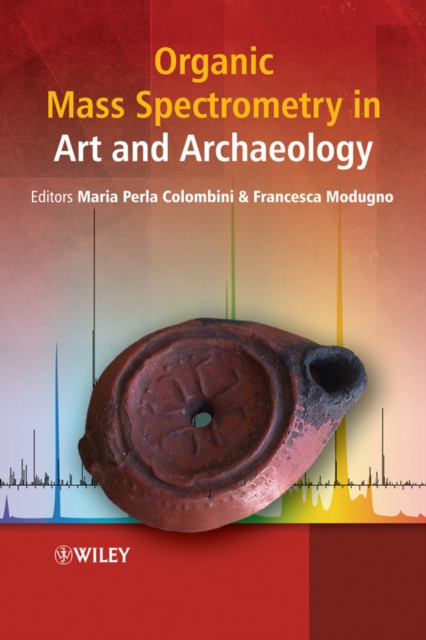
Offers an overview of the analysis of art and archaeological materials using techniques based on mass spectrometry Illustrates basic principles, procedures and applications of mass spectrometric techniques.
Psychoanalysis and the Image brings together an influential team of international scholars who demonstrate innovative ways to apply psychoanalytical resources in the study of international modern art and visual representation.
The latest tips and techniques for working with pastels - in full color Pastels offer bright colors, a great level of portability, and no drying time - plus they're relatively inexpensive and can be used to draw and paint on almost any surface.
The latest tips and techniques for working with pastels - in full color Pastels offer bright colors, a great level of portability, and no drying time - plus they're relatively inexpensive and can be used to draw and paint on almost any surface.
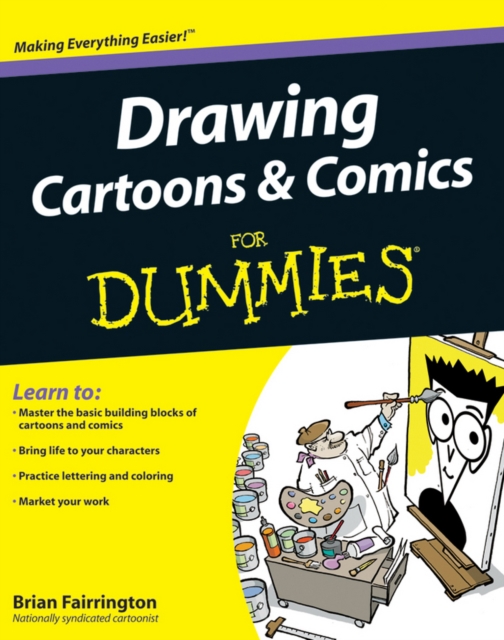
A unique reference for creating and marketing original cartoons and comics An original American art form, comics thrill millions of people across the globe.
A unique reference for creating and marketing original cartoons and comics An original American art form, comics thrill millions of people across the globe.
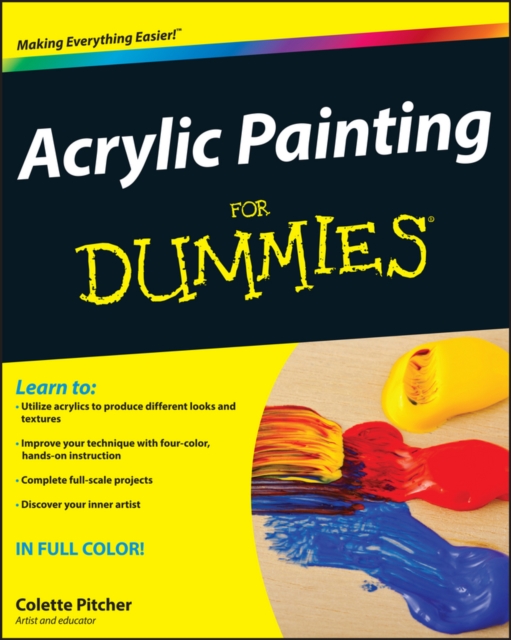
Hands-on, full-color instruction in this versatile painting medium Acrylic paint is easy to use, quick to dry, a cinch to clean up, and relatively inexpensive which makes it a great medium for amateur artists.
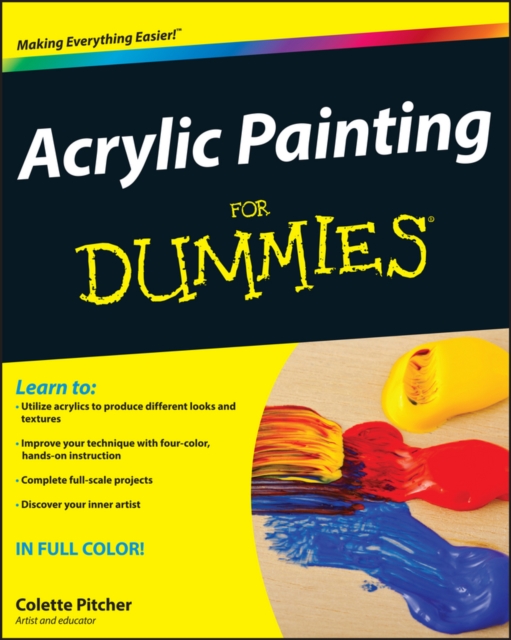
Hands-on, full-color instruction in this versatile painting medium Acrylic paint is easy to use, quick to dry, a cinch to clean up, and relatively inexpensive which makes it a great medium for amateur artists.
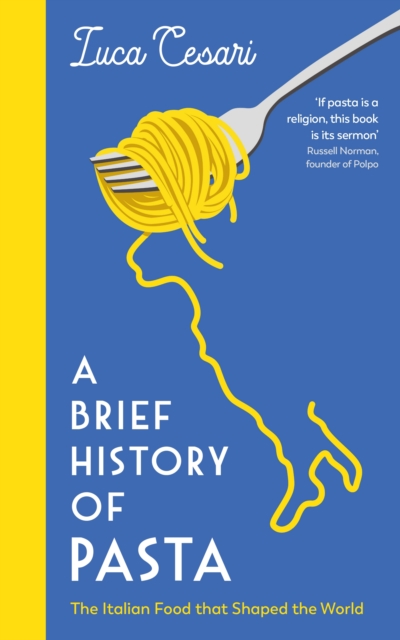
A Waterstones 'Best Books of 2022: Food and Drink'A Times Food and Drink Book of the Year 2022 and a Spectator Cook Book of the Year 2022A Stylist Christmas Gift Pick 2022'If pasta is a religion, this book is its sermon' Russell Norman, founder of Polpo and Brutto'Rewarding .