A Companion to Renaissance and Baroque Art provides a diverse, fresh collection of accessible, comprehensive essays addressing key issues for European art produced between 1300 and 1700, a period that might be termed the beginning of modern history.
The final installment in the critically-acclaimed trilogy on globalization and art explores the growing dominance of Asian centers of art This book takes readers on a fascinating journey around five Asian centers of contemporary art and its myriad institutions, agents, forms, materials, and languages, while posing vital questions about the political economy of culture and the power of visual art in a multi-polar world.
The final installment in the critically-acclaimed trilogy on globalization and art explores the growing dominance of Asian centers of art This book takes readers on a fascinating journey around five Asian centers of contemporary art and its myriad institutions, agents, forms, materials, and languages, while posing vital questions about the political economy of culture and the power of visual art in a multi-polar world.
Richly illustrated, and featuring detailed descriptions of works by pivotal figures in the Italian Renaissance, this enlightening volume traces the development of art and architecture throughout the Italian peninsula in the fifteenth and sixteenth centuries.
Richly illustrated, and featuring detailed descriptions of works by pivotal figures in the Italian Renaissance, this enlightening volume traces the development of art and architecture throughout the Italian peninsula in the fifteenth and sixteenth centuries.
This companion is a collection of newly-commissioned essays written by leading scholars in the field, providing a comprehensive introduction to British art history.
This companion is a collection of newly-commissioned essays written by leading scholars in the field, providing a comprehensive introduction to British art history.
An engaging account of today s contemporary art world that features original articles by leading international art historians, critics, curators, and artists, introducing varied perspectives on the most important debates and discussions happening around the world.
An engaging account of today s contemporary art world that features original articles by leading international art historians, critics, curators, and artists, introducing varied perspectives on the most important debates and discussions happening around the world.
This unique guide provides an artistic and archaeological journey deep into human history, exploring the petroglyphic and pictographic forms of rock art produced by the earliest humans to contemporary peoples around the world.
This unique guide provides an artistic and archaeological journey deep into human history, exploring the petroglyphic and pictographic forms of rock art produced by the earliest humans to contemporary peoples around the world.
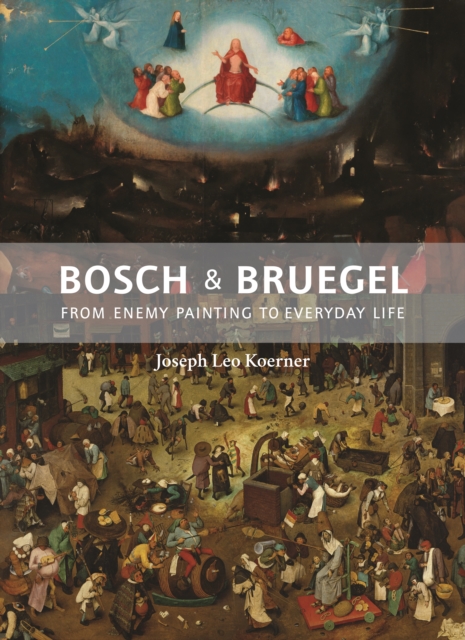
A bold new interpretation of two northern Renaissance mastersIn this visually stunning and much anticipated book, acclaimed art historian Joseph Koerner casts the paintings of Hieronymus Bosch and Pieter Bruegel in a completely new light, revealing how the painting of everyday life was born from what seems its polar opposite: the depiction of an enemy hell-bent on destroying us.
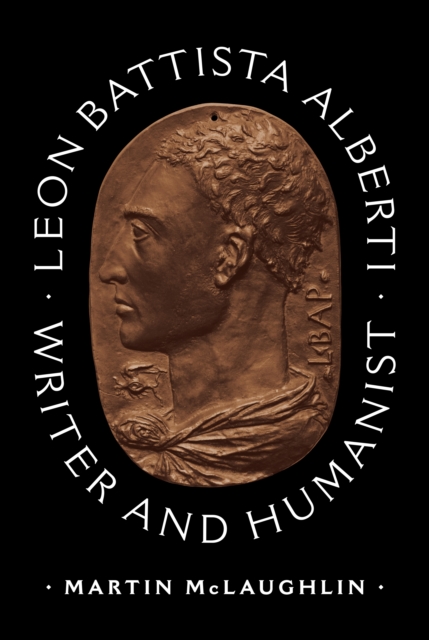
The first book in English to examine Leon Battista Alberti's major literary works in Latin and Italian, which are often overshadowed by his achievements in architectureLeon Battista Alberti (14041472) was one of the most prolific and original writers of the Italian Renaissancea fact often eclipsed by his more celebrated achievements as an art theorist and architect, and by Jacob Burckhardt's mythologizing of Alberti as a Renaissance or Universal Man.
A beautifully illustrated history of Indigenous tattooing practices around the worldTattooing within Indigenous communities is a time-honored practice that binds the tattoo recipient to a deeply felt collective history.
A thought-provoking study of how knowledge of provenance was not transferred with enslaved people and goods from the Portuguese trading empire to Renaissance ItalyIn the fifteenth and sixteenth centuries, Renaissance Italy received a bounty of goods from Portuguese trading voyagesfruits of empire that included luxury goods, exotic animals and even enslaved people.
'A book about a strange form of pop art where the criminal and the celebrity meet'Jeremy Deller'I've been waiting for a book like this for years, and this is the best I could have hoped for.
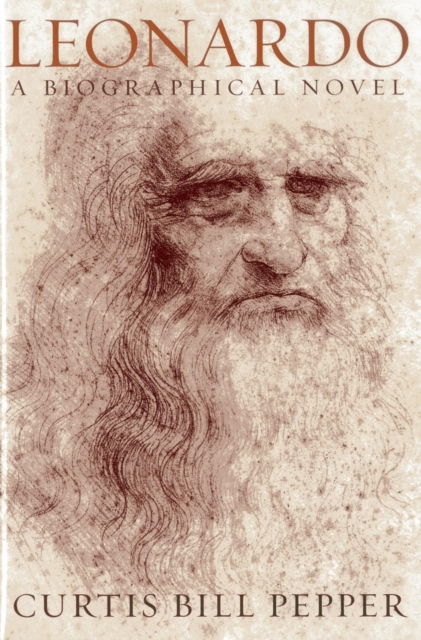
This compelling novel takes the reader into the tumultuous period of the Renaissance and the origins of Leonardo da Vinci, the bastard child of a notary.
A visit to an art gallery can be a baffling experience - a bewildering parade of paintings, sculptures, artists and movements with little perspective on how they all fit together.
Christianity Today Book of the Year Award of Merit - Culture and the ArtsFor many Christians, engaging with modern art raises several questions: Is the Christian faith at odds with modern art?
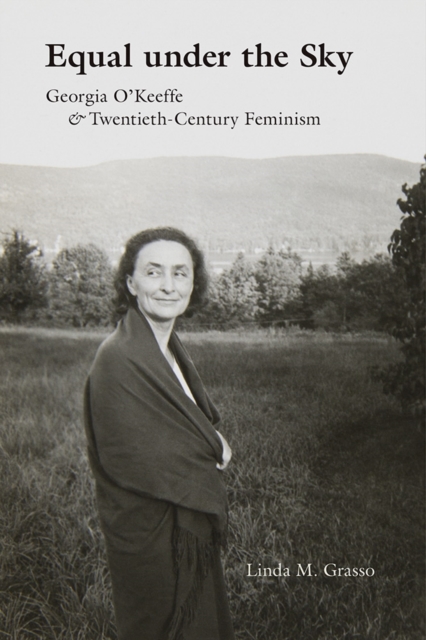
Equal under the Sky is the first historical study of Georgia O'Keeffe's complex involvement with, and influence on, US feminism from the 1910s to the 1970s.
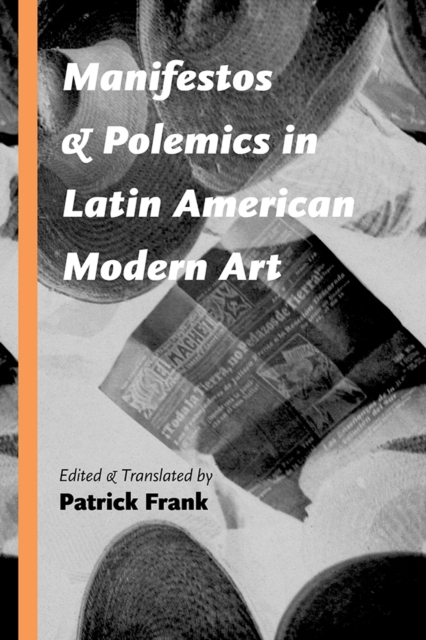
Bringing together sixty-five primary documents vital to understanding the history of art in Latin America since 1900, Patrick Frank shows how modern art developed in Latin America in this important new work complementing his previous book, Twentieth-Century Art of Latin America, Revised and Expanded Edition.
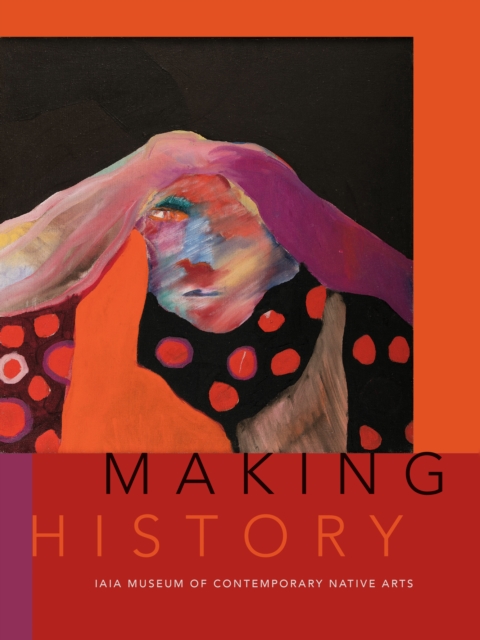
Making History: The IAIA Museum of Contemporary Native Arts is a unique contribution to the fields of visual culture, arts education, and American Indian studies.
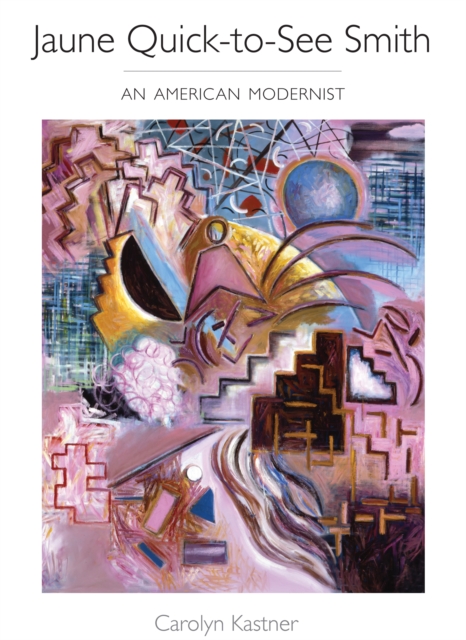
The first full-length critical analysis of the paintings of Jaune Quick-to-See Smith, this book focuses on Smith's role as a modernist in addition to her status as a wellknown Native American artist.
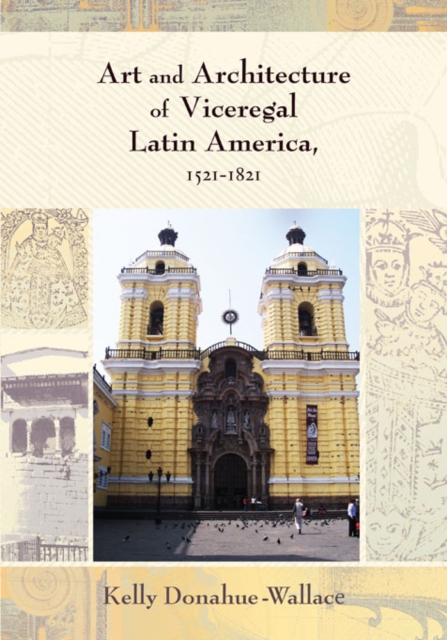
Kelly Donahue-Wallace surveys the art and architecture created in the Spanish Viceroyalties of New Spain, Peru, New Granada, and La Plata from the time of the conquest to the independence era.
Amanifesto and impassioned plea for artistic excellence When he attended The Cooper Union in the late 1960s, artist Robert Florczak navigated a world of avant-garde experimentation, where modern art reigned supreme.
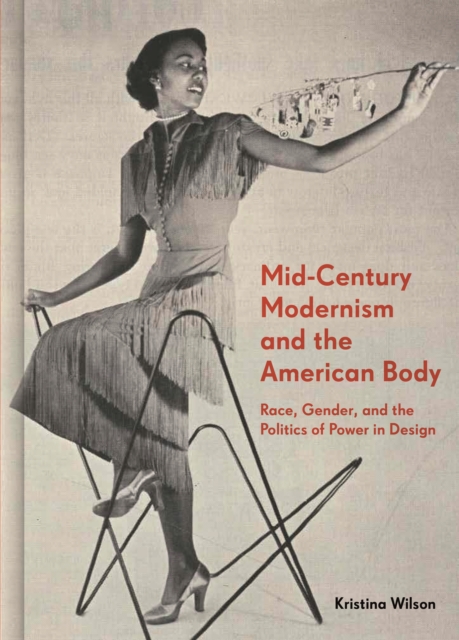
The first investigation of how race and gender shaped the presentation and marketing of Modernist decor in postwar AmericaIn the world of interior design, mid-century Modernism has left an indelible mark still seen and felt today in countless open-concept floor plans and spare, geometric furnishings.
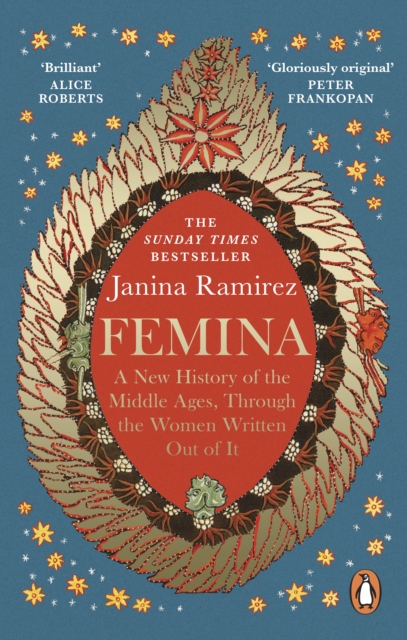
THE INSTANT SUNDAY TIMES BESTSELLERLONGLISTED FOR THE CUNDILL HISTORY PRIZE'Revelatory' GUARDIAN'A firecracker somehow captured between two covers' LUCY WORSLEYAn instant bestseller and one of the most celebrated history books of the year, Femina reveals the power and influence of medieval women who have been written out of our history.
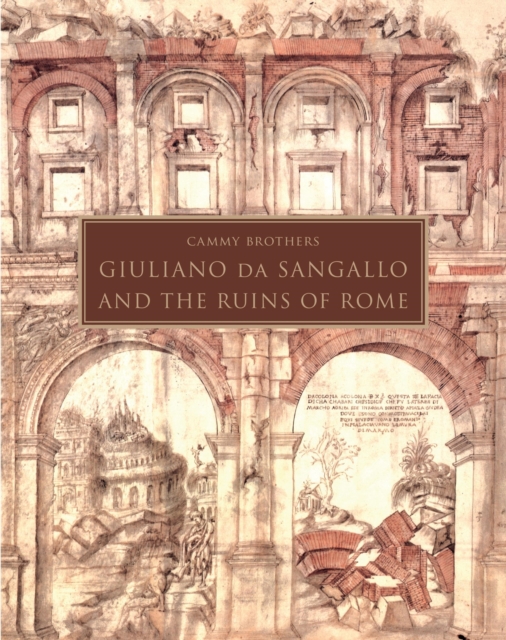
An illuminating reassessment of the architect whose innovative drawings of ruins shaped the enduring image of ancient RomeGiuliano da Sangallo (1443-1516) was one of the first architects to draw the ruins and artifacts of ancient Rome in a systematic way.