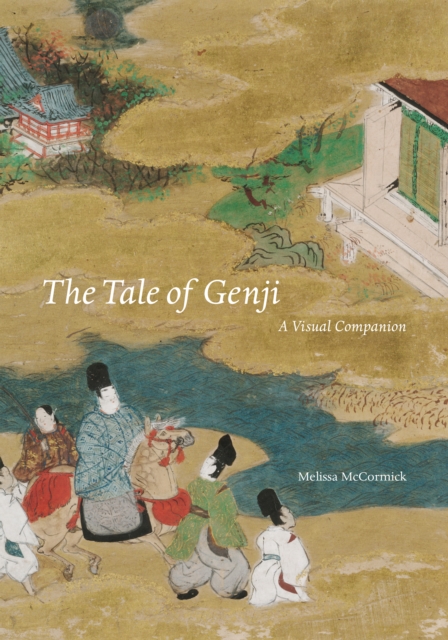
An illustrated guide to one of the most enduring masterworks of world literatureWritten in the eleventh century by the Japanese noblewoman Murasaki Shikibu, The Tale of Genji is a masterpiece of prose and poetry that is widely considered the world's first novel.
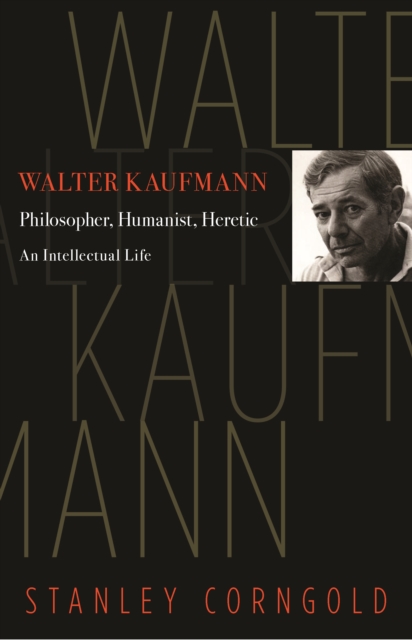
The first complete account of the ideas and writings of a major figure in twentieth-century intellectual lifeWalter Kaufmann (1921-1980) was a charismatic philosopher, critic, translator, and poet who fled Nazi Germany at the age of eighteen, emigrating alone to the United States.
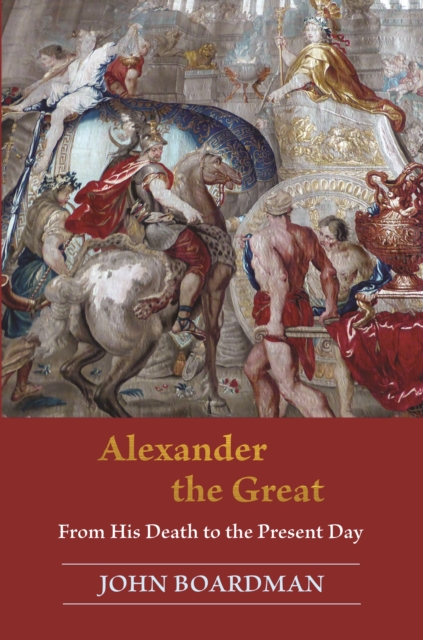
An illustrious scholar presents an elegant, concise, and generously illustrated exploration of Alexander the Great's representations in art and literature through the agesJohn Boardman is one of the world's leading authorities on ancient Greece, and his acclaimed books command a broad readership.
A magisterial study of celebrated photographer Walker EvansWalker Evans (1903-75) was a great American artist photographing people and places in the United States in unforgettable ways.
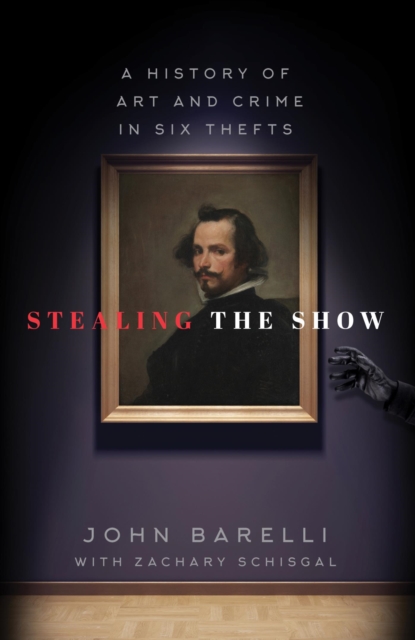
When he retired as the chief security officer of New York Citys Metropolitan Museum of Art, John Barelli had spent the better part of forty years responsible not only for one of the richest treasure troves on the planet, but the museums staff, the millions of visitors, as well as American presidents, royalty, and heads of state from around the world.
'A celebration of the overlooked artistry in crafts practised across the world'THE TIMES'Clare Hunter is out to reclaim the joy of making for the masses.
'I wrote my thesis because it seemed incredible that a nineteenth century cleric could believe that paintings had the power to civilise his community of London's poorest.
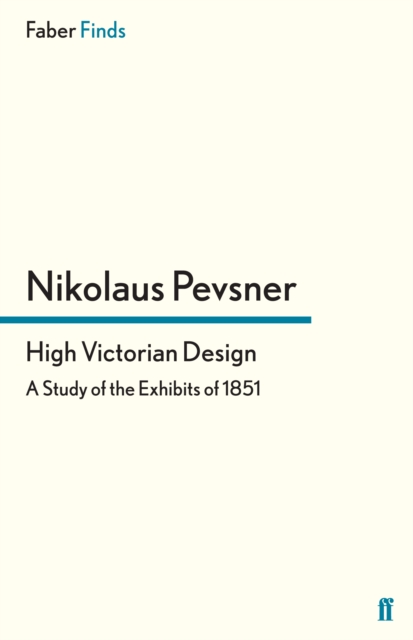
'Thirst for information, faith in commerce and industry, inventiveness and technical daring, energy and tenacity, and a tendency to mix up religion with visible success - all these qualities have to be remembered as one embarks on a conducted tour of some of the exhibits of 1851.
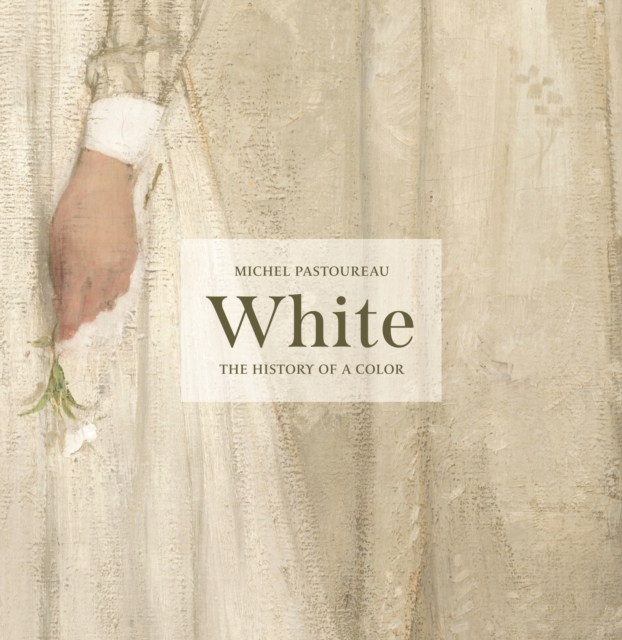
From the acclaimed author of Blue, a beautifully illustrated history of the color white in visual culture, from antiquity to todayAs a pigment, white is often thought to represent an absence of color, but it is without doubt an important color in its own right, just like red, blue, green, or yellowand, like them, white has its own intriguing history.
A revisionist reading of modern art that examines how artworks are captured as property to legitimize powerIn this provocative new account, David Joselit shows how art from the nineteenth to the twenty-first centuries began to function as a commodity, while the qualities of the artist, nation, or period themselves became valuable properties.
In this bold exploration of the political forces that shaped Impressionism, Albert Boime proposes that at the heart of the modern is a "e;guilty secret"e;--the need of the dominant, mainly bourgeois, classes in Paris to expunge from historical memory the haunting nightmare of the Commune and its socialist ideology.
An illustrated guide to one of the most enduring masterworks of world literatureWritten in the eleventh century by the Japanese noblewoman Murasaki Shikibu, The Tale of Genji is a masterpiece of prose and poetry that is widely considered the world's first novel.
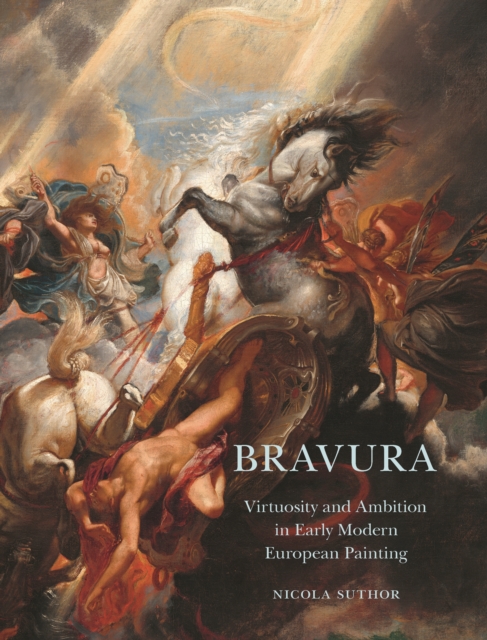
The first major history of the bravura movement in European paintingThe painterly style known as bravura emerged in sixteenth-century Venice and spread throughout Europe during the seventeenth century.
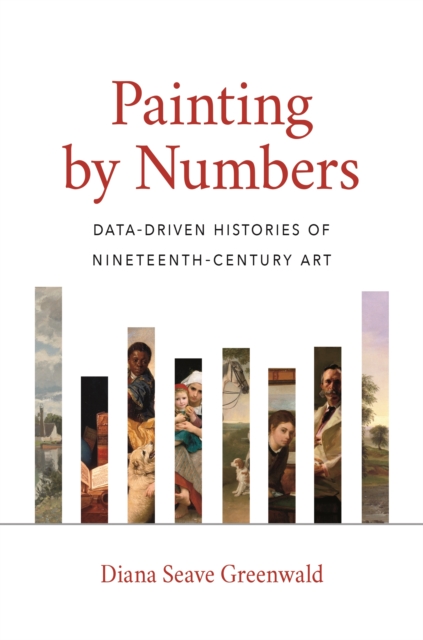
A pathbreaking history of art that uses digital research and economic tools to reveal enduring inequities in the formation of the art historical canonPainting by Numbers presents a groundbreaking blend of art historical and social scientific methods to chart, for the first time, the sheer scale of nineteenth-century artistic production.
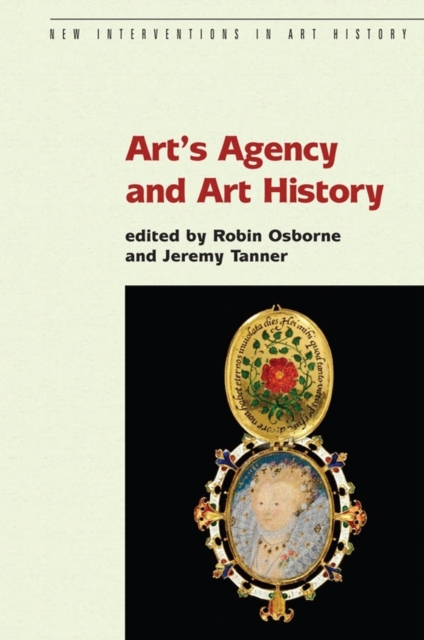
Art's Agency and Art History re-articulates the relationship of the anthropology of art to key methodological and theoretical approaches in art history, sociology, and linguistics.
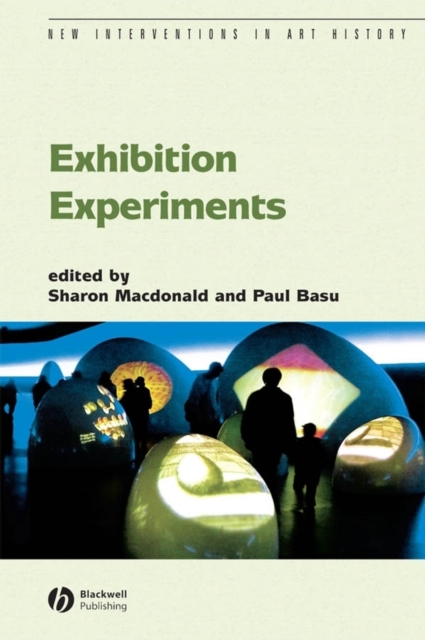
Exhibition Experiments is a lively collection that considers experiments with museological form that challenge our understanding of - and experience with - museums.
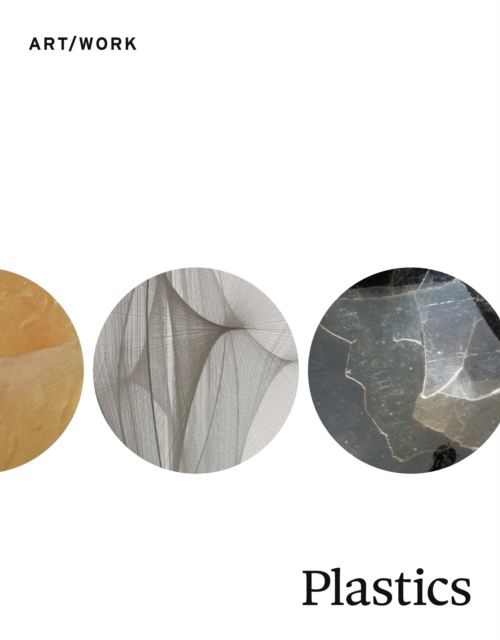
Why modern and contemporary artand art conservationcan't be understood without taking account of the revolutionary impact of plasticsModern and contemporary art wouldn't exist without the invention of plastics.
'This gripping book is destined to become THE book about Andrew Tate' Jon Ronson'A fascinating and disturbing investigation' Ian HislopThe behind-the-scenes story of a four-year investigation into Andrew Tate, exploring how a failed reality TV star turned accused organised criminal managed to become one of the most famous influencers in the world.
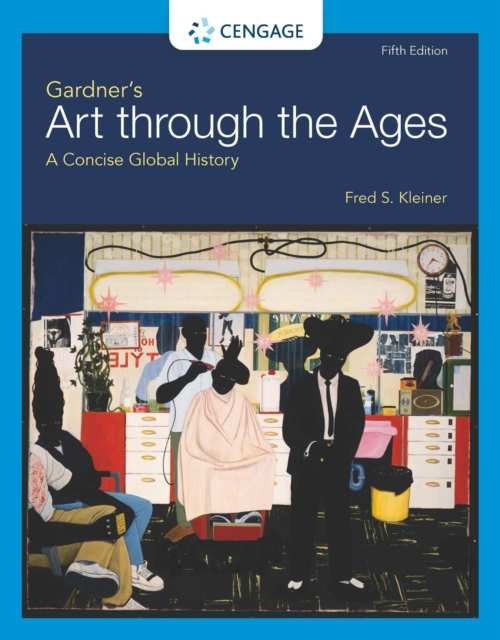
Gain an understanding of and appreciation for historically significant works of art from around the world with GARDNER'S ART THROUGH THE AGES: A CONCISE GLOBAL HISTORY, 5E.
**Order Beth Kempton's new book KOKORO: Japanese Wisdom for a Life Well Lived**'A truly transformative read' Sunday Times STYLE'More than ever, we need books like this' Jessica Seaton, Co-Founder of Toast and author of Gather, Cook, FeastA whole new way of looking at the world - and your life - inspired by centuries-old Japanese wisdom.
The concluding volume in the story of Yaichi, his daughter Kana, and how their meeting Mike Flanagan - Yaichi's brother-in-law - changes their lives and their perceptions of acceptance of homosexuality in their contemporary Japanese culture.
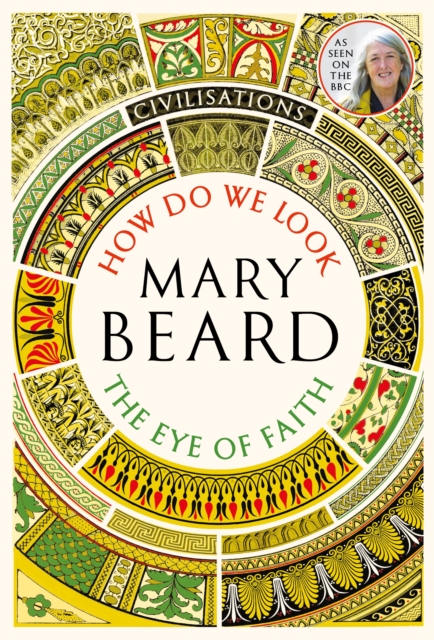
'The reigning Queen of Classics' Spectator'Mary Beard is the best in the business' Dan Snow'Excellent' Guardian'Enthralling' Sunday TimesBritain's most famous classicist asks: what are civilisations?
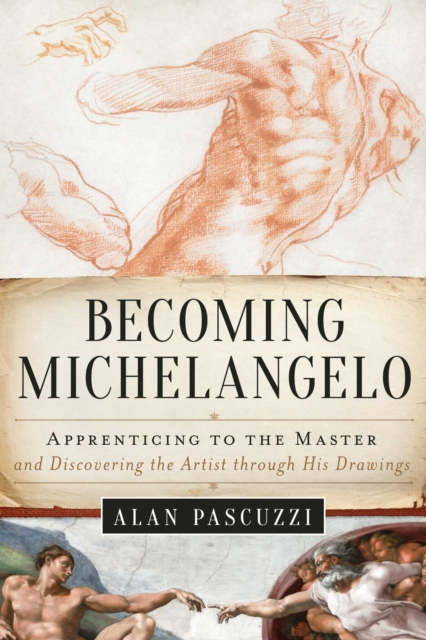
Michelangelo's developing genius is revealed as never before by the man who became Michelangelo's last apprentice an American artist and art historian whose family helped carve Mount Rushmore.
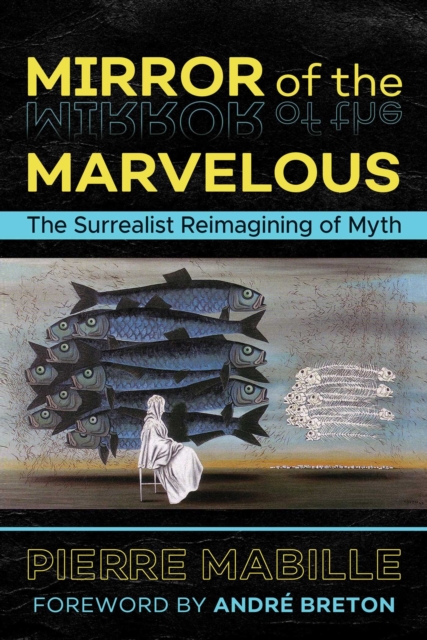
A surrealist exploration of the marvelous in ancient, classic, and modern works from around the world Long considered one of the most significant and original books to have come out of the surrealist movement Reveals the marvelous in works from William Blake, Edgar Allen Poe, William Shakespeare, Chrtien de Troyes, and Arthur Rimbaud; legends and folktales from around the world; classics from Ovid, Plato, and Apuleius; Masonic ritual texts, Mesopotamias Epic of Gilgamesh, the Popol-Vuh, Lewis Carolls Alice through the Looking Glass, Solomons Song of Songs, and Goethes Faust First published in French as Miroir du merveilleux in 1940, Mirror of the Marvelous has long been considered one of the most significant and original books to have come out of the surrealist movement and Anas Nin suggested it as a source of inspiration, far ahead of its time.
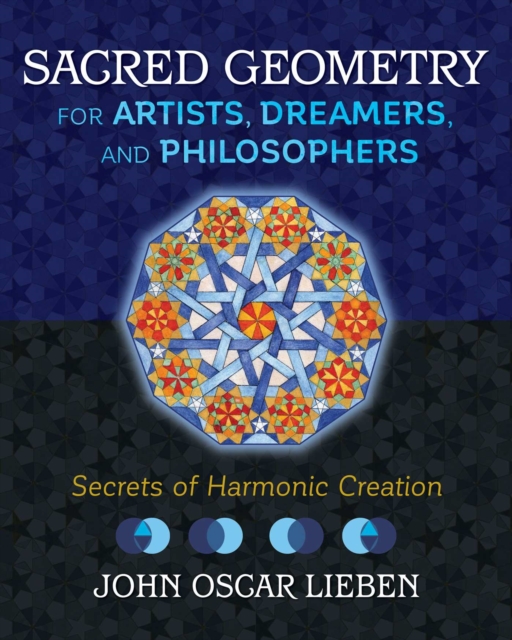
An illustrated guide to harmonics--the sacred geometry principles that underlie the natural world--and its practical applications Demonstrates how the vesica piscis is a matrix from which ideas and forms emanate, connecting cosmic time cycles, measures of space, and musical tones Provides harmonic analyses of ancient sculpture, architecture, the solar system, the Earth-Moon relationship, and the structure of water and waves Explains how to apply sacred geometry to create building floor plans, pottery figures, gardens, and sacred ceremonial spaces We are in the midst of a revival of an ancient way of looking at the world--an approach that enabled great civilizations of the past to bring forth inventions of great beauty and power.
A bold exploration of modern psychedelic culture, its history, and future Examines 3 modern psy-culture architects: chemist Alexander Sasha Shulgin, mycologist-philosopher Terence McKenna, and visionary artist Alex Grey Investigates the use of microdosing in extreme sports, the psy-trance festival experience, and the relationship between the ego, entheogens, and toxicity Presents a History of Visionary Art, from its roots in prehistory, to Ernst Fuchs and the Vienna School of the Fantastic, to contemporary psychedelic art After the dismantling of a major acid laboratory in 2001 dramatically reduced the world supply of LSD, the psychedelic revolution of the 1960s appeared to have finally run its course.
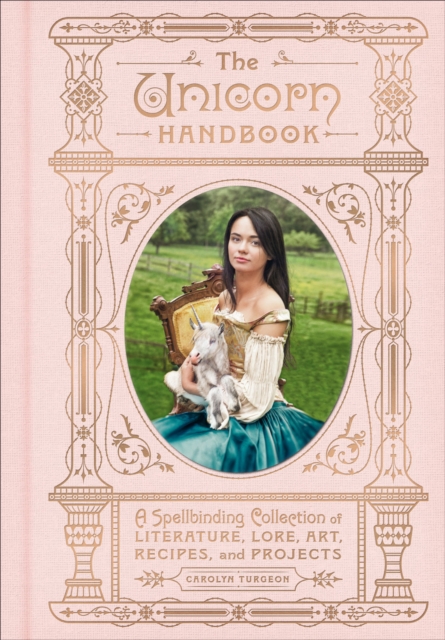
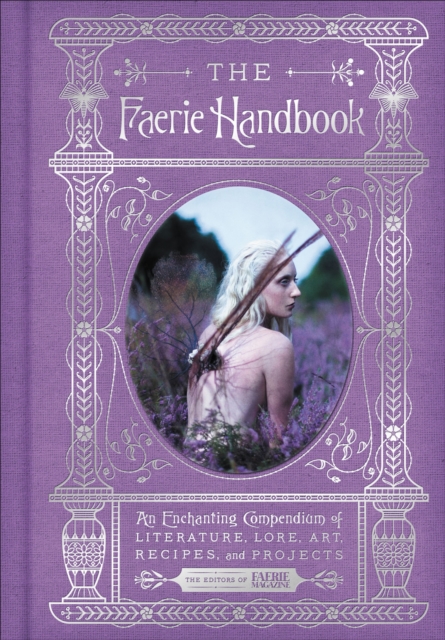
From Carolyn Turgeon, editor in chief of Enchanted Living and author of The Faerie Handbook and The Mermaid Handbook, comes this exquisitely illustrated and beautifully designed lifestyle compendium, a complete guide to the world of unicorns covering fashion and beauty; arts and culture; and home, food, and entertaining with step-by-step crafts and recipes.
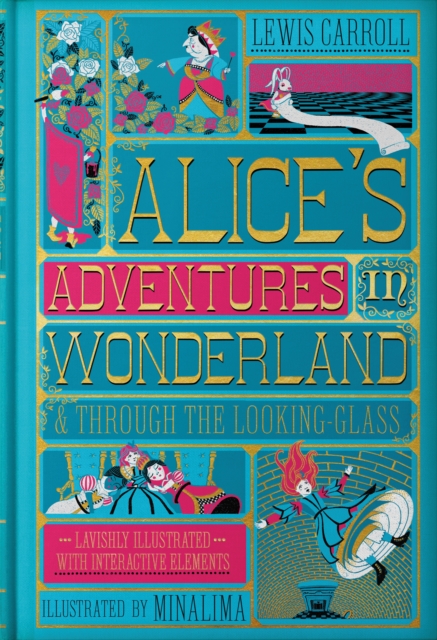
Lewis Carrolls beloved classic stories are reimagined in this deluxe illustrated gift edition from the award-winning design studio behind the graphics for the Harry Potter film franchise, MinaLimadesigned with stunning full color artwork and several interactive features.
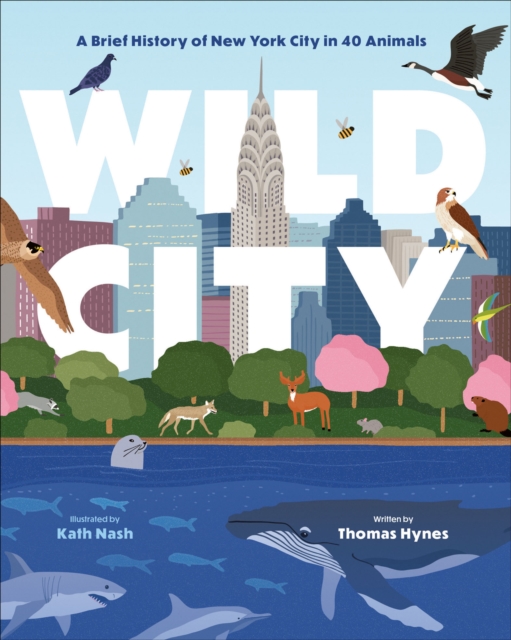
An illustrated guide to 40 of the most well-known, surprising, notorious, mythical, and sublime non-human citizens of New York City, and love letter to its surprising ecological diversity.
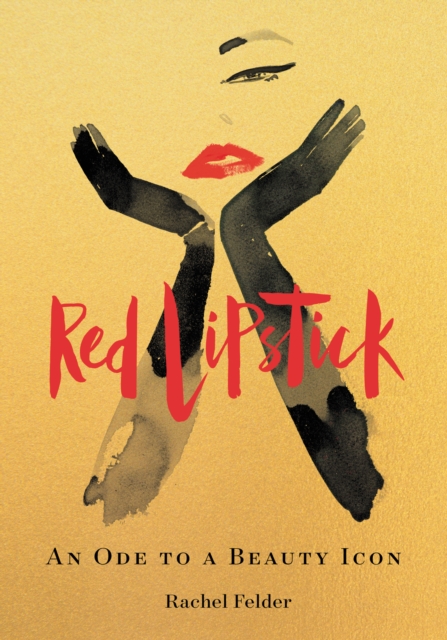
A unique, full-color compendium that celebrates and explores the enduring power and allure of the world's most iconic lip shade, jam-packed with entertaining stories, anecdotes, little-known facts, quotes, and more than 100 gorgeous images culled from fine art, photography, and beauty and fashion editorial and advertising.
A visual history of one of childhoods most beloved iconsthe Little Red Wagontold through a rich collection of photos and stories that highlight its unique place in American culture.
A collectible, four-color illustrated AZ treasury of gangster rappers, the hip-hop high-life, and notorious pop culture history, told through a series of graphic doodles on 3 x 3 sticky notes.
From one of the world's leading authorities on ancient Greek art, a groundbreaking account of how Greek images were understood and used by other ancient peoples, from Britain to ChinaIn this book, acclaimed archaeologist and art historian John Boardman explores Greek art as a foreign art transmitted to the non-Greeks of antiquity-peoples who weren't necessarily able to judge the meaning of Greek art and who may have regarded the Greeks themselves with great hostility.
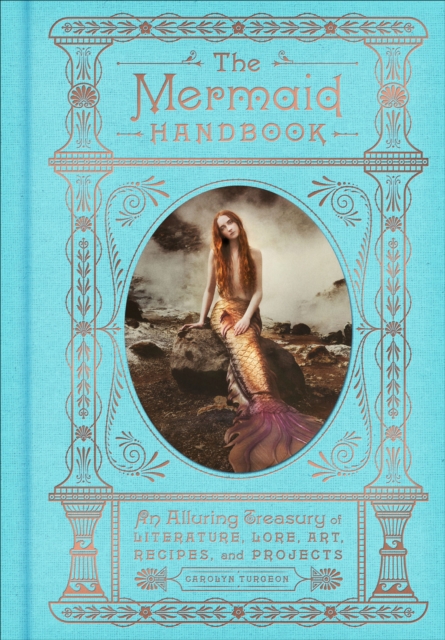
Answer the enchanting siren call of the mermaid with this comprehensive, lavishly illustrated and intricately designed one-of-a-kind lifestyle compendium from the editor in chief of Faerie Magazine and author of The Faerie Handbook and globally published novel Mermaid, packed with lore, legends, facts and trivia, beautiful illustrations, and numerous step-by-step projects and recipes.