FROM THE PULITZER PRIZE-WINNING AND MAN BOOKER-SHORTLISTED AUTHOR'Sparkles with brilliant observations on art and architecture, friendship and loss' Guardian'Everybody should get to spend a month with Mr.
Winner of the Whitbread Book of the Year 2005Shortlisted for the Samuel Johnson Prize 2005The second in Hilary Spurling's sweeping, two-volume biography of Henri Matisse, one of the most influential and beloved artists of the twentieth centuryThis fascinating exploration of Matisse's world uncovers the secret life of the artist, whose paintings shocked his contemporaries while paving the way for modern art.
Astonishing and essential, the biography that reclaimed Henri Matisse from history's slanders and restored his place in the canon of the 20th century's greatest artistsBefore acclaimed biographer Hilary Spurling turned her attention to Henri Mattise, precious few facts were known about his life - and those few were distorted by inaccuracy, misunderstanding and glaring gaps.
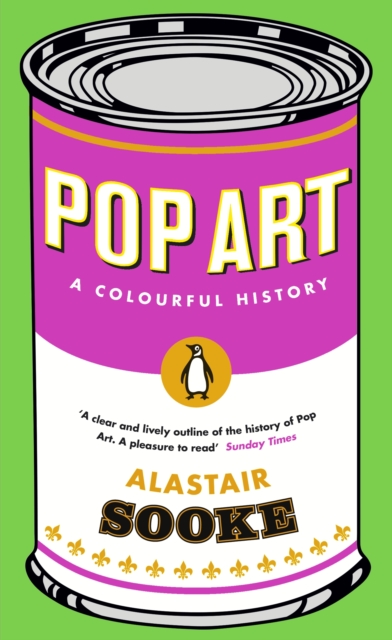
Pop Art by the BBC's Alastair Sooke - an essential but snappy new guide to our favourite art movementPop Art is the most important 20th-century art movement.
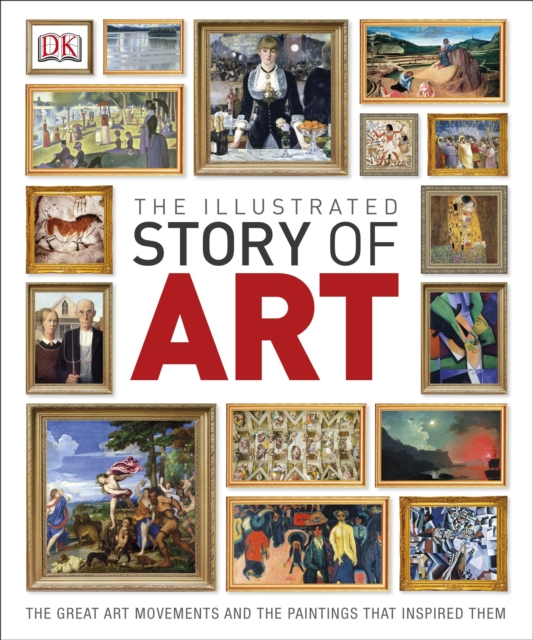
Experience the uplifting power of art on this breathtaking visual tour of 2,500 paintings and sculptures created by more than 700 artists from Michelangelo to Damien Hirst.
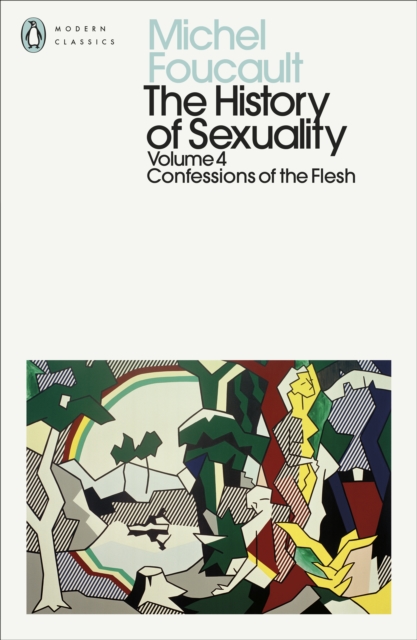
The final major work by one of the most influential thinkers of the twentieth centuryIn the fourth and final volume of his far-reaching and influential study of human sexuality, Foucault turns his attention to early Christianity, exploring how ancient ideas of pleasure were modified into the notion of the 'flesh'.
Essentially a domestic biography whose main concern is the tragicomedy of manners enacted by a closely knit group of friends and lovers, Wives and Stunners tells the story of Janey Morris, Georgie Burne-Jones, Lizzie Siddall, Effie Gray and less well-known, Marie Spartali, Aglaia Coronio and Mary Zambacco.
This is the story of Faberge's Imperial Easter eggs - of their maker, of the tsars who commissioned them, of the middlemen who sold them and of the collectors who fell in love with them.
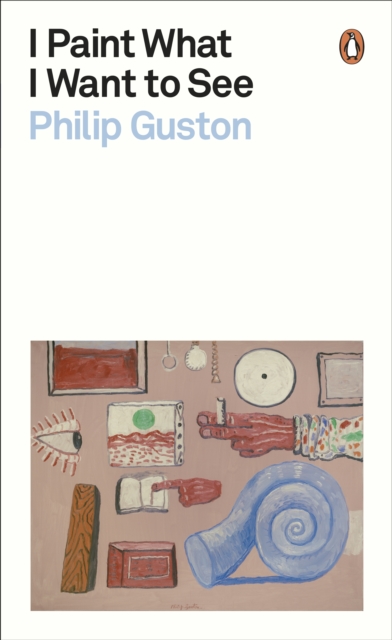
Illuminating reflections on painting and drawing from one of the most revered artists of the twentieth century'Thank God for yellow ochre, cadmium red medium, and permanent green light'How does a painter see the world?
A landmark illustrated history of rural church monuments - the forgotten national treasures of England and WalesDeep in the countryside, away from metropolitan abbeys and cathedrals, thousands of funerary monuments are hidden in parish churches.
'We live within a spectacle of empty clothes and unworn masks'In this series of remarkable pieces from across his career, John Berger celebrates and dissects the close links between art and society and the individual.
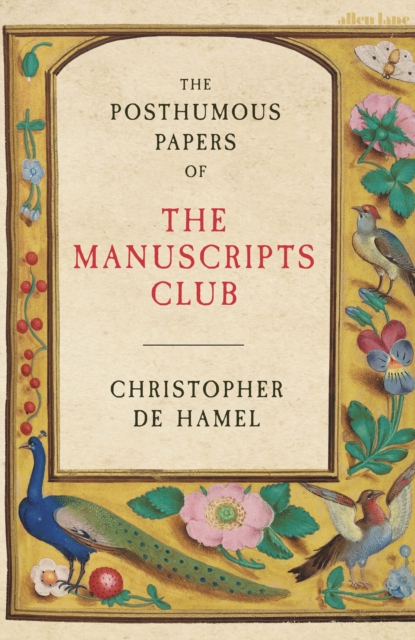
From the bestselling author of Meetings With Remarkable Manuscripts, a captivating account of the last surviving relic of Thomas BecketThe assassination of Thomas Becket in Canterbury Cathedral on 29 December 1170 is one of the most famous events in European history.
Since its establishment 150 years ago as the world's first urban subway, the London Underground has continuously set a benchmark for design that many transit systems around the world - from New York to Tokyo to Moscow and beyond - have followed.
'A gay man could read this book as if his life depended on it - and perhaps it does' Andrew Holleran, author of Dancer from the Dance'Poignant and achingly beautiful' The New York Times Even in our modern progressive world, it's not easy to be a gay man.
'I have never read such a stimulating short guide to art' Lynn Barber, Sunday Times Now Grayson Perry is a fully paid-up member of the art establishment, he wants to show that any of us can appreciate art (after all, there is a reason he's called this book Playing to the Gallery and not 'Sucking up to an Academic Elite').
A unique opportunity to learn about the lives and creativity of the world's leading artistsHans Ulrich Obrist has been conducting ongoing conversations with the world's greatest living artists since he began in Switzerland, aged 19, with Fischli and Weiss.
This book takes a dramatically original approach to the history of humanity, using objects which previous civilisations have left behind them, often accidentally, as prisms through which we can explore past worlds and the lives of the men and women who lived in them.
Visionary English Socialist and pioneer of the Arts and Crafts movement, William Morris argued that all work should be a source of pride and satisfaction, and that everyone should be entitled to beautiful surroundings no matter what their class.
John Ruskin overturned Victorian society s ideas about art and architecture, arguing that ancient buildings must be conserved for their deep, mystical links with the past and that creative design is essential not for financial gain, but to communicate eternal human truths.
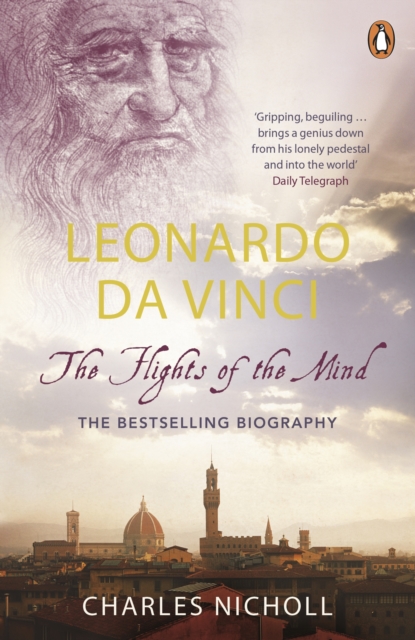
Leonardo is the greatest, most multi-faceted and most mysterious of all Renaissance artists, but extraordinarily, considering his enormous reputation, this is the first full-length biography in English for several decades.
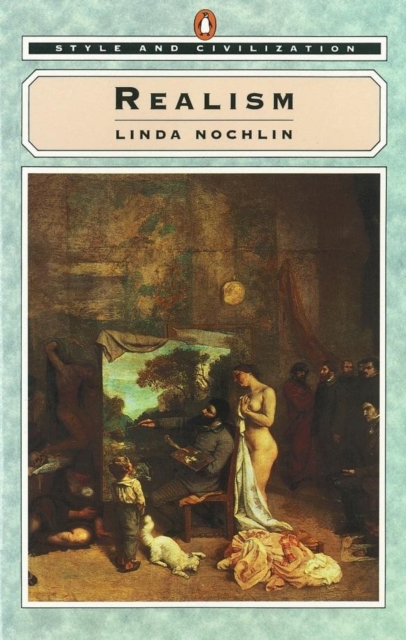
Setting Realism in its social and historical context, the author discusses the crucial paradox posed by Realist works of art - notably in the revolutionary paintings of Courbet, the works of Manet, Degas and Monet, of the Pre-Raphaelites and other English, American, German and Italian Realists.
In this remarkable collection of 100 manifestos from the last 100 years, Alex Danchev presents the cacophony of voices of such diverse movements as Futurism, Dadaism, Surrealism, Feminism, Communism, Destructivism, Vorticism, Stridentism, Cannibalism and Stuckism, taking in along the way film, architecture, fashion, and cookery.
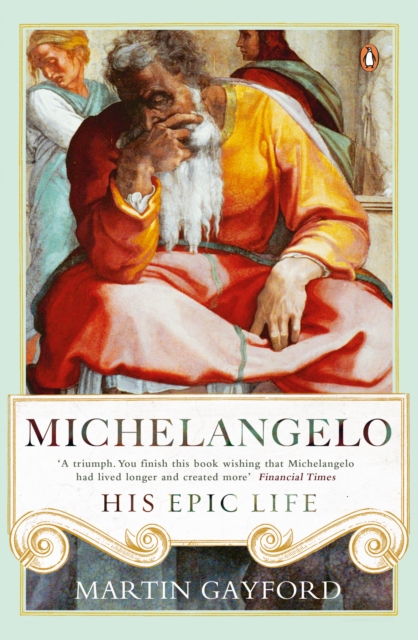
At thirty one, Michelangelo was considered the finest artist in Italy, perhaps the world; long before he died at almost 90 he was widely believed to be the greatest sculptor or painter who had ever lived (and, by his enemies, to be an arrogant, uncouth, swindling miser).
One of the most widely read books on modern design, Nikolaus Pevsner's landmark work today remains as stimulating as it was when first published in 1936.
Artist, architect, poet and philosopher, Leon Battista Alberti revolutionized the history of art with his theories of perspective in On Painting (1435).
Beginning with Cimabue and Giotto in the thirteenth century, Vasari traces the development of Italian art across three centuries to the golden epoch of Leonardo and Michelangelo.