En la historia de la cultura occidental, la consideracion de la enfermedad como tema de representacion se hace evidente con la llegada de la modernidad.
En la historia de la cultura occidental, la consideracion de la enfermedad como tema de representacion se hace evidente con la llegada de la modernidad.
Turn to the Sun guides you down a nourishing path of uplifting affirmations, soul-refreshing meditations, and lush botanical photography that helps you heal in the company of nature.
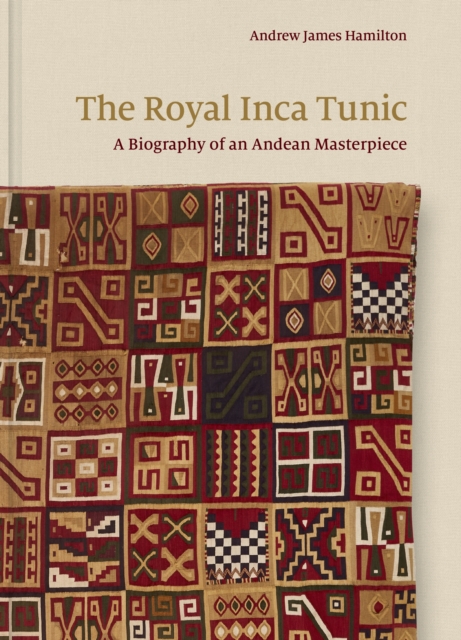
The hidden life of the greatest surviving work of Inca artThe most celebrated Andean artwork in the world is a five-hundred-year-old Inca tunic made famous through theories about the meanings of its intricate designs, including attempts to read them as a long-lost writing system.
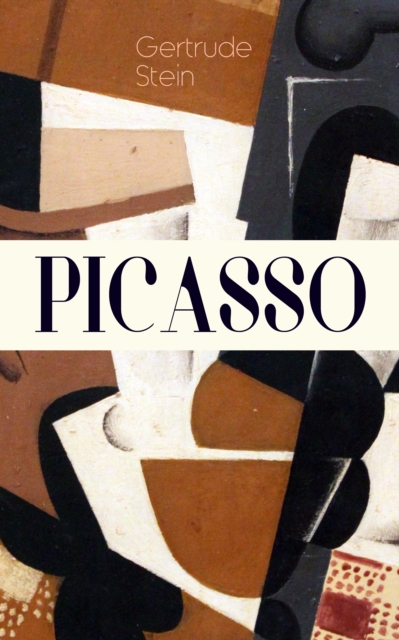
Gertrude Stein's Picasso is a compact, incisive study of the painter's artistic evolution and cultural importance, written with the rhythmic certainty and experimental compression that define Stein's prose.
» Liebe bedeutet dem anderen kein Toter zu sein und dass der andere einem selbst kein Toter ist « , schreibt Judith Butler über den Philosophen Georg Wilhelm Friedrich Hegel und die Liebe.
Von der Galluspforte bis zur Performance-Kunst, von Hans Holbein bis zu Jean Tinguely – in 24 Essays nimmt die Kunsthistorikerin Jana Lucas die Leserinnen und Leser mit auf eine Reise durch die Basler Kunstgeschichte vom Mittelalter bis in die Gegenwart.
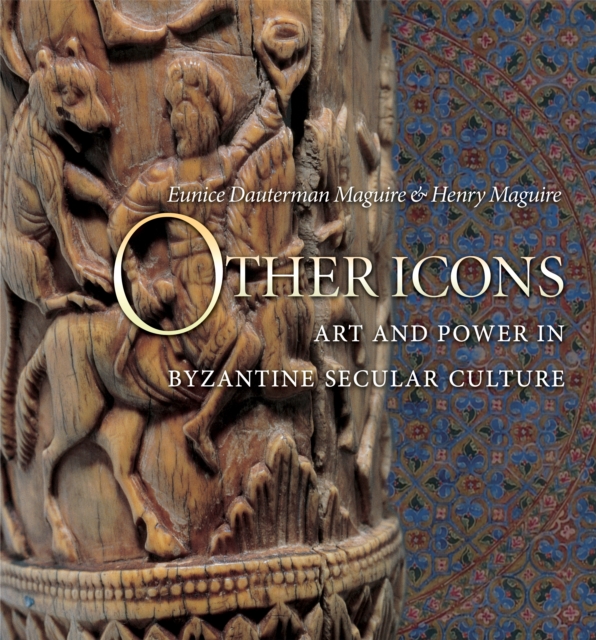
An entirely new perspective on Byzantine art and culture through the lens of secular artA winged centaur with the spotted body of a leopard playing a lute; a naked man with an animal head; a goat-footed Pan; a four-bodied lion; sphinxes and hippocamps.
Claire Pentecosts » Notizen aus dem Untergrund « geben sonderbares und transdisziplinäres Wissen über den pflanzlichen Boden, seine Vorlieben und Bewohner preis.
An entirely new perspective on Byzantine art and culture through the lens of secular artA winged centaur with the spotted body of a leopard playing a lute; a naked man with an animal head; a goat-footed Pan; a four-bodied lion; sphinxes and hippocamps.
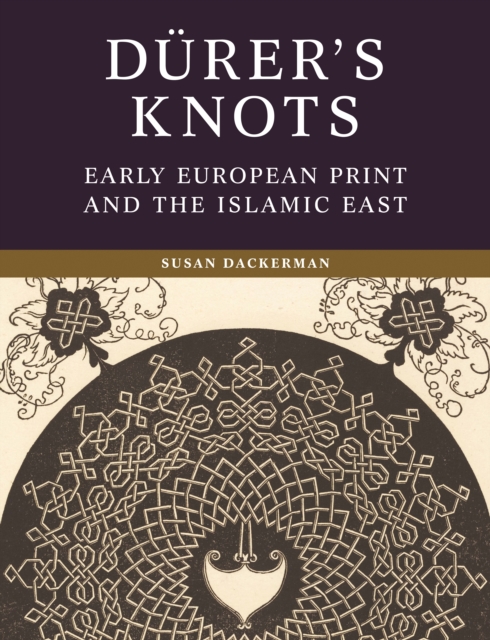
An important new examination of Islamic themes in the art of Albrecht DurerAlbrecht Durer's depictions of Muslim figures and subjects are considered by many to be among his most perplexing images.
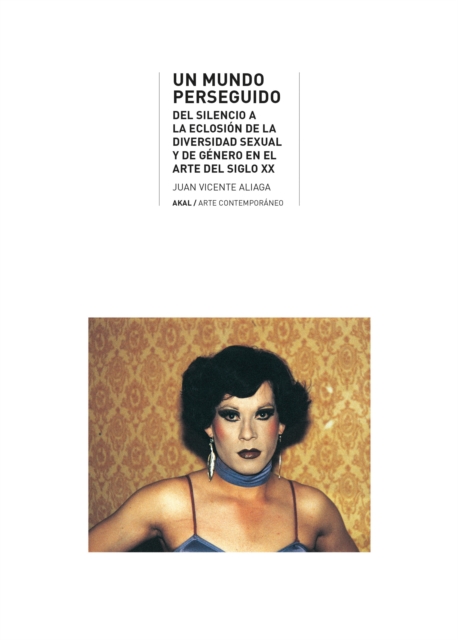
"La historia del siglo xx muestra que hasta prácticamente los años sesenta, cuando emerge la contestación gay, lésbica y trans en las calles, la representación de la diversidad sexual se mueve en líneas generales en el ámbito privado, en la ocultación, en la vergüenza.
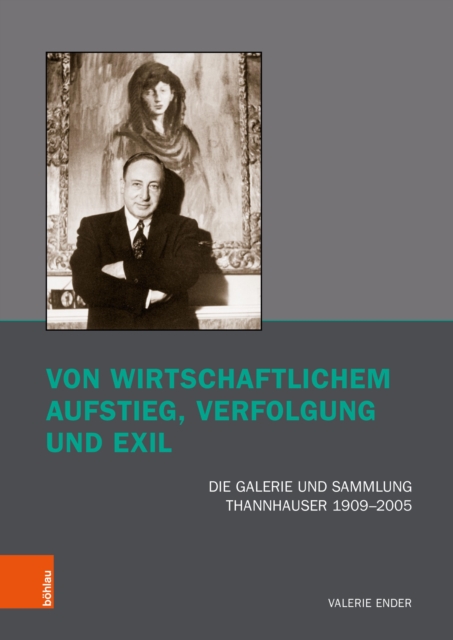
Die Galerie Thannhauser gehörte mit ihren Häusern in München (1909-1928), Luzern (1919-1928) und Berlin (1927-1937) neben den Kunsthandlungen Cassirer, Alfred Flechtheim, Paul Rosenberg, Ambroise Vollard oder auch der Galerie Wildenstein zu den bedeutendsten Förderern der Moderne im Europa der Vor- und Zwischenkriegszeit.
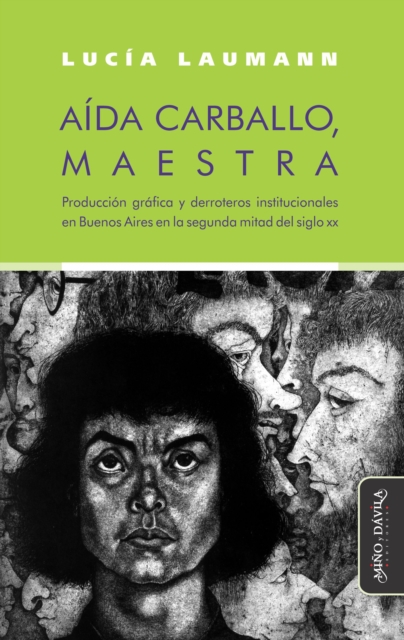
Lucía Laumann viene a proponer en este libro una nueva, rigurosa y sensible lectura sobre la producción de la reconocida grabadora (aunque también dibujante, pintora, ceramista e impulsora de espacios culturales) Aída Carballo.
The Gentle Art of Quilt-Making is a charming, inspirational and practical collection of 15 quilts for would-be quilters by leading author Jane Brocket.
» Zu verstehen, wie Liebe ein zentraler und konstitutiver Modus und Motor der Politik sein kann « ist wichtigstes Ziel des Philosophen Michael Hardt in diesem Notizbuch.
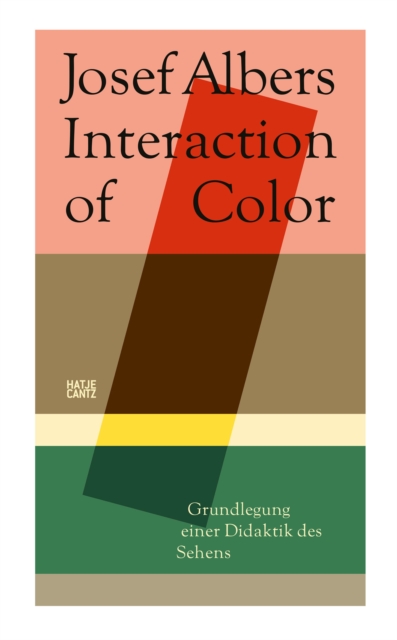
»Wenn jemand ›Rot‹ sagt (als Bezeichnung einer Farbe) und wenn 50 Personen zuhören, darf man erwarten, dass 50 verschiedene Rot in ihrem Bewusstsein auftauchen.
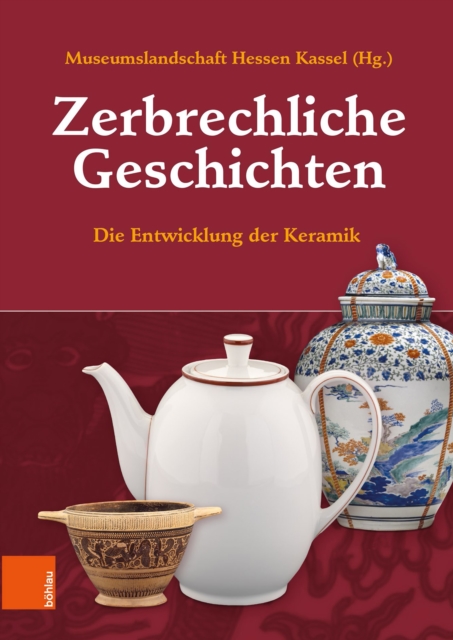
"Zerbrechliche Geschichten - Die Entwicklung der Keramik" stellt die vielfältigen und bedeutenden Keramiksammlungen der Museumslandschaft Hessen Kassel erstmals in einem Band vor.
Das Buch beleuchtet die Facetten des ultimativen, von modischen Torheiten – scheinbar – verschonten Kleidungsensembles aus Rock, Weste, Hemd, Hose und Halsbinder.
Während des Sowjetregimes versteckte der Künstler, Autor und Philosoph Vyacheslav Akhunov seine Notizbücher in Ställen und Scheunen, in Mauern und in Streichholzschachteln.
Im Zeitlupentempo zoomt der Literat Rolf Dieter Brinkmann (1940-1975) in die Seitenstraße einer langen gepflasterten Straße, vor einen Hauseingang, unter eine Fensterbank, entlang der Topfpflanzen und schließlich hinein in eines der gelb leuchtenden Fensterrechtecke.