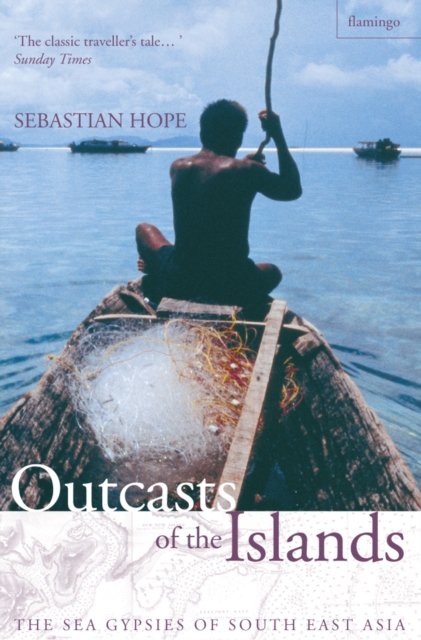
An enchanting tale of travels among South East Asia's Sea Gypsies, scattered groups of semi-nomadic fisher people who occupy the spaces between the islands.
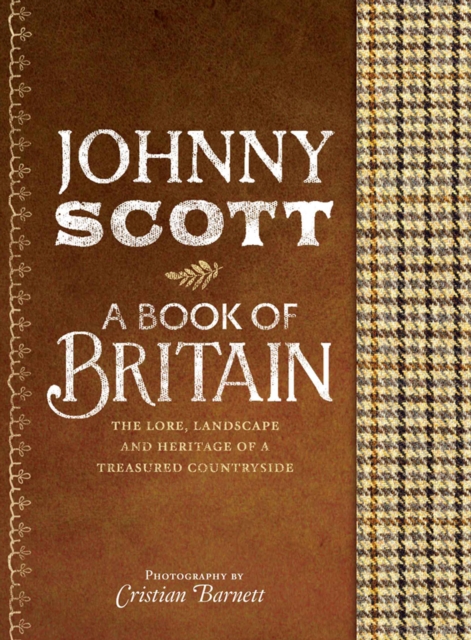
In this remarkable, landmark publication, countryman Sir Johnny Scott evokes all that is romantic about the British countryside, its people, customs and traditions.
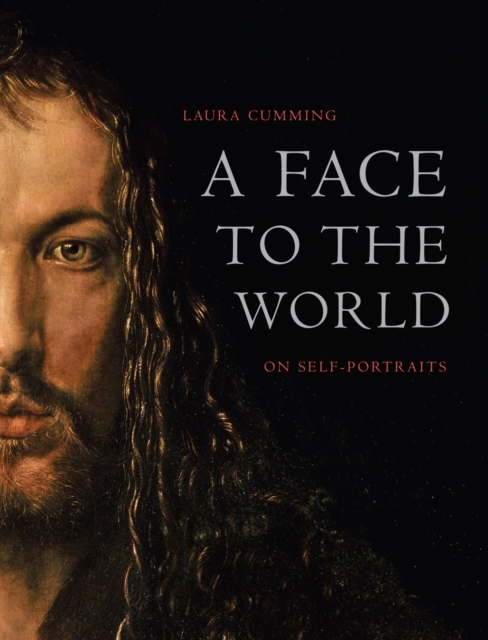
Focusing on the art of self-portraiture, this effortlessly engaging exploration of the lives of artists sheds fascinating light on some of the most extraordinary portraits in art history.
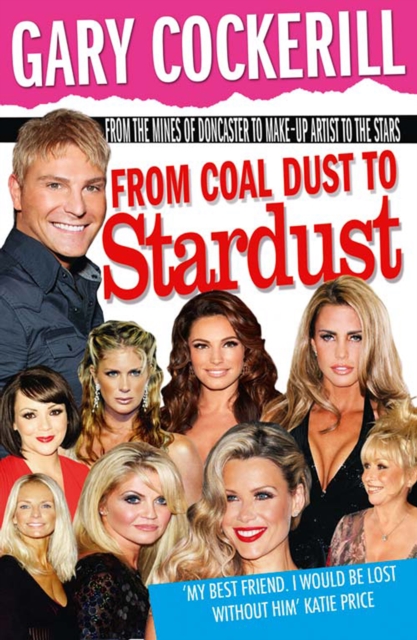
As Britain's most successful and high profile make-up artist, for the past 15 years Gary Cockerill has glossed the lips, curled the lashes and shared the secrets of the famous and fabulous.
Two veteran journalists tell the inside story of convicted hate-monger Abu Hamza, his infamous Finsbury Park Mosque and how it turned out a generation of militants willing to die - and kill - for their cause.
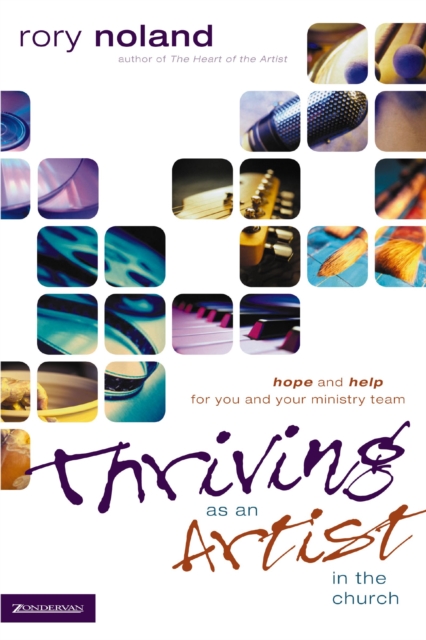
* Great for individual or group use* Includes provocative discussion questions and practical action steps* Features four-color art plates and literary quotesIt's not easy being an Artist in the church.
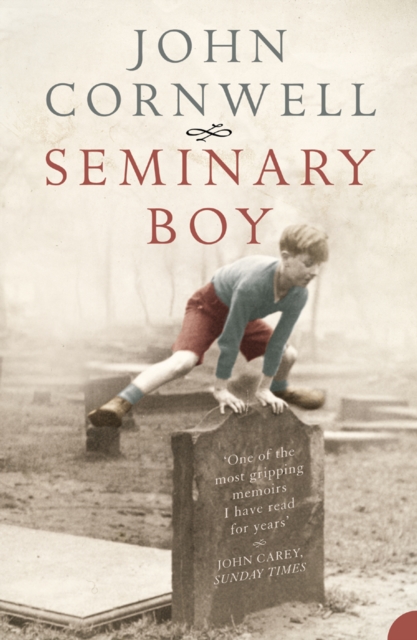
One of the most extraordinary memoirs of recent years, the acclaimed writer John Cornwell has finally written his own story, and the story of a choice he had to make between the Church and a life lived outside its confines.
A powerful reflection on the universal art museum, considering the values critical to its history and anticipating its evolving place in our cultural future Art museums have played a vital role in our culture, drawing on Enlightenment ideals in shaping ideas, advancing learning, fostering community, and providing spaces of beauty and permanence.
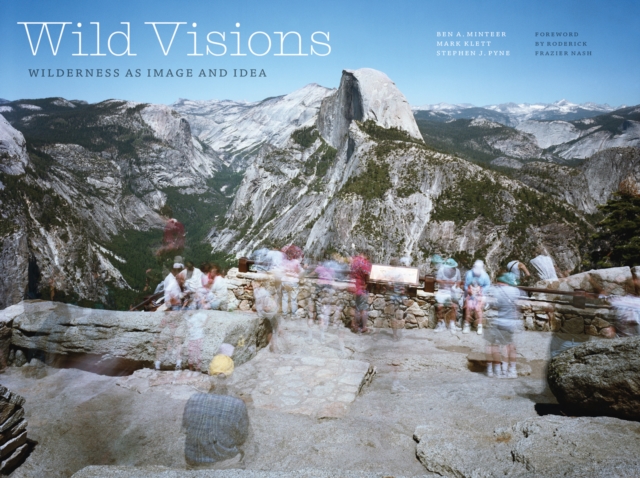
A stunning combination of landscape photography and thematic essays exploring how the concept of wilderness has evolved over time Our ideas of wilderness have evolved dramatically over the past one hundred and fifty years, from a view of wild country as an inviolable "e;place apart"e; to one that exists only within the matrix of human activity.
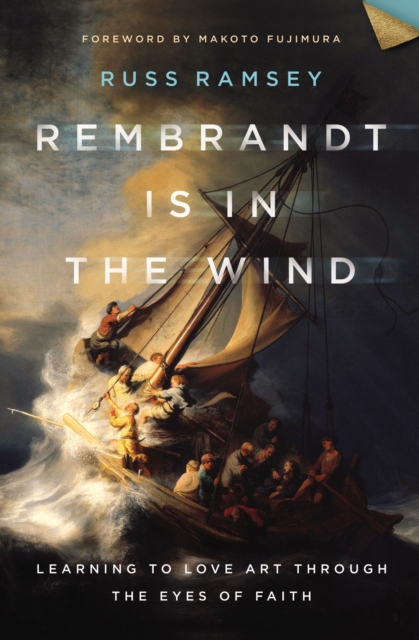
From a world-renowned painter, an exploration of creativity's quintessential-and often overlooked-role in the spiritual life Written over thirty years of painting and creating in his studio, this book is Makoto Fujimura's broad and deep exploration of creativity and the spiritual aspects of "e;making.
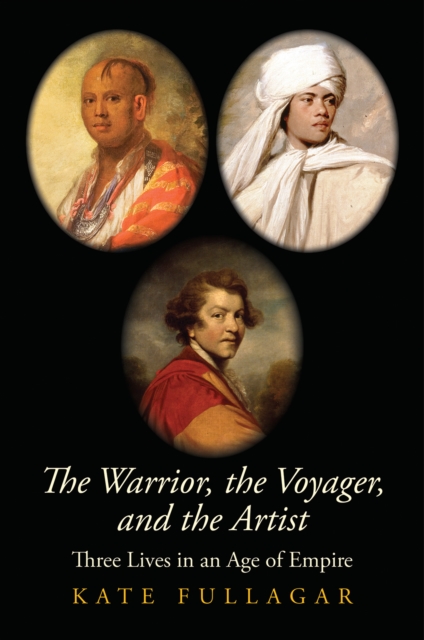
A portrait of empire through the biographies of a Native American, a Pacific Islander, and the British artist who painted them both Three interconnected eighteenth-century lives offer a fresh account of the British empire and its intrusion into Indigenous societies.
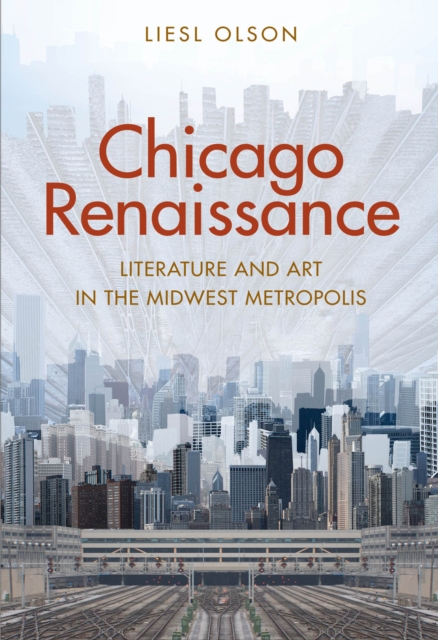
A fascinating history of Chicago’s innovative and invaluable contributions to American literature and art from the late nineteenth to the mid-twentieth century This remarkable cultural history celebrates the great Midwestern city of Chicago for its centrality to the modernist movement.
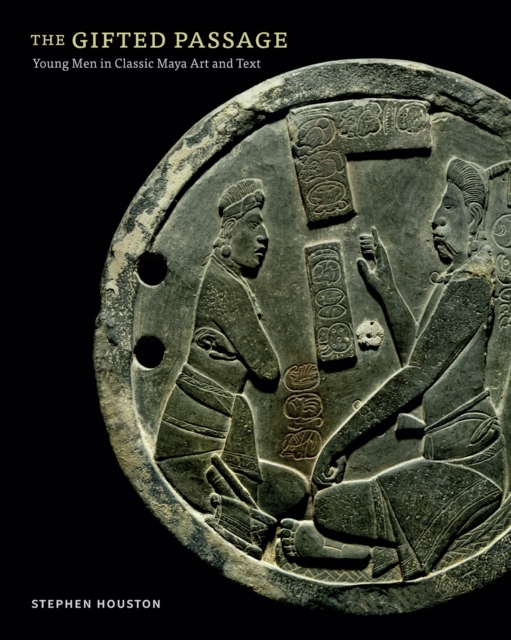
In this thought-provoking book, preeminent scholar Stephen Houston turns his attention to the crucial role of young males in Classic Maya society, drawing on evidence from art, writing, and material culture.
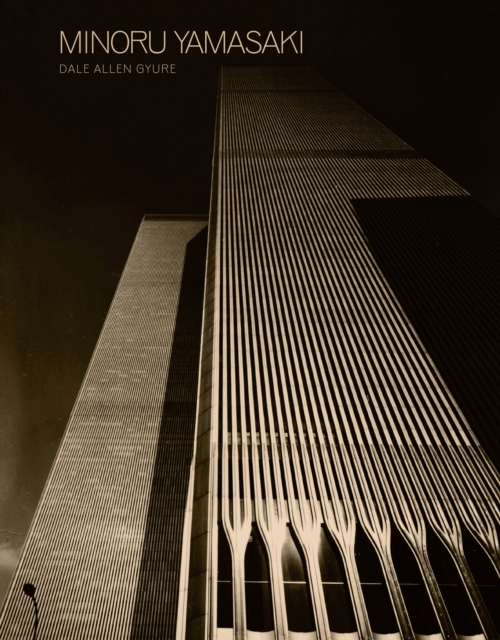
The first book to reevaluate the evocative and polarizing work of one of midcentury America’s most significant architects Born to Japanese immigrant parents in Seattle, Minoru Yamasaki (1912–1986) became one of the towering figures of midcentury architecture, even appearing on the cover of Time magazine in 1963.
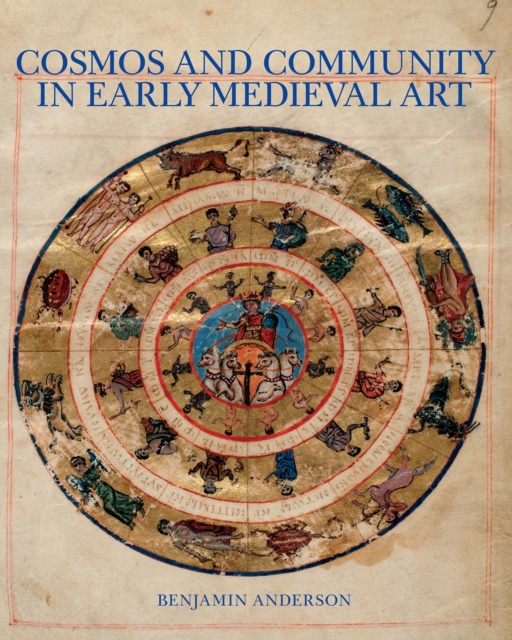
In the rapidly changing world of the early Middle Ages, depictions of the cosmos represented a consistent point of reference across the three dominant states—the Frankish, Byzantine, and Islamic Empires.
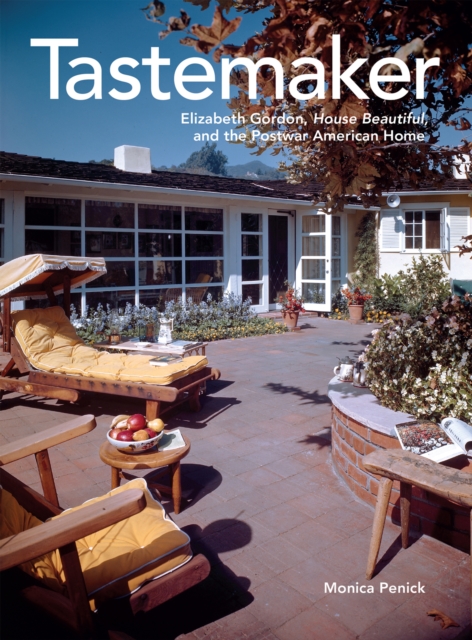
A riveting and superbly illustrated account of the enigmatic House Beautiful editor’s profound influence on mid-century American taste From 1941 to 1964, House Beautiful magazine’s crusading editor-in-chief Elizabeth Gordon introduced and promoted her vision of “good design” and “better living” to an extensive middle-class American readership.
A revealing look at the irrevocable change in art during the 1960s and its relationship to the modern culture of fact This refreshing and erudite book offers a new understanding of the transformation of photography and the visual arts around 1968.
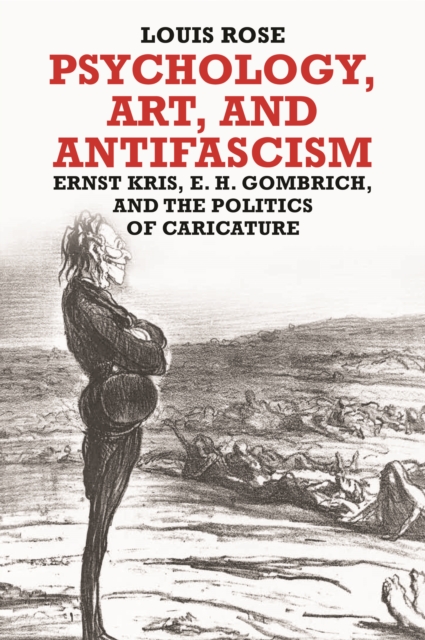
A vivid portrait of two remarkable twentieth-century thinkers and their landmark collaboration on the use and abuse of caricature and propaganda in the modern world In 1934, Viennese art historian and psychoanalyst Ernst Kris invited his mentee E.
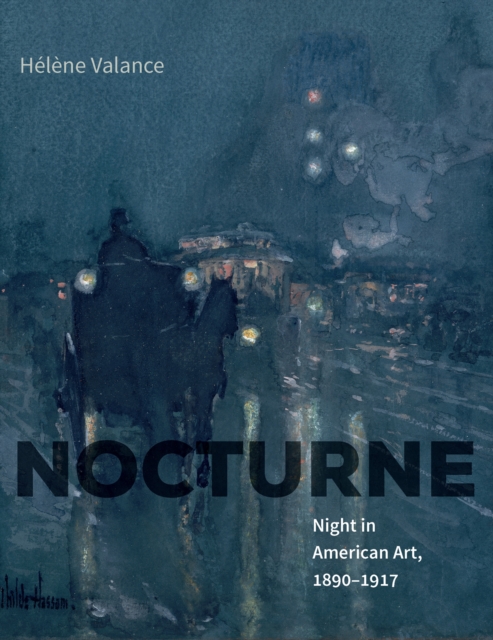
A beautifully illustrated look at the vogue for night landscapes amid the social, political, and technological changes of modern America The turn of the 20th century witnessed a surge in the creation and popularity of nocturnes and night landscapes in American art.
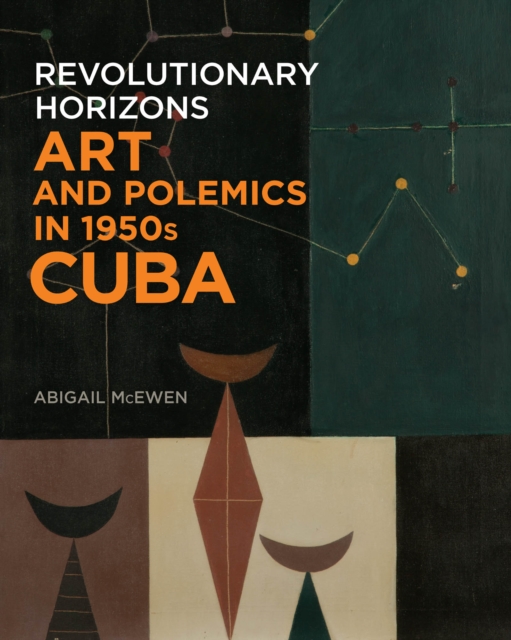
Modernism in Havana reached its climax during the turbulent years of the 1950s as a generation of artists took up abstraction as a means to advance artistic and political goals in the name of Cuba Libre.
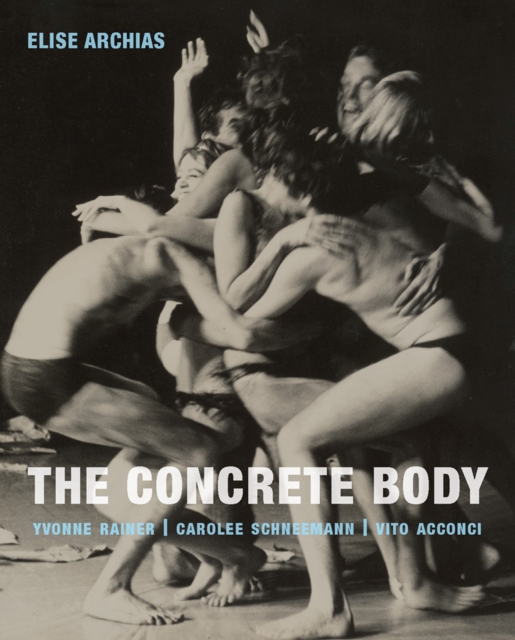
Offering an incisive rejoinder to traditional histories of modernism and postmodernism, this original book examines the 1960s performance work of three New York artists who adapted modernist approaches to form for the medium of the human body.
This revelatory study of Georges Seurat (1859–1891) explores the artist’s profound interest in theories of visual perception and analyzes how they influenced his celebrated seascape, urban, and suburban scenes.
A renowned scholar’s reflections on the romantic period, its disparate participants, and our unacknowledged debt to them With his usual wit and élan, esteemed historian Peter Gay enters the contentious, long-standing debates over the romantic period.
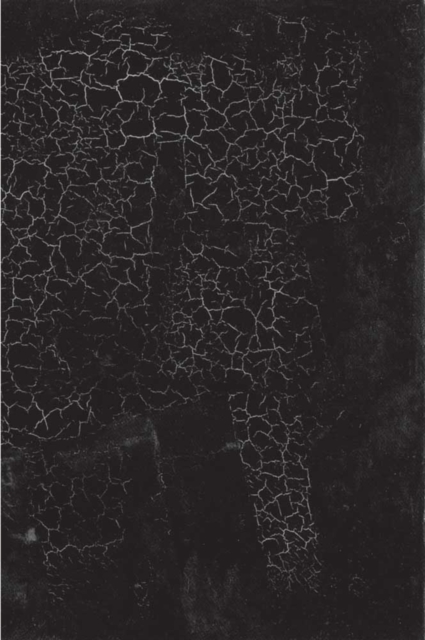
An in-depth exploration of Malevich’s pivotal painting, its context and its significance Kazimir Malevich’s painting Black Square is one of the twentieth century's emblematic paintings, the visual manifestation of a new period in world artistic culture at its inception.
Conversations on Creative Process, Methods, Research and Practice provides unique insights into the experiences of eight established creative practitioners who use their creative process in a professional and personal context.
How Berlin captivated Hitler's imagination, and how he sought to redesign the city to align with his obsessions and ambitions From his first visit to Berlin in 1916, Hitler was preoccupied and fascinated by Germany's great capital city.
One of the most important artists of the twentieth century, Mark Rothko (1903–1970) created a new and impassioned form of abstract painting over the course of his career.
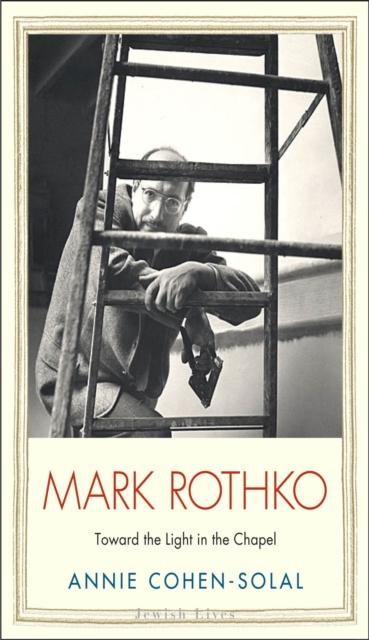
From the prizewinning Jewish Lives series, a fascinating exploration of the life and work of one of America’s most famous and enigmatic postwar visual artists Mark Rothko, one of the greatest painters of the twentieth century, was born in the Jewish Pale of Settlement in 1903.
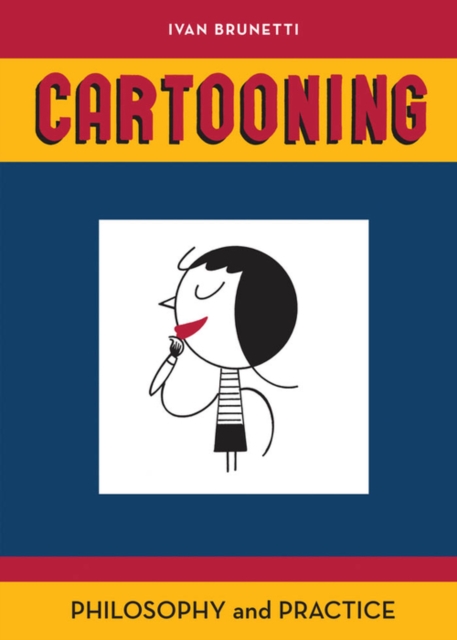
From the editor of Yale's Anthology of Graphic Fiction, Cartoons, and True Stories, a smart and charming guide to the art of cartooning The best cartooning is efficient visual storytelling—it is as much a matter of writing as it is of drawing.
An in-depth exploration of Malevich’s pivotal painting, its context and its significance Kazimir Malevich’s painting Black Square is one of the twentieth century's emblematic paintings, the visual manifestation of a new period in world artistic culture at its inception.