Esta compilación reúne valiosas contribuciones de investigadores y académicos que presentan un rico panorama de las distintas manifestaciones culturales y artísticas de Tonalá, que nos invitan a comprender, reconstruir y valorar el imaginario de nuestro pasado y su importancia actual.
"Cómo se desmonta un discurso cultural construido a lo largo de siglos, a través de unas prácticas artísticas que ponen de manifiesto la complejidad y los problemas del ámbito mediterráneoHistóricamente el Mediterráneo ha sido un espacio de entendimiento y confrontación donde Occidente y Oriente han participado en proyectos comunes y se han enfrentado política y militarmente.
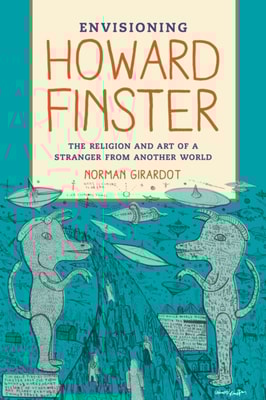
The Reverend Howard Finster (1916-2001) was called the "e;backwoods William Blake"e; and the "e;Andy Warhol of the South,"e; and he is considered the godfather of contemporary American folk and visionary art.
A groundbreaking history of the political ideas that made modern IndiaViolent Fraternity is a major history of the political thought that laid the foundations of modern India.
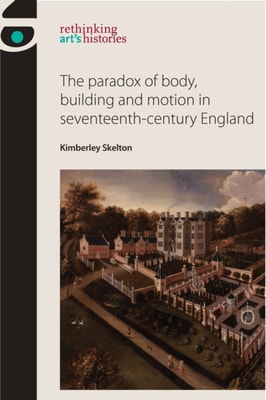
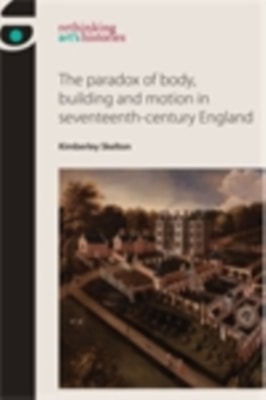
This book examines how seventeenth-century English architectural theorists and designers rethought the domestic built environment in terms of mobility, as motion became a dominant mode of articulating the world across discourses encompassing philosophy, political theory, poetry, and geography.
This book offers a fresh perspective on Michelangelo's well-known masterpiece, the Vatican Pieta, by tracing the shifting meaning of the work of art over time.
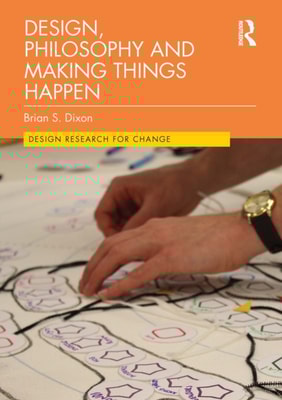
Drawing from the work of Dewey, Wittgenstein and Heidegger, this book aims to relate a series of philosophic insights to the practice of engaging in design research for change.
We live in a world in which the church inhabits a deep existential anxiety about its future, feels pushed to the edges of society and doesn't deal well with its marginalisation.
Laurie Green considers a number of key biblical texts as well as recent research on poverty in the UK and asks what the Church's ministry among the poor would need to look like in order to be true to the gospel.
In Research in the Creative and Media Arts, Desmond Bell looks at contemporary art and design practice, arguing that research activity is now a vital part of the creative dynamic.
Basado en historias e ilustraciones de Élescogió los clavos, de Max Lucado, este fascinante libro evangelístico de 64 páginas lleva al lector a través del plan de salvación y ofrece una invitación a aceptar a Cristo.
Establishing a 'missed link' between the work of Piero Manzoni and Helio Oiticica and their respective cultural contexts, this book sheds new light on overlooked aspects of these two artists' practices, particularly focusing on the shift from painting to performance in the long 1960s.
This book examines how seventeenth-century English architectural theorists and designers rethought the domestic built environment in terms of mobility, as motion became a dominant mode of articulating the world across discourses encompassing philosophy, political theory, poetry, and geography.
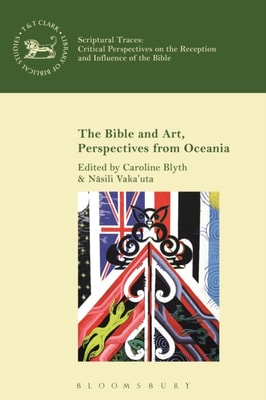
This volume takes readers on a fascinating journey through the visual arts of Aotearoa New Zealand, Australia and the Pacific Islands, contemplating the multivocal dialogues that occur between these artistic media and the texts and traditions of the Bible.
Experience the majesty and splendor of the mountains and grow in your faith with mountain-focused devotions and awe-inspiring photography of lofty peaks and vistas.
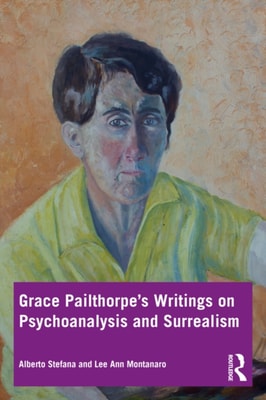
This book gathers the published and unpublished writings of Dr Grace Pailthorpe (1883-1971), English surgeon, specialist in psychological medicine and surrealist artist to provide an in-depth study of her work and legacy.
Drawing from the work of Dewey, Wittgenstein and Heidegger, this book aims to relate a series of philosophic insights to the practice of engaging in design research for change.
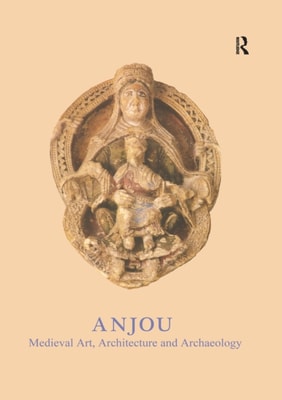
This volume serves as an essential reference for new thoughts, interpretation and discussion of the rich architectural and archaeological heritage of Anjou.
This book offers a fresh perspective on Michelangelo's well-known masterpiece, the Vatican Pieta, by tracing the shifting meaning of the work of art over time.
This book gathers the published and unpublished writings of Dr Grace Pailthorpe (1883-1971), English surgeon, specialist in psychological medicine and surrealist artist to provide an in-depth study of her work and legacy.
This volume challenges existing notions of what is "e;Indian,"e; "e;Southeast Asian,"e; and/or "e;South Asian"e; art to help educators present a more contextualized understanding of art in a globalized world.
A new examination of the history of ceramic art, spanning ancient to modern times, emphasizing its traditions, materials, and methods of makingConcise but comprehensive, Ceramic Art brings together the voices of art historians, conservators, and artists to tell the history of making art from fired clay.
Some of the most fascinating sculptures to have survived from ancient Egypt are the colossal statues of Akhenaten, erected at the beginning of his reign in his new temple to the Aten at Karnak.
This book evaluates the current and future state of fascism studies, reflecting on the first hundred years of fascism and looking ahead to a new era in which fascism studies increasingly faces fresh questions concerning its relevance and the potential reappearance of fascism.
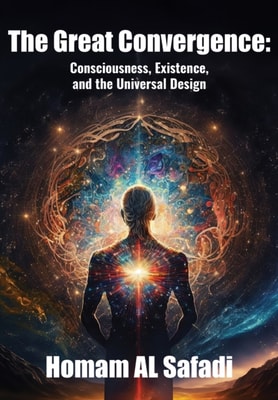
The Great Convergence explores the existential foundations of human consciousness and the deep existential dimensions of reality, as well as their connection to the concept of The Creator.
The first book to address the historical failures of philosophy-and what we can learn from themPhilosophers are generally unaware of the failures of philosophy, recognizing only the failures of particular theories, which are then remedied with other theories.
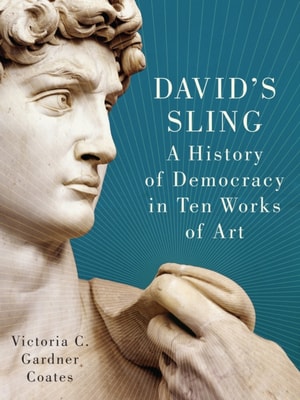
Throughout Western history, the societies that have made the greatest contributions to the spread of freedom have created iconic works of art to celebrate their achievements.
A marvelously illustrated A-to-Z compendium of bird names from around the globeThe Bird Name Book is an alphabetical reference book on the origins and meanings of common group bird names, from "e;accentor"e; to "e;zeledonia.
Contemporary Queer Chinese Art is the first English-language academic book that explores the intersections of queer culture and contemporary Chinese art from the mid-1980s to the present.
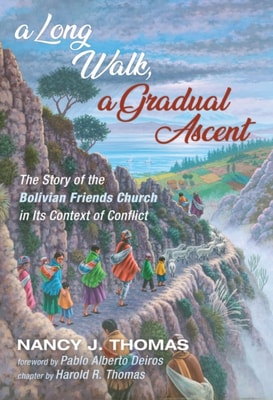
A Long Walk, a Gradual Ascent tells the one-hundred-year story of the development of the Friends Church (INELA) among the Aymara peoples of the Bolivian Andes.