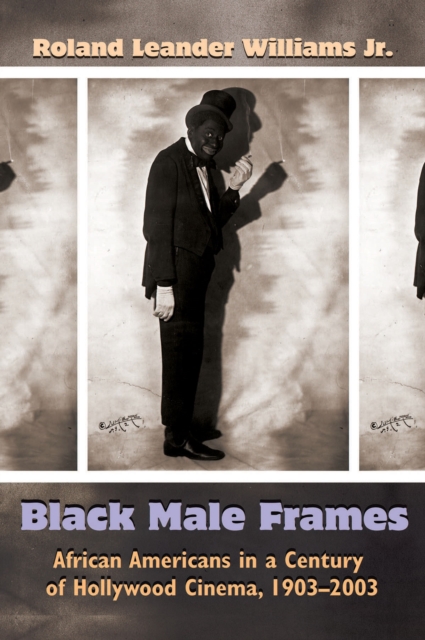
Black Male Frames charts the development and shifting popularity of two stereotypes of black masculinity in popular American film: "e;the shaman"e; or "e;the scoundrel.
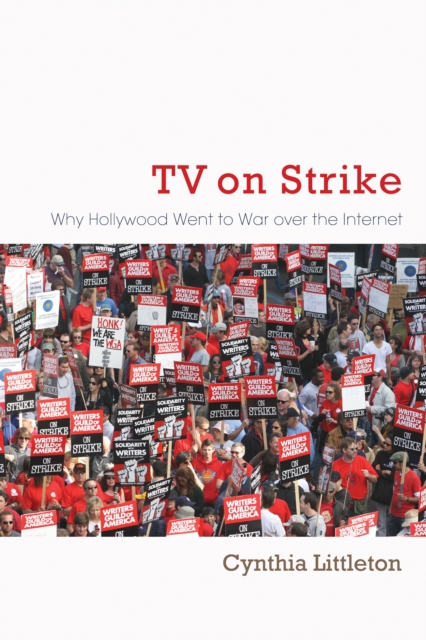
TV on Strike examines the upheaval in the entertainment industry by telling the inside story of the hundred-day writers' strike that crippled Hollywood in late 2007 and early 2008.
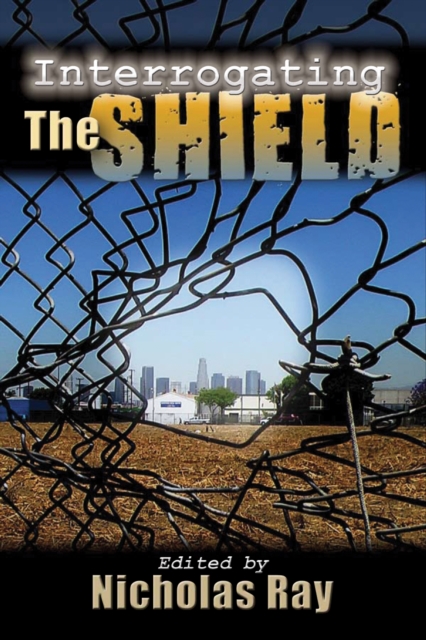
When The Shield first appeared on US television in March 2002, it broke ratings records with the highest audience-rated original series premiere in cable history.
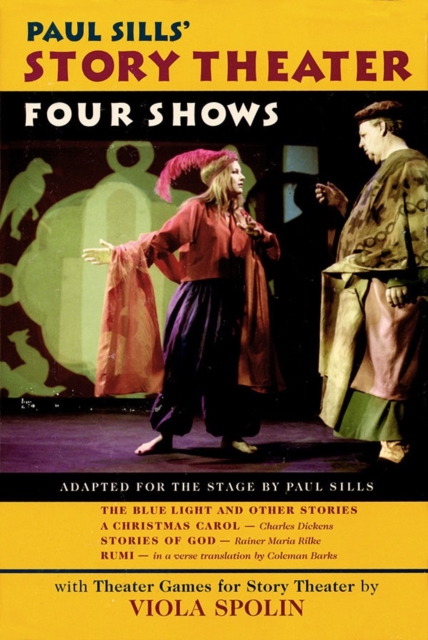
The creator of Story Theater, the original director of Second City, and one of the greatest popularizers of improvisational theater, Paul Sills has assembled some of his favorite adaptations from world literature.
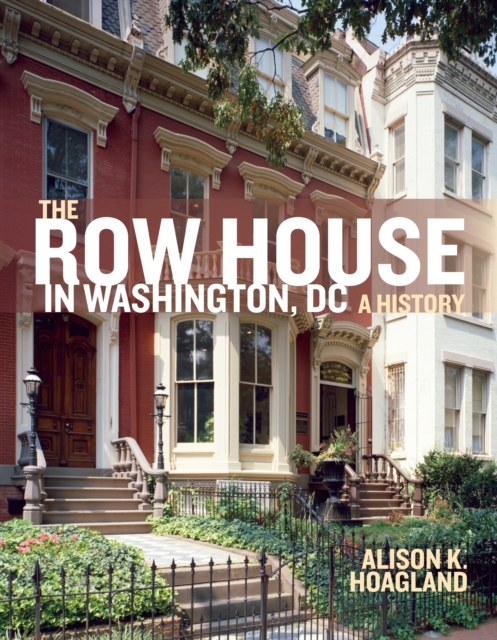
With The Row House in Washington, DC, the architectural historian and preservationist Alison Hoagland turns the lucid prose style and keen analytical skill that characterize all her scholarship to the subject of the Washington row house.
In recent decades, the development of advanced weaponry systems and the instant flow of information have redefined the notion of urban warfare as a local phenomenon with global effects in an increasingly interconnected world.
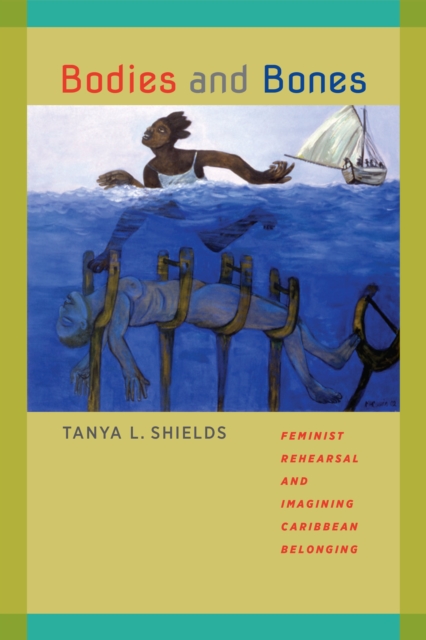
In Bodies and Bones, Tanya Shields argues that a repeated engagement with the Caribbean's iconic and historic touchstones offers a new sense of (inter)national belonging that brings an alternative and dynamic vision to the gendered legacy of brutality against black bodies, flesh, and bone.
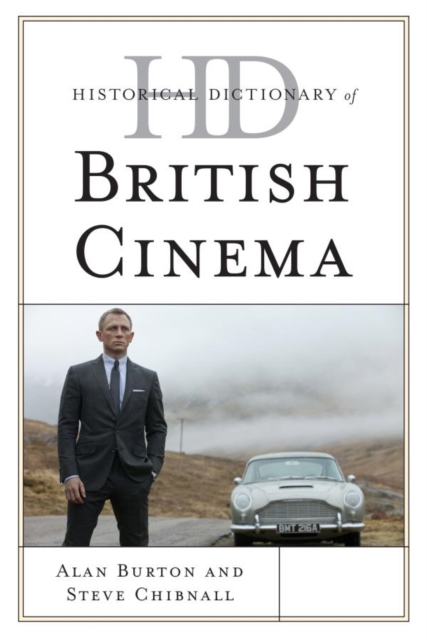
British cinema has been around from the very birth of motion pictures, from black-and-white to color, from talkies to sound, and now 3D, it has been making a major contribution to world cinema.
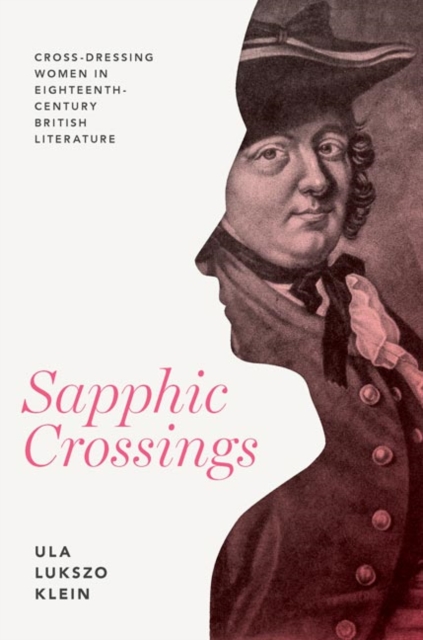
Across the eighteenth century in Britain, readers, writers, and theater-goers were fascinated by women who dressed in men's clothing-from actresses on stage who showed their shapely legs to advantage in men's breeches to stories of valiant female soldiers and ruthless female pirates.
Asian American literature is one of the most recent forms of ethnic literature and is already becoming one of the most prominent, given the large number of writers, the growing ethnic population from the region, the general receptivity of this body of work, and the quality of the authors.
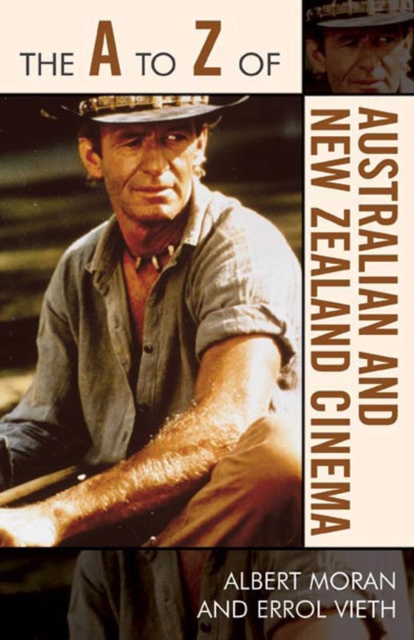
Whether it was Jane Campion's The Piano, Mel Gibson in Mad Max, Paul Hogan in Crocodile Dundee, or The Lord of the Rings saga, we have all experienced the cinema of Australia and New Zealand.
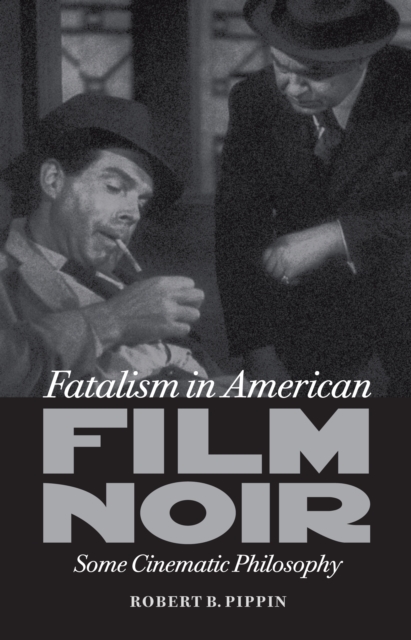
The crime melodramas of the 1940s known now as film noir shared many formal and thematic elements, from unusual camera angles and lighting to moral ambiguity and femmes fatales.
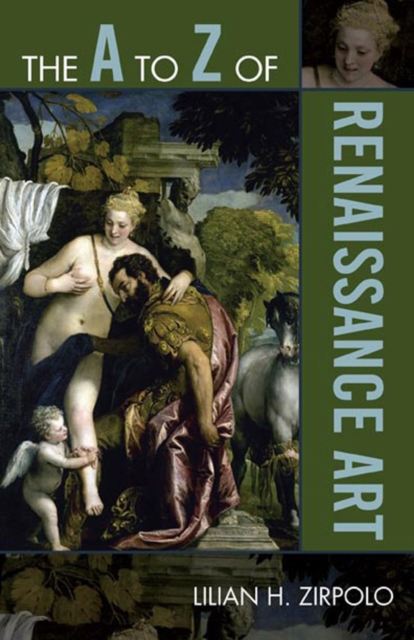
The Renaissance era was launched in Italy and gradually spread to the Netherlands, Germany, Spain, France, and other parts of Europe and the New World, with figures like Robert Campin, Jan van Eyck, Rogier van der Weyden, Albrecht Durer, and Albrecht Altdorfer.
In 1977, Star Wars blazed across the screen to become one of the highest grossing and most beloved movies of all time, spawning an unprecedented merchandising phenomenon.
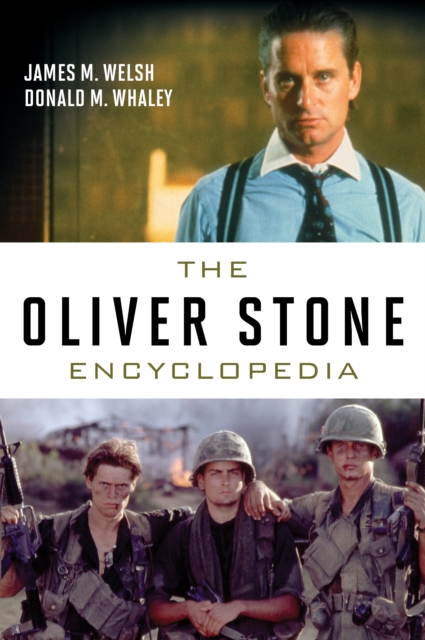
Oliver Stone has written and directed many memorable films while also developing a reputation for tackling controversial subjects, such as the Turkish prison system (Midnight Express), the Vietnam war (Platoon and Born on the Fourth of July), insider trading (Wall Street), presidential assassination (JFK), and a voyeuristic media (Natural Born Killers).
While many of its traditional elements, such as roads and utilities, do not change, urban infrastructure is undergoing a fascinating and necessary transformation in the wake of new information and communication technologies.
Although academic study of the Grateful Dead began shortly after the group's formation, the dramatic growth of scholarly literature only occurred after the band's formal retirement of the name in 1995.
The art of the early republic abounds in representations of deception: the villains of Gothic novels deceive their victims with visual and acoustic tricks; the ordinary citizens of picaresque novels are hoodwinked by quacks and illiterate but shrewd adventurers; and innocent sentimental heroines fall for their seducers' eloquently voiced half-truths and lies.
Twelve novels and nine short stories define one of the most extraordinary fictional characters of all time, creating the basis for the most successful movie series in cinematographic history, watched by more than half the world's population.
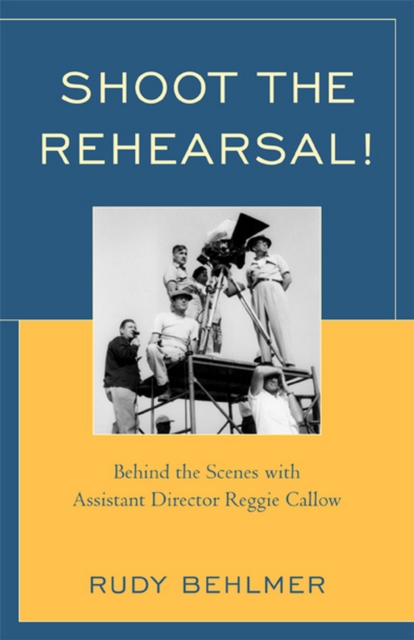
Ridgeway (Reggie) Callow began his film career in the early 1930s and for four decades worked as an assistant director on some of the most memorable films in Hollywood history.
Architecture, which can be understood in its most basic sense as a form of enclosure created with an aesthetic intent, first made its appearance in the Prehistoric Age.
TV on Strike examines the upheaval in the entertainment industry by telling the inside story of the hundred-day writers' strike that crippled Hollywood in late 2007 and early 2008.
Contradictory to its core, the sitcom-an ostensibly conservative, tranquilizing genre-has a long track record in the United States of tackling controversial subjects with a fearlessness not often found in other types of programming.
Countering the widespread misconception that slavery existed only on plantations, and that urban areas were immune from its impacts, Slavery in the City is the first volume to deal exclusively with the impact of North American slavery on urban design and city life during the antebellum period.