Studienarbeit aus dem Jahr 2023 im Fachbereich Musik - Sonstiges, Note: 1,3, Robert Schumann Hochschule Düsseldorf (Musikwissenschaftliches Institut), Veranstaltung: Aufbauseminar Musik und Migration.
Studienarbeit aus dem Jahr 2020 im Fachbereich Kunst - Bildende Künstler, Note: 1,0, Heinrich-Heine-Universität Düsseldorf (Medien- und Kulturwissenschaften), Veranstaltung: Einführung in die Medienkulturanalyse, Sprache: Deutsch, Abstract: Im Rahmen des Dekonstruktionsprozesses des Originalbegriffs sollen in dieser Arbeit außerdem folgende Fragen beantwortet werden: Inwiefern und mit welchen Aneignungsmethoden gelingt es in der Appropriation Art, durch (mediale) Transformation innovative Werke zu erschaffen?
Studienarbeit aus dem Jahr 2022 im Fachbereich Kunst - Architektur, Baugeschichte, Denkmalpflege, Note: 1,5, Duale Hochschule Baden-Württemberg, Stuttgart, früher: Berufsakademie Stuttgart, Sprache: Deutsch, Abstract: In dieser Arbeit geht es um die Änderungen, die während der Bauphase des Burj Khalifa getroffen worden sind.
Studienarbeit aus dem Jahr 2022 im Fachbereich Kunst - Architektur, Baugeschichte, Denkmalpflege, Note: 2,0, AMD Akademie Mode & Design GmbH, Veranstaltung: Design-Theorie Wissenschaften, Sprache: Deutsch, Abstract: Gerade bei religiösen Gebilden, stellt sich die Frage, inwiefern ein gezielt herbeigeführter kultureller Wandel diesen Toträume neue gesellschaftliche Bedeutung schenkt und diese mit dem dadurch konservierten Wert aus vergangener Zeit fusioniert?
Studienarbeit aus dem Jahr 2023 im Fachbereich Kunst - Malerei, Note: 1,7, Martin-Luther-Universität Halle-Wittenberg (Institut für Kunstgeschichte und Archäologien Europas), Veranstaltung: Zentralperspektive, von Brunelleschi bis zum Egoshooter, Sprache: Deutsch, Abstract: Die vorliegende Arbeit untersucht den wegweisenden Einfluss der Fotografie auf die Porträt-Malerei im 19.
Studienarbeit aus dem Jahr 2021 im Fachbereich Theaterwissenschaft, Tanz, Note: 2,7, Johann Wolfgang Goethe-Universität Frankfurt am Main (Neuere Philologien), Veranstaltung: Ringv.
Studienarbeit aus dem Jahr 2022 im Fachbereich Musikwissenschaft - Systematische Musikwissenschaft, Note: 1,3, Martin-Luther-Universität Halle-Wittenberg, Sprache: Deutsch, Abstract: Mit akustischen Täuschungen können unterschiedliche Phänomene beschrieben werden, die zum einen durch die Physiologie des menschlichen Ohres, zum anderen durch die Sinnesverarbeitung im menschlichen Gehirn selbst, oder aber auch durch die Interaktion und Manipulation verschiedener Frequenzen entstehen.
Masterarbeit aus dem Jahr 2021 im Fachbereich Musik - Populäre Musik, Note: 1,7, Popakademie Baden-Württemberg GmbH (Popular Music), Veranstaltung: Masterarbeit, Sprache: Deutsch, Abstract: Sicherlich gibt es keinen einheitlichen Standard für einen/eine Künstler*in.
Studienarbeit aus dem Jahr 2020 im Fachbereich Medien / Kommunikation - Multimedia, Internet, neue Technologien, Note: 15,0, , Sprache: Deutsch, Abstract: Die Arbeit setzt sich mit Schönheitsidealen und ihren Auswirkungen auf Kinder und Jugendliche auseinander.
Studienarbeit aus dem Jahr 2020 im Fachbereich Kunst - Kunstgeschichte, Note: 1, Freie Universität Berlin, Sprache: Deutsch, Abstract: Gerhard Richters Bilder beginnen dort, wo die begriffliche Sprache an ihre Grenzen stößt.
Studienarbeit aus dem Jahr 2021 im Fachbereich Design (Industrie, Grafik, Mode), Note: 1,0, AMD Akademie Mode & Design GmbH, Sprache: Deutsch, Abstract: Yves Saint Laurent, der Designer, der Frauen mit seinem Design Mut und Ausdruck schenkte, der für die Verschmelzung von Kunst und Mode sorgte, der aber auch mit vielen Höhen und Tiefen in seinem Leben konfrontiert wurde.
Studienarbeit aus dem Jahr 2022 im Fachbereich Kunst - Sonstiges, Note: 1,3, Universität Paderborn, Sprache: Deutsch, Abstract: Das kanadische Künstlerduo, bestehend aus Janet Cardiff und George Bures Miller, ist für ihre eindrücklichen multimedialen Projekte bekannt, welche die Sinne der Rezipierenden stimulieren und sie für einen kurzen Moment in eine andere Welt entführen sollen.
Essay aus dem Jahr 2022 im Fachbereich Kunst - Übergreifende Betrachtungen, Note: sehr gut, Universität der Künste Berlin (Institut für Kunst im Kontext), Sprache: Deutsch, Abstract: Im Folgenden stelle ich die Untersuchungen und wesentliche Schlussfolgerungen der Kulturwissenschaftlerin und Philosophin Iris Därmann zur Gewalt- und Widerstandsforschung vor.
Studienarbeit aus dem Jahr 2022 im Fachbereich Filmwissenschaft, Note: 1,3, Technische Universität Carolo-Wilhelmina zu Braunschweig, Sprache: Deutsch, Abstract: Im September 2022 veröffentliche Disney den ersten offiziellen Trailer zur Real-Life-Verfilmung von „Arielle, die kleine Meerjungfrau“ mit der Schwarzen Schauspielerin Halle Bailey in der Hauptrolle.
Studienarbeit aus dem Jahr 2022 im Fachbereich Filmwissenschaft, Note: 1,7, Martin-Luther-Universität Halle-Wittenberg, Sprache: Deutsch, Abstract: Die Hausarbeit beschäftigt sich mit den Techniken und Typen des unzuverlässigen Erzählens sowie dem unzuverlässigen Erzähler.
Bachelorarbeit aus dem Jahr 2022 im Fachbereich Medien / Kommunikation - Multimedia, Internet, neue Technologien, Note: 2,3, Bergische Universität Wuppertal, Sprache: Deutsch, Abstract: Da viele Jugendliche einen Account in verschiedenen sozialen Medien besitzen, ist es ein relevantes Medium, um die Sprache in Bezug auf die jugendsprachlichen Merkmale und des Kiezdeutschen der Jugendlichen zu untersuchen.
Studienarbeit aus dem Jahr 2022 im Fachbereich Soziologie - Medien, Kunst, Musik, Note: 1,0, Martin-Luther-Universität Halle-Wittenberg, Sprache: Deutsch, Abstract: Diese Arbeit behandelt die Ziele und epistemologische Grundprinzipien der Blaukopf'schen Musiksoziologie, seine Jugend und Medien und die empirische Musiksoziologie und methodologische Überlegungen.
Studienarbeit aus dem Jahr 2022 im Fachbereich Pädagogik - Musikpädagogik, Note: 1,0, Universität Münster (Musikpädagogik), Veranstaltung: Praxisbezogene Studien im Fach Musikpädagogik (GymGes), Sprache: Deutsch, Abstract: Diese Arbeit setzt sich damit auseinander, ob Musikunterricht bei Kindern mit Förderbedarf im Bereich "Emotionale und Soziale Entwicklung" sinnvoll ist.
Essay aus dem Jahr 2023 im Fachbereich Kunst - Kunstgeschichte, , Sprache: Deutsch, Abstract: Entschlüsseln Sie das Geheimnis eines Namens, der seit über tausend Jahren in den Annalen der Geschichte widerhallt: Fechenheim.
Projektarbeit aus dem Jahr 2022 im Fachbereich Medien / Kommunikation - Multimedia, Internet, neue Technologien, Note: 1,3, Hochschule Fresenius Idstein, Sprache: Deutsch, Abstract: In dieser Arbeit wird untersucht, wie sich das aktuelle Nutzerverhalten im Hinblick auf Streamingdienste auf das Linearfernsehen auswirkt und die Herausforderungen und Handlungsoptionen ausgearbeitet.
Studienarbeit aus dem Jahr 2022 im Fachbereich Medien / Kommunikation - Film und Fernsehen, Note: 1,7, Universität Duisburg-Essen (Germanisitk), Sprache: Deutsch, Abstract: Die ‚Überwachung‘ ist Gegenstand verschiedener wissenschaftlicher Disziplinen.
Studienarbeit aus dem Jahr 2021 im Fachbereich Kunst - Kunstgeschichte, Note: 1,0, Martin-Luther-Universität Halle-Wittenberg, Sprache: Deutsch, Abstract: Die vorliegende Hausarbeit soll sich speziell mit Pücklers Anteil am Babelsberger Park beschäftigen.
Studienarbeit aus dem Jahr 2022 im Fachbereich Medien / Kommunikation - Mediengeschichte, Note: 1,7, Universität Hildesheim (Stiftung), Sprache: Deutsch, Abstract: Die vorliegende Hausarbeit erzählt von der Geschichte der Leica-Kamera, von 1913 bis heute.
Masterarbeit aus dem Jahr 2023 im Fachbereich Filmwissenschaft, Note: 2,3, Johann Wolfgang Goethe-Universität Frankfurt am Main (Neuere Philologien), Sprache: Deutsch, Abstract: Meine Arbeit untersuchte ausgewählte Filme aus der Zeit des Dritten Reiches im Hinblick auf die Arbeitskultur dieser Epoche sowie deren Beziehung zum Holocaust, obwohl dieser in den NS-Filmen nicht explizit sichtbar wurde.
Studienarbeit aus dem Jahr 2023 im Fachbereich Medien / Kommunikation - Film und Fernsehen, Note: 2,0, (IU Internationale Hochschule), Sprache: Deutsch, Abstract: Es gibt für das Kino wohl wenig Vorkommnisse, die dem ganzen Geschäft so hätten schaden können, wie die Corona-Pandemie.
Essay aus dem Jahr 2022 im Fachbereich Medien / Kommunikation - Mediengeschichte, Note: 2,0, Universität Siegen (Fakultät 1 (Philosophische Fakultät)), Veranstaltung: Seminar Außereuropäische Medienpraxen, Sprache: Deutsch, Abstract: Im Kontext der zunehmenden Medialisierung standen in Afrika vor allem Fragen über rechtliche Bestimmungen des Medienschaffen im Vordergrund.
Studienarbeit aus dem Jahr 2022 im Fachbereich Medien / Kommunikation - Multimedia, Internet, neue Technologien, Note: 1,3, Humboldt-Universität zu Berlin, Sprache: Deutsch, Abstract: Diese Hausarbeit wird sich mit den Auswirkungen der digitalen Transformation auf die Umwelt auseinandersetzten und beispielhaft Problematiken bei der Herstellung, Nutzung und Entsorgung digitaler Medientechnologien darlegen.
Bachelorarbeit aus dem Jahr 2022 im Fachbereich Kunst - Management, Vermarktung, Note: 1,15, Hochschule für Musik und Theater Hamburg (Kultur- und Medienmanagement), Sprache: Deutsch, Abstract: Stellen Sie sich vor, Sie sitzen im Opernhaus, die Musik schwillt an, die Bühne erstrahlt in hellem Licht – und plötzlich werden Sie von einer Welle überwältigender Erinnerungen überrollt.
Studienarbeit aus dem Jahr 2022 im Fachbereich Medien / Kommunikation - Multimedia, Internet, neue Technologien, Note: 1,3, Ludwig-Maximilians-Universität München (Kommunikationswissenschaft), Veranstaltung: Wissenschaftliches Arbeiten, Sprache: Deutsch, Abstract: Die Arbeit widmet sich folgenden Fragen: Welche Bedeutung hat die Verbreitung eines Schönheitsideals für die Selbstdarstellung von Nutzerinnen auf Instagram?
Masterarbeit aus dem Jahr 2022 im Fachbereich Theaterwissenschaft, Tanz, , Sprache: Deutsch, Abstract: Was bleibt von Shakespeares Macbeth, wenn das Theater der Absurdität und die schonungslose Dekonstruktion der Moderne ihre Schneisen schlagen?
Studienarbeit aus dem Jahr 2022 im Fachbereich Musik - Sonstiges, Note: 1,3, Evangelische Hochschule Rheinland-Westfalen-Lippe, Sprache: Deutsch, Abstract: Die folgende Hausarbeit beschäftigt sich mit der Anwendung von Musiktherapie, bei Menschen mit Autismus.
Studienarbeit aus dem Jahr 2022 im Fachbereich Filmwissenschaft, Universität Bremen, Sprache: Deutsch, Abstract: Inwiefern trägt die filmische Ästhetik in Quentin Tarantinos Inglorious Basterds dazu bei, die Rachehandlungen der Juden an Nationalsozialsten und ihren realen Gewaltverbrechen als positiv und heldenhaft zu inszenieren?
Studienarbeit aus dem Jahr 2020 im Fachbereich Kunst - Malerei, Note: 1,3, , Sprache: Deutsch, Abstract: Im Zuge dieser Arbeit werden die große Ebstorfer Weltkarte und die kleine Psalterkarte von London samt ihrer Rückseite, die eine weitere Karte ohne bildlichen, aber mit reinem textlichem Inhalt enthält, miteinander verglichen.
Masterarbeit aus dem Jahr 2022 im Fachbereich Medien / Kommunikation - Film und Fernsehen, Note: 1,3, Universität Duisburg-Essen (Germanisitk), Sprache: Deutsch, Abstract: Wie werden Normalität und Abweichung im amerikanischen Spielfilm inszeniert und verhandelt?
Studienarbeit aus dem Jahr 2022 im Fachbereich Kunst - Architektur, Baugeschichte, Denkmalpflege, Note: 1,3, Helmut-Schmidt-Universität - Universität der Bundeswehr Hamburg (Geschichte), Veranstaltung: Geschichte der Urbanisierung, Sprache: Deutsch, Abstract: Das Projekt der Wiederverschmelzung beziehungsweise der Wiedervereinigung ist nicht nur in politischer Hinsicht interessant, sondern birgt viele Fragen in den unterschiedlichsten wissenschaftlichen Fachgebieten, wobei Berlin nicht nur in dieser Hinsicht historisch einzigartig ist.
Akademische Arbeit aus dem Jahr 2022 im Fachbereich Medien / Kommunikation - Film und Fernsehen, Note: 1,3, Universität Erfurt, Sprache: Deutsch, Abstract: Um Menschen historische Ereignisse näherzubringen und ein Bewusstsein für diese zu schaffen, wird immer wieder auf das Medium Film zurückgegriffen.
Studienarbeit aus dem Jahr 2021 im Fachbereich Medien / Kommunikation - Multimedia, Internet, neue Technologien, Note: 1,7, Ernst-Moritz-Arndt-Universität Greifswald, Veranstaltung: Plattformlogiken, Sprache: Deutsch, Abstract: Gibt es eine plattformspezifische Lekte, welche die jeweilige soziale Plattform Instagram, Twitter und Disqus sprachlich typisiert?
Whether your skills are in design, making, styling, illustration, textile arts or supervision - Get Into Costume helps you bridge the gap from costume education into that vital first job in the industry.
Studienarbeit aus dem Jahr 2021 im Fachbereich Medien / Kommunikation - Film und Fernsehen, Note: 1, Fachhochschule des bfi Wien GmbH, Sprache: Deutsch, Abstract: Diese Arbeit befasst sich im Speziellen mit Product Placements in dem James Bond Film „Spectre“.
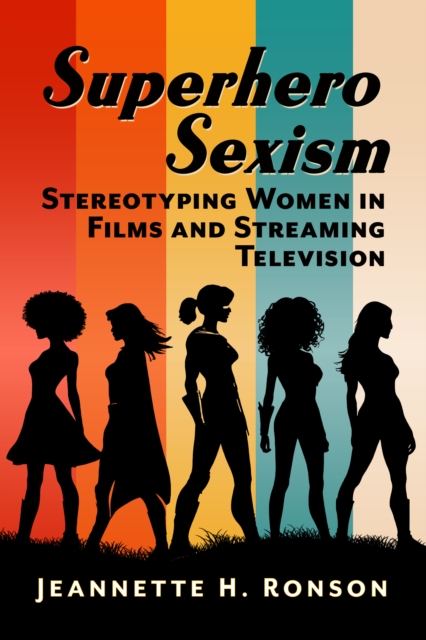
Superhero film and television often portrays lead female characters, especially those who are non-White and gender non-conforming, as sexually threatening, deceptive, hysterical, or inherently evil.
Whether your skills are in design, making, styling, illustration, textile arts or supervision - Get Into Costume helps you bridge the gap from costume education into that vital first job in the industry.
Researchers, translators, practitioners and artists join voices in this volume to explore the profound relationship between multimodality and translation.
Studienarbeit aus dem Jahr 2022 im Fachbereich Kunst - Kunstgeschichte, Note: 1,0, Ludwig-Maximilians-Universität München (Kunstgeschichte), Veranstaltung: Renaissance Architektur Digital, Sprache: Deutsch, Abstract: Die Forschungsfrage dieser Arbeit lautet: Ist Structure from Motion in der Lage, die oftmals sehr teuren und zeitaufwändigen Photogrammetrie-Projekte zur Erstellung von dreidimensionalen Architekturmodellen abzulösen?
The Tao of Us A Divine Feminine Reflection on the Tao Te ChingWhat if ancient wisdom could speak in your language, meet you in your season, and move to your rhythm?
Studienarbeit aus dem Jahr 2021 im Fachbereich Medien / Kommunikation - Film und Fernsehen, Note: 2, Universität Passau, Sprache: Deutsch, Abstract: Diese Arbeit betrachtet die Science-Fiction Motive in "Her" bei Spike Jonzes und untersucht den Film in Bezug auf die Darstellung von Technik, wie Technologien in der Gesellschaft funktionalisiert werden und welche Aussagen „Her“ mit dieser Darstellung erzielen will.