Studienarbeit aus dem Jahr 2022 im Fachbereich Medien / Kommunikation - Multimedia, Internet, neue Technologien, Note: 2,0, Rheinisch-Westfälische Technische Hochschule Aachen, Veranstaltung: Vorlesung Projekt Leonardo, Sprache: Deutsch, Abstract: Stellen Sie sich eine Welt vor, in der Fabriken intelligent sind, unsere Häuser mit uns sprechen und die Grenzen zwischen realer und virtueller Welt verschwimmen.
Studienarbeit aus dem Jahr 2021 im Fachbereich Kunst - Kunstgeschichte, Note: 13,0, , Sprache: Deutsch, Abstract: In dieser Seminararbeit wird das Werk "Der tote Spatz" von Franz Marc ,aus dem Jahre 1905 im Bezug auf seine Depressionen analysiert.
Masterarbeit aus dem Jahr 2021 im Fachbereich Soziologie - Medien, Kunst, Musik, Note: 1,3, Universität Siegen, Sprache: Deutsch, Abstract: Die These der Arbeit ist, dass die Phasen des Erlassens und Lockerns von Corona- Schutzverordnungen im Zusammenspiel mit weiteren Schlüsselmomenten der Pandemie, das Auftreten stetig neuer Sozialfiguren bedingen.
Studienarbeit aus dem Jahr 2020 im Fachbereich Medien / Kommunikation - Film und Fernsehen, Note: 1,0, Universität Passau, Sprache: Deutsch, Abstract: In dieser Arbeit wird herausgearbeitet, wie die (jugendlichen) Hauptfiguren der Serie sowie ihre Konflikte in der Serie "Türkisch für Anfänger" dargestellt werden.
Bachelorarbeit aus dem Jahr 2021 im Fachbereich Musik - Sonstiges, Note: 1,0, Hochschule für evangelische Kirchenmusik Bayreuth, Sprache: Deutsch, Abstract: Das Ziel der Arbeit ist es, Chorleiterinnen und Chorleitern neue Ideen zu geben, neue Wege aufzuzeigen und Anreize für das gemeinsame Musizieren in pandemischen Zeiten und darüber hinaus zu schaffen.
Studienarbeit aus dem Jahr 2021 im Fachbereich Filmwissenschaft, Note: 1, Universität Zürich, Sprache: Deutsch, Abstract: Ziel dieser Arbeit ist es, zu untersuchen, in welchem Ausmass der Frontier-Mythos auch in Science-Fiction implementiert wird.
Researchers, translators, practitioners and artists join voices in this volume to explore the profound relationship between multimodality and translation.
Studienarbeit aus dem Jahr 2021 im Fachbereich Theaterwissenschaft, Tanz, Note: 1,0, Johannes Gutenberg-Universität Mainz, Veranstaltung: Theaterwissenschaft -Theorie und Ästhetik: Theater und Postkolonialismus, Sprache: Deutsch, Abstract: Wie ist der Umgang mit dem Thema Kolonialismus und existiert eine politisch korrekte Darstellung der Indigenen in Disneys Film Pocahontas?
Studienarbeit aus dem Jahr 2022 im Fachbereich Kunst - Kunstgeschichte, Note: 1,0, Pädagogische Hochschule Freiburg im Breisgau, Sprache: Deutsch, Abstract: Die vorliegende Arbeit stellt eine ausführliche Werkanalyse zum berühmten Werk Pablo Picassos "Guernica" dar.
Studienarbeit aus dem Jahr 2021 im Fachbereich Filmwissenschaft, Note: 1,3, Universität Siegen (Historisches Seminar), Veranstaltung: Außerschulische Berufsfelder und Lernorte, Sprache: Deutsch, Abstract: Zunächst soll der Film im Allgemeinen in den Geschichtswissenschaften und ihr Verhältnis zueinander kurz vorgestellt werden.
Bachelorarbeit aus dem Jahr 2021 im Fachbereich AdA Kunst / Gestaltung / Medien / Sprache, Note: 2,4, SRH Hochschule Heidelberg, Sprache: Deutsch, Abstract: Diese Bachelorarbeit befasst sich mit dem Thema „NFT Art“.
Studienarbeit aus dem Jahr 2021 im Fachbereich Filmwissenschaft, Note: 1, Universität Zürich, Sprache: Deutsch, Abstract: Im ersten Kapitel dieser Arbeit wird die tragikomische Erzählstrategie von Waititi in JOJO RABBIT analysiert, indem einerseits Hitler (Taika Waititi) und die Nazis in Hinsicht auf die durch die kindische Darstellung entstehende Komik, andererseits die ‹Good Germans› Captain Klenzendorf (Sam Rockwell) und Rosie Betzler (Scarlett Johansson) in Hinblick auf die von der erwachsenen Inszenierung herrührende Tragik untersucht werden.
Projektarbeit aus dem Jahr 2021 im Fachbereich Design (Industrie, Grafik, Mode), Note: 1,0, Universität Vechta; früher Hochschule Vechta (Fakultät für Geistes- und Kulturwissenschaften), Veranstaltung: DPB907.
Masterarbeit aus dem Jahr 2021 im Fachbereich Medien / Kommunikation - Multimedia, Internet, neue Technologien, Note: 1,2, , Sprache: Deutsch, Abstract: In welchem Maße erschafft sich die deutsche Politik einen Nutzen aus den Möglichkeiten, welche die sozialen Medien bieten?
Studienarbeit aus dem Jahr 2021 im Fachbereich Medien / Kommunikation - Film und Fernsehen, Note: 1,7, Universität zu Köln (Medienkultur und Theater), Sprache: Deutsch, Abstract: Horrorfilme leben durch das Erschaffen unheimlicher Atmosphäre.
Essay aus dem Jahr 2021 im Fachbereich Kunst - Sonstiges, Note: 1,0, Alanus Hochschule für Kunst und Gesellschaft in Alfter (Philosophische und Ästhetische Bildung), Veranstaltung: Künstlerinnen der Moderne, Sprache: Deutsch, Abstract: Warum ist Kunst von Frauen immer noch so viel weniger wert?
Bachelorarbeit aus dem Jahr 2021 im Fachbereich Musik - Sonstiges, Note: 1,0, Hochschule für evangelische Kirchenmusik Bayreuth, Sprache: Deutsch, Abstract: Das Handbuch soll als Leitfaden dienen, um den Einstieg in die digitale Chorarbeit zu erleichtern und soll Chöre, Chorleiterinnen und Chorleiter auf ihrem Weg begleiten.
Studienarbeit aus dem Jahr 2020 im Fachbereich Medien / Kommunikation - Film und Fernsehen, Note: 2,7, Universität zu Köln, Sprache: Deutsch, Abstract: Die Hausarbeit analysiert die Darstellung korrupter Politiker in "House of Cards" sowie stereotypische Vorstellungen der Fraktionen in "Die Bestimmung".
This classic text about Buddhism in Japan by Lafcadio Hearnon of the first Westerns to write about Japanwill be of great interests to scholars and Japanophiles alike.
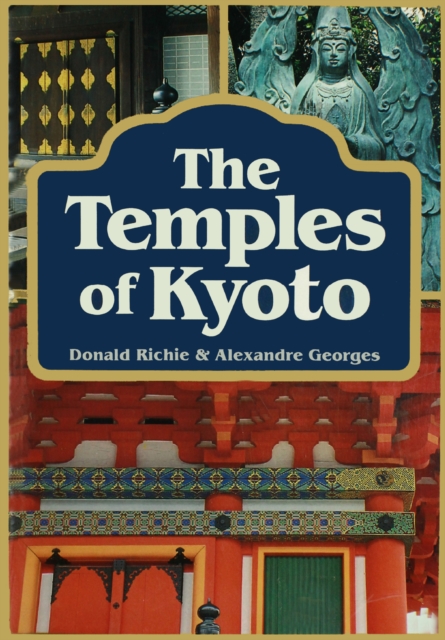
The Temples of Kyoto takes you on a journey through these environs and presents twenty-one of these marvelous structures that are unique creations which, while quintessentially Japanese, somehow speak a universal language readily appreciated by people the world over.
China's art objects and traditionally manufactured products have long been sought by collectorsfrom porcelains and silk fabrics to furniture and even the lacquered chopsticks that are a distant relation to ones found in most Chinese restaurants.
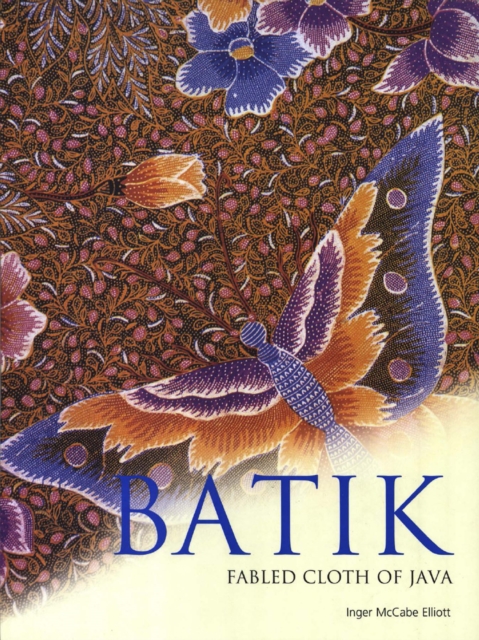
Batik: Fabled Cloth of Java is richly illustrated with color plates of the finest antique and contemporary batik from thirty museums and private collections around the world.
Studienarbeit aus dem Jahr 2021 im Fachbereich Kunst - Kunstgeschichte, Note: 1,0, Bayerische Julius-Maximilians-Universität Würzburg, Sprache: Deutsch, Abstract: In dieser Hausarbeit soll der Frage nachgegangen werden, wie sich die Meissner Chinoiserien entwickelten und welche Abwandlungen sie zu den chinesischen Originalen aufweisen.
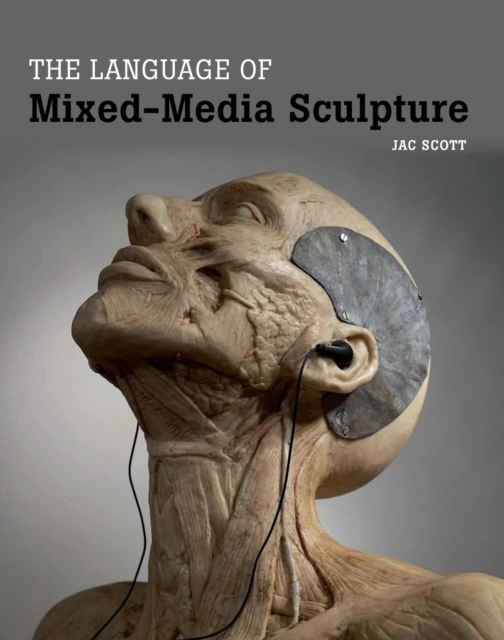
The Language of Mixed-Media Sculpture is both a survey and a celebration of contemporary approaches to sculptures that are formed from more than one material.
Silver is an exciting and versatile material for jewellery makers, both beginners and the more advanced, and nothing beats the satisfaction of creating and making your own designs.