Intertextuality is a well-known tool in literary criticism and has been widely applied to ancient literature, with, perhaps surprisingly, classical scholarship being at the frontline in developing new theoretical approaches.
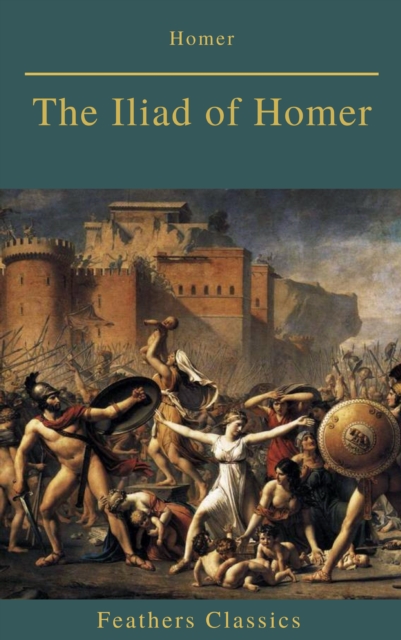
The renowned Basler Homer-Kommentar of the Iliad, edited by Anton Bierl and Joachim Latacz and originally published in German, presents the latest developments in Homeric scholarship.
This ebook compiles Edgar Allan Poe's greatest writings, including novels, short stories and poems such as "The Narrative of Arthur Gordon Pym of Nantucket", "The Fall of the House of Usher", "The Tell-Tale Heart", "The Raven" and "The Cask of Amontillado".
This volume gathers together about two thirds of the articles and essays published between 1983 and 2021 by Philip Hardie, whose work on ancient literature has been of seminal importance in the field.
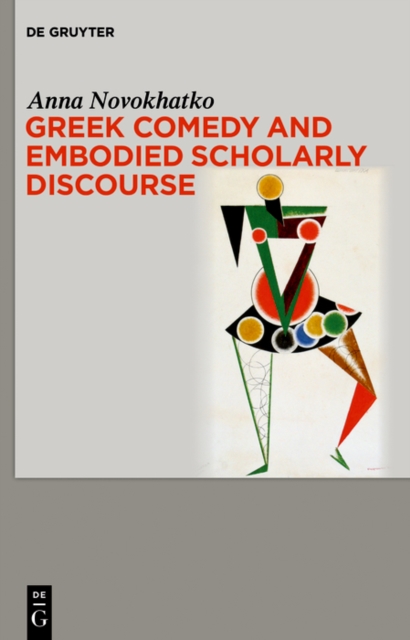
Comedy created a joyful mode of perceiving rhetoric, grammar, and literary criticism through the somatic senses of the author, the characters, the actors and the spectators.
First published in 1988, Priapea is a collection of eighty Latin epigrams, English translated, that make up the corpus Priapeorum, which displays remarkable skill, artistry and wit.
The fluidity of myth and history in antiquity and the ensuing rapidity with which these notions infiltrated and cross-fertilized one another has repeatedly attracted the scholarly interest.
Within the frame of the sub-series Athenian Dialogues, this volume comprises a selected number of talks delivered at the annual Seminar of the Research Centre for Greek and Latin Literature of the Academy of Athens 2018-2019 on the broad topic of Ancient Greek Literature and the Foreign.
First published in 1988, Priapea is a collection of eighty Latin epigrams, English translated, that make up the corpus Priapeorum, which displays remarkable skill, artistry and wit.
Ancient epistolary fiction is a still largely under-explored field of research, at the intersection of studies on epistolography and on pseudepigraphy.
This book demonstrates that the carefully chosen Greek words in Persius' programmatic passages play a significant role in the context of his literary criticism: they allow him to express his objection to the Graecizing poetic compositions of his day more convincingly, while facilitating intertextual dialogues with many writers.
Escribir un prólogo para un libro de poesía ya es sintomático de la situación defensiva en que se encuentra este género artístico en el mundo de hoy, y es mucho más clara esta connotación cuando quien prologa es el mismo poeta.
Nada de lo que los antiguos maestros grecolatinos escribieron ha dejado de importarnos, de iluminarnos, de darnos rostro y alma, y, dentro del teatro trágico, Electra y Medea son, junto a Antígona, Fedra e Ifigenia, las heroínas que más inspiraron a los dramaturgos posteriores como O´Neill, Hofmannsthal, Anouilh, Giraudoux, Marina Tsvietáieva, Alfonso Reyes, Jean-Paul Sartre, Marguerite Yourcenar o Virgilio Piñera, por hablar solo de autores del siglo xx.
En su lectura estaremos presentes en la vida cotidiana de la Grecia del siglo II, sintiendo sus estaciones, el olor de sus campos, viendo el horizonte de su mar y asombrándonos al ver un ladrón, unos jóvenes de la ciudad que se divierten o el sibilino acercamiento de un pederasta.
Abrir nuestra mirada inquisidora a la más idiosincrásica de las enfermedades dramáticas sin desdeñar ninguno de los elementos que pudieran contribuir a iluminarla –el modelo de la psiquiatría y en particular el del psicoanálisis lacaniano entre otros– es el eje que Cecilia Perczyk nos plantea en estas páginas.
La mitología es un legado universal y eterno que representa las experiencias humanas absolutas: el amor, la muerte, el nacimiento, la traición, la soledad o el sexo.