This book investigates the complex reception of Terence in Ovid and a number of allusions to the Terentian comedies in the love elegies and the exilic elegiac epistle Tristia 2.
Sophocles addresses themes of civil disobedience, fidelity, and love for family; and questions which law is greater: the gods' or man's-in this play that challenged many established mores of Ancient Greece.
Set in the city of Argos a few years after the Trojan war, 'Electra' recounts the tale of Electra and the vengeance that she and her brother Orestes take on their mother Clytemnestra and step father Aegisthus for the murder of their father, Agamemnon.

Widely regarded as one of the greatest Greek tragedies, 'King Oedipus' (or 'Oedipus Rex') is the first play in the Oedipus trilogy (followed by 'Oedipus at Colonus' and then 'Antigone').
Ten tragedies by one of the three great tragedians of classical Athens, namely Hecuba, Orestes, The Ph nician Virgins, Medea, Hippolytus, Alcestis, The Bacchae, The Heraclidae, Iphigenia in Aulis, and Iphigenia in Tauris.
One of the oldest surviving works of literature widely read to this day, Homer's "e;Odyssey"e; tells the story of Odysseus, Greek hero king of Ithaca and his voyage back home following the cessation of the Trojan War.
"e;The Iliad"e; is Homer's legendary account of the Trojan War, an epic battle that took place over three thousand years ago and had a significant impact on world history.
The play is notable for its absurd humour, its imaginative appeal for an end to the Peloponnesian War and for the author's spirited response to condemnations of his previous play, The Babylonians, by politicians such as Cleon, who had reviled it as a slander against the Athenian polis.
The Frogs tells the story of the god Dionysus, despairing of the state of Athens' tragedians, and allegedly recovering from the disastrous Battle of Arginusae.
Unlike the author's other early plays, it includes no direct mention of the Peloponnesian War and there are few references to Athenian politics, and yet it was staged not long after the commencement of the Sicilian Expedition, an ambitious military campaign that had greatly increased Athenian commitment to the war effort.
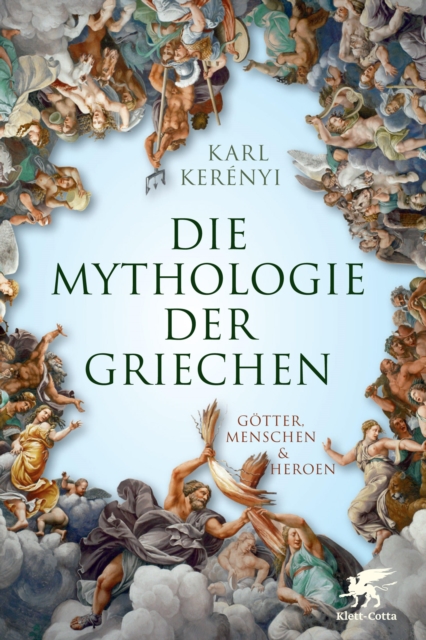
Mythology is the body of myths and teachings that belong to the ancient people, concerning their gods and heroes, the nature of the world, and the origins and significance of their own cult and ritual practices.
Lysistrata persuades the women of Greece to withhold sexual privileges from their husbands and lovers as a means of forcing the men to negotiate peace - a strategy, however, that inflames the battle between the sexes.
Hesiod's Theogony is a large-scale synthesis of a vast variety of local Greek traditions concerning the gods, organized as a narrative that tells how they came to be and how they established permanent control over the cosmos.