In ihrer Gesamtheit bewerten die Befragten die Artikel der Aufbereitungsart "lokaler Bezug" eindeutig am besten und würden diese Texte auch am ehesten lesen.
Throughout the first two decades of the twenty-first century, the so-called Muslim question has intermittently, though persistently, taken centre stage in Western media and political discourses.
This book compares the interrelationship of Irish writer James Joyce's literary works and specific Nordic literature in translation, employing an onomastic and etymological framework.
The Death of the Author and Anticolonial Thought promises to transform a decades old debate in literary studies about the relation between structure and agency, form and intention by giving a detailed account-previously unstudied-of the way colonized writers have responded to, learned from, and critiqued the death of the author postulate declared by Roland Barthes in 1967.
This book adopts a transatlantic approach to consider literature and cultural products produced by authors confronted with the experience of migration, working from or looking in the direction of the Global North.
Feministische Literatur- und Kulturkritik erforscht interdisziplinäre Verbindungen zwischen Kulturanthropologie, Geographie, Psychologie und feministischer Literaturkritik, um einen theoretischen Rahmen für Raumkritik zu entwickeln.
Giving Voice to Exile in Literature: The Burdens and Privileges of Inheritance aims to provide undergraduate, graduate and professional readers with a nuanced understanding of how the unique status of exile, issues of displacement, complexities of cultural identity formation, the state of in-betweenness (liminality), and alienation shape fundamental human experiences.
Transmodern Literatures in the 21st Century: Of(f) Limits offers an in-depth examination of how transmodern literatures in English over the last two decades have addressed the phenomenon of the limit.
This book examines the public perception, scholarly reception, and critical analysis of Japan through translations of its literature and artistic endeavors within the temporal frame and geopolitical confines of the countries that were either occupied or left under the influence of the Soviet Union after World War II.
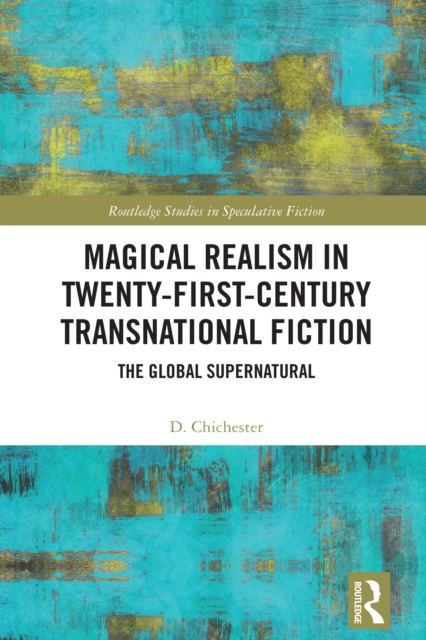
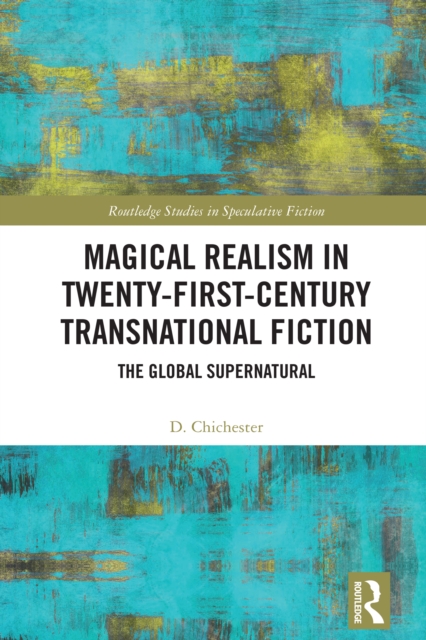
Magical Realism in Twenty-First-Century Transnational Fiction: The Global Supernatural offers a much-needed re-evaluation of magical realism, moving beyond traditional postcolonial frameworks to explore its vibrant evolution in the 21st century.
Magical Realism in Twenty-First-Century Transnational Fiction: The Global Supernatural offers a much-needed re-evaluation of magical realism, moving beyond traditional postcolonial frameworks to explore its vibrant evolution in the 21st century.
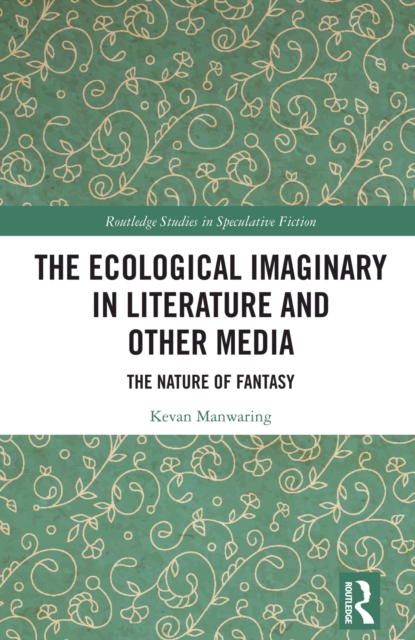
From Gilgamesh to Gawain and the Green Knight, the Brothers Grimm to Grimdark, the natural world has provided the backdrop for Fantasy since its earliest iterations.
In the symbolic language of ballads, a lady's costly dress tells of the beauty of the body beneath it or of the wearer's happiness; a lost hawk or hound foreshadows the hunter's fate long before the plot reaches a turning point.
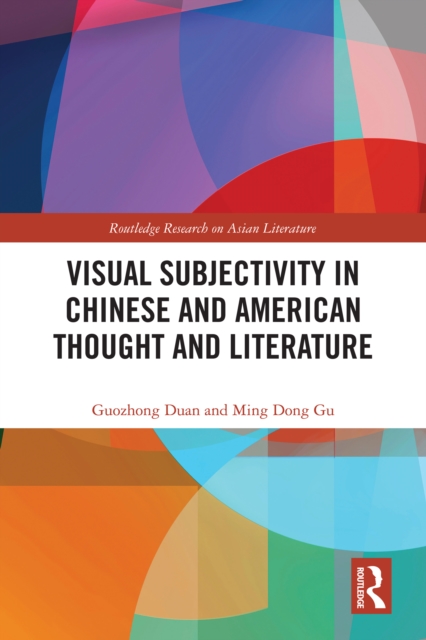
Providing the reader with a systematic study of visual subjectivity in comparative thought and literature, this book analyses the role that vision and visuality, especially interpersonal visuality, plays in the constitution of subject and subjectivity in Chinese and American traditions.
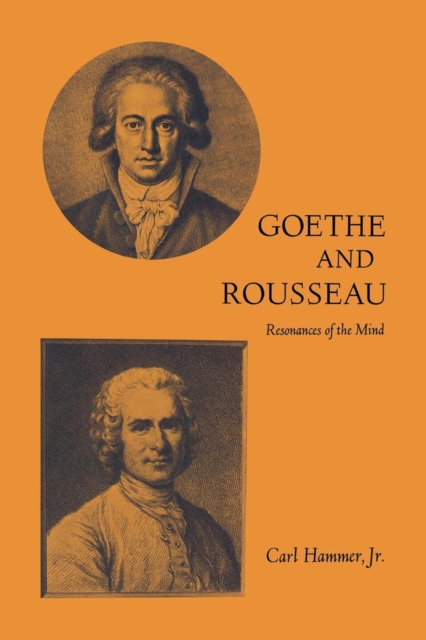
The profound impact of Jean-Jacques Rousseau on Western thought has been frequently examined, yet the extent of Goethe's relationship to Rousseau has never before received thorough study.
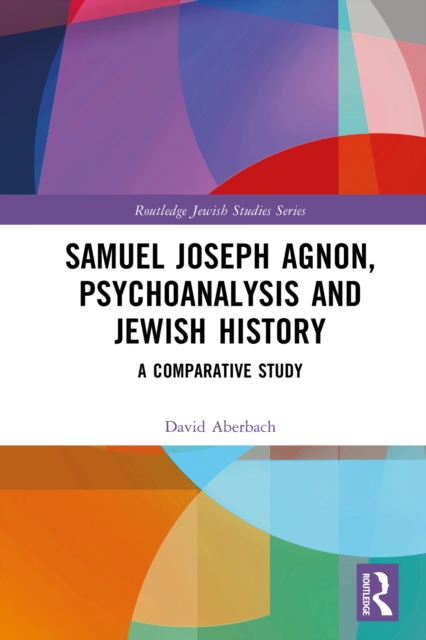
Samuel Joseph Agnon, Psychoanalysis and Jewish History: A Comparative Study compares the writings of Samuel Joseph Agnon (1887-1970) with other writers, including Gustav Flaubert, Franz Kafka, D.
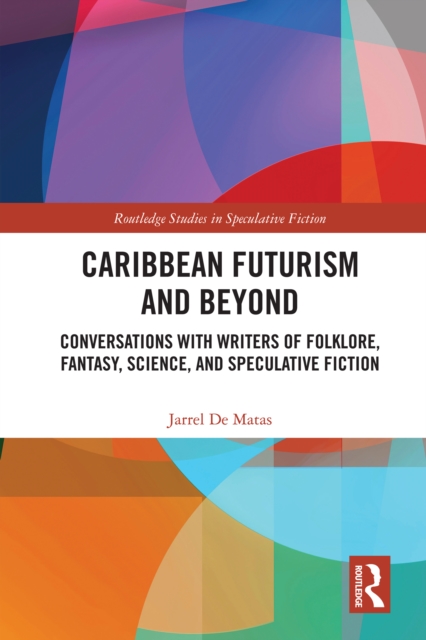
Caribbean Futurism and Beyond is a tripartite combination of interviews with writers of the sf (speculative fiction, science fiction, fantasy, and folklore) genre, literary and cultural analysis of those interviews within the context of seven discrete yet overlapping dimensions - folklore, mythology, children's and young adult literature, science, technology, climate disaster, and identity; and a theoretical basis of Caribbean futurism as an esthetic practice reflecting not just future but also past and present experiences of Caribbean people.