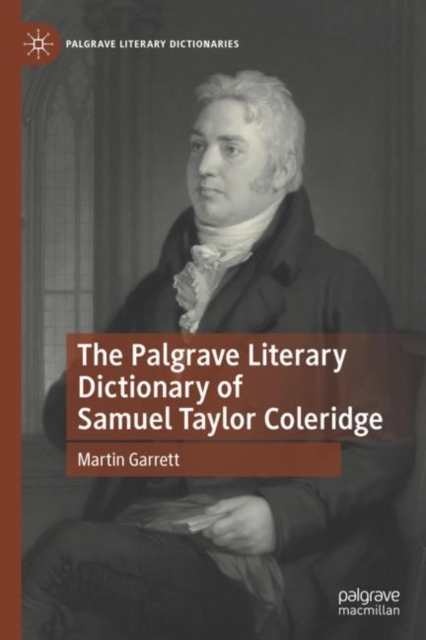
This volume explores 'the labyrinth of what we call Coleridge' (Virginia Woolf): his poems and prose, their sources, interpretation and reception; his life, troubled marriage and fatherhood, conversation, changing intellectual contexts and legacy.
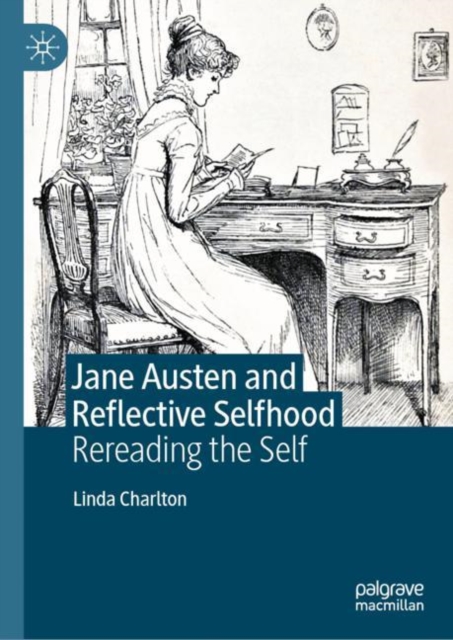
This book makes connections between selfhood, reading practice and moral judgment which propose fresh insights into Austen's narrative style and offer new ways of reading her work.
This book explores how two early modern and two modern Japanese writers - Yosa Buson (1716-83), Ema Saiko (1787-1861), Masaoka Shiki (1867-1902), and Natsume Soseki (1867-1916) - experimented with the poetic artifice afforded by the East Asian literati (bunjin) tradition, a repertoire of Chinese and Japanese poetry and painting.
This collection of essays by leading scholars in Burney studies provides an innovative, interdisciplinary critical consideration of the relationship of one of the major authors of the long English Romantic period with the arts.
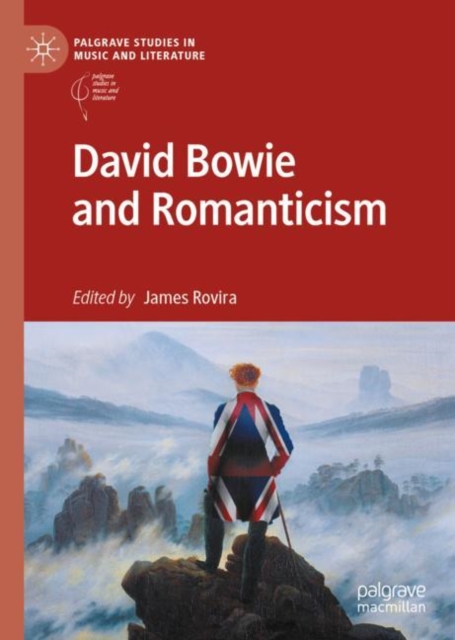
David Bowie and Romanticism evaluates Bowie's music, film, drama, and personae alongside eighteenth- and nineteenth-century poets, novelists, and artists.
British travellers regarded all inhabitants of the seventeenth-century Ottoman empire as 'slaves of the sultan', yet they also made fine distinctions between them.
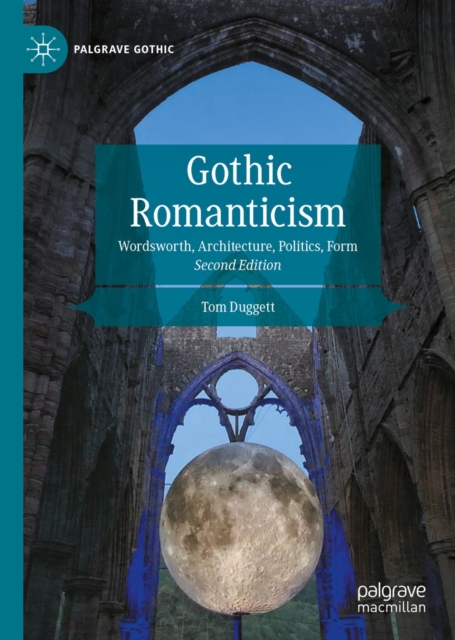
Gothic Romanticism: Wordsworth, Architecture, Politics, Form offers a revisionist account of both Wordsworth and the politics of antiquarianism in the late eighteenth and early nineteenth centuries.
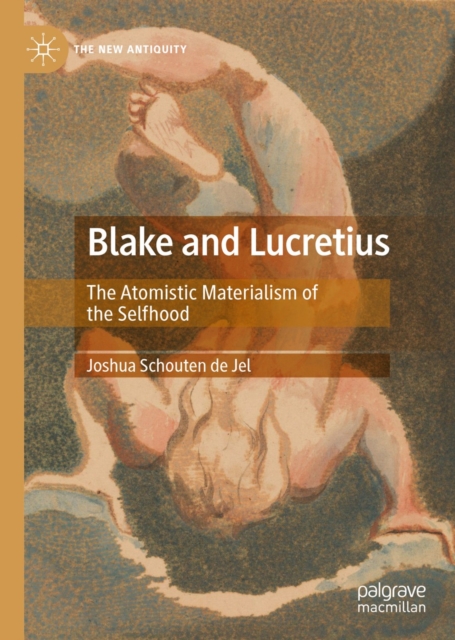
This book demonstrates the way in which William Blake aligned his idiosyncratic concept of the Selfhood - the lens through which the despiritualised subject beholds the material world - with the atomistic materialism of the Epicurean school as it was transmitted through the first-century BC Roman poet and philosopher Lucretius' De Rerum Natura.
This book frames British Romanticism as the artistic counterpart to a revolution in subjectivity occasioned by the rise of "e;The Rule of Law"e; and as a traumatic response to the challenges mounted against that ideal after the French Revolution.
This monograph reorients discussion of Blake's prophetic mode, revealing it to be not a system in any formal sense, but a dynamic, human response to an era of momentous historical change when the future Blake had foreseen and the reality he was faced with could not be reconciled.
This edited collection aims at highlighting the various uses of water in sixteenth, seventeenth, and eighteenth-century England, while exploring the tensions between those who praised the curative virtues of waters and those who rejected them for their supposedly harmful effects.
This book takes a closer look at the diversity of fiction writing from Diderot to Markson and by so doing call into question the notion of a singular "e;theory of fiction,"e; especially in relation to the novel.
Time, the City, and the Literary Imagination explores the relationship between the constructions and representations of the relationship between time and the city in literature published between the late eighteenth century and the present.
Data Visualization in Enlightenment Literature and Culture explores the new interpretive possibilities offered by using data visualization in eighteenth-century studies.
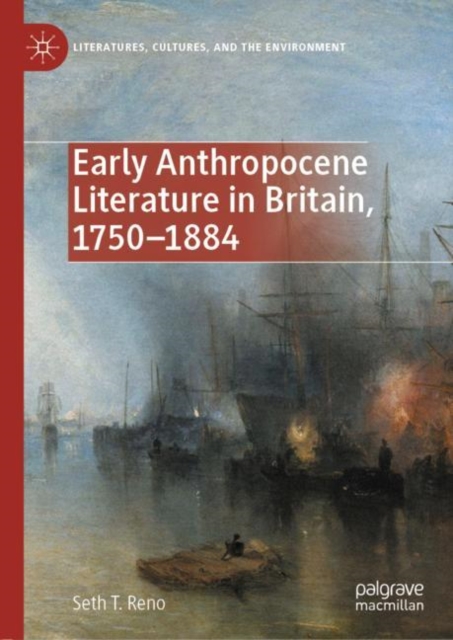
This book questions when exactly the Anthropocene began, uncovering an "e;early Anthropocene"e; in the literature, art, and science of eighteenth- and nineteenth-century Britain.
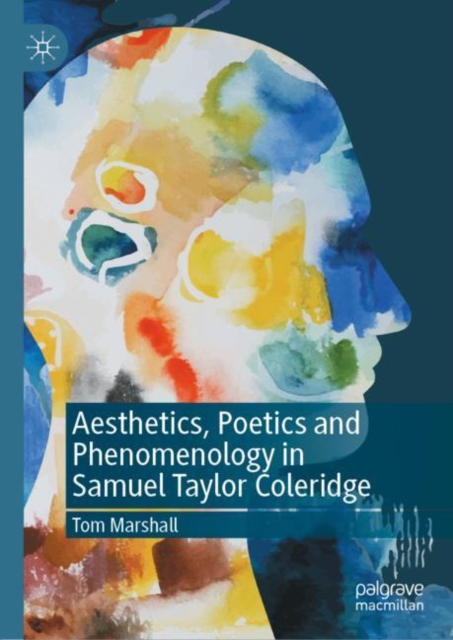
This book re-evaluates the philosophical status of Samuel Taylor Coleridge by providing an extended comparison between his work and the phenomenological theory of Edmund Husserl.
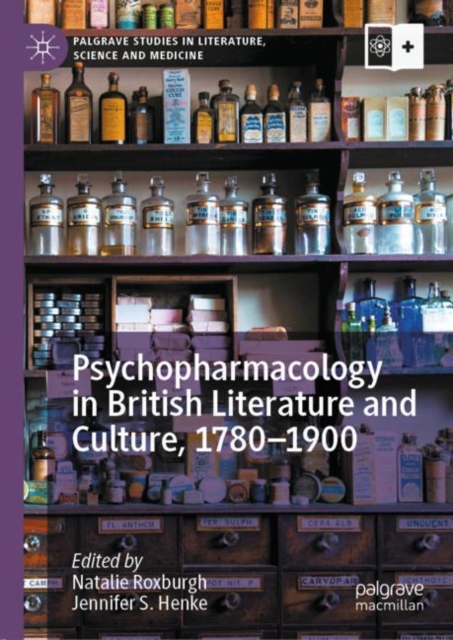
This collection of essays examines the way psychoactive substances are described and discussed within late eighteenth- and nineteenth-century British literary and cultural texts.
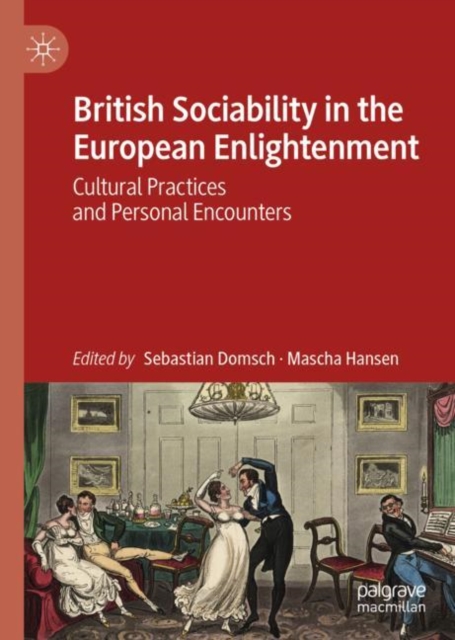
This volume covers a broad range of everyday private and public, touristic, commercial and fictional encounters between Britons and continental Europeans, in a variety of situations and places: moments that led to a meaningful exchange of opinions, practices, or concepts such as friendship or politeness.
The Agency of Objects in English Prose, 1789-1832: Conspicuous Things engages with new materialist methodologies to examine shifting perceptions of nonhuman agency in English prose at the turn of the nineteenth century.
This book assesses the mediating role played by 'affections' in eighteenth-century contestations about reason and passion, questioning their availability and desirability outside textual form.
This book argues for the importance of blasphemy in shaping the literature and readership of Percy Bysshe Shelley and of the Romantic period more broadly.