A major academic controversy has raged in recent years over the analysis of the political and religious commitments of Samuel Johnson, the most commanding of the 'commanding heights' of eighteenth-century English letters.
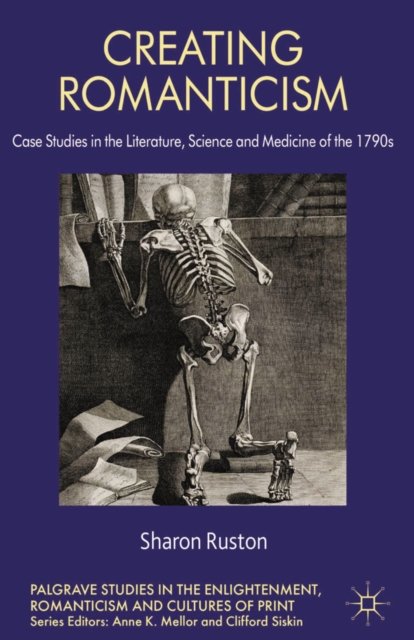
This book argues that the term 'Romanticism' should be more culturally-inclusive, recognizing the importance of scientific and medical ideas that helped shape some of the key concepts of the period, such as natural rights, the creative imagination and the sublime.
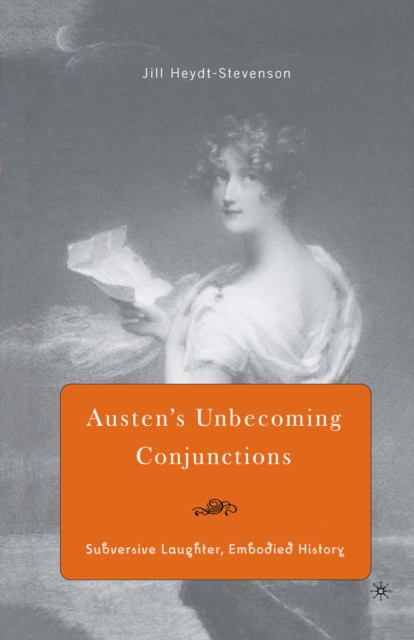
Austen'sUnbecomingConjunctions is a contemporary study of all Jane Austen's writings focusing on her representation of women, sexuality, the material objects, and linguistic patterns by which this sexuality was expressed.
In a fresh investigation of primary sources and original readings, Kitson traces the origins of contemporary ideas about race though a variety of late Eighteenth and early Nineteenth century literary texts by Coleridge, Byron, Shelley, De Quincey, and other published and unpublished writings about travel and exploration and natural history.
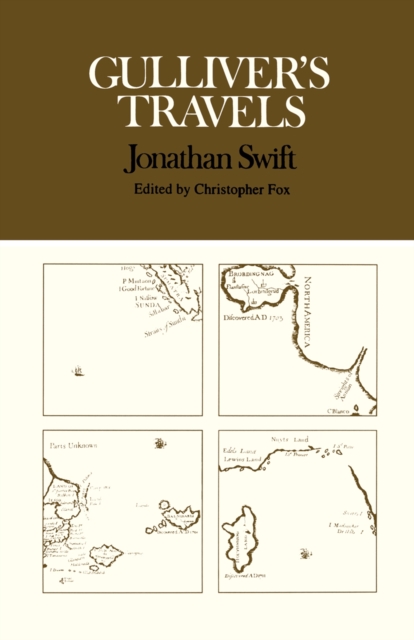
This work includes the complete authoritative text with biographical & historical contexts, critical history and essays from five contemporary critical perspectives.
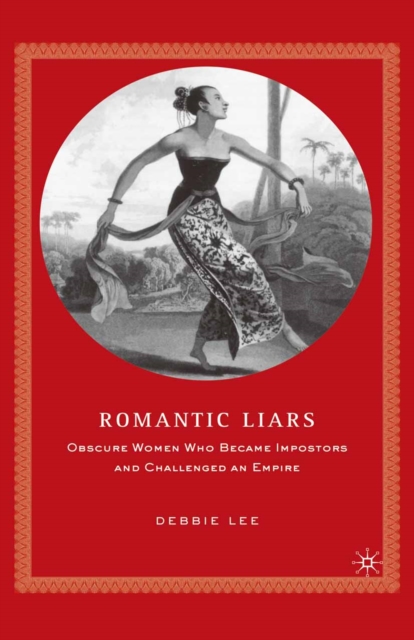
Lee unfolds the stories of six women with a cast of supporting characters such as Samuel Taylor Coleridge, Benjamin Franklin, Stamford Raffles and Napoleon against the grand narrative of England's 18th century empire building.
This study of the afterlife of Robinson Crusoe offers insights into the continued popularity and relevance of Crusoe's story and how modern conceptions of childhood are shaped by nostalgia and ideas of 'the popular'.
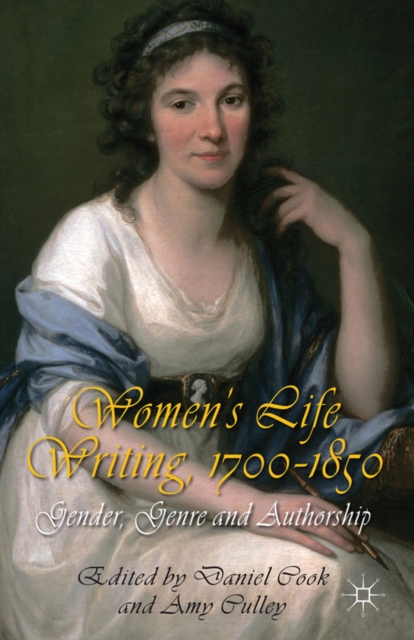
Using unpublished manuscript writings, this book reinterprets material, social, literary, philosophical and religious contexts of women's letter-writing in the long 18th century.
Examining how labouring-class poets constructed themselves and were constructed by critics as part of a canon, and how they situated their work in relation to contemporaries and poets from earlier periods, this book highlights the complexities of labouring-class poetic identities in the period from Burns to mid-late century Victorian dialect poets.
Focusing on dramatic criticism, this book explores the self authorizing strategies of writers such as Jonson, Dryden, Aphra Behn, Thomas Rymer, Jeremy Collier and Joseph Addison.
Innovative and multidisciplinary, this collection of essays marks out the future of Atlantic Studies, making visible the emphases and purposes now emerging within this vital comparative field.
It is thought that Swift was opposed to the new science that heralded the beginning of the modern age, but this book interrogates that assumption, tracing the theological, political, and socio-cultural resonances of scientific knowledge in the early eighteenth century, and considering what they can reveal about Swift's imagination.
This study examines Mary Wollstonecraft-generally recognized as the founder of the early feminist movement-by shedding light on her contributions to eighteenth-century instructional literature, and feminist pedagogy in particular.
This study examines Mary Wollstonecraft-generally recognized as the founder of the early feminist movement-by shedding light on her contributions to eighteenth-century instructional literature, and feminist pedagogy in particular.
In this timely new study, Borlik reveals the surprisingly rich potential for the emergent "e;green"e; criticism to yield fresh insights into early modern English literature.
In this timely new study, Borlik reveals the surprisingly rich potential for the emergent "e;green"e; criticism to yield fresh insights into early modern English literature.
This study interprets eighteenth-century satire's famous typographical obsession as a fraught response to the Enlightenment's "e;ocularcentric"e; epistemological paradigms, as well as to a print-cultural moment identified by book-historians as increasingly "e;visual"e; - a moment at which widespread attention was being paid, for the first time, to format, layout, and eye-catching advertising strategies.
This study interprets eighteenth-century satire's famous typographical obsession as a fraught response to the Enlightenment's "e;ocularcentric"e; epistemological paradigms, as well as to a print-cultural moment identified by book-historians as increasingly "e;visual"e; - a moment at which widespread attention was being paid, for the first time, to format, layout, and eye-catching advertising strategies.
During the so-called Age of Melancholy, many writers invoked both traditional and new conceptualizations of the disease in order to account for various types of social turbulence, ranging from discontent and factionalism to civil war.
During the so-called Age of Melancholy, many writers invoked both traditional and new conceptualizations of the disease in order to account for various types of social turbulence, ranging from discontent and factionalism to civil war.
The hardline, uncompromising theology preached by the English Church in the 16th and 17th Centuries had disturbing effects on the literature of the period.
The hardline, uncompromising theology preached by the English Church in the 16th and 17th Centuries had disturbing effects on the literature of the period.
In this timely new study, Borlik reveals the surprisingly rich potential for the emergent "e;green"e; criticism to yield fresh insights into early modern English literature.
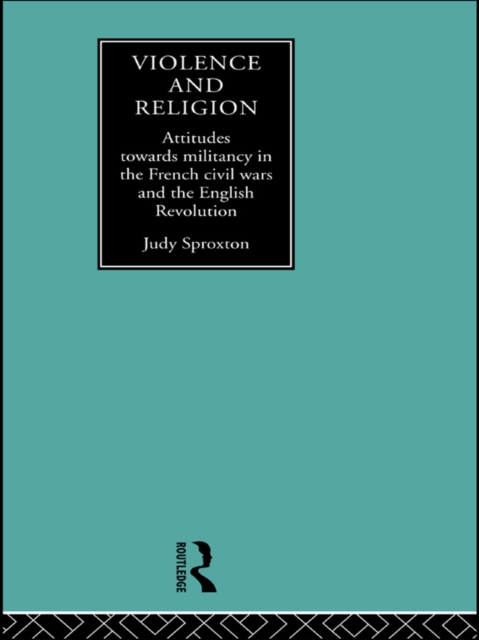
Integrating her extensive knowledge of sixteenth and seventeenth century literature, Judy Sproxton examines the expression of a recurring theme in history, that of the tension between religious faith and political and militant action.
Integrating her extensive knowledge of sixteenth and seventeenth century literature, Judy Sproxton examines the expression of a recurring theme in history, that of the tension between religious faith and political and militant action.
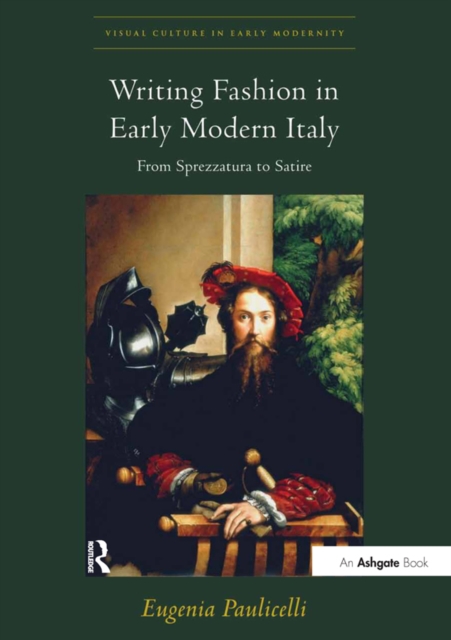
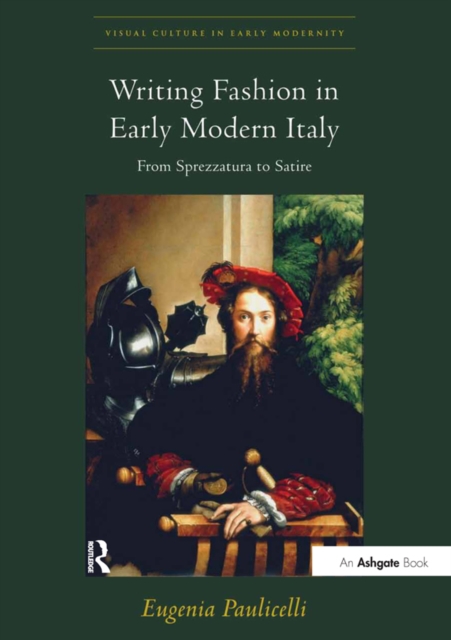
The first comprehensive study on the role of Italian fashion and Italian literature, this book analyzes clothing and fashion as described and represented in literary texts and costume books in the Italy of the 16th and 17th centuries.
The first comprehensive study on the role of Italian fashion and Italian literature, this book analyzes clothing and fashion as described and represented in literary texts and costume books in the Italy of the 16th and 17th centuries.
The fruit of intensive collaboration among leading international specialists on the literature, religion and culture of early modern England, this volume examines the relationship between writing and religion in England from 1558, the year of the Elizabethan Settlement, up until the Act of Toleration of 1689.
The fruit of intensive collaboration among leading international specialists on the literature, religion and culture of early modern England, this volume examines the relationship between writing and religion in England from 1558, the year of the Elizabethan Settlement, up until the Act of Toleration of 1689.