The Automaton in English Renaissance Literature features original essays exploring the automaton-from animated statue to anthropomorphized machine-in the poetry, prose, and drama of England in the 16th and 17th centuries.
The Automaton in English Renaissance Literature features original essays exploring the automaton-from animated statue to anthropomorphized machine-in the poetry, prose, and drama of England in the 16th and 17th centuries.
Through its exploration of the intersections between the culture of the wool broadcloth industry and the literature of the early modern period, this study contributes to the expanding field of material studies in sixteenth- and seventeenth-century England.
Through its exploration of the intersections between the culture of the wool broadcloth industry and the literature of the early modern period, this study contributes to the expanding field of material studies in sixteenth- and seventeenth-century England.
The first scholarly edition of the complete works of Jane Cavendish, this volume presents as complete a collection as possible of works and historical documents pertaining to a particularly compelling figure from the English Civil War.
The first scholarly edition of the complete works of Jane Cavendish, this volume presents as complete a collection as possible of works and historical documents pertaining to a particularly compelling figure from the English Civil War.
Taking up the invitation extended by tentative attempts over the past three decades to construct a functioning definition of the genre, Jonathan Bradbury traces the development of the vernacular miscellany in sixteenth- and seventeenth-century Spain and Spanish-America.
Taking up the invitation extended by tentative attempts over the past three decades to construct a functioning definition of the genre, Jonathan Bradbury traces the development of the vernacular miscellany in sixteenth- and seventeenth-century Spain and Spanish-America.
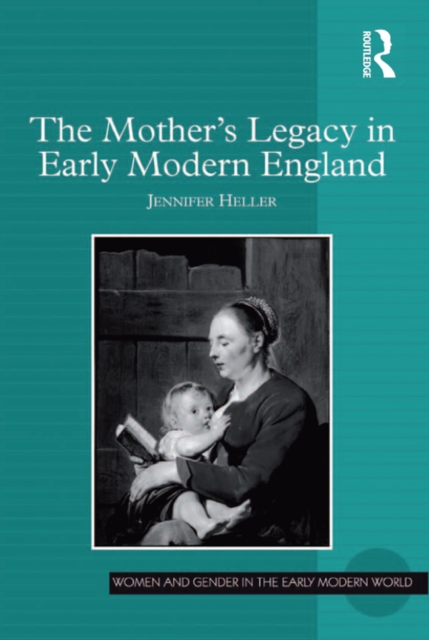
Using printed and manuscript texts composed between 1575 and 1672, Jennifer Heller defines the genre of the mother's legacy as a distinct branch of the advice tradition in early modern England that takes the form of a dying mother's pious counsel to her children.
Using printed and manuscript texts composed between 1575 and 1672, Jennifer Heller defines the genre of the mother's legacy as a distinct branch of the advice tradition in early modern England that takes the form of a dying mother's pious counsel to her children.
Writing and the English Renaissance is a collection of essays exploring the full creative richness of Renaissance culture during the sixteenth and seventeenth centuries.
Writing and the English Renaissance is a collection of essays exploring the full creative richness of Renaissance culture during the sixteenth and seventeenth centuries.
The life and times of Milton's epic poem about Satan's revolt against God and humanity's expulsion from paradiseJohn Milton's Paradise Lost has secured its place in the pantheon of epic poems, but unlike almost all other works in the pantheon, it is intimately associated with religious doctrine and its implications for how we live our lives.
A Modern Coleridge shows the interrelatedness of the discourses of cultivation, addiction and habit in Coleridge's poetry and prose, and argues that these all revolve around the problematic nexus of a post-Kantian idea of free will, essential to Coleridge's eminently modern idea of the 'human'.
Moving away from traditional studies of Gothic domesticity based on symbolism, Soon instead focuses on domestic space's material presence and the traces it leaves on the human subjects inhabiting it.
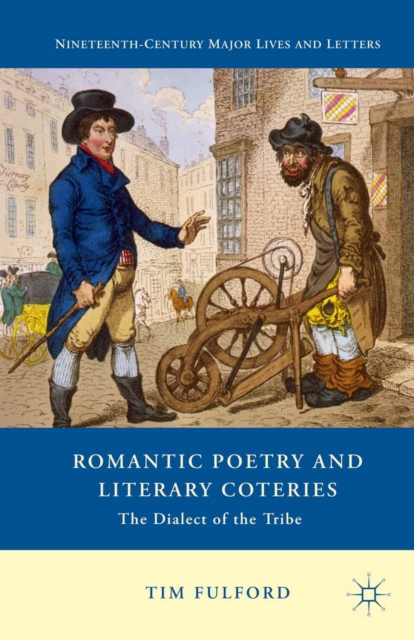
Combining historical poetics and book history, Romantic Poetry and Literary Coteries shows Romanticism as characterized by tropes and forms that were jointly produced by literary circles.
In this book the eighteenth century Enlightenment receives an important reassessment, using an astonishing range of materials and objects drawn from Europe and beyond, including artefacts from India and China, West Africa and Polynesia.
This book argues that the most interesting depictions of blindness in French fiction are those which call into question and ultimately undermine the prevailing myths and stereotypes of blindness which dominate Western thought.
This book provides compelling new readings of William Blake's poetry and art, including the first sustained account of his visionary paintings of Pitt and Nelson.
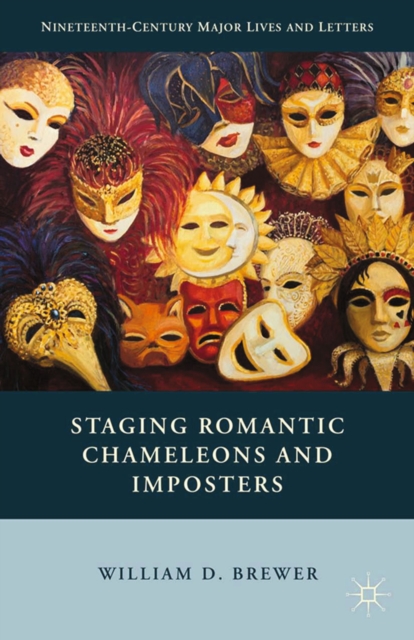
Examining chameleonic identities as seen in theatrical performances and literary texts during the Romantic period, this study explores cultural attitudes toward imposture and how it reveals important and much-debated issues about this time period.
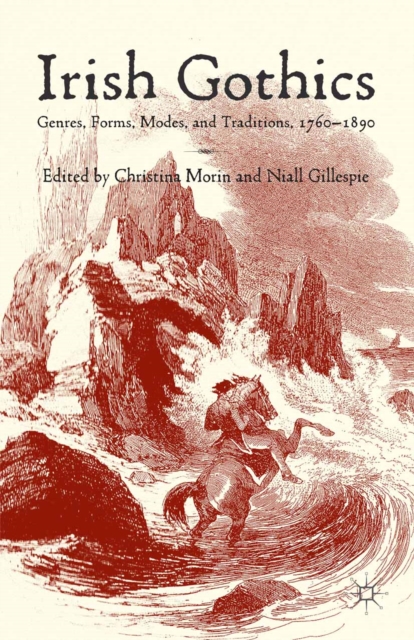
Scholarly interest in 'the Irish Gothic' has grown at a rapid pace in recent years, but the debate over exactly what constitutes this body of literature remains far from settled.
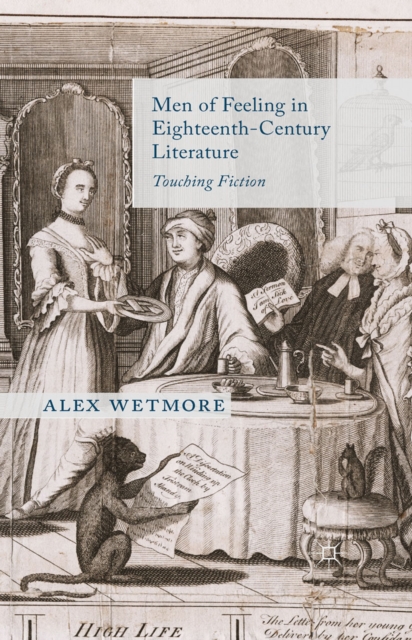
Analysing texts by Sterne, Smollett, Brooke, and Mackenzie, this book offers a new perspective on a question that literary criticism has struggled with for years: why are many sentimental novels of the 1700s so pervasively and playfully self-conscious, and why is this self-consciousness so often directed toward the materiality of the printed word?
Presented here, for the first time since their publication over a century ago, are twelve previously unknown published works of fiction, poetry, and journalistic writing by Bram Stoker (1847-1912), three works never before reprinted, twelve period writings about Stoker, and the rare 1913 estate sale catalogue of his personal library.
Long before Wordsworth etherealized him as 'the marvellous Boy / The sleepless Soul that perished in its pride', Thomas Chatterton was touted as the 'second Shakespeare' by eighteenth-century Shakespeareans, ranked among the leading British poets by prominent literary critics, and likened to the fashionable modern prose stylists Macpherson, Sterne, and Smollett.
By identifying a pervasive cultivation of attention as a perceptual and cognitive state in eighteenth-century poetry, this book explores overt themes of attention and demonstrate techniques of readerly attention.
Examining popular contexts of Greek revivalism associated with women, Comet challenges the masculine narrative of English Classicism by demonstrating that it thrived in non-male spaces, as an ephemeral ideal that betrayed a distrust of democratic rhetoric that ignored the social inequities of the classical world.
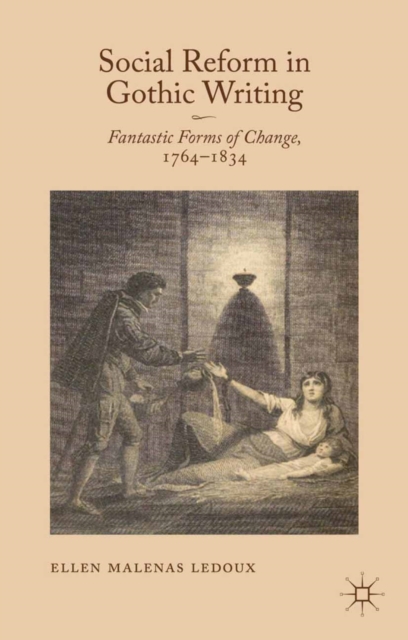
Social Reform in Gothic Writing provides a transatlantic view of the politically transformative power that Gothic texts effected during the Revolutionary era (1764-1834) through providing fresh readings of canonical and non-canonical writing in a wide variety of genres.
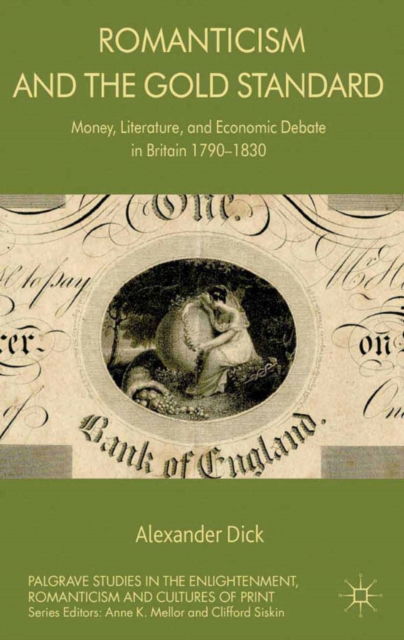
Through a close analysis of the pamphlets, reviews, lectures, journalism, editorials, poems, and novels surrounding the introduction of the gold standard in 1816, this book examines the significance of monetary policy and economic debate to the culture and literature of Britain during the age of Romanticism.
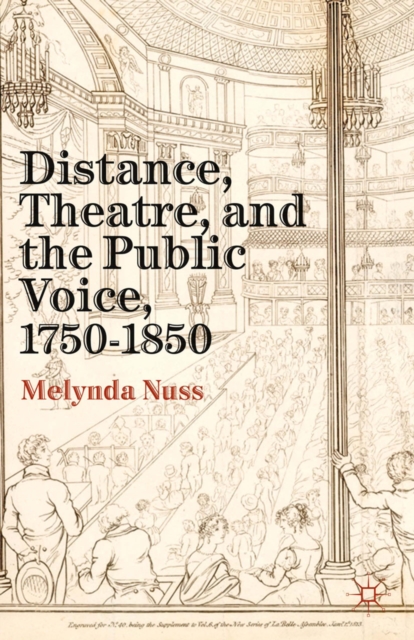
As theatres expanded in the eighteenth and nineteenth centuries, the distance between actor and audience became a telling metaphor for the distance emerging between writers and readers.
Examining the work of three authors: Richardson, Haywood and Burney, and their representation of domestic space, this book argues that to make such spaces accessible to modern readers they need to have information of the real domestic.
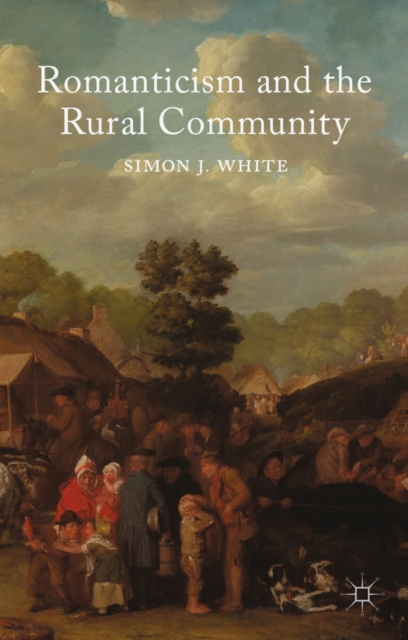
The proper organisation of rural communities was central to political and social debates at the turn of the eighteenth century, and featured strongly in the 1790s political polemic that influenced so many Romantic poets and novelists.
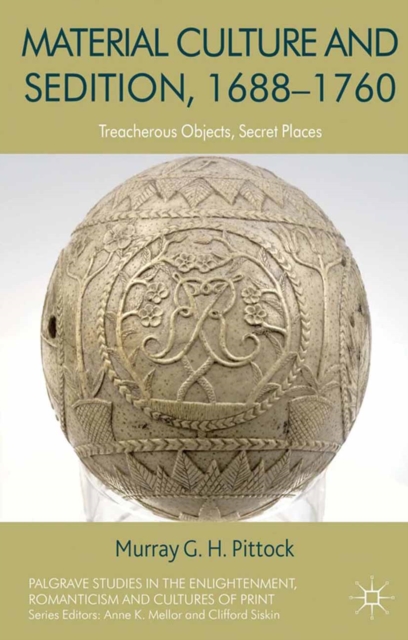
Material Culture and Sedition, 1688-1760 is a groundbreaking study of the ways in which material culture (and its associated designs, rituals and symbols) was used to avoid prosecution for treason and sedition in the British Isles.