Paradise Lost is not merely the masterpiece of John Milton (1608-74) but a turning point in style and form, which had a profound influence on the poetry of the following century.
This is an impressive and lucid survey of eighteenth-century intellectual life, providing a real sense of the complexity of the age and of the cultural and intellectual climate in which imaginative literature flourished.
This is an impressive and lucid survey of eighteenth-century intellectual life, providing a real sense of the complexity of the age and of the cultural and intellectual climate in which imaginative literature flourished.
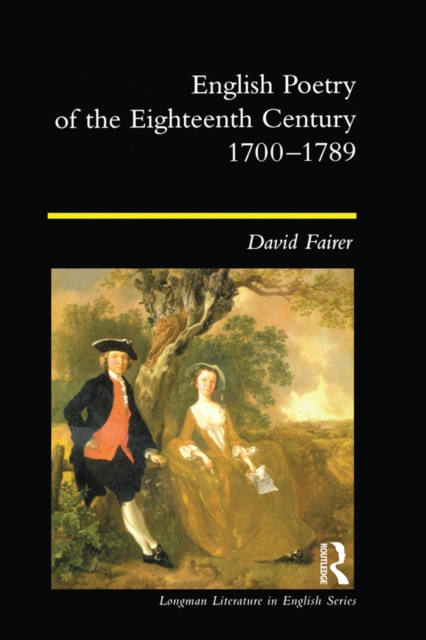
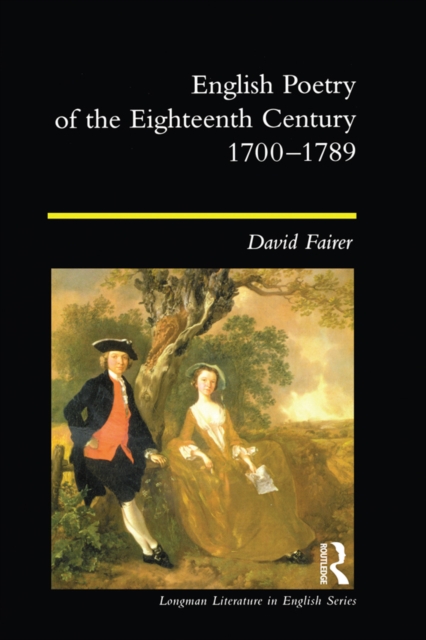
In recent years the canon of eighteenth-century poetry has greatly expanded to include women poets, labouring-class and provincial poets, and many previously unheard voices.
In recent years the canon of eighteenth-century poetry has greatly expanded to include women poets, labouring-class and provincial poets, and many previously unheard voices.
Im Gegensatz zu den bisher vorrangig werkorientierten Untersuchungen zur frühbarocken Dichterin Sibylla Schwarz (1621-1638) versteht sich dieser Band durch eine kulturgeschichtliche Kontextualisierung ihrer Poesie als Korrektur und Erweiterung früherer Forschungen.
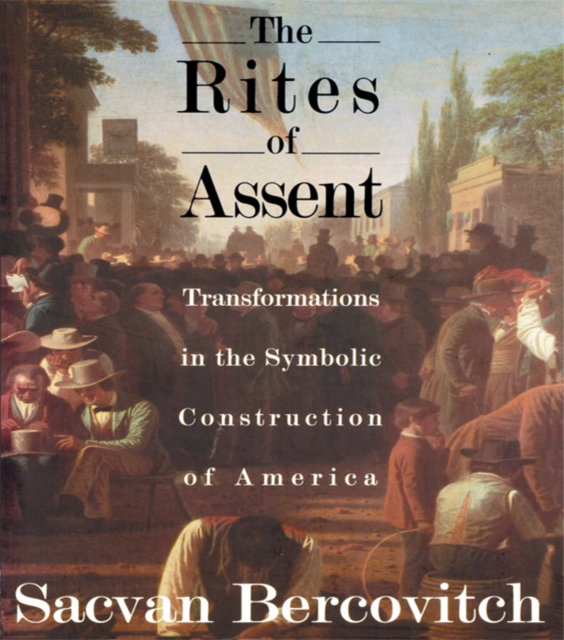
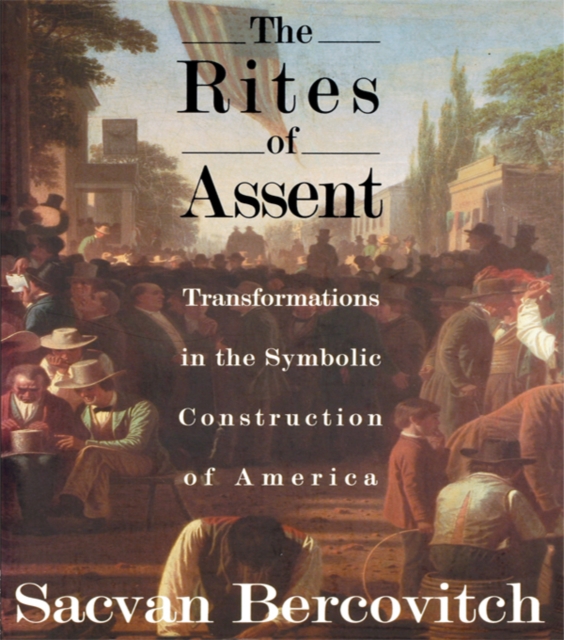
The Rites of Assent examines the cultural strategies through which "e;America"e; served as a vehicle simultaneously for diversity and cohesion, fusion and fragmentation.
The Rites of Assent examines the cultural strategies through which "e;America"e; served as a vehicle simultaneously for diversity and cohesion, fusion and fragmentation.
The author here reassesses the concept of 'masculinity', and argues that it cannot be seen as an absolute standard, but only as the product of perpetual conflict between competing and unstable models.
The author here reassesses the concept of 'masculinity', and argues that it cannot be seen as an absolute standard, but only as the product of perpetual conflict between competing and unstable models.
First published in 1972, this is the first detailed study of the milieu of the eighteenth-century literary hack and its significance in Augustan literature.
First published in 1972, this is the first detailed study of the milieu of the eighteenth-century literary hack and its significance in Augustan literature.
First published in 1986, this title examines a set of English Renaissance texts by Shakespeare, Spenser, Herbert, Marvell and Milton, within the theoretic framework of postmodern thought.
First published in 1986, this title examines a set of English Renaissance texts by Shakespeare, Spenser, Herbert, Marvell and Milton, within the theoretic framework of postmodern thought.
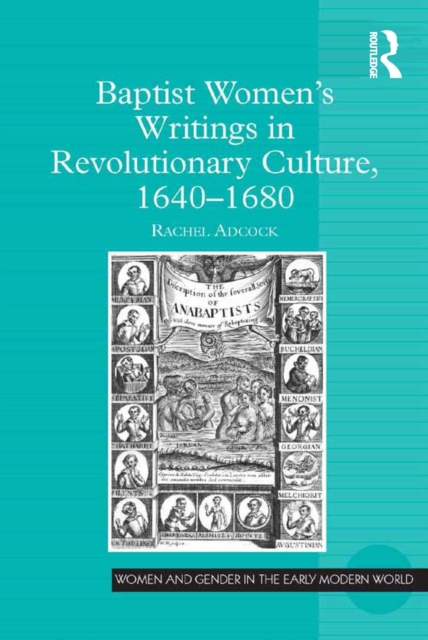
Although literary-historical studies have often focused on the range of dissenting religious groups and writers that flourished during the English Revolution, they have rarely had much to say about seventeenth-century Baptists, or, indeed, Baptist women.
Although literary-historical studies have often focused on the range of dissenting religious groups and writers that flourished during the English Revolution, they have rarely had much to say about seventeenth-century Baptists, or, indeed, Baptist women.
Focusing on representations of beards in English Renaissance culture, this study elucidates how fetish objects validate ideological systems of power by materializing complex value in multiple registers.
Focusing on representations of beards in English Renaissance culture, this study elucidates how fetish objects validate ideological systems of power by materializing complex value in multiple registers.
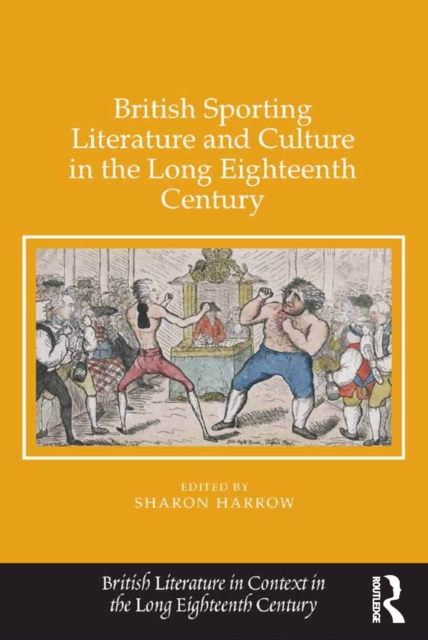
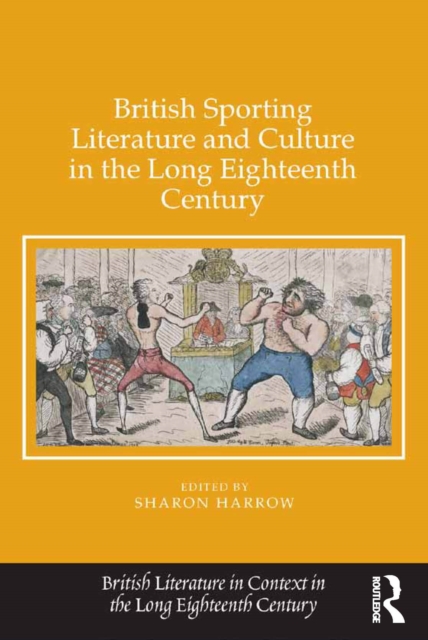
Sport as it is largely understood today was invented during the long eighteenth century when the modern rules of sport were codified; sport emerged as a business, a spectacle, and a performance; and gaming organized itself around sporting culture.
Sport as it is largely understood today was invented during the long eighteenth century when the modern rules of sport were codified; sport emerged as a business, a spectacle, and a performance; and gaming organized itself around sporting culture.
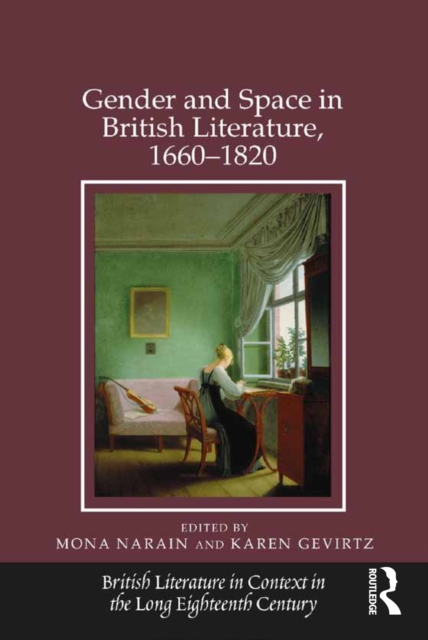
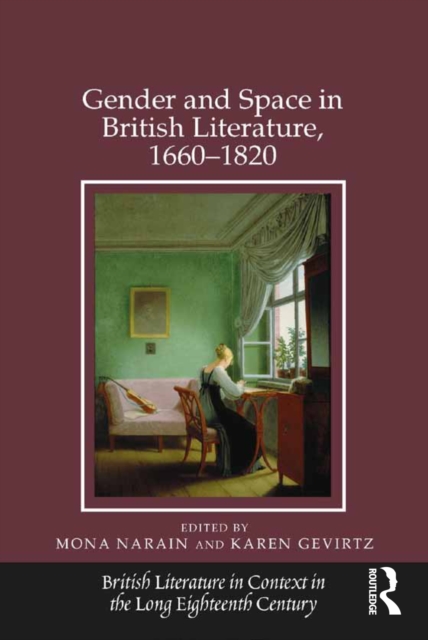
Between 1660 and 1820, Great Britain experienced significant structural transformations in class, politics, economy, print, and writing that produced new and varied spaces and with them, new and reconfigured concepts of gender.
Between 1660 and 1820, Great Britain experienced significant structural transformations in class, politics, economy, print, and writing that produced new and varied spaces and with them, new and reconfigured concepts of gender.
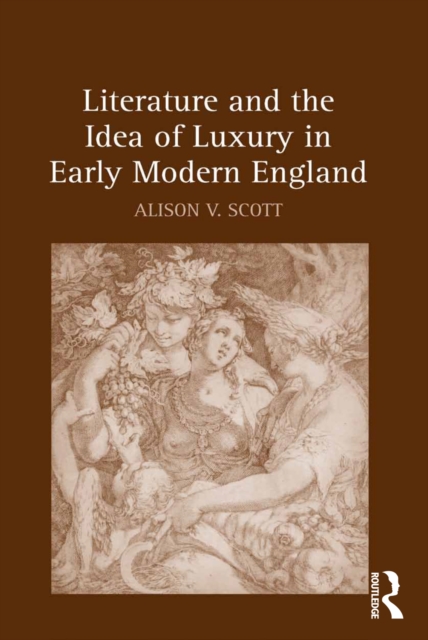
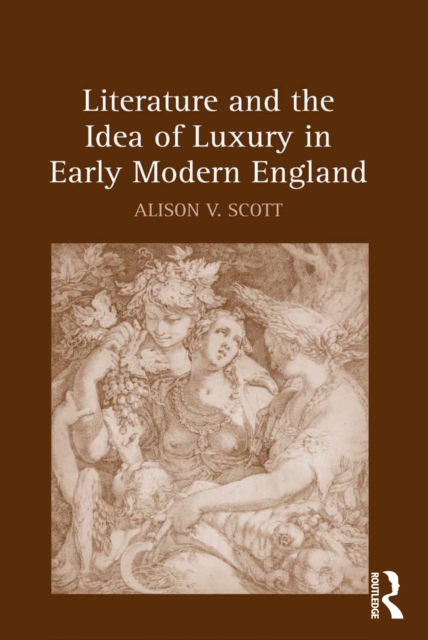
Exploring the idea of luxury in relation to a series of neighboring but distinct concepts including avarice, excess, licentiousness, indulgence, vitality, abundance, and waste, this study combines intellectual and cultural historical methods to trace discontinuities in luxury's conceptual development in seventeenth-century England.
Exploring the idea of luxury in relation to a series of neighboring but distinct concepts including avarice, excess, licentiousness, indulgence, vitality, abundance, and waste, this study combines intellectual and cultural historical methods to trace discontinuities in luxury's conceptual development in seventeenth-century England.
Contending that early modern fictional portrayals of sexual violence identify the position of the author with that of the chaste woman threatened with rape, Amy Greenstadt challenges the prevalent scholarly view that this period's concept of 'The Author' was inherently masculine.
Contending that early modern fictional portrayals of sexual violence identify the position of the author with that of the chaste woman threatened with rape, Amy Greenstadt challenges the prevalent scholarly view that this period's concept of 'The Author' was inherently masculine.
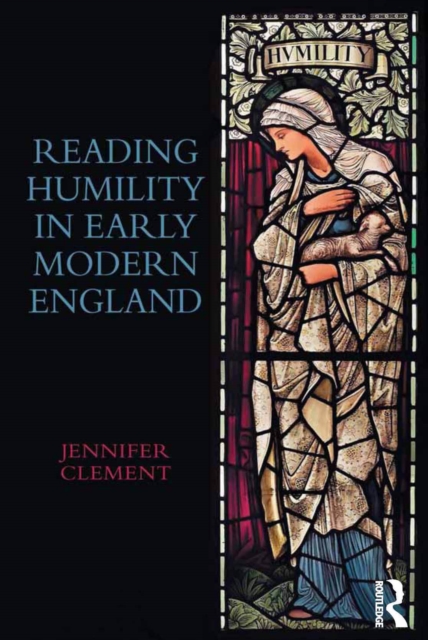
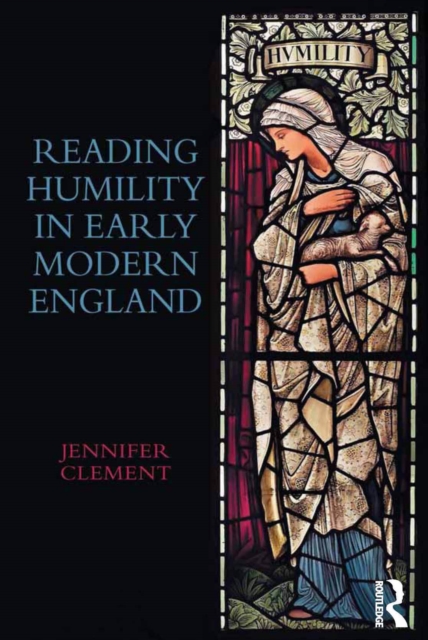
While humility is not especially valued in modern Western culture, Jennifer Clement argues here, it is central to sixteenth- and seventeenth-century understandings of Christian faith and behavior, and is vital to early modern concepts of the self.
While humility is not especially valued in modern Western culture, Jennifer Clement argues here, it is central to sixteenth- and seventeenth-century understandings of Christian faith and behavior, and is vital to early modern concepts of the self.
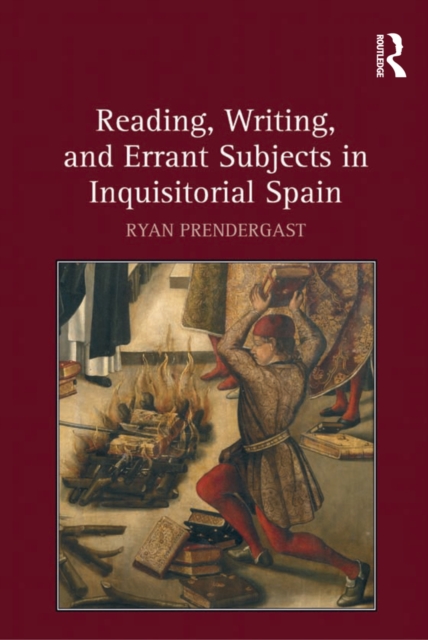
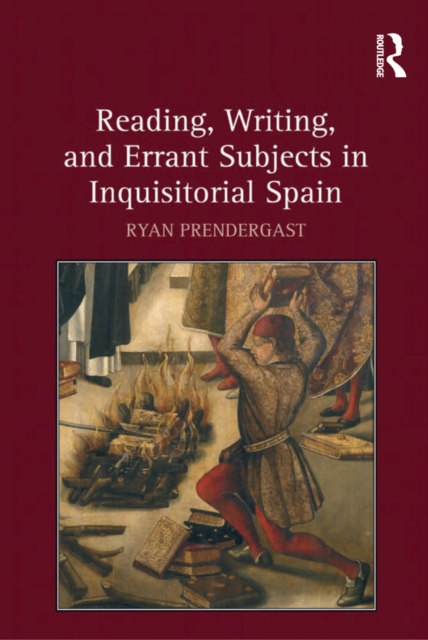
Reading, Writing, and Errant Subjects in Inquisitorial Spain explores the conception and production of early modern Spanish literary texts in the context of the inquisitorial socio-cultural environment of the sixteenth and seventeenth centuries.
Reading, Writing, and Errant Subjects in Inquisitorial Spain explores the conception and production of early modern Spanish literary texts in the context of the inquisitorial socio-cultural environment of the sixteenth and seventeenth centuries.
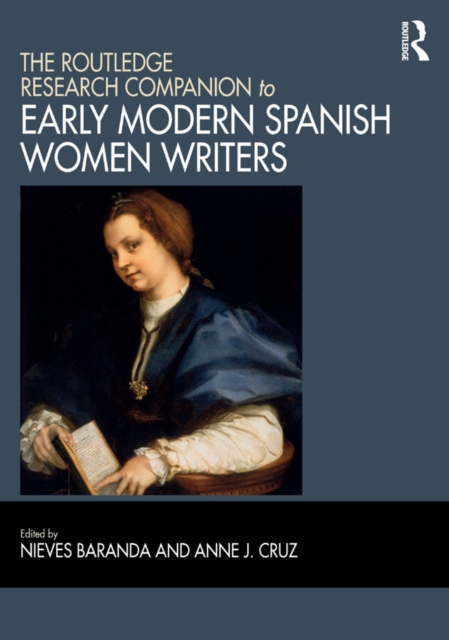
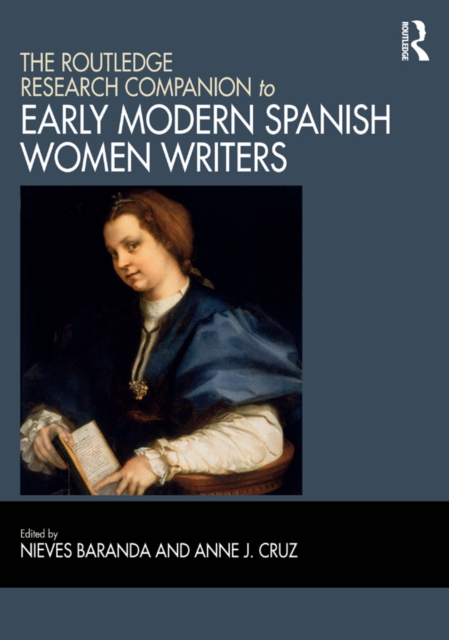
In Spain, the two hundred years that elapsed between the beginning of the early modern period and the final years of the Habsburg Empire saw a profusion of works written by women.
In Spain, the two hundred years that elapsed between the beginning of the early modern period and the final years of the Habsburg Empire saw a profusion of works written by women.