This book is a critical study of the ancestors of contemporary poetry anthologies: the poetic miscellanies of the late seventeenth and eighteenth centuries.
This book explores how authors profited from their writings in the late eighteenth and early nineteenth centuries, contending that the most tangible benefits were social, rather than financial or aesthetic.
This book features a collection of essays, shedding subversively new light on Romanticism and its canon of big-six, white, male Romantics by focusing on marginalised, forgotten and lost writers and their long-neglected works.
This book begins with the assumption that the presence of non-human creatures causes an always-already uncanny rift in human assumptions about reality.
This book is an anthology of extracts of literary writing (in prose, verse and drama) about London and its diverse inhabitants, taken from the accession of Queen Elizabeth I in 1558 to the outbreak of the Great War in 1914.
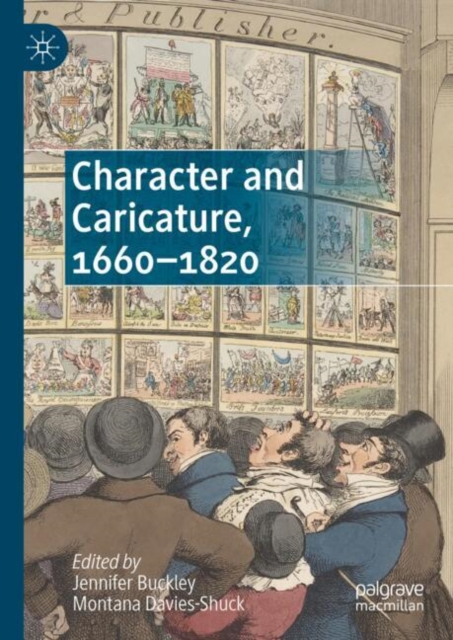
This edited collection offers a reappraisal of character as a precondition for caricature and addresses how the two began to merge, becoming increasingly interlinked over the course of the long eighteenth century.
This edited collection offers a reappraisal of character as a precondition for caricature and addresses how the two began to merge, becoming increasingly interlinked over the course of the long eighteenth century.
From Neil MacGregor, the acclaimed creator of A History of the World in 100 Objects and the Director of the British Museum, comes a unique, enthralling exploration of the age of William Shakespeare to accompany a new BBC Radio 4 series.
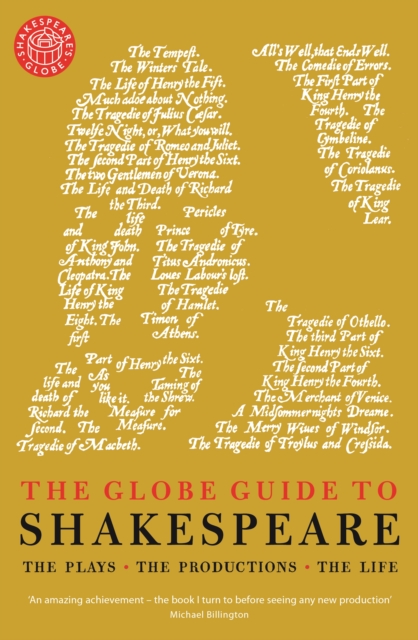
The standard analytical approach to teaching Shakespeare does not tend to help students understand the theatricality of the Bard's plays and can leave them with an overly dry, disconnected view of Shakespeare.
The Restoration, which re-established Charles II as king of England in 1660, marked the end of "e;God's cause"e;-a struggle for liberty and republican freedom.
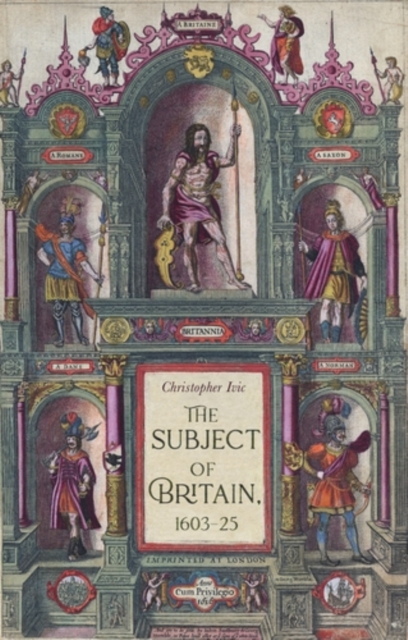
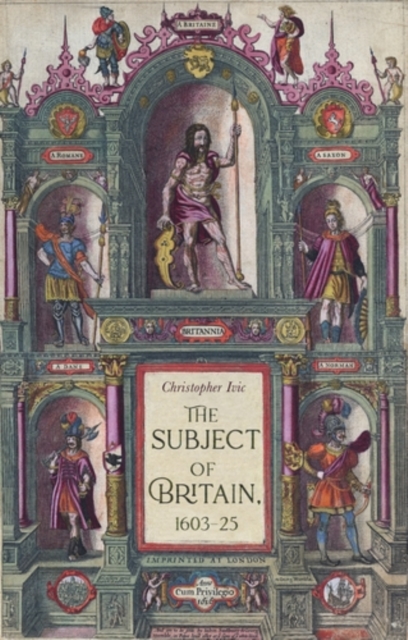
The subject of Britain analyses key seventeenth-century texts by Bacon, Jonson and Shakespeare within the context of the English reign of King James VI and I, whose desire to create a united Britain prompted serious reflection on questions of nationhood.
The subject of Britain analyses key seventeenth-century texts by Bacon, Jonson and Shakespeare within the context of the English reign of King James VI and I, whose desire to create a united Britain prompted serious reflection on questions of nationhood.
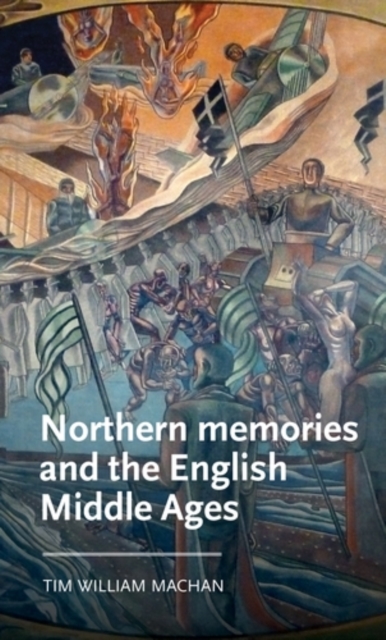
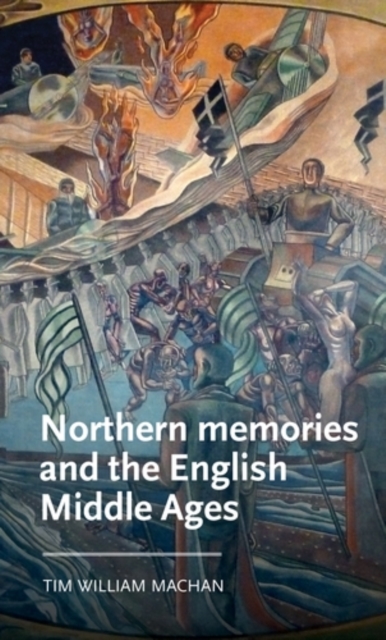
This book provocatively argues that much of what English writers of the seventeenth, eighteenth and nineteenth centuries remembered about medieval English geography, history, religion and literature, they remembered by means of medieval and modern Scandinavia.
This book provocatively argues that much of what English writers of the seventeenth, eighteenth and nineteenth centuries remembered about medieval English geography, history, religion and literature, they remembered by means of medieval and modern Scandinavia.
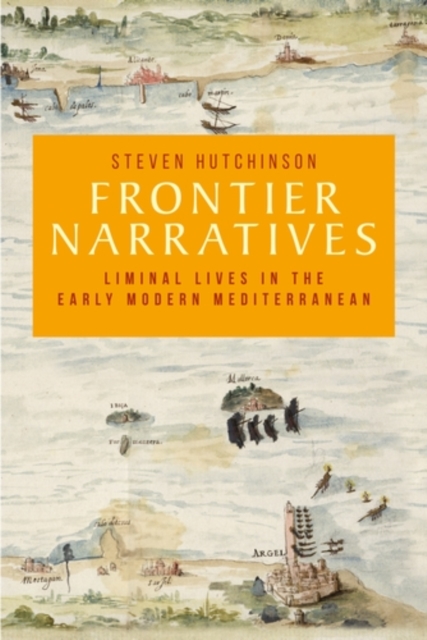
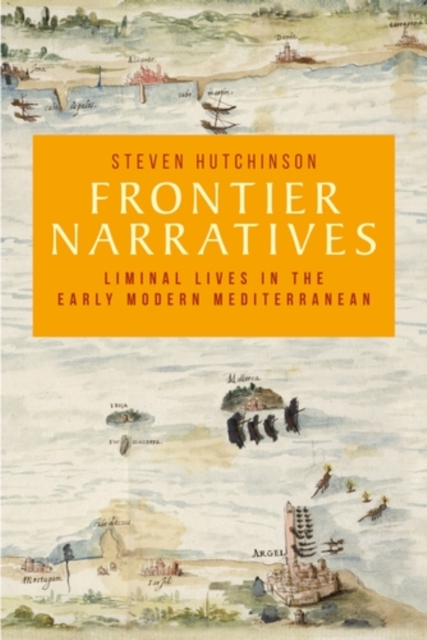
This book explores how human interaction in the frontier zones of the early modern Mediterranean was represented during the period, across genres and languages.
This book explores how human interaction in the frontier zones of the early modern Mediterranean was represented during the period, across genres and languages.
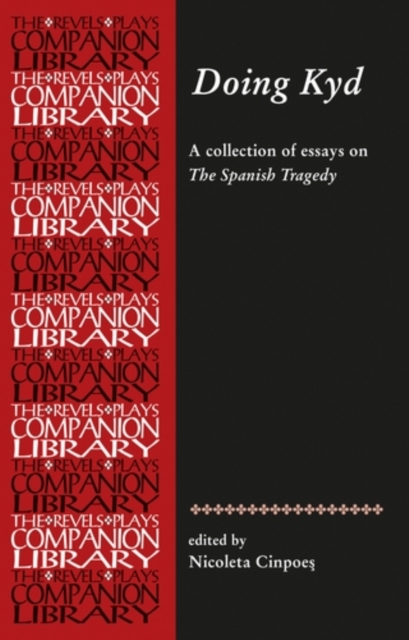
Doing Kyd reads Thomas Kyd's The Spanish Tragedy, the box-office and print success of its time, as the play that established the revenge genre in England and served as a 'pattern and precedent' for the golden generation of early modern playwrights, from Marlowe and Shakespeare to Middleton, Webster and Ford.