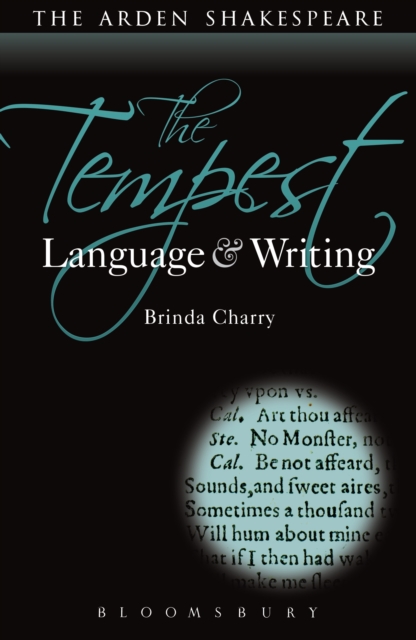
Arden Student Guides: Language and Writing offer a new type of study aid which combines lively critical insight with practical guidance on the critical writing skills you need to develop in order to engage fully with Shakespeare's texts.
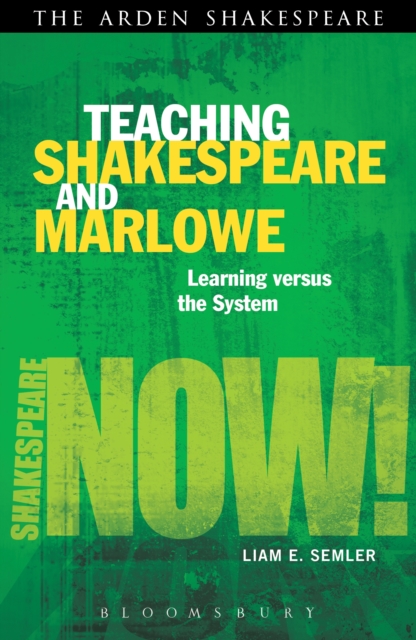
Schools and universities are fast becoming managerial 'courts' of learning in which educators and students are system creatures busily fulfilling system protocols.
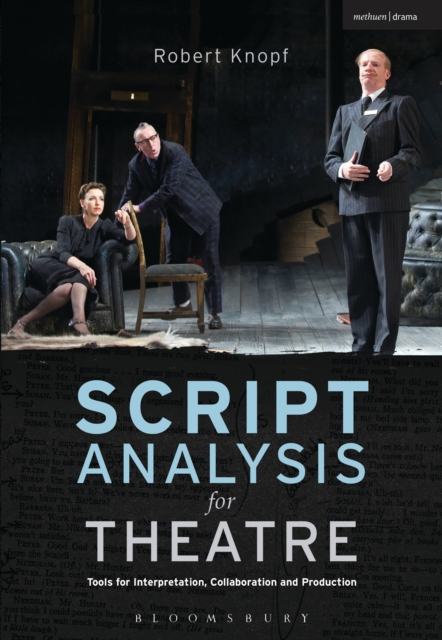
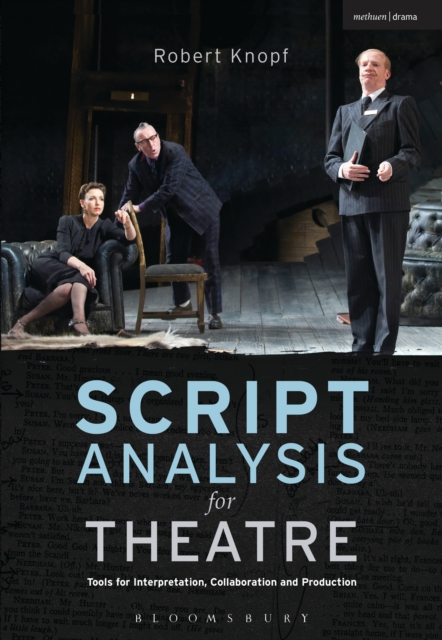
Script Analysis for Theatre: Tools for Interpretation, Collaboration and Production provides theatre students and emerging theatre artists with the tools, skills and a shared language to analyze play scripts, communicate about them, and collaborate with others on stage productions.
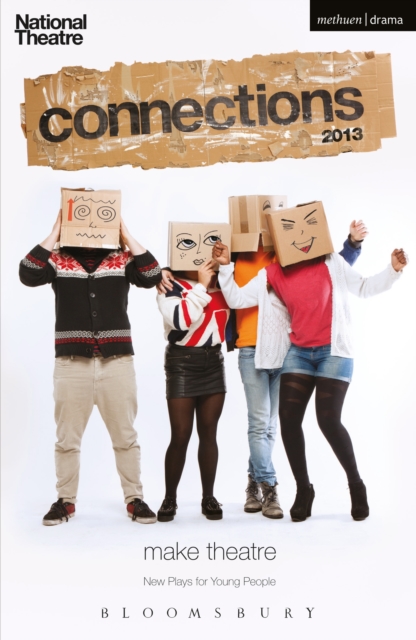
Drawing together the work of ten leading playwrights a mixture of established and current writers National Theatre Connections 2013 offers young performers between the ages of thirteen and nineteen everywhere an engaging selection of plays to perform, read or study.
Tracing the history of tragedy and comedy from their earliest beginnings to the present, this book offers readers an exceptional study of the development of both genres, grounded in analysis of landmark plays and their context.
Reading Antony and Cleopatra is particularly challenging because of Shakespeare's masterful embodiment of Rome and Egypt's contrasting worlds in language, structure, and characterization.
Drawing together the work of ten leading playwrights a mixture of established and current writers National Theatre Connections 2013 offers young performers between the ages of thirteen and nineteen everywhere an engaging selection of plays to perform, read or study.
Published in association with the seminar series of the same name held by the University of Oxford, Samuel Beckett: Debts and Legacies presents the best new scholarship addressing the sources, development and ongoing influence of Samuel Beckett's work.
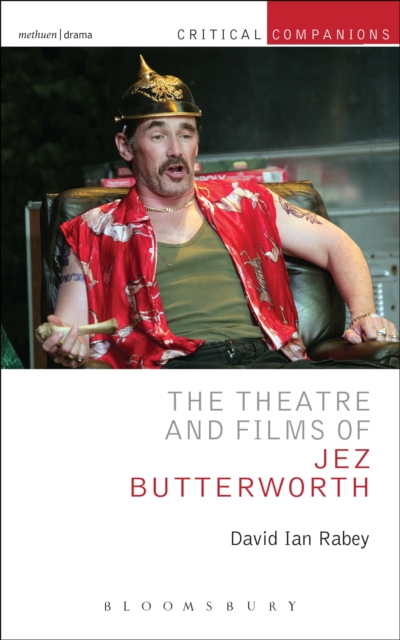
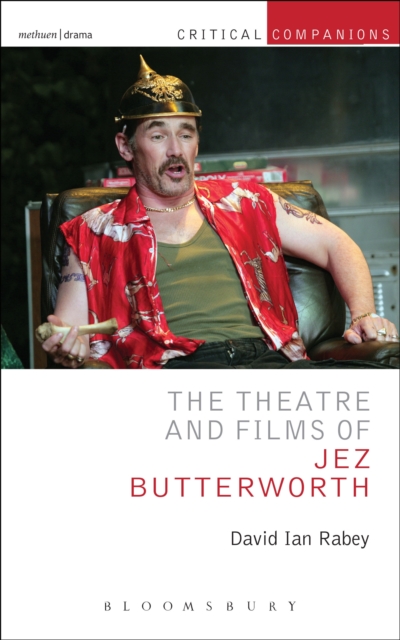
Jez Butterworth is the most critically acclaimed and commercially successful new British dramatist of the 21st century: his acclaimed play Jerusalem has had extended runs in the West End and on Broadway.
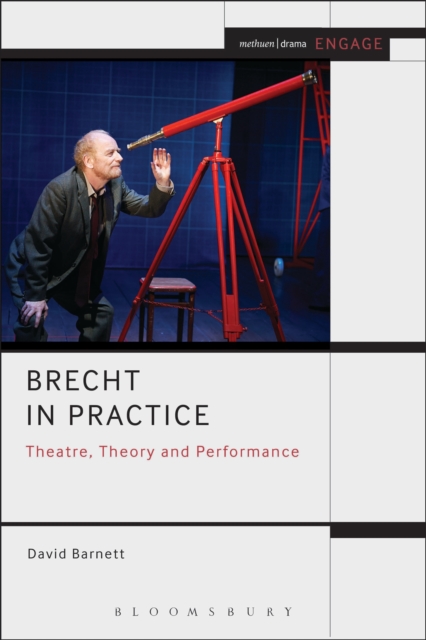
David Barnett invites readers, students and theatre-makers to discover new ways of apprehending and making use of Brecht in this clear and accessible study of Brecht's theories and practices.
Jez Butterworth is the most critically acclaimed and commercially successful new British dramatist of the 21st century: his acclaimed play Jerusalem has had extended runs in the West End and on Broadway.
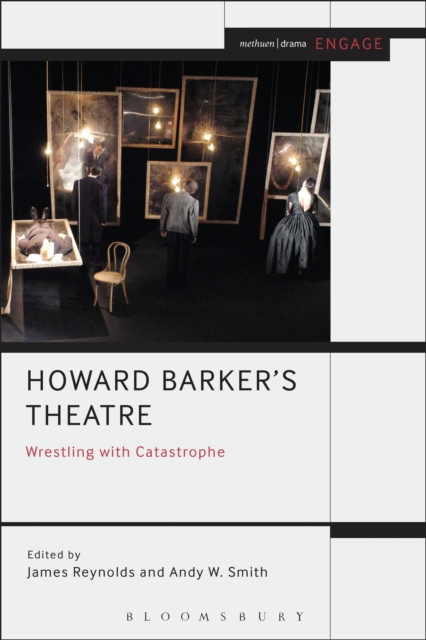
Howard Barker and The Wrestling School have been seen as marginal to the major concerns of British theatre, problematic in their staging and challenging in the ideas they explore.
Schools and universities are fast becoming managerial 'courts' of learning in which educators and students are system creatures busily fulfilling system protocols.
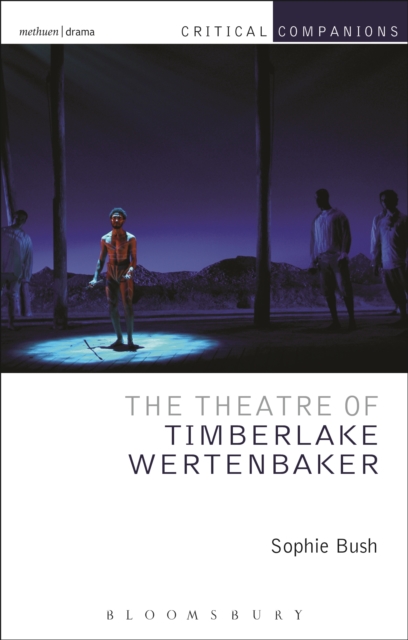
The Theatre of Timberlake Wertenbaker offers the first comprehensive overview of Wertenbaker's playwriting career which spans more than thirty years of stage plays.
Replay: Classic Modern Drama Reimagined spans over a century of great theatre to explore how iconic plays have been adapted and versioned by later writers to reflect or dissect the contemporary zeitgeist.
Replay: Classic Modern Drama Reimagined spans over a century of great theatre to explore how iconic plays have been adapted and versioned by later writers to reflect or dissect the contemporary zeitgeist.
Bringing together four of the most popular and widely studied of Ben Jonson's plays, this anthology focuses on the city comedies for which Jonson is best known today: The Alchemist (edited by Elizabeth Cook), Volpone (edited by Robert N.
Bringing together four of the most popular and widely studied of Ben Jonson's plays, this anthology focuses on the city comedies for which Jonson is best known today: The Alchemist (edited by Elizabeth Cook), Volpone (edited by Robert N.
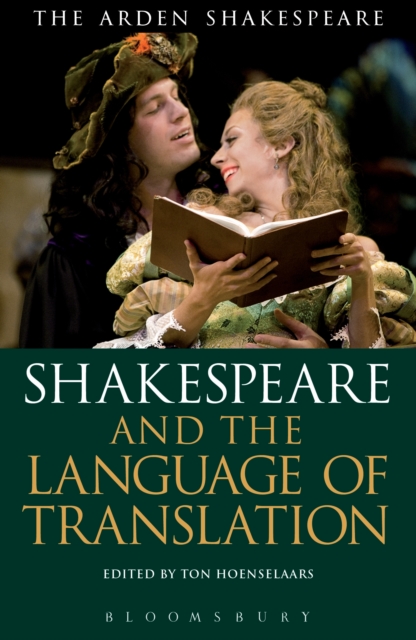
Shakespeare's international status as a literary icon is largely based on his masterful use of the English language, yet beyond Britain his plays and poems are read and performed mainly in translation.
Shakespeare's international status as a literary icon is largely based on his masterful use of the English language, yet beyond Britain his plays and poems are read and performed mainly in translation.
Pornography looks at the events of the first week of July 2005 (the G8 summit, Live 8, the announcement of the 2012 Olympics and the 7/7 bombings) through the perspectives of eight anonymous individuals, including a terrorist.
Pornography looks at the events of the first week of July 2005 (the G8 summit, Live 8, the announcement of the 2012 Olympics and the 7/7 bombings) through the perspectives of eight anonymous individuals, including a terrorist.
Now available in paperback, Shakespeare and Postcolonial Theory is an up-to-date guide to contemporary debates in postcolonial studies and how these shape our understanding of Shakespeare's politics and poetics.
David Barnett invites readers, students and theatre-makers to discover new ways of apprehending and making use of Brecht in this clear and accessible study of Brecht's theories and practices.
Reading Antony and Cleopatra is particularly challenging because of Shakespeare's masterful embodiment of Rome and Egypt's contrasting worlds in language, structure, and characterization.
Script Analysis for Theatre: Tools for Interpretation, Collaboration and Production provides theatre students and emerging theatre artists with the tools, skills and a shared language to analyze play scripts, communicate about them, and collaborate with others on stage productions.
Now available in paperback, Shakespeare and Postcolonial Theory is an up-to-date guide to contemporary debates in postcolonial studies and how these shape our understanding of Shakespeare's politics and poetics.
Winner of the Roma Gill Prize 2015, Marlowe's Literary Scepticism re-evaluates the representation of religion in Christopher Marlowe's plays and poems, demonstrating the extent to which his literary engagement with questions of belief was shaped by the virulent polemical debates that raged in post-Reformation Europe.
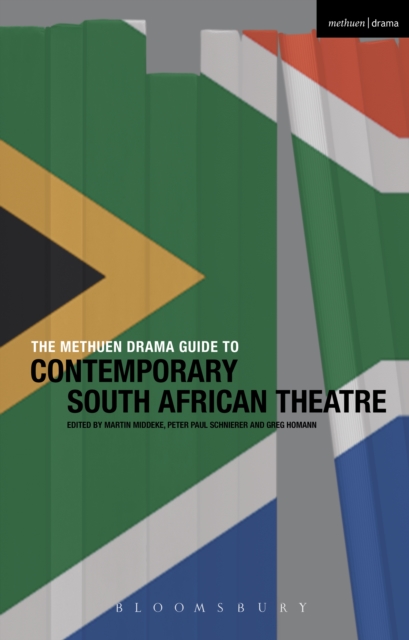
South Africa has a uniquely rich and diverse theatre tradition which has responded energetically to the country's remarkable transition, helping to define the challenges and contradictions of this young democracy.
South Africa has a uniquely rich and diverse theatre tradition which has responded energetically to the country's remarkable transition, helping to define the challenges and contradictions of this young democracy.
Essential for students of Theatre Studies, this series of six decadal volumes provides a critical survey and reassessment of the theatre produced in each decade from the 1950s to the present.
Essential for students of theatre studies, Methuen Drama's Decades of Modern British Playwriting series provides a comprehensive survey and study of the theatre produced in each decade from the 1950s to 2009 in six volumes.