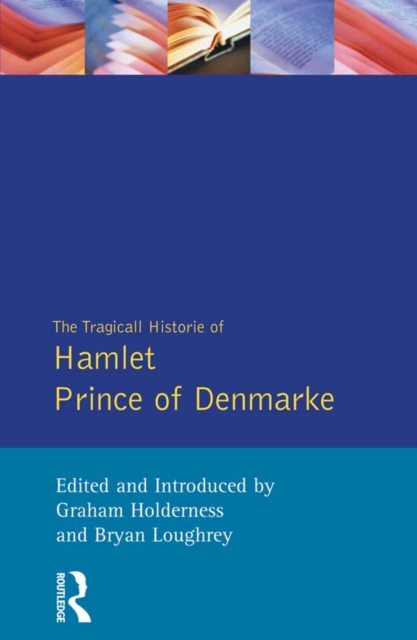
The first in a series on Shakespeare's original texts, including facsimile pages, this version of "e;Hamlet"e; is claimed to be, in some ways, the most authentic version of the play that we have.
The first in a series on Shakespeare's original texts, including facsimile pages, this version of "e;Hamlet"e; is claimed to be, in some ways, the most authentic version of the play that we have.
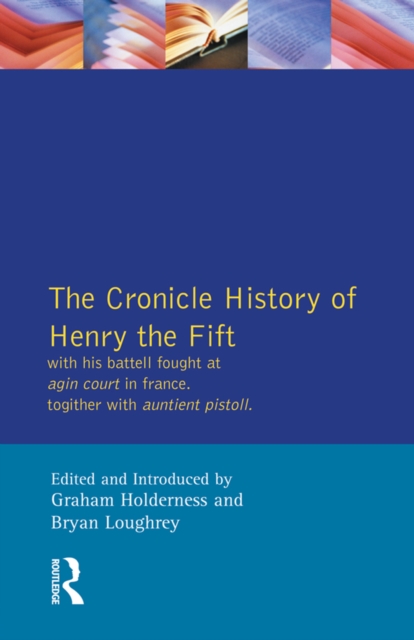
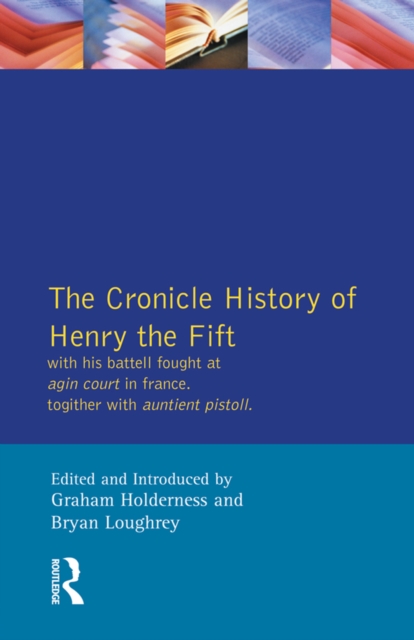
One of a series on Shakespeare's original texts, including facsimile pages, this version of "e;Henry V"e; is claimed to be, in some ways, the most authentic version of the play that we have.
One of a series on Shakespeare's original texts, including facsimile pages, this version of "e;Henry V"e; is claimed to be, in some ways, the most authentic version of the play that we have.
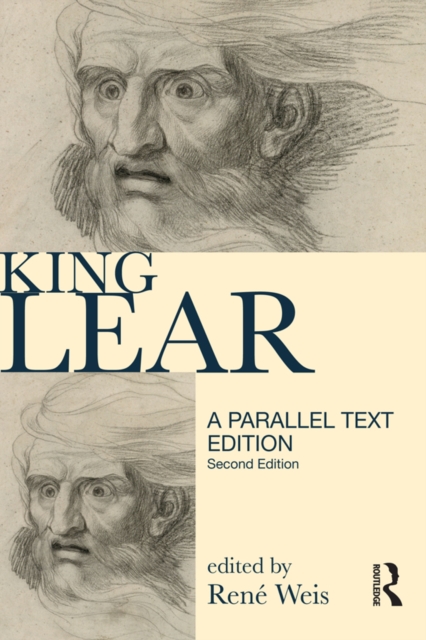
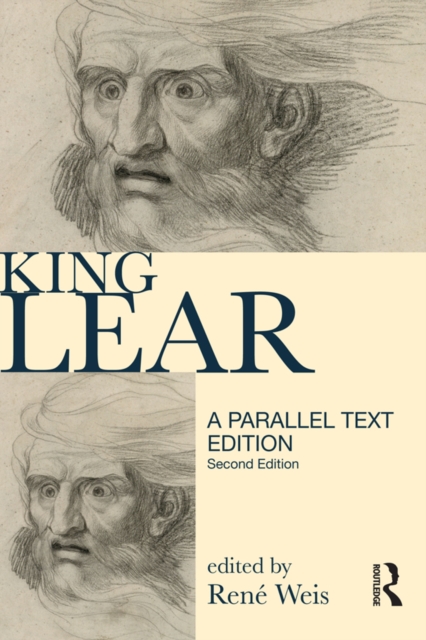
This reissed edition of Longman Annotated Texts King Lear includes comprehensive notes, annotations and an introduction, all designed to be of use to undergraduates and interested readers.
This reissed edition of Longman Annotated Texts King Lear includes comprehensive notes, annotations and an introduction, all designed to be of use to undergraduates and interested readers.
Shakespeare is revered as the greatest writer in the English language, yet education reform in the English-speaking world is informed primarily by the 'market order', rather than the kind of humanism we might associate with Shakespeare.
In Shakespeare on Theatre, master acting teacher Robert Cohen brilliantly scrutinises Shakespeare's implicit theories of acting, paying close attention to the plays themselves and providing a wealth of fascinating historical evidence.
In Shakespeare on Theatre, master acting teacher Robert Cohen brilliantly scrutinises Shakespeare's implicit theories of acting, paying close attention to the plays themselves and providing a wealth of fascinating historical evidence.
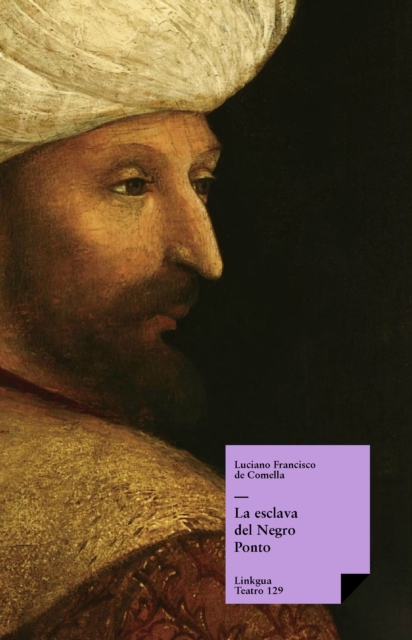
La esclava del Negro Ponto es una obra dramatica escrita por Luciano Francisco de Comella, un autor espanol que vivio entre los siglos XVIII-XIX, conocido por sus dramas y comedias.
Building on current scholarly interest in the religious dimensions of the play, this study shows how Shakespeare uses Hamlet to comment on the Calvinistic Protestantism predominant around 1600.
Building on current scholarly interest in the religious dimensions of the play, this study shows how Shakespeare uses Hamlet to comment on the Calvinistic Protestantism predominant around 1600.
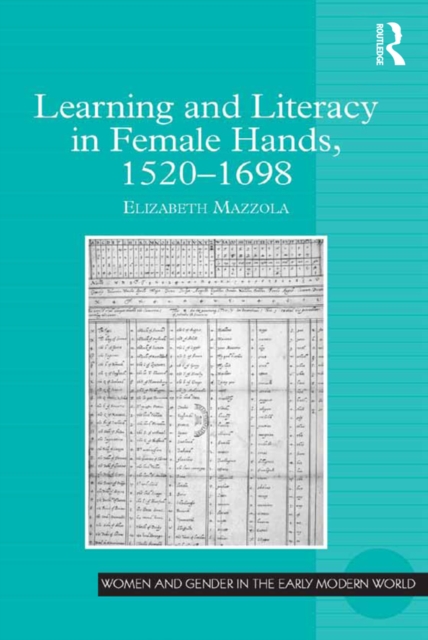
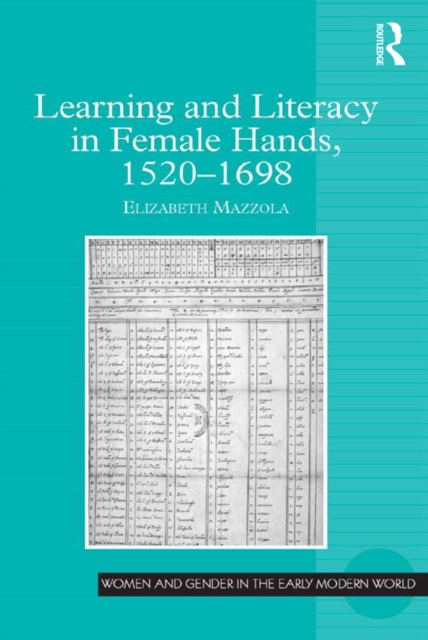
Focusing on the unusual learning and schooling of women in early modern England, this study explores how and why women wrote, the myriad forms their alphabets could assume, and the shape which vernacular literacy acquired in their hands.
Focusing on the unusual learning and schooling of women in early modern England, this study explores how and why women wrote, the myriad forms their alphabets could assume, and the shape which vernacular literacy acquired in their hands.
Focusing on Christopher Marlowe, William Shakespeare, John Webster and John Milton, Martyrs and Players in Early Modern England argues that the English tragedians reflected an unease within the culture to acts of religious violence.
Focusing on Christopher Marlowe, William Shakespeare, John Webster and John Milton, Martyrs and Players in Early Modern England argues that the English tragedians reflected an unease within the culture to acts of religious violence.
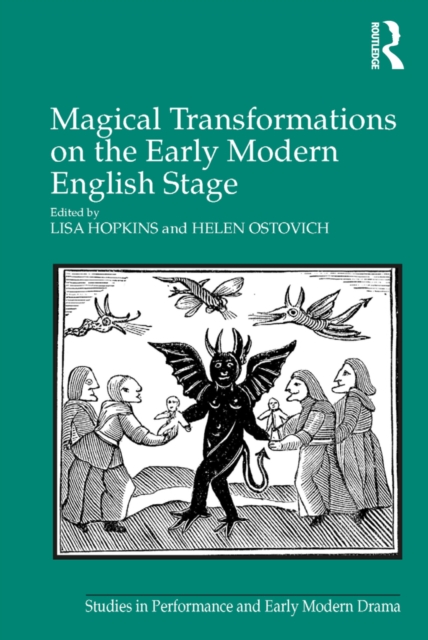
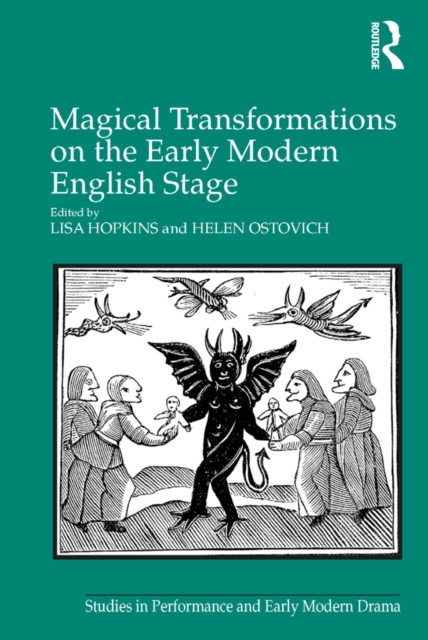
Magical Transformations on the Early Modern Stage furthers the debate about the cultural work performed by representations of magic on the early modern English stage.
Magical Transformations on the Early Modern Stage furthers the debate about the cultural work performed by representations of magic on the early modern English stage.
Bringing together scholars from literature and the history of ideas, Passions and Subjectivity in Early Modern Culture explores new ways of negotiating the boundaries between cognitive and bodily models of emotion, and between different versions of the will as active or passive.
Bringing together scholars from literature and the history of ideas, Passions and Subjectivity in Early Modern Culture explores new ways of negotiating the boundaries between cognitive and bodily models of emotion, and between different versions of the will as active or passive.
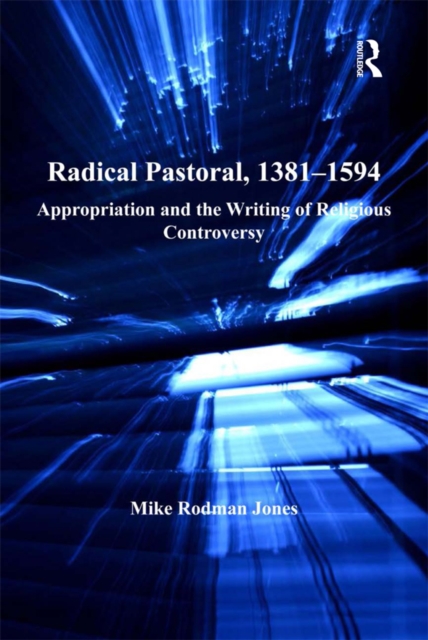
From William Langland's Piers Plowman, through the highly polemicized literary culture of fifteenth-century Lollardy, to major Reformation writers such as Simon Fish, William Tyndale and John Bale, and into the 1590s, this book argues for a vital reassessment of our understanding of the literary and cultural modes of the Reformation.
From William Langland's Piers Plowman, through the highly polemicized literary culture of fifteenth-century Lollardy, to major Reformation writers such as Simon Fish, William Tyndale and John Bale, and into the 1590s, this book argues for a vital reassessment of our understanding of the literary and cultural modes of the Reformation.
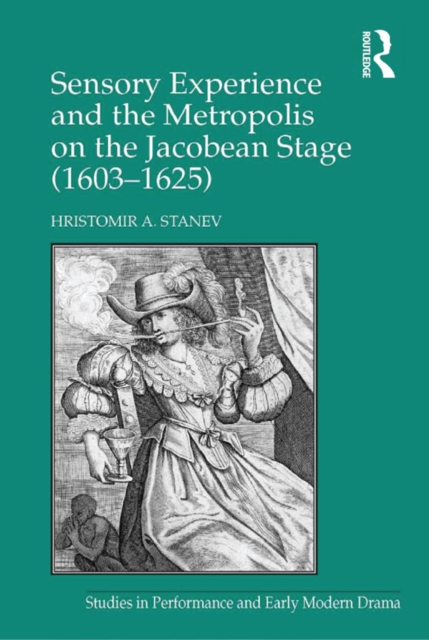
At the turn of the seventeenth century, Hristomir Stanev argues, ideas about the senses became part of a dramatic and literary tradition in England, concerned with the impact of metropolitan culture.
At the turn of the seventeenth century, Hristomir Stanev argues, ideas about the senses became part of a dramatic and literary tradition in England, concerned with the impact of metropolitan culture.