The period between 1585 (when Elizabeth formally committed her military support to the Dutch wars against Spain) and 1604 (when James at last brought it to an end) was one in which English life was preoccupied by the menace and actuality of war.
The period between 1585 (when Elizabeth formally committed her military support to the Dutch wars against Spain) and 1604 (when James at last brought it to an end) was one in which English life was preoccupied by the menace and actuality of war.
Thomas Lodge was the most versatile of the pioneering professional writers of the English Renaissance, experimenting in an astonishing variety of forms.
Thomas Lodge was the most versatile of the pioneering professional writers of the English Renaissance, experimenting in an astonishing variety of forms.
The current surge of interest in the Elizabethan poet, dramatist, prose-writer and critic, Thomas Nashe, follows years of neglect or undisguised hostility.
The current surge of interest in the Elizabethan poet, dramatist, prose-writer and critic, Thomas Nashe, follows years of neglect or undisguised hostility.
Jonson, Shakespeare, and Aristotle on Comedy relates new understandings of Aristotle's dramatic theory to the comedy of Ben Jonson and William Shakespeare.
Jonson, Shakespeare, and Aristotle on Comedy relates new understandings of Aristotle's dramatic theory to the comedy of Ben Jonson and William Shakespeare.
This book argues that the satire of the late Elizabethan period goes far beyond generic rhetorical persuasion, but is instead intentionally engaged in a literary mission of transideological "e;perceptual translation.
This book argues that the satire of the late Elizabethan period goes far beyond generic rhetorical persuasion, but is instead intentionally engaged in a literary mission of transideological "e;perceptual translation.
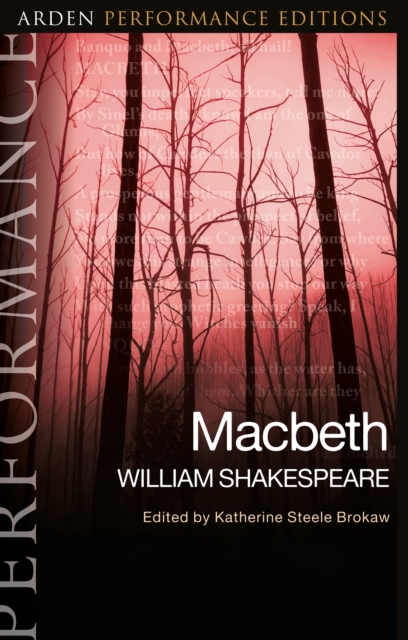
"e;The text of any Shakespeare play is a living negotiable entity: scholarship and theatre practice work together to keep the plays alive and vividly present.
"e;The text of any Shakespeare play is a living negotiable entity: scholarship and theatre practice work together to keep the plays alive and vividly present.
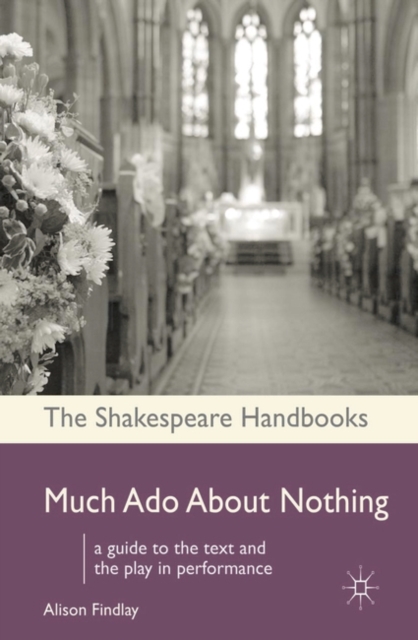
This Handbook provides an introductory guide to Much Ado About Nothing offering a scene-by-scene theatrically aware commentary, contextual documents, a brief history of the text and first performances, case studies of key productions, a survey of film and TV adaptation, a wide sampling of critical opinion and further reading.
Focusing on stage directions, implied stage action in the dialogue, and on production choices available at key moments, this Handbook treats the script like a rehearsal in progress and encourages the imagining of a physical narrative where the play's meanings and our responses are shaped by staged actions.
This edition of Sir Thomas More is the first to bring the play into the context of a major Shakespeare series, to provide a substantial critical analysis, and to offer a comprehensive modern stage history.
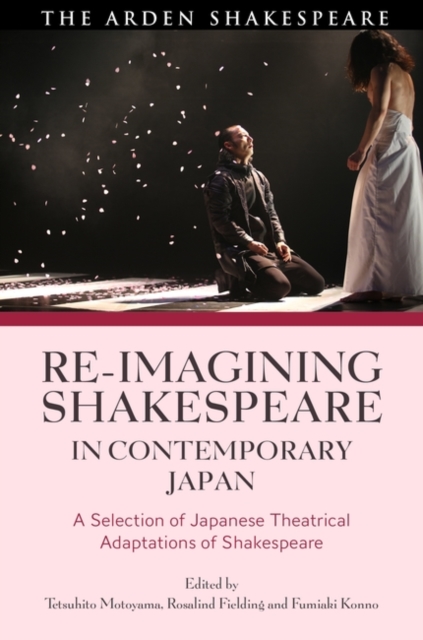
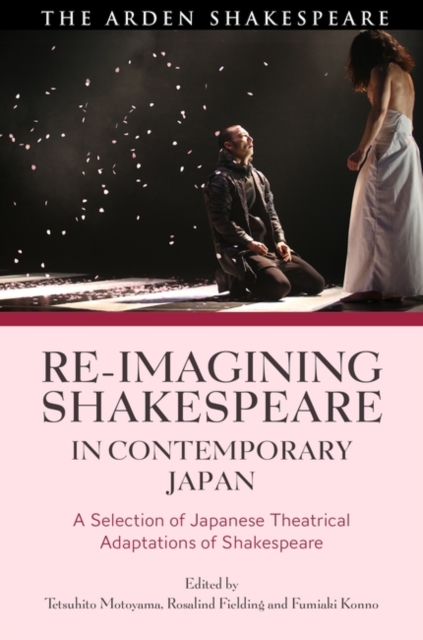
An anthology of three exciting Japanese adaptations of Shakespeare that engage with issues such as changing family values, racial diversity, the 2011 Great East Japan Earthquake and terrorism, together with a contextualizing introduction.
An anthology of three exciting Japanese adaptations of Shakespeare that engage with issues such as changing family values, racial diversity, the 2011 Great East Japan Earthquake and terrorism, together with a contextualizing introduction.
This lively and informative guide to Shakespeare's popular comedy equips you with the critical skills to analyse its language, structure and themes and to expand and enrich your own response to the play.
This lively and informative guide to Shakespeare's popular comedy equips you with the critical skills to analyse its language, structure and themes and to expand and enrich your own response to the play.
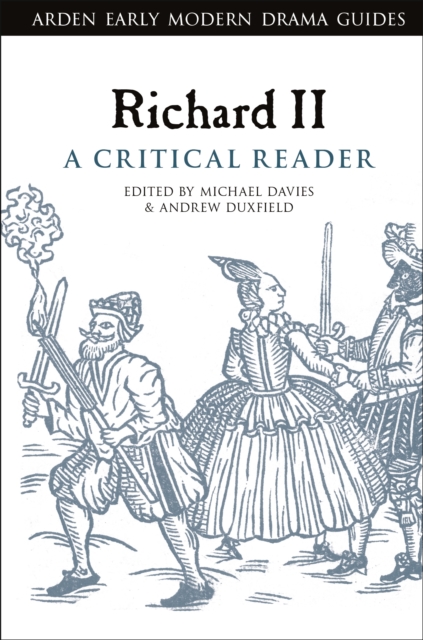
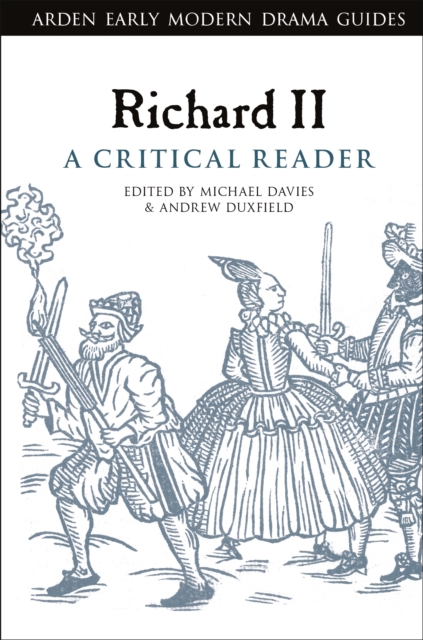
Arden Early Modern Drama Guides offer students and academics practical and accessible introductions to the critical and performance contexts of key Elizabethan and Jacobean plays.
Arden Early Modern Drama Guides offer students and academics practical and accessible introductions to the critical and performance contexts of key Elizabethan and Jacobean plays.
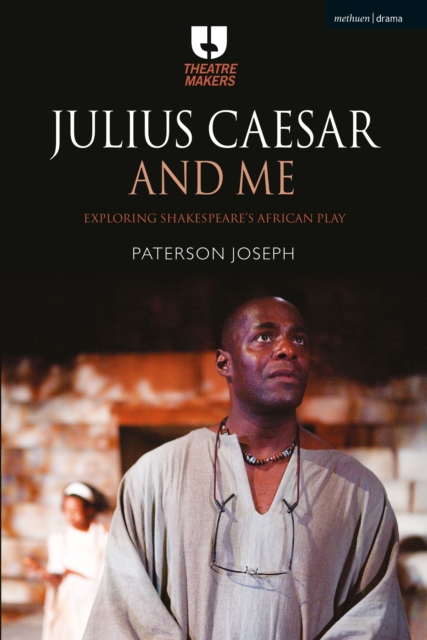
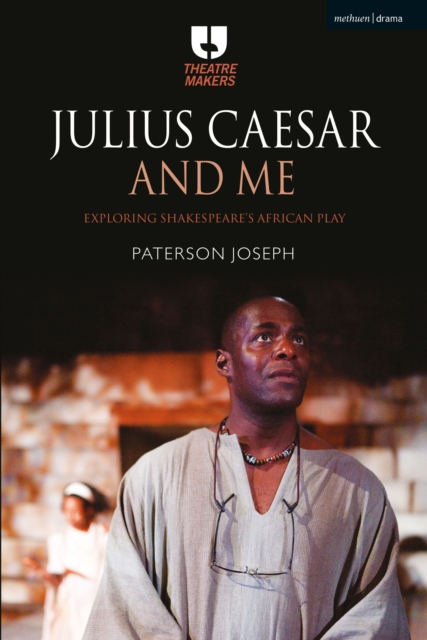
'Julius Caesar is, simply, Shakespeare's African play' John Kani In 2012, actor Paterson Joseph played the role of Brutus in the Royal Shakespeare Company's acclaimed production of Julius Caesar - Gregory Doran's last play before becoming Artistic Director for the RSC.
'Julius Caesar is, simply, Shakespeare's African play' John Kani In 2012, actor Paterson Joseph played the role of Brutus in the Royal Shakespeare Company's acclaimed production of Julius Caesar - Gregory Doran's last play before becoming Artistic Director for the RSC.
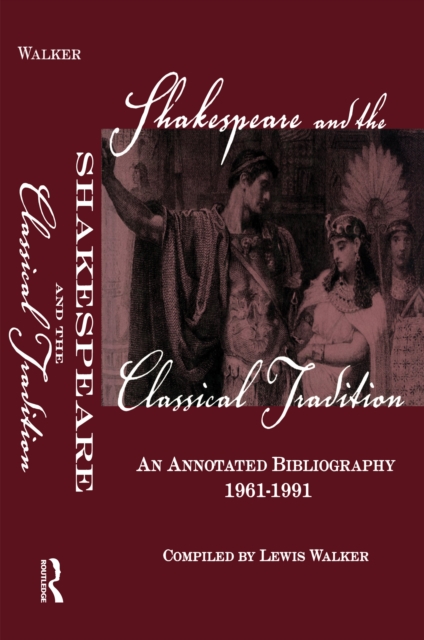
This bibliography will give comprehensive coverage to published commentary in English on Shakespeare and the Classical Tradition during the period from 1961-1985.
This bibliography will give comprehensive coverage to published commentary in English on Shakespeare and the Classical Tradition during the period from 1961-1985.