Since young male players were the norm during the English Renaissance, were all cross-dressed performances of female characters played with the same degree of seriousness?
Since young male players were the norm during the English Renaissance, were all cross-dressed performances of female characters played with the same degree of seriousness?
Rome was tantamount to its ruins, a dismembered body, to the eyes of those - Italians and foreigners - who visited the city in the years prior to or encompassing the lengthy span of the Renaissance.
Rome was tantamount to its ruins, a dismembered body, to the eyes of those - Italians and foreigners - who visited the city in the years prior to or encompassing the lengthy span of the Renaissance.
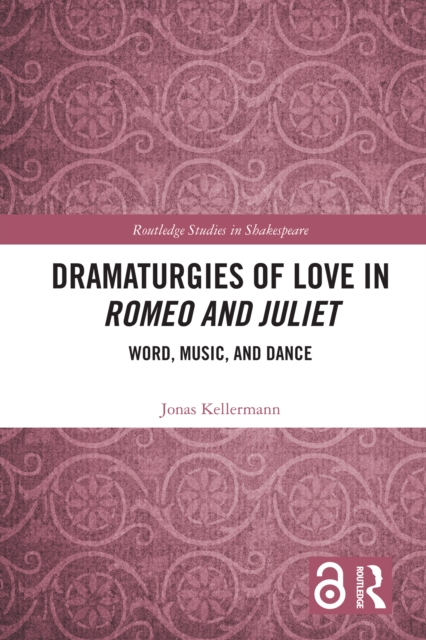
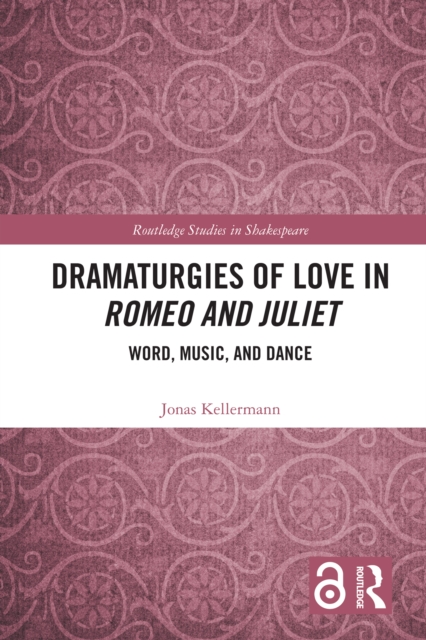
Bringing together current intermedial discourses on Shakespeare, music, and dance with the affective turn in the humanities, Dramaturgies of Love in Romeo and Juliet offers a unique and highly innovative transdisciplinary discussion of "e;unspeakable"e; love in one of the most famous love stories in literary history: the tragic romance of Romeo and Juliet.
Bringing together current intermedial discourses on Shakespeare, music, and dance with the affective turn in the humanities, Dramaturgies of Love in Romeo and Juliet offers a unique and highly innovative transdisciplinary discussion of "e;unspeakable"e; love in one of the most famous love stories in literary history: the tragic romance of Romeo and Juliet.
The "e;Shakespearean Originals"e; series aims to provide readers of modern drama with 16th- and 17th-century playtexts which have been treated as historical documents, and are reproduced as closely to their original printed forms as the conditions of modern publication will permit.
The "e;Shakespearean Originals"e; series aims to provide readers of modern drama with 16th- and 17th-century playtexts which have been treated as historical documents, and are reproduced as closely to their original printed forms as the conditions of modern publication will permit.
Dryden at the end of his life was admired, perhaps even beloved, by many in England, and his greatest skill over his long career-his controlled detachment-uniquely positioned him to write of both history and politics in 1700.
Dryden at the end of his life was admired, perhaps even beloved, by many in England, and his greatest skill over his long career-his controlled detachment-uniquely positioned him to write of both history and politics in 1700.
With Annihilation Songs: Three Shakespeare Reintegrations, writer and award-winning filmmaker Jason DeBoer presents radical anagrammatic takes on The Tempest, The Two Gentlemen of Verona, and Hamlet.
When a middle-aged boy player returns to Londons Globe playhouse during a terrible revival of Romeo and Juliet, she sets off a chain of events as great as any of Shakespeares entertainments, revealing a love story that lay hidden for decades, just beneath the lines of the script.
Shakespeare's Dramatic Transactions uses conventions of performance criticism-staging and theatrical presentation-to analyze seven major Shakespearean tragedies: Hamlet, Othello, King Lear, Macbeth, Antony and Cleopatra, Richard II, and Richard III.
In this landmark collection of essays, renowned classicist Charles Segal offers detailed analyses of major texts from archaic and early classical Greek poetry; in particular, works of Alcman, Mimnermus, Sappho, Pindar, Bacchylides, and Corinna.
Shakespeare's Plays: The First Folio is a beautiful new Penguin edition of William Shakespeare's first folio, with original spelling, getting as close as possible to the original plays for an authentic reading experience.
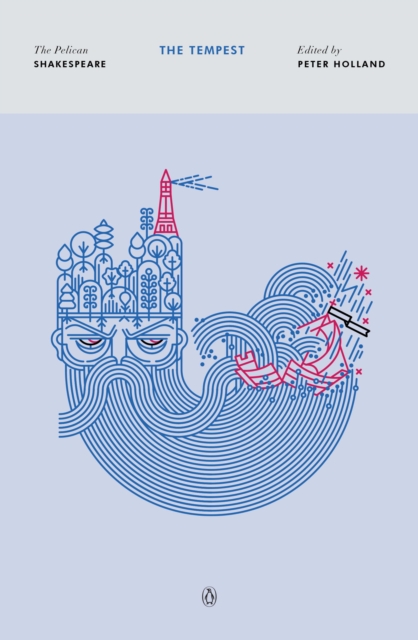
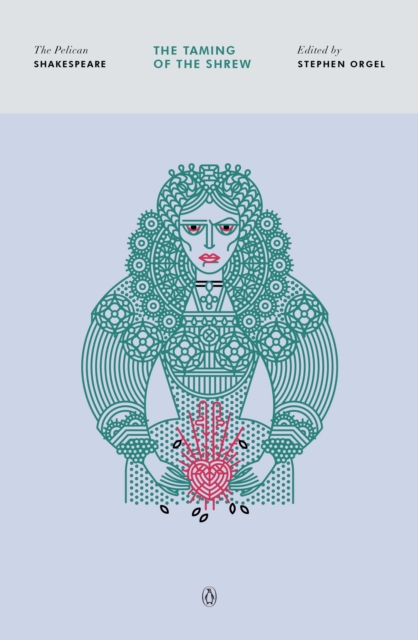
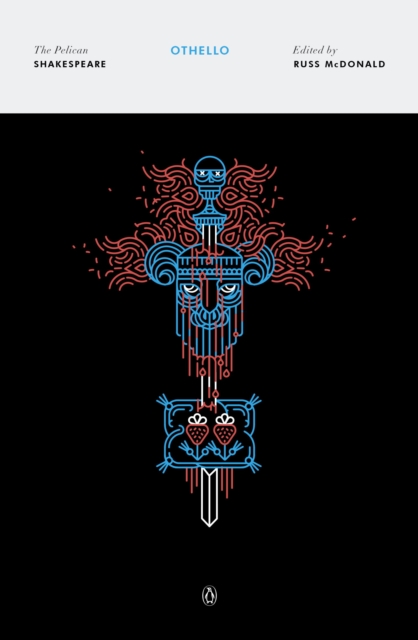
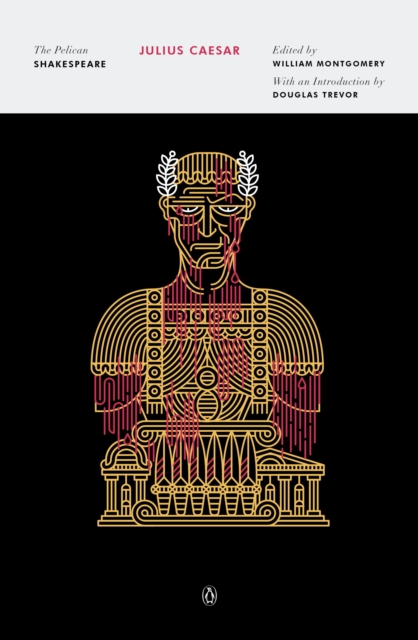
The acclaimed Pelican Shakespeare series, now in a dazzling new series design
Winner of the 2016 AIGA + Design Observer 50 Books | 50 Covers competition
This edition of The Taming of the Shrew is edited with an introduction and notes by series editor Stephen Orgel and was recently repackaged with cover art by Manuja Waldia.
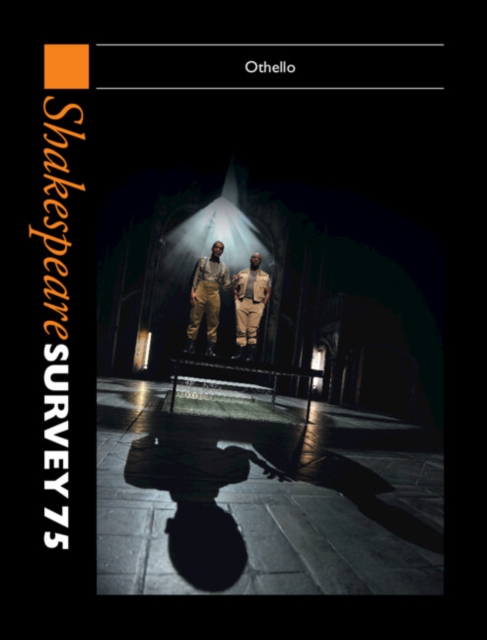
The New York Theater Workshop''s production of Othello, starring Daniel Craig and David Oyelowo, and directed by Tony award-winning director Sam Gold, opened in November 2016.
Shakespeare’s cautionary tale about the dangers of upending democracy, Julius Caesar, which recently ran at the Public Theater’s Shakespeare in the Park.