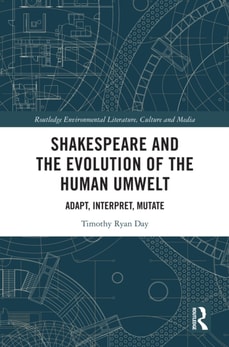
Shakespeare and the Evolution of the Human Umwelt brings together research on Shakespeare, biosemiotics, ecocriticism, epigenetics and actor network theory as it explores the space between nature and narrative in an effort to understand how human bodies are stories told in the emergent language of evolution, and how those bodies became storytellers themselves.
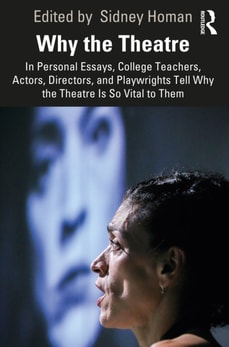
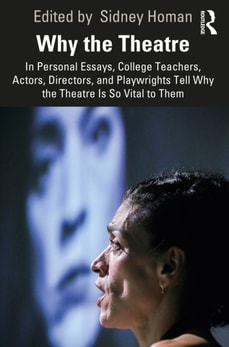
Why the Theatre is a collection of 26 personal essays by college teachers, actors, directors, and playwrights about the magnetic pull of the theatre and its changing place in society.
Why the Theatre is a collection of 26 personal essays by college teachers, actors, directors, and playwrights about the magnetic pull of the theatre and its changing place in society.
This collection explores the consequences of accentism-an under-researched issue that intersects with racism and classism-in the Shakespeare industry across languages and cultures, past and present.
This collection explores the consequences of accentism-an under-researched issue that intersects with racism and classism-in the Shakespeare industry across languages and cultures, past and present.
This book presents a ground-breaking, comprehensive study of the modern performance history of plays in the John Fletcher canon, excluding his collaborations with Shakespeare.
This book presents a ground-breaking, comprehensive study of the modern performance history of plays in the John Fletcher canon, excluding his collaborations with Shakespeare.
It is widely acknowledged that the hit franchise Game of Thrones is based on the Wars of the Roses, a bloody fifteenth-century civil war between feuding English families.
It is widely acknowledged that the hit franchise Game of Thrones is based on the Wars of the Roses, a bloody fifteenth-century civil war between feuding English families.
Shakespeare in the World traces the reception histories and adaptations of Shakespeare in the nineteenth century, when his works became well-known to non-Anglophone communities in both Europe and colonial India.
Shakespeare in the World traces the reception histories and adaptations of Shakespeare in the nineteenth century, when his works became well-known to non-Anglophone communities in both Europe and colonial India.
For more than four centuries, cultural preferences, literary values, critical contexts, and personal tastes have governed readers' responses to Shakespeare's sonnets.
For more than four centuries, cultural preferences, literary values, critical contexts, and personal tastes have governed readers' responses to Shakespeare's sonnets.
Callan Davies presents "e;strangeness"e; as a fresh critical paradigm for understanding the construction and performance of Jacobean drama-one that would have been deeply familiar to its playwrights and early audiences.
Callan Davies presents "e;strangeness"e; as a fresh critical paradigm for understanding the construction and performance of Jacobean drama-one that would have been deeply familiar to its playwrights and early audiences.
The "e;Shakespearean Originals"e; series aims to provide readers of modern drama with 16th- and 17th-century playtexts which have been treated as historical documents, and are reproduced as closely to their original printed forms as the conditions of modern publication will permit.
The "e;Shakespearean Originals"e; series aims to provide readers of modern drama with 16th- and 17th-century playtexts which have been treated as historical documents, and are reproduced as closely to their original printed forms as the conditions of modern publication will permit.
For its eighteenth volume, The Shakespearean International Yearbook surveys the present state of Shakespeare studies, addressing issues that are fundamental to our interpretive encounter with Shakespeare's work and his time, across the whole spectrum of his literary output.
For its eighteenth volume, The Shakespearean International Yearbook surveys the present state of Shakespeare studies, addressing issues that are fundamental to our interpretive encounter with Shakespeare's work and his time, across the whole spectrum of his literary output.
Four hundred years after William Shakespeare's death, his works continue to not only fill playhouses around the world, but also be adapted in various forms for consumption in popular culture, including in film, television, comics and graphic novels, and digital media.
Four hundred years after William Shakespeare's death, his works continue to not only fill playhouses around the world, but also be adapted in various forms for consumption in popular culture, including in film, television, comics and graphic novels, and digital media.
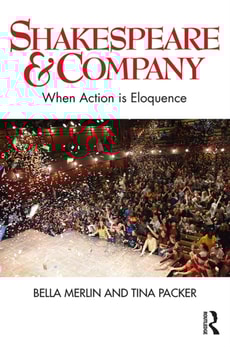
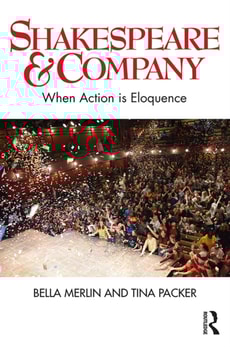
Shakespeare Company: When Action is Eloquence is the first comprehensive insight into this internationally acclaimed company founded in 1978 in Lenox, Massachusetts, by actor-director Tina Packer and voice pioneer Kristin Linklater, with the transformative power of Shakespeare's language at its heart.
Shakespeare Company: When Action is Eloquence is the first comprehensive insight into this internationally acclaimed company founded in 1978 in Lenox, Massachusetts, by actor-director Tina Packer and voice pioneer Kristin Linklater, with the transformative power of Shakespeare's language at its heart.
Dryden at the end of his life was admired, perhaps even beloved, by many in England, and his greatest skill over his long career-his controlled detachment-uniquely positioned him to write of both history and politics in 1700.
Dryden at the end of his life was admired, perhaps even beloved, by many in England, and his greatest skill over his long career-his controlled detachment-uniquely positioned him to write of both history and politics in 1700.
Dissent and Authority in Early Modern Ireland: The English Problem from Bale to Shakespeare examines the problems that beset the Tudor administration of Ireland through a range of selected 16th century English narratives.
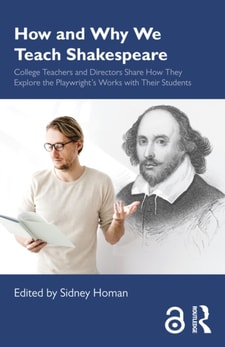
In How and Why We Teach Shakespeare, 19 distinguished college teachers and directors draw from their personal experiences and share their methods and the reasons why they teach Shakespeare.
Dissent and Authority in Early Modern Ireland: The English Problem from Bale to Shakespeare examines the problems that beset the Tudor administration of Ireland through a range of selected 16th century English narratives.
With Annihilation Songs: Three Shakespeare Reintegrations, writer and award-winning filmmaker Jason DeBoer presents radical anagrammatic takes on The Tempest, The Two Gentlemen of Verona, and Hamlet.
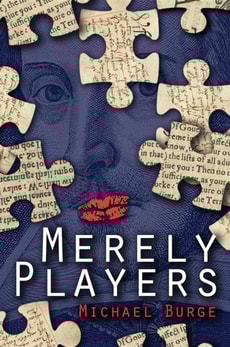
When a middle-aged boy player returns to Londons Globe playhouse during a terrible revival of Romeo and Juliet, she sets off a chain of events as great as any of Shakespeares entertainments, revealing a love story that lay hidden for decades, just beneath the lines of the script.
Shakespeare's Dramatic Transactions uses conventions of performance criticism-staging and theatrical presentation-to analyze seven major Shakespearean tragedies: Hamlet, Othello, King Lear, Macbeth, Antony and Cleopatra, Richard II, and Richard III.