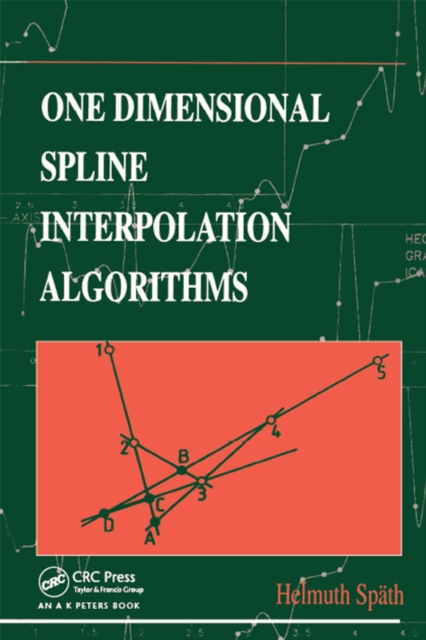
These volumes present a practical introduction to computing spline functions, the fundamental tools for fitting curves and surfaces in computer-aided deisgn (CAD) and computer graphics.
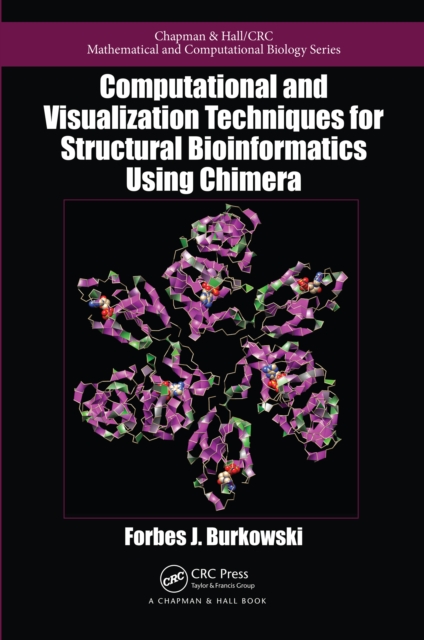
A Step-by-Step Guide to Describing Biomolecular StructureComputational and Visualization Techniques for Structural Bioinformatics Using Chimera shows how to perform computations with Python scripts in the Chimera environment.
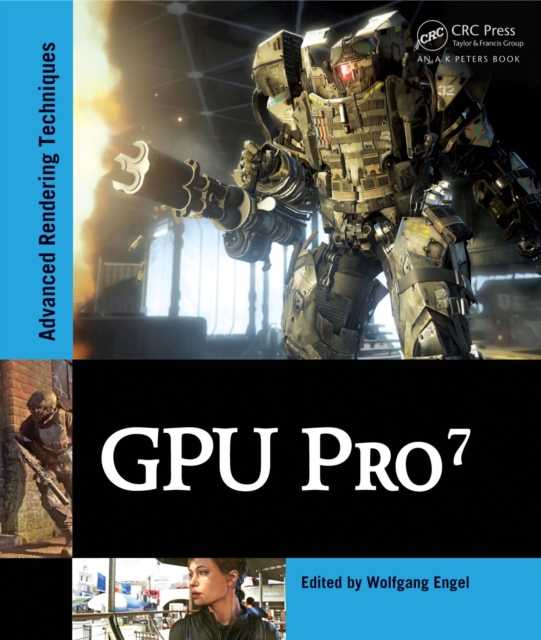
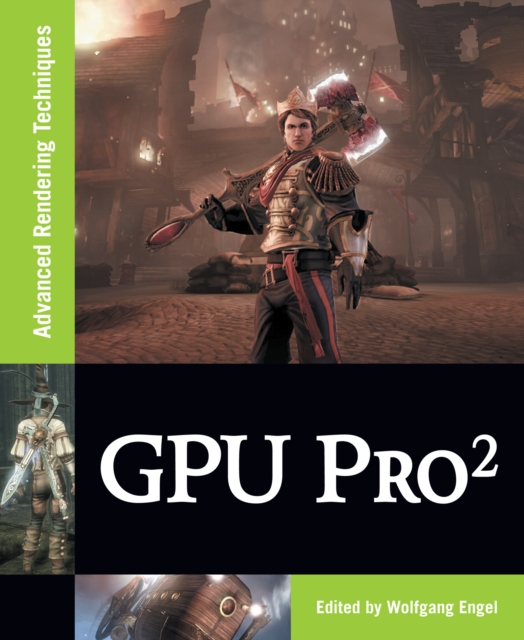
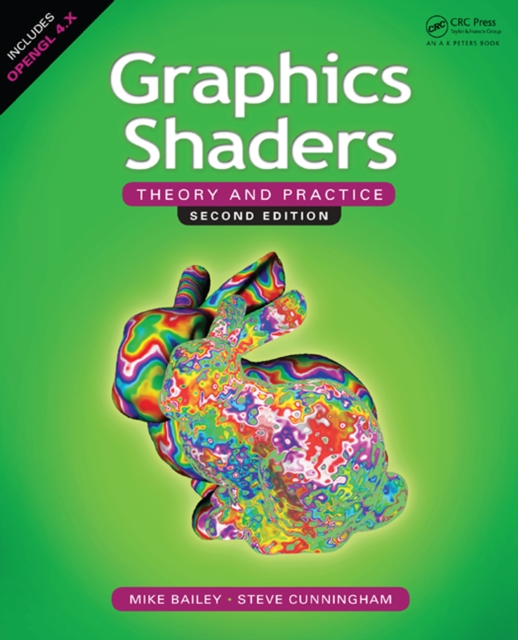
The latest edition of this bestselling game development reference offers proven tips and techniques for the real-time rendering of special effects and visualization data that are useful for beginners and seasoned game and graphics programmers alike.
Geometry processing, or mesh processing, is a fast-growing area of research that uses concepts from applied mathematics, computer science, and engineering to design efficient algorithms for the acquisition, reconstruction, analysis, manipulation, simulation, and transmission of complex 3D models.
Understanding Geometric Algebra: Hamilton, Grassmann, and Clifford for Computer Vision and Graphics introduces geometric algebra with an emphasis on the background mathematics of Hamilton, Grassmann, and Clifford.
This volume documents the results and presentations, related to aspects of geometric design, of the Second International Conference on Curves and Surfaces, held in Chamonix in 1993.
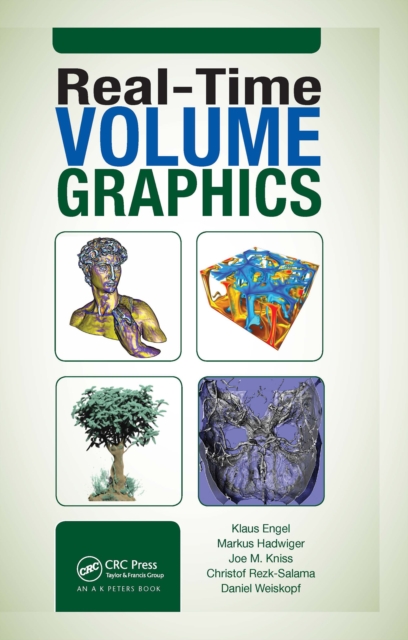
Ever since Lorensen and Cline published their paper on the Marching Cubes algorithm, isosurfaces have been a standard technique for the visualization of 3D volumetric data.
Based on course notes of SIGGRAPH course teaching techniques for real-time rendering of volumetric data and effects; covers both applications in scientific visualization and real-time rendering.
This undergraduate-level computer graphics text provides the reader with conceptual and practical insights into how to approach building a majority of the interactive graphics applications they encounter daily.
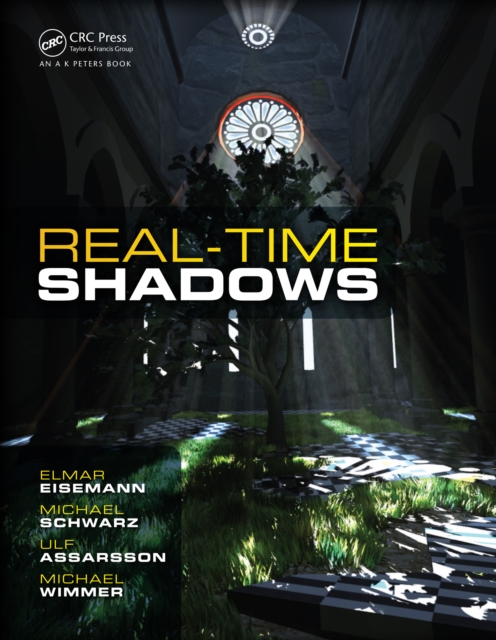
Important elements of games, movies, and other computer-generated content, shadows are crucial for enhancing realism and providing important visual cues.
As animation software becomes more advanced and graphics become more refined, the opportunity to create informative detail becomes more achievable in your characters.
Numerical Algorithms: Methods for Computer Vision, Machine Learning, and Graphics presents a new approach to numerical analysis for modern computer scientists.
Written for game programmers and developers, this book covers GPU techniques and supporting applications that are commonly used in games and similar real-time 3D applications.
Intelligent Systems and Robotics focuses on new developments in robotics and intelligent systems and provides insight, guidance and specific techniques vital to those concerned with the design and implementation of robotics and intelligent system applications.
Together with its compagnion volume this book presents a practical introduction to computing spline functions, the fundamental tools for fitting curves and surfaces in computer-aided design (CAD) and computer graphics.
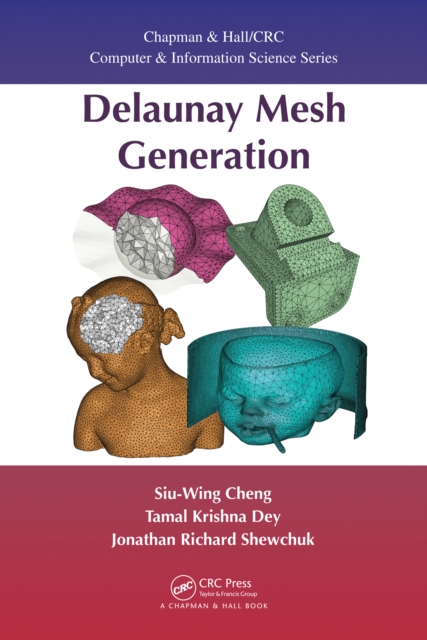
Written by authors at the forefront of modern algorithms research, Delaunay Mesh Generation demonstrates the power and versatility of Delaunay meshers in tackling complex geometric domains ranging from polyhedra with internal boundaries to piecewise smooth surfaces.
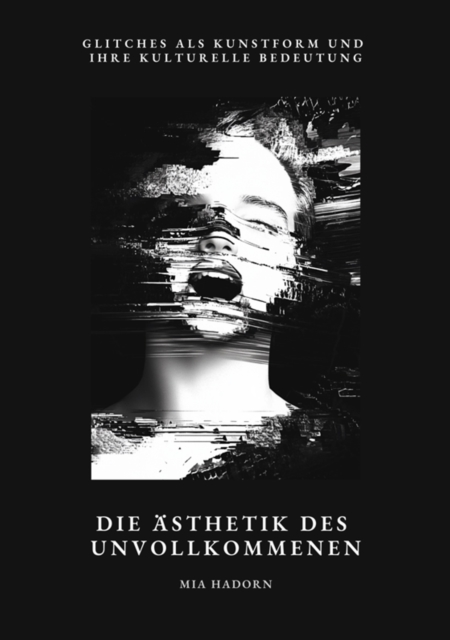
Die Perfektion digitaler Technologien hat uns eine makellose Welt versprochen – doch gerade im Fehlerhaften finden wir eine überraschende Quelle für Kreativität und Inspiration.
The latest edition of this bestselling game development reference offers proven tips and techniques for the real-time rendering of special effects and visualization data that are useful for beginners and seasoned game and graphics programmers alike.
This non-traditional introduction to the mathematics of scientific computation describes the principles behind the major methods, from statistics, applied mathematics, scientific visualization, and elsewhere, in a way that is accessible to a large part of the scientific community.
Designed for advanced undergraduate and beginning graduate courses, 3D Graphics for Game Programming presents must-know information for success in interactive graphics.
Create Genuine Visual Realism in Computer Graphics Digital Representations of the Real World: How to Capture, Model, and Render Visual Reality explains how to portray visual worlds with a high degree of realism using the latest video acquisition technology, computer graphics methods, and computer vision algorithms.
The ubiquity of computer-generated imagery around us, in movies, advertising or on the Internet is already being taken for granted and what impresses most people is the photorealistic quality of the images.
Allegorithmic: The Company That Brought Substance to the World of 3D explores the journey of Allegorithmic, the software company behind Substance, a suite of tools that revolutionized texturing in computer graphics.
Taking a novel, more appealing approach than current texts, An Integrated Introduction to Computer Graphics and Geometric Modeling focuses on graphics, modeling, and mathematical methods, including ray tracing, polygon shading, radiosity, fractals, freeform curves and surfaces, vector methods, and transformation techniques.
Expert Guidance on the Math Needed for 3D Game ProgrammingDeveloped from the authors' popular Game Developers Conference (GDC) tutorial, Essential Mathematics for Games and Interactive Applications, Third Edition illustrates the importance of mathematics in 3D programming.
Dave Eberly's 3D Game Engine Design was the first professional guide to the essential concepts and algorithms of real-time 3D engines and quickly became a classic of game development.
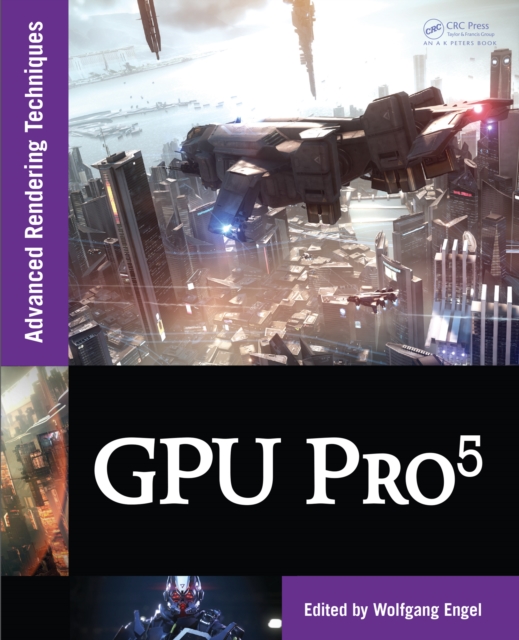
In GPU Pro5: Advanced Rendering Techniques, section editors Wolfgang Engel, Christopher Oat, Carsten Dachsbacher, Michal Valient, Wessam Bahnassi, and Marius Bjorge have once again assembled a high-quality collection of cutting-edge techniques for advanced graphics processing unit (GPU) programming.
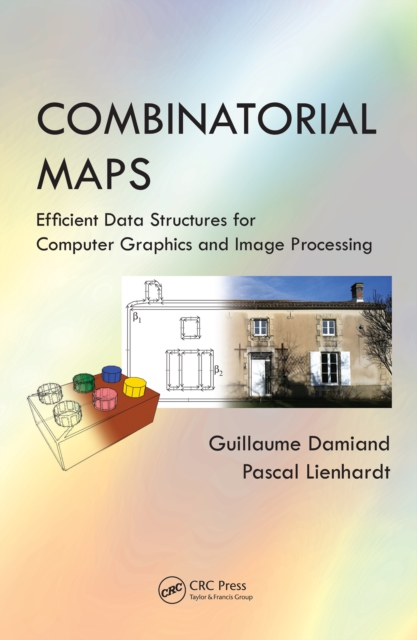
A Versatile Framework for Handling Subdivided Geometric ObjectsCombinatorial Maps: Efficient Data Structures for Computer Graphics and Image Processing gathers important ideas related to combinatorial maps and explains how the maps are applied in geometric modeling and image processing.
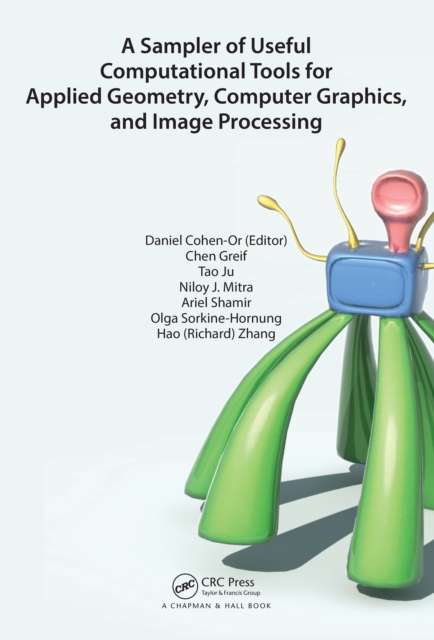
A Sampler of Useful Computational Tools for Applied Geometry, Computer Graphics, and Image Processing shows how to use a collection of mathematical techniques to solve important problems in applied mathematics and computer science areas.
Incorporating both historical techniques and the most recent developments in computer graphics, Shader Writing in Open Shading Language is a treatise on OSL shader writing and shader development that intends to remedy the current lack of material on this important area of technical and artistic expertise.
From Design Methods and Generation Schemes to State-of-the-Art ApplicationsWavelets are powerful tools for functional analysis and geometry processing, enabling researchers to determine the structure of data and analyze 3D shapes.
Computing is revolutionizing the creative process, transforming how designers approach ideation, prototyping, fabrication, communication, and representation.
Optimize Designs in Less TimeAn essential element of equipment and system design, computer aided design (CAD) is commonly used to simulate potential engineering problems in order to help gauge the magnitude of their effects.