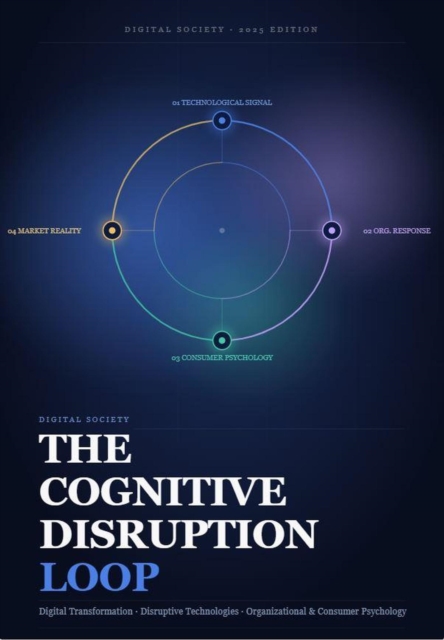
Artificial Intelligence is rapidly becoming a core business capability, yet many organizations struggle to move beyond isolated pilots and experiments.
How Cold War geopolitics and domestic capitalism changed the trajectory of India's computing industryIndia today is widely recognized for producing world-class tech talent and Silicon Valley leaders, yet captures only a fraction of the global tech industry's profits, primarily providing skilled but inexpensive labor for Western corporations.
How Cold War geopolitics and domestic capitalism changed the trajectory of India's computing industryIndia today is widely recognized for producing world-class tech talent and Silicon Valley leaders, yet captures only a fraction of the global tech industry's profits, primarily providing skilled but inexpensive labor for Western corporations.
Struggling with campus placements, aptitude tests, or interviewsTired of applying to jobs and facing rejection without knowing what to fixCampus Placement Strategy is a practical and powerful guide designed for freshers, students, and graduates who want to crack placements and secure their first job with confidenceThis book gives you a clear step by step roadmap covering aptitude preparation, coding basics, resume building, LinkedIn optimization, interview strategy, and smart job application methodsLearn how recruiters think, how to avoid common mistakes, and how to prepare efficiently without wasting timeInside, you will discover proven techniques to improve quantitative aptitude, logical reasoning, and verbal ability along with real strategies to handle HR and technical interviews with confidenceYou will also learn how to practice effectively, apply both on campus and off campus, and convert job offers with the right decisionsPerfect for engineering students, graduates, and job seekers preparing for campus placements and entry level jobsIf you are searching for campus placement preparation, aptitude for placements, interview preparation for freshers, resume building guide, or job search strategy for freshersThis book gives you everything in one placeStop guessing and start preparing smartlyYour first job starts with the right strategy
In diesem umfassenden Programmierhandbuch zeigt dir Erik Bartmann, wie du moderne C-Entwicklung mit dem leistungsstarken Cross-Compiler VBCC auf deinem aktuellen PC betreibst und native Programme für echte Amiga-Systeme – insbesondere den Amiga 4000 – erzeugst.
Der Raspberry Pi 5 als PlattformDer Raspberry Pi 5 ist ein leistungsfähiger Mini-PC und gleichzeitig eine ideale Plattform für anspruchsvolle Elektronikprojekte.
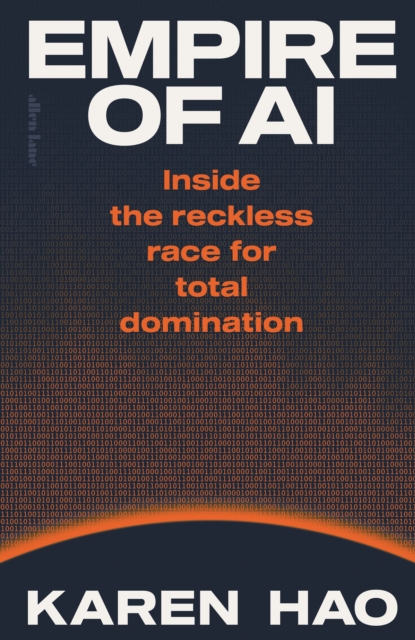
A New York Times and Sunday Times BestsellerWinner of the National Book Critics Circle Award 2025Longlisted for the 2025 Financial Times & Schroders Business Book of the YearShortlisted for Foyles Non Fiction Book of the Year 2025An eye-opening account of the tech arms race shaping out planet, from an award-winning journalist and AI insider to the world of Sam Altman and OpenAIWhen longtime AI expert and journalist Karen Hao first began covering OpenAI in 2019, she thought they were the good guys.
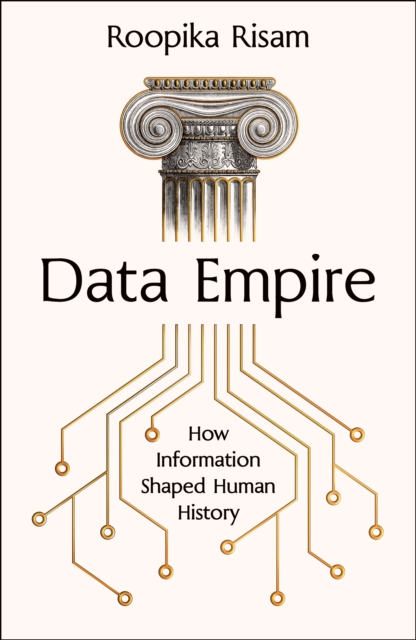
FEATURED IN BARACK OBAMA'S SUMMER READING LIST 2026A NEW SCIENTIST AND NPR SUMMER READING PICKAS RECOMMENDED BY THE FINANCIAL TIMES Data shaped empires.
In this thrilling and utterly unique work of narrative non-fiction, Katherine Dunn explores the acute vulnerability of the GPS satellite system - in a book that lifts the lid on the invisible connections of the globe, from the space race to the phone in our pocketsThis is the story of the Global Positioning System, the network of U.
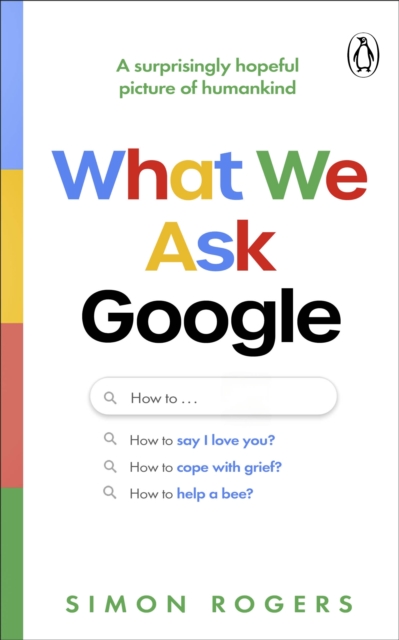
A NEW SCIENTIST BEST NEW SCIENCE BOOK MAY 2026'This view from the other side of the search box is both charming and insightful, tapping into a deep well of curiosity.
' Exactly the book you need right now Stylist'You know how the best writers pinpoint something you ve felt for ages but haven t been able to articulate?
A David and Goliath story about Ireland's role as prime real estate for the world's largest tech multinationals, and the considerable impact it has had on us as individuals.
The first book to tell the inside story of the battle for control over the future of music and how technology is ripping up the traditional rules of business.
This body of work aims to systematically organize and deliver a comprehensive overview of the IT landscape, ranging from the fundamental concepts of computer systems to the latest cloud technologies and application development.