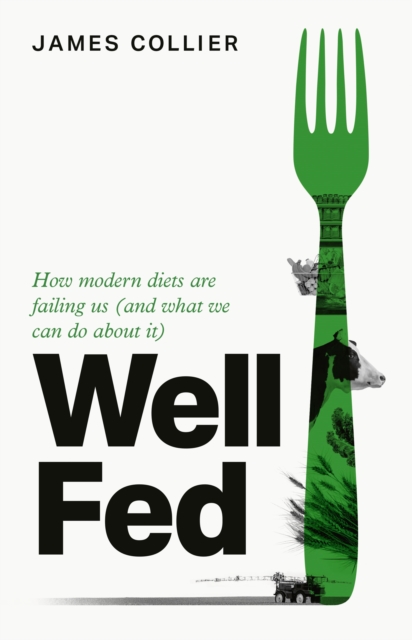
From the author of New York Times bestseller The New New Deal, a groundbreaking piece of reportage from the trenches of the next climate war: the fight to fix our food system.
Es fundamental estudiar y comprender la montaña andina, especialmente por su importancia geopolítica nacional e internacional en materia económica, cultural y ambiental.
"Hacer un balance crítico de los diez años de vigencia de la Ley Orgánica de Régimen de Soberanía Alimentaria es uno de los objetivos principales que han propuesto los autores de este libro.
'Tom is one of my favourite people to taste wine with' - Oz Clarke'Tom's love of wine is matched by his dedication to sharing down-to-earth insights with accessibility and fun' - Olly SmithFrom grape to glass, this highly readable and charismatic guide will teach you everything you need to know to enjoy wine.
In diesem Buch teile ich persönliche Einblicke in meine Gesundheitsreise, Ernährungsgewohnheiten und meine Erfahrungen mit Nahrungsmittelunverträglichkeiten.
Bei diesem Buch handelt es sich um ein Buch für die ganze Familie und es klärt dich über einiges im Bereich Ernährung, Hühnerhaltung, "Fleischproduktion", etc.
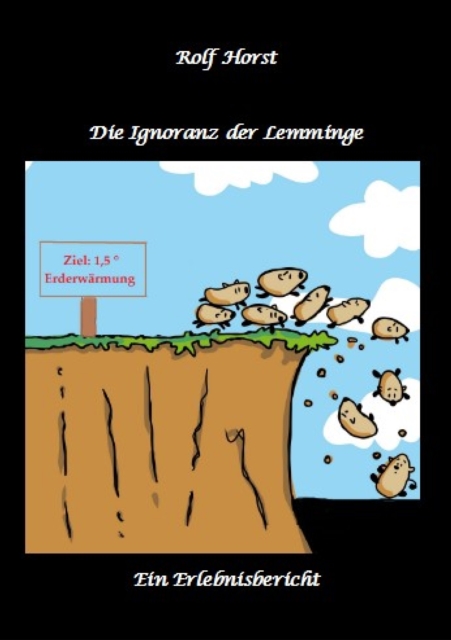
Es geht einerseits um das Artensterben und hier sind nicht nur die Tiere - Insekten wie Bienen, Hummeln, Wespen, Schwebfliegen gemeint, die für eine Bestäubung unserer Pflanzen sorgen, sondern auch die Spezies Mensch!
Der Wert des Bodens, das Wunder der Unterwelt, jene Abermillionen von Wurzeln und Würmern, Käfern, Bakterien und Pilzen, die in symbiotischem Zusammenwirken immer wieder neues Leben schaffen, wurde lange unterschätzt und missachtet.
Mercedes-AMG-Petronas-Formel-1-Team lautet seit der Saison 2010 der offizielle Name des Werksteams des deutschen Automobilkonzerns Daimler AG in der Formel 1.
Los problemas alimentarios —y también los significados de los alimentos y de los cuerpos que los consumen— no son una realidad dada de antemano, sino el resultado histórico de procesos que involucran tradiciones culturales locales, transformaciones científicas y epistémicas, desarrollos tecnológicos, nuevas formas de gobierno sobre lo social y lo corporal, así como sistemas industriales (cada vez más globales) de producción, distribución y publicidad alimentaria.
En todo el mundo, el sistema agroalimentario neoliberal, una de las caras mas exitosas de la globalizacion hegemonica capitalista, esta siendo enfrentado por procesos de resistencia que cuestionan la relacion colonial de explotacion y dominacion persistente hasta los dias de hoy en las formas de producir y de vivir.
Con la escasez de alimentos impulsada por la caída de las capas freáticas, la erosión de los suelos y el aumento de las temperaturas, el control de la tierra cultivable y los recursos hídricos se están convirtiendo en el centro de la lucha mundial por la seguridad alimentaria.
Was nach einem harmlosen Spaß aussieht, entwickelt sich nach einer unbedeutenden Erpressung des ortsansässigen Metzgers zu einem großen Fiasko in einem kleinen bayrischen Dorf.
In den nächsten 30 Jahren steht die Menschheit vor der Herausforderung, rund zehn Milliarden Menschen zu ernähren, und gleichzeitig natürliche Ressourcen und Lebensräume zu erhalten.
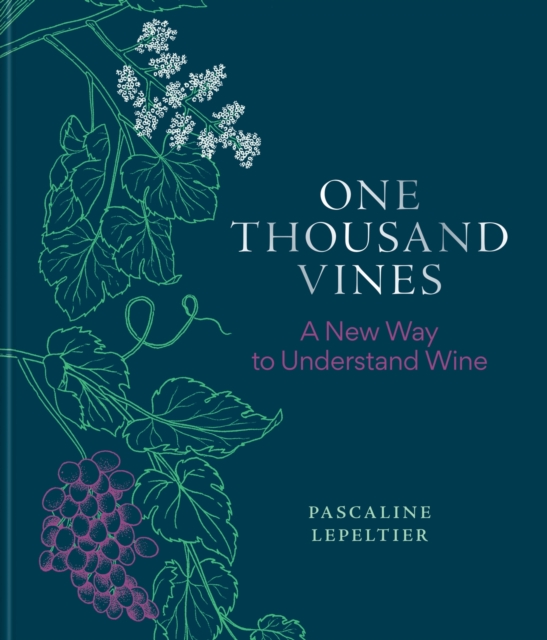
*SHORTLISTED FOR THE ANDR SIMON DRINKS BOOK AWARD 2024** A DECANTER BEST WINE BOOK OF 2024**WINNER OF AN OIV AWARD 2024*"e;Dazzling"e; The Times Literary Supplement"e;Wine lovers who read this book will deeply, richly profit"e; The Best Wine Books of 2024 by Eric Asimov, The New York Times"e;Written by the very impressive Pacaline Lepeltier, one of a handful of female master sommeliers and, in my opinion, the best in the world, she can be trusted to guide you and inform you on your wine journey.
The wines of Bordeaux are universally recognized as being among the finest in the world and in this fully revised and updated edition of his classic text, renowned wine expert Stephen Brook provides an unrivalled survey of the region and its wines.
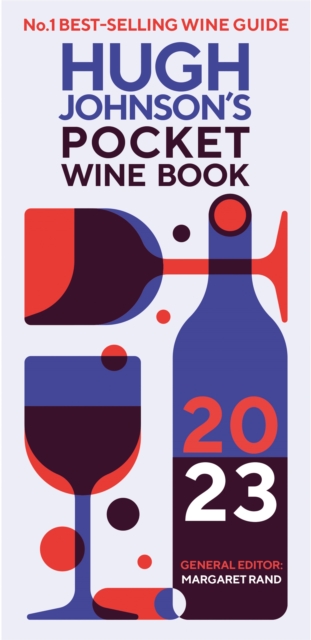
The world's best-selling annual wine guideHugh Johnson's Pocket Wine Book is the essential reference book for everyone who buys wine - in shops, restaurants, or on the internet.
There is more sugar in the world's diet than ever before, but life is far from sweet for the exploited producers making nature's 'white gold' and the unhealthy consumers eating it.
The Sustainable Diet is a timely and practical guide to a healthy planet and a healthy you, complete with 100 nutritious and delicious recipes for breakfast, lunch and dinner.