Leveraging the Private Sector offers the first sustained analysis of public and private sector initiatives designed to encourage firms and industries to use their own management expertise to improve their environmental performance.
In 1947, British India-the part of South Asia that is today's India, Pakistan, and Bangladesh-emerged from the colonial era with the world's largest centrally managed canal irrigation infrastructure.
In 1947, British India-the part of South Asia that is today's India, Pakistan, and Bangladesh-emerged from the colonial era with the world's largest centrally managed canal irrigation infrastructure.
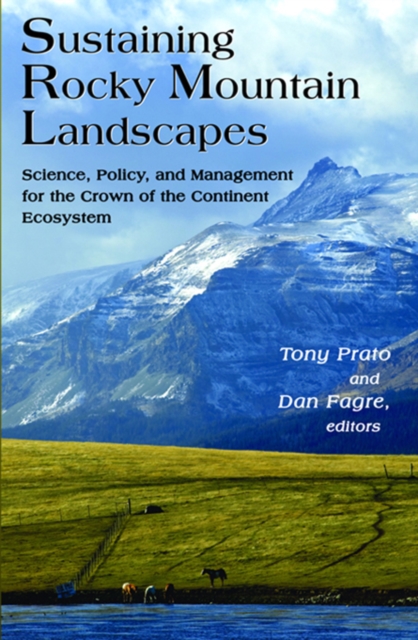
Prato and Fagre offer the first systematic, multi-disciplinary assessment of the challenges involved in managing the Crown of the Continent Ecosystem (CCE), an area of the Rocky Mountains that includes northwestern Montana, southwestern Alberta, and southeastern British Columbia.
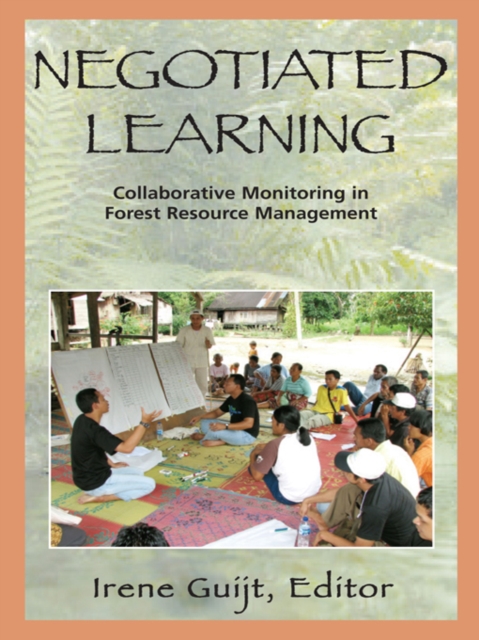
The first book to critically examine how monitoring can be an effective tool in participatory resource management, Negotiated Learning draws on the first-hand experiences of researchers and development professionals in eleven countries in Africa, Asia, and South America.
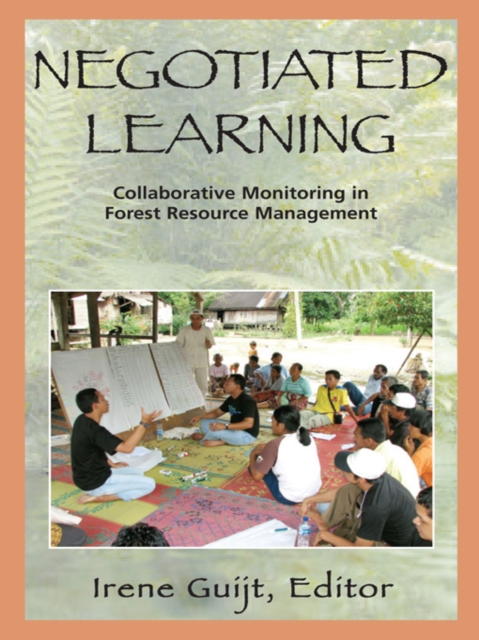
The first book to critically examine how monitoring can be an effective tool in participatory resource management, Negotiated Learning draws on the first-hand experiences of researchers and development professionals in eleven countries in Africa, Asia, and South America.
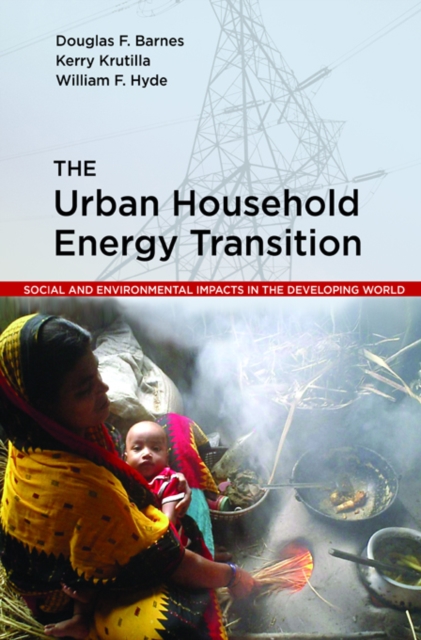
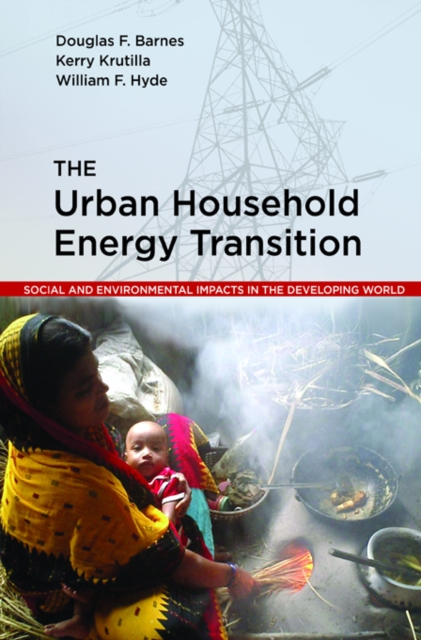
As cities in developing countries grow and become more prosperous, energy use shifts from fuelwood to fuels like charcoal, kerosene, and coal, and, ultimately, to fuels such as liquid petroleum gas, and electricity.
As cities in developing countries grow and become more prosperous, energy use shifts from fuelwood to fuels like charcoal, kerosene, and coal, and, ultimately, to fuels such as liquid petroleum gas, and electricity.
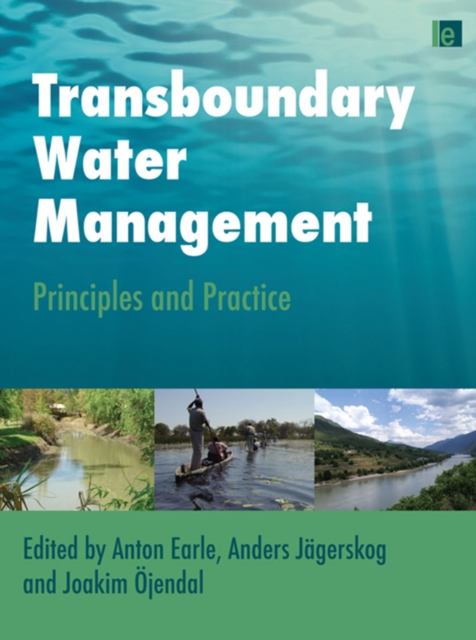
The management of water resources across boundaries, whether sub-national or international, is one of the most difficult challenges facing water managers today.
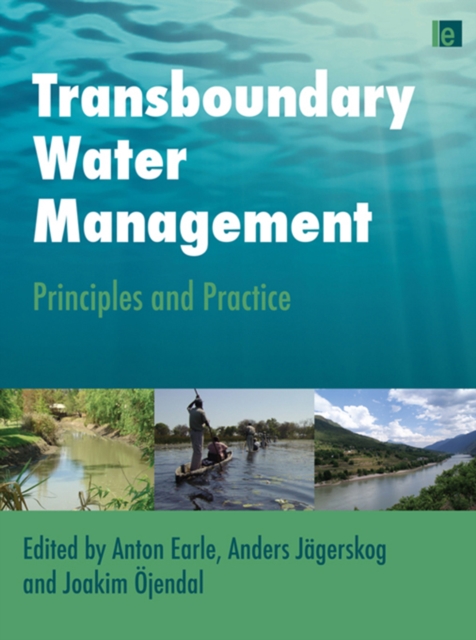
The management of water resources across boundaries, whether sub-national or international, is one of the most difficult challenges facing water managers today.
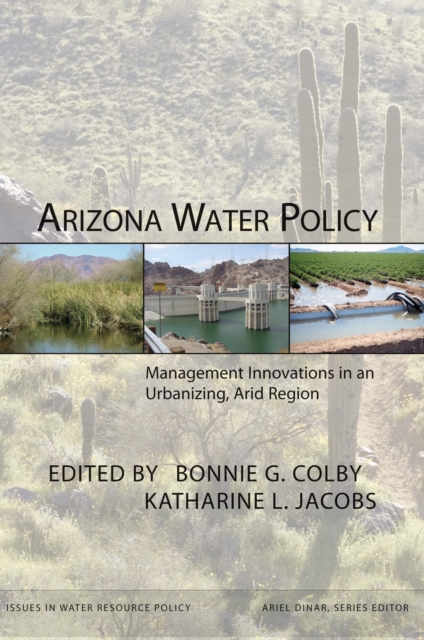
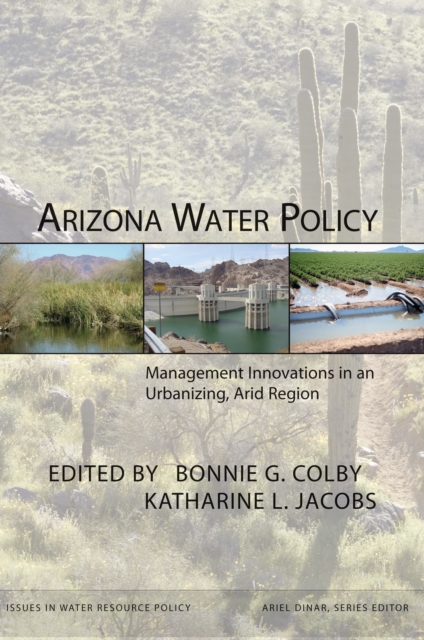
The central challenge for Arizona and many other arid regions in the world is keeping a sustainable water supply in the face of rapid population growth and other competing demands.
The central challenge for Arizona and many other arid regions in the world is keeping a sustainable water supply in the face of rapid population growth and other competing demands.
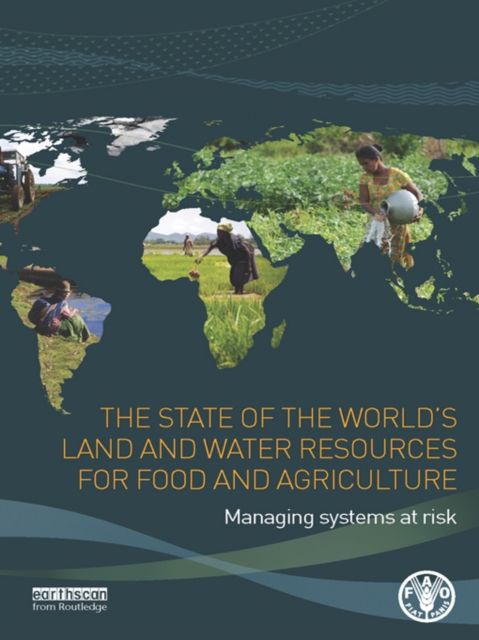
The State of the World's Land and Water Resources for Food and Agriculture is FAO's first flagship publication on the global status of land and water resources.
The State of the World's Land and Water Resources for Food and Agriculture is FAO's first flagship publication on the global status of land and water resources.
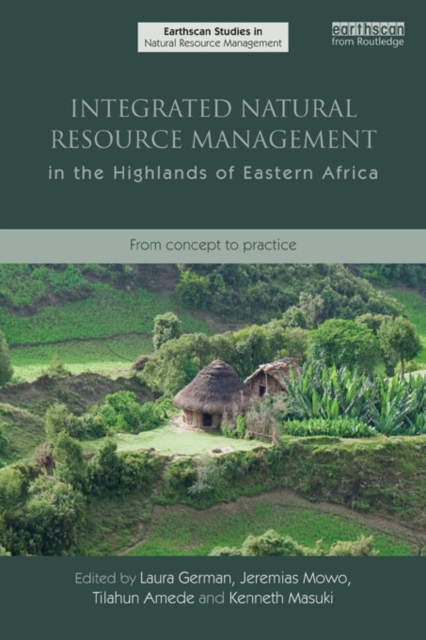
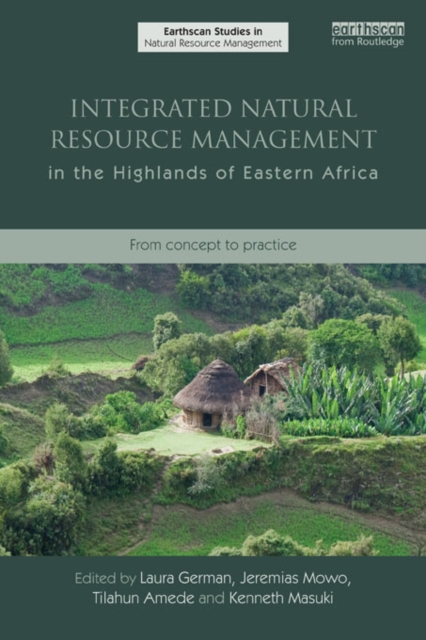
This book documents a decade of research, methodological innovation, and lessons learned in an eco-regional research-for-development program operating in the eastern African highlands, the African Highlands Initiative (AHI).
This book documents a decade of research, methodological innovation, and lessons learned in an eco-regional research-for-development program operating in the eastern African highlands, the African Highlands Initiative (AHI).
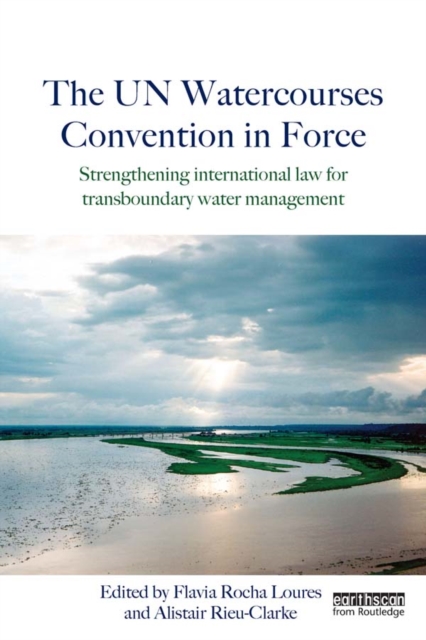
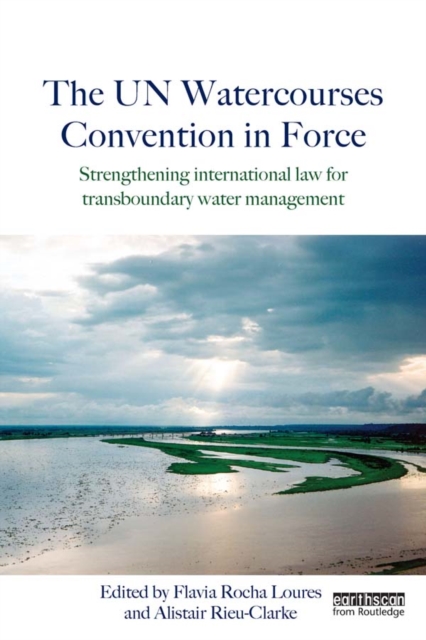
At the UN General Assembly in 1997, an overwhelming majority of States voted for the adoption of the United Nations Convention on the Law of the Non-Navigational Uses of International Watercourses - a global overarching framework governing the rights and duties of States sharing freshwater systems.
At the UN General Assembly in 1997, an overwhelming majority of States voted for the adoption of the United Nations Convention on the Law of the Non-Navigational Uses of International Watercourses - a global overarching framework governing the rights and duties of States sharing freshwater systems.
India has moved along an impressive growth path over the last decade, marked with falling share of agriculture, stagnating manufacturing, expanding services segment, growing trade orientation, enhanced FDI inflows etc.
India has moved along an impressive growth path over the last decade, marked with falling share of agriculture, stagnating manufacturing, expanding services segment, growing trade orientation, enhanced FDI inflows etc.
The purpose of this book is to showcase a range of approaches that consider learning and collaboration as central processes in agriculture and natural resources governance and management.
The purpose of this book is to showcase a range of approaches that consider learning and collaboration as central processes in agriculture and natural resources governance and management.
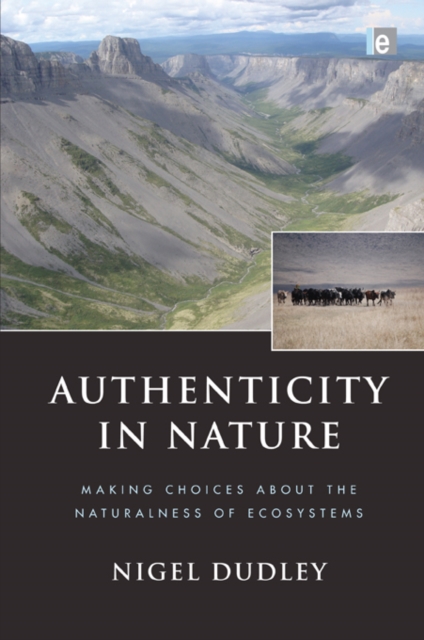
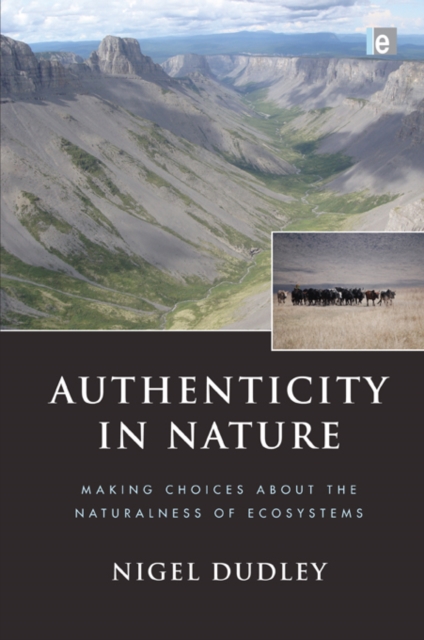
This book examines the concept of naturalness in ecosystems, discusses its values and considers choices about the level of naturalness in conservation efforts.
This book examines the concept of naturalness in ecosystems, discusses its values and considers choices about the level of naturalness in conservation efforts.
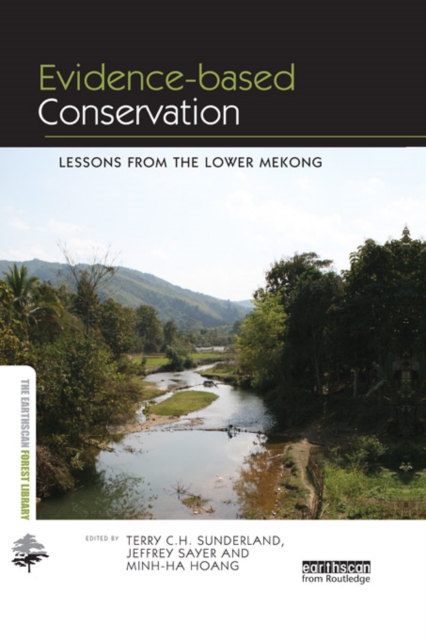
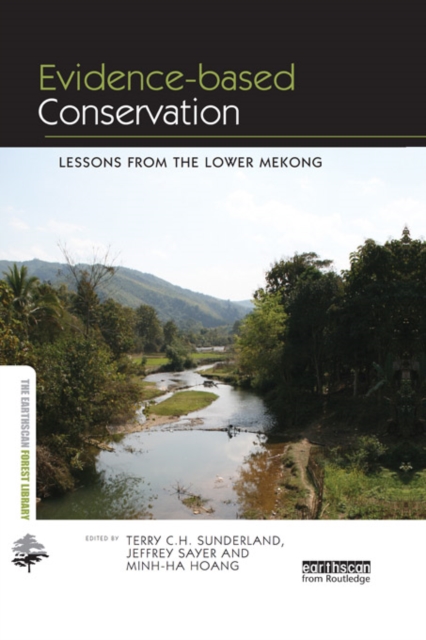
There is a considerable gap between the science of conservation biology and the design and execution of biodiversity conservation projects in the field.
There is a considerable gap between the science of conservation biology and the design and execution of biodiversity conservation projects in the field.
Sustainable Forest Management provides the necessary material to educate students about forestry and the contemporary role of forests in ecosystems and society.
Sustainable Forest Management provides the necessary material to educate students about forestry and the contemporary role of forests in ecosystems and society.
This book delves into the pivotal issue of Indoor Air Quality (IAQ) management in municipal buildings within developing economies, addressing a pressing need in today's digital age, where individuals spend over 70% of their time indoors.