How the debate over genetically modified crops in India is transforming science and politics Genetically modified or transgenic crops are controversial across the world.
An exploration of the relationship between possession and legalization across Indonesia, and how people navigate dispossession The old aphorism "e;possession is nine-tenths of the law"e; is particularly relevant in Indonesia, which has seen a string of regime changes and a shifting legal landscape for property claims.
A new history of post'Revolutionary Haiti, and the society that emerged in the aftermath of the world’s most successful slave revolution Haiti is widely recognized as the only state born out of a successful slave revolt, but the country’s early history remains scarcely understood.
A radical new approach to tackling the growing threat of water scarcity Water is essential to life, yet humankind’s relationship with water is complex.
A highly regarded academic and former policy analyst and consultant charts the forty-year history of neoliberalism, environmental governance, and resource rights in Madagascar Since the 1970s, the U.
How changing the way we think about water and energy can secure the long-term sustainability of both precious resources Although it is widely understood that energy and water are the world’s two most critical resources, their vital interconnections and vulnerabilities are less often recognized.
A new focus on international diplomacy and cooperation as the race for polar resources escalates As the race for resources in distant parts of the planet gathers momentum, the Arctic and Antarctic have taken on a more prominent role in international relations.
The supply and management of fresh water for the world’s billions of inhabitants is likely to be one of the most daunting challenges of the coming century.
This important and accessible book surveys the history and present condition of river systems across the United States, showing how human activities have impoverished our rivers and impaired the connections between river worlds and other ecosystems.
In the first decades of the twentieth century, fish in the Great Lakes and Puget Sound, seals in the North Pacific, and birds across North America faced a common threat: over harvesting that threatened extinction for many species.
Wilderness in National Parks casts light on the complicated relationship between the National Park Service and its policy goals of wilderness preservation and recreation.
From prehistory to the present-day conservation movement, Pyne explores the efforts of successive American cultures to master wildfire and to use it to shape the landscape.
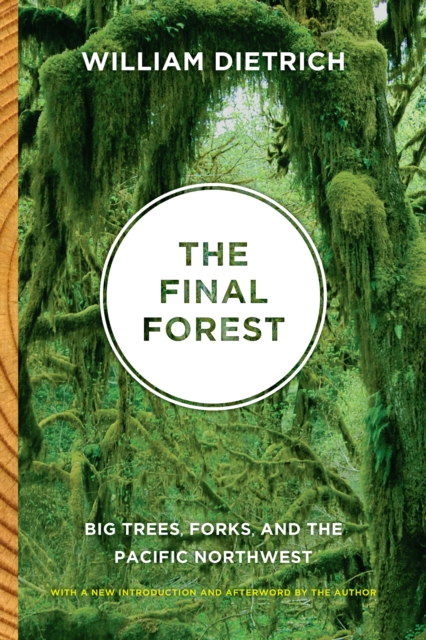
2011 Outstanding Title, University Press Books for Public and Secondary School LibrariesWinner of the Pacific Northwest Booksellers Association AwardBefore Forks, a small town on Washingtons Olympic Peninsula, became famous as the location for Stephenie Meyers Twilight book series, it was the self-proclaimed Logging Capital of the World and ground zero in a regional conflict over the fate of old-growth forests.
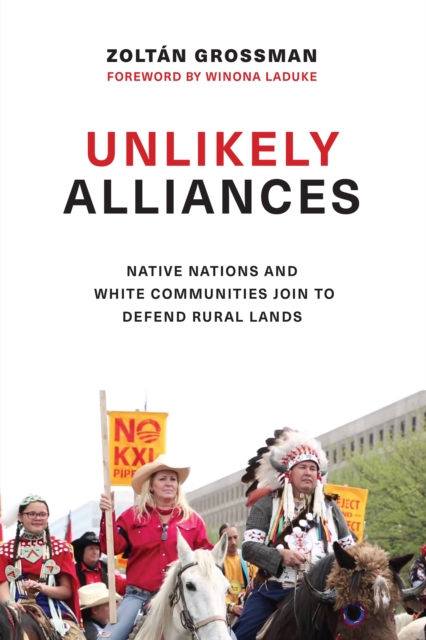
Often when Native nations assert their treaty rights and sovereignty, they are confronted with a backlash from their neighbors, who are fearful of losing control of the natural resources.
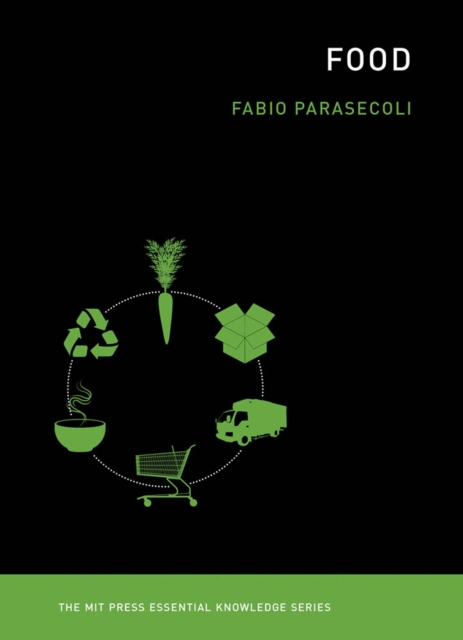
A consumer''s guide to the food system, from local to global: our part as citizens in the interconnected networks, institutions, and organizations that enable our food choices.
A comprehensive political analysis of the rapid growth in renewable wind and solar power, mapping an energy transition through theory, case studies, and policy.
The first comprehensive political science account of energy poverty, arguing that governments can improve energy access for their citizens through appropriate policy design.
Strategies for transboundary natural resource management; winner of Harvard Law School''s Raiffa Award for best research of the year in negotiation and conflict resolution.
A comprehensive account of how energy has shaped society throughout history, from pre-agricultural foraging societies through today''s fossil fuel–driven civilization.
A comprehensive, coherent strategy for modernizing America''s electricity infrastructure while ensuring affordable, reliable, secure, and environmentally sustainable electricity services.
The economic and political aspects of energy subsidies, viewed both theoretically and empirically, with a focus on fossil fuel subsidies in developing nations.
A provocative call for delegitimizing fossil fuels rather than accommodating them, accompanied by case studies from Ecuador to Appalachia and from Germany to Norway.
An examination of the transformation of the Japanese diet from subsistence to abundance and an assessment of the consequences for health, longevity, and the environment.
An objective, comprehensive, and accessible examination of today''s most crucial problem: preserving the environment in the face of society''s insatiable demand for energy.
A study of how encounters between forestry bureaucrats and indigenous forest managers in Mexico produced official knowledge about forests and the state.