Blackouts—whether they result from military planning, network failure, human error, or terrorism—offer snapshots of electricity''s increasingly central role in American society.
This innovative collection examines how European queens participated in the conceptualisation, mobilisation, and transformation of 'natural resources' from the fifteenth to the end of the eighteenth century.
Neotropical forests sustain a wealth of biodiversity, provide a wide range of ecosystem services and products, and support the livelihoods of millions of people.
Much has been written about the wealth of nations, the history of unequal distribution and zones of affluence and deprivation within and between societies.
Most studies of water scarcity in the Middle East conclude that there is a significant risk of imminent conflict, even warfare, between states in the region.
Over the past one hundred years in particular, there has been a steady process by which natural resources (such as ground-water, forests, fishing grounds and grazing land) have been increasingly managed by centralised institutions.
Although China is generally considered to have suffered continuous deforestation over most of its history, forests were protected or even planted and maintained for centuries in some places.
A new interpretation of imperialism and environmental change, and the anxieties imperialism generated through environmental transformation and interaction with unknown landscapes.
Fresh water has become scarce and will become even more so in the coming years, as continued population growth places ever greater demands on the supply of fresh water.
Land degradation and desertification are amongst the most severe threats to human welfare and the environment, as they affect the livelihoods of some 2 billion people in the worlds drylands, and they are directly connected to pressing global environmental problems, such as the loss of biological diversity or global climate change.
Noise mapping is the first tool to effectively assess noise exposure, communicating information to citizens, and defining effective action plans for protecting citizens from high noise levels and preserving quiet areas in urban European Community environments.
This book presents a unique and up-to-date summary of what is known about groundwater on our planet, from a global perspective and in terms of area-specific factual information.
As debates over how relative risk can be used to shape landscape-scale environmental management intensify, Regional-Scale Risk Assessment demonstrates the capabilities of RRM using nine case studies in the Pacific Northwest, Pennsylvania, Brazil, and Tasmania.
Coastal Lagoons: Ecosystem Processes and Modeling for Sustainable Use and Development describes the concepts, models, and data needed to design and implement management programs for long-term sustainability of coastal lagoons.
This book examines some of the successes and failures of actual implementation of modern water policy options in the light of the principles and concepts which have emerged from the Rio Earth Summit, the Dublin Statement and other international consensus.
Basic Concepts of Environmental Chemistry, Second Edition provides a theoretical basis for the behavior and biological effects of natural chemical entities and contaminants in natural systems, concluding with a practical focus on risk assessment and the environmental management of chemicals.
This volume provides a basic introduction to toxicology within a framework of chemical risk to ecosystems and to human health and forms the basis of a new approach to teaching toxicology from a broad, interdisciplinary perspective.
The Lake and Pond Management Guidebook is the successor to the bestselling Lake Smarts: The First Lake Maintenance Handbook, the "e;bible"e; for small-scale lake and pond improvements, published by the Terrene Institute in 1993.
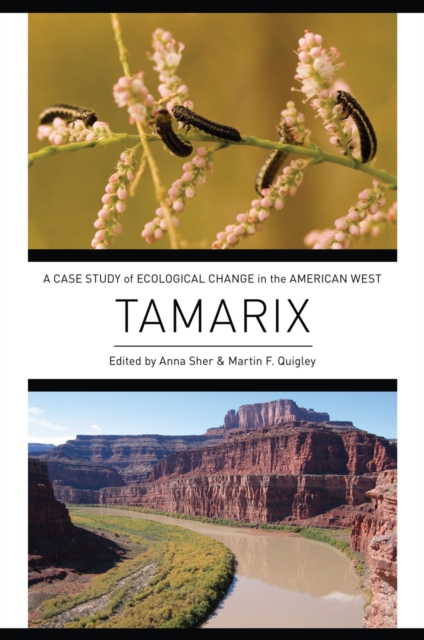
The invasive species Tamarix first attracted the public eye in the 1990's when it was suspected of contributing to widespread drought and wildfires in the Western United States.
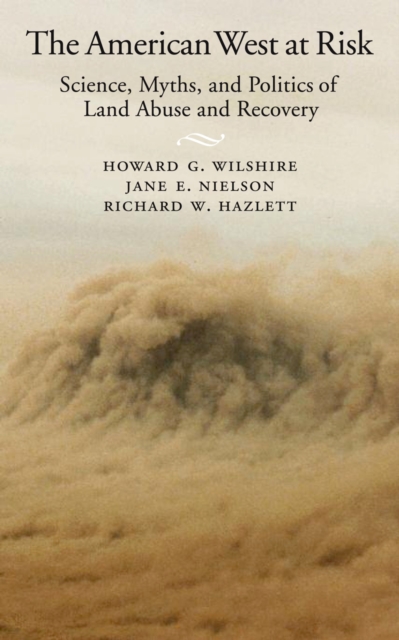
The American West at Risk summarizes the dominant human-generated environmental challenges in the 11 contiguous arid western United States - America's legendary, even mythical, frontier.
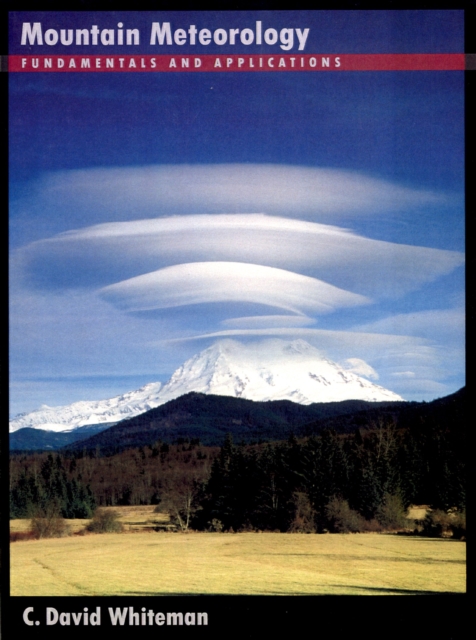
Mountain Meteorology: Fundamentals and Applications offers first an introduction to the basic principles and concepts of mountain meteorology, then goes on to discuss their application in natural resources management.
Adapting to a Changing Environment provides tools and a theoretical framework for governments and managers to understand and confront the consequences of climate change.
The American West at Risk summarizes the dominant human-generated environmental challenges in the 11 contiguous arid western United States - America's legendary, even mythical, frontier.
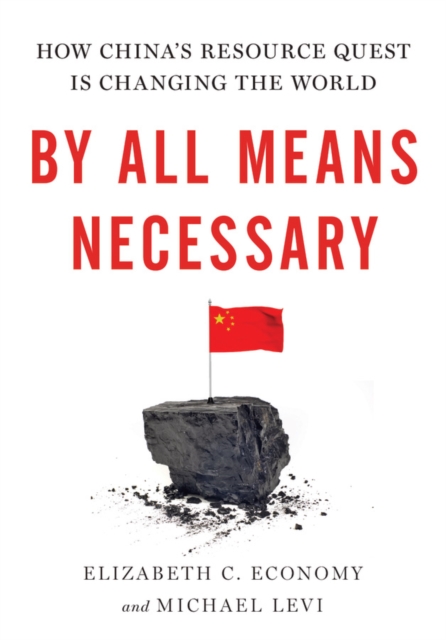
In the past thirty years, China has transformed from an impoverished country where peasants comprised the largest portion of the populace to an economic power with an expanding middle class and more megacities than anywhere else on earth.
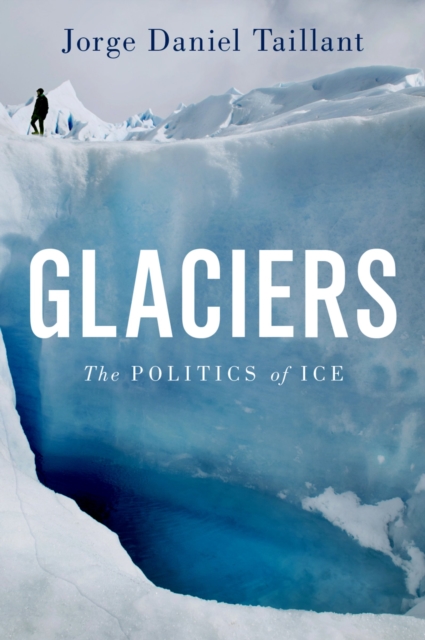
Though not traditionally thought of as strategic natural resources, glaciers are a crucial part of our global ecosystem playing a fundamental role in the sustaining of life around the world.