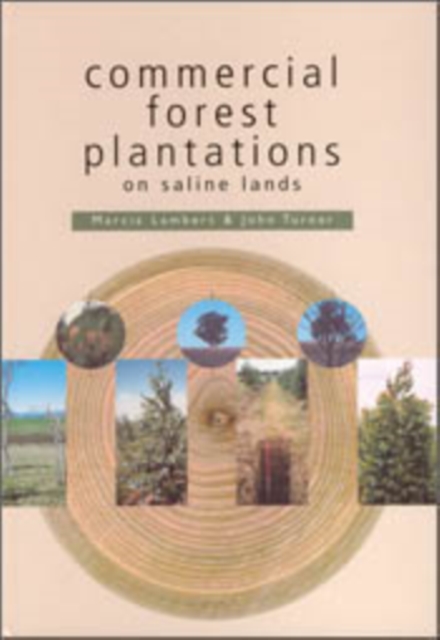
This book provides the information that will allow users to recover salt-degraded land with selected plantation timbers and ultimately to make a profit.
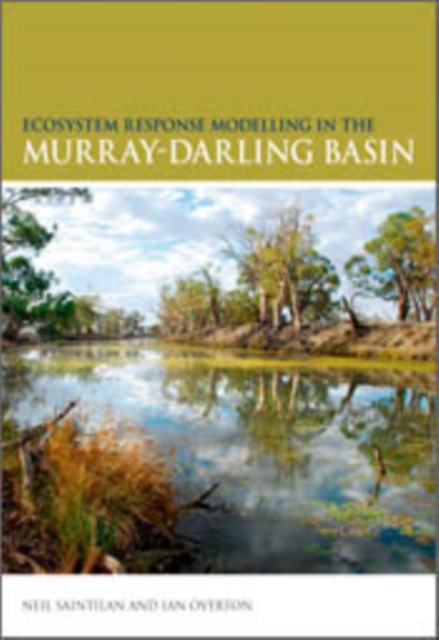
Ecosystem Response Modelling in the Murray-Darling Basin provides an overview of the status of science in support of water management in Australia’s largest and most economically important river catchment, and brings together the leading ecologists working in the rivers and wetlands of the Basin.
This book offers readers the chance to learn from the experiences of researchers involved in integrated mission-directed research, particularly in the areas of natural resource management and regional development.
Out of the Scientist's Garden is written for anyone who wants to understand food and water a little better - for those growing vegetables in a garden, food in a subsistence plot or crops on vast irrigated plains.
Towards Forest Sustainability is a collection of practical essays by some of the world's leading forest ecologists and managers from the United States of America, Canada, Finland, Sweden, Australia and New Zealand.
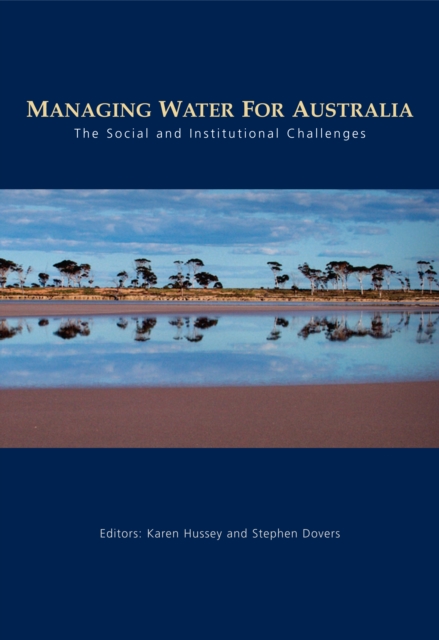
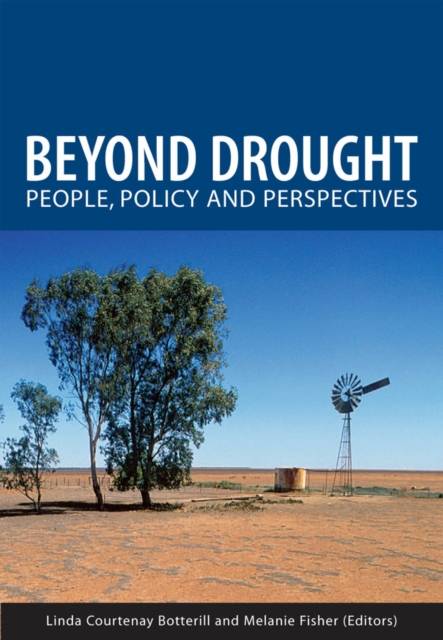
Australian water policy and management are undergoing rapid and immense change in response to drought, technological advances, climate change and demographic and economic shifts.
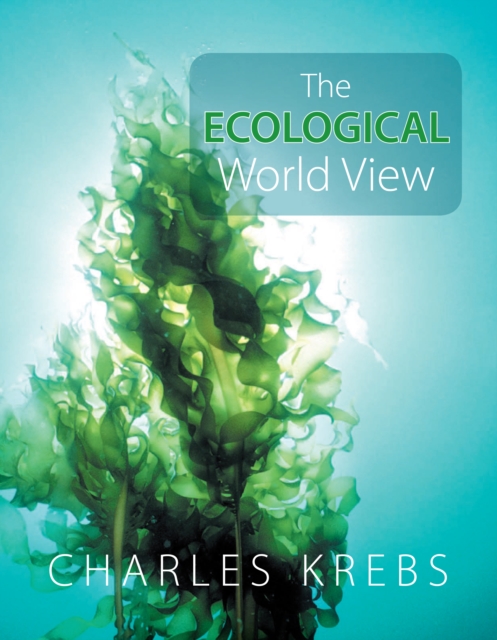
This new textbook fills an important niche by offering a lively overview of the principles of ecology for a broad range of university-level science and biology courses.
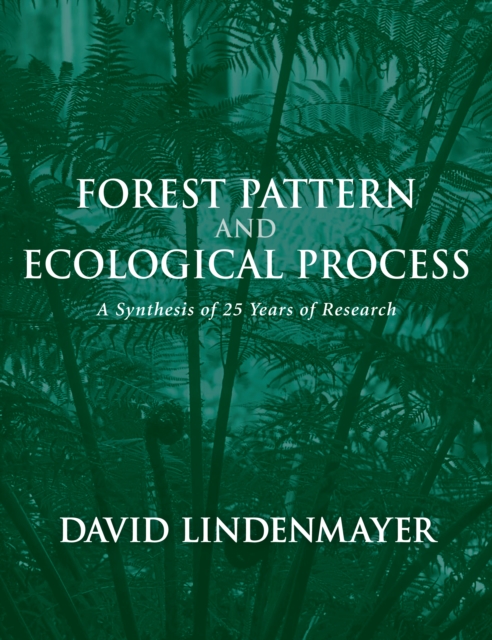
Forest Pattern and Ecological Process is a major synthesis of 25 years of intensive research about the montane ash forests of Victoria, which support the world's tallest flowering plants and several of Australia's most high profile threatened and/or endangered species.
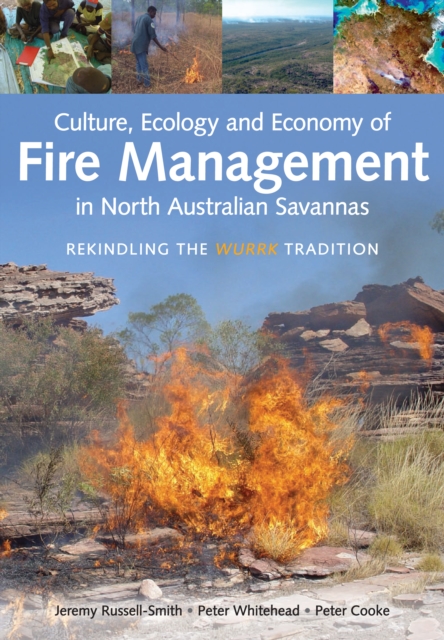
This engaging volume explores the management of fire in one of the world's most flammable landscapes: Australia's tropical savannas, where on average 18% of the landscape is burned annually.
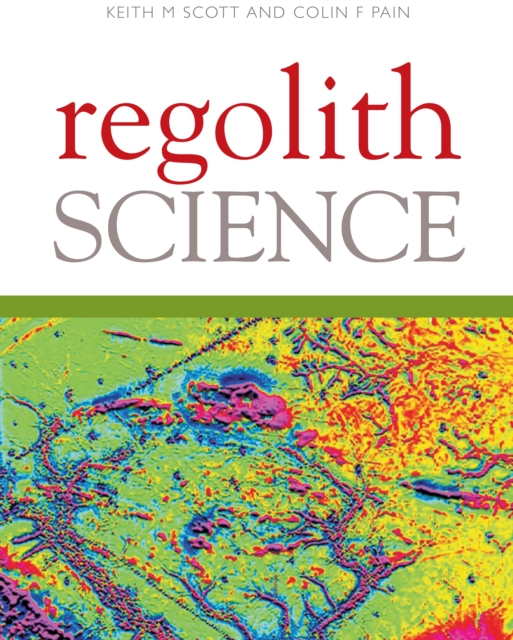
This comprehensive reference on the fundamentals of regolith geoscience describes how regolith is developed from parental rocks and emphasises the importance of chemical, physical, water and biological processes in regolith formation.
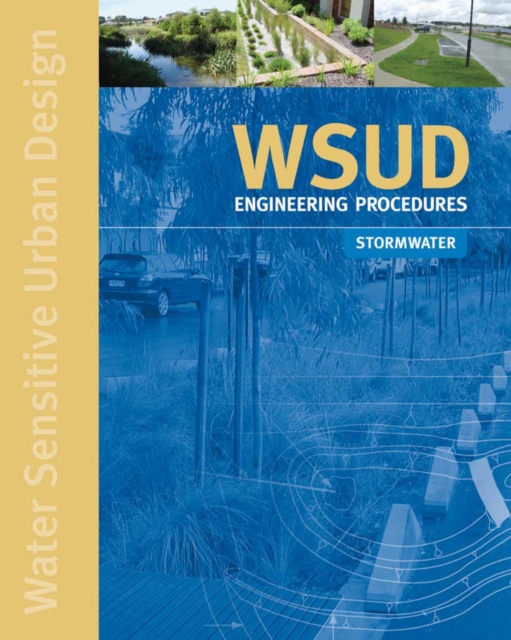
Managing the urban water cycle needs to be underpinned by key sustainability principles of water consumption, water recycling, waste minimisation and environmental protection.
Australia’s experience in community-based environmental repair is unique in the world, with no shortage of analysis by bureaucrats, academics and environmentalists.
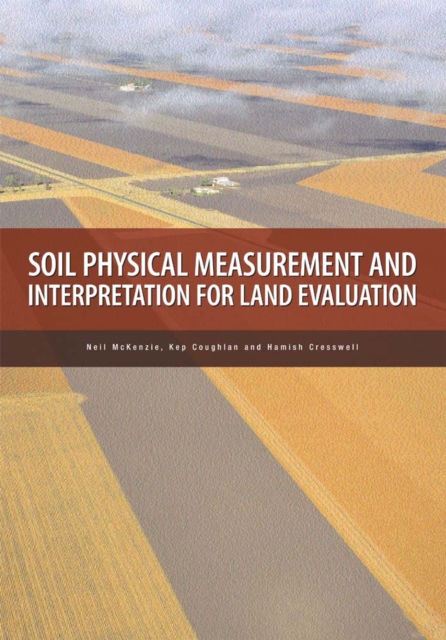
Guidelines for Surveying Soil and Land Resources promotes the development and implementation of consistent methods and standards for conducting soil and land resource surveys in Australia.
Australia’s Water Resources seeks to explore the circumstances underpinning the profound reorientation of attitudes and relationships to water that has taken place in Australia in recent decades.
Ecohydrology: Vegetation Function, Water and Resource Management describes and provides a synthesis of the different disciplines required to understand the sustainable management of water in the environment in order to tackle issues such as dryland salinity and environmental water allocation.
Practical Conservation Biology covers the complete array of topics that are central to conservation biology and natural resource management, thus providing the essential framework for under-graduate and post-graduate courses in these subject areas.
The unpredictability of Australia’s climate poses real challenges for practices that were developed based on the relative predictability of a European climate.
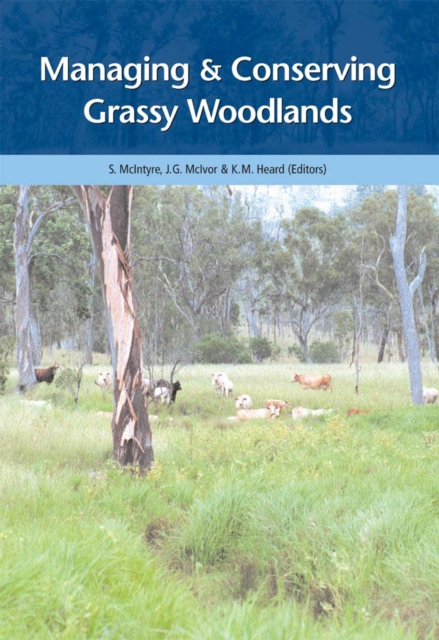
In eastern Australia, grassy eucalypt woodlands have been under severe pressure from agricultural development, with problems of land degradation and species decline being most severe in the cropping lands of south-eastern Australia.
The proceedings of a Cost Effective Biological Surveys and Data Analysis workshop held at the old Quarantine Station, North Head, Sydney, in March 1988, under the auspices of the Council of Nature Conservation Ministers (CONCOM) and the Australian Environment Council (AEC).
Practical Conservation Biology covers the complete array of topics that are central to conservation biology and natural resource management, thus providing the essential framework for under-graduate and post-graduate courses in these subject areas.
In eastern Australia, grassy eucalypt woodlands have been under severe pressure from agricultural development, with problems of land degradation and species decline being most severe in the cropping lands of south-eastern Australia.
Life Cycle Assessment (LCA) has developed in Australia over the last 20 years into a technique for systematically identifying the resource flows and environmental impacts associated with the provision of products and services.
Guidelines for Surveying Soil and Land Resources promotes the development and implementation of consistent methods and standards for conducting soil and land resource surveys in Australia.
Ecohydrology: Vegetation Function, Water and Resource Management describes and provides a synthesis of the different disciplines required to understand the sustainable management of water in the environment in order to tackle issues such as dryland salinity and environmental water allocation.
Australia's experience in community-based environmental repair is unique in the world, with no shortage of analysis by bureaucrats, academics and environmentalists.
The unpredictability of Australia's climate poses real challenges for practices that were developed based on the relative predictability of a European climate.
Australia's Water Resources seeks to explore the circumstances underpinning the profound reorientation of attitudes and relationships to water that has taken place in Australia in recent decades.
Towards Forest Sustainability is a collection of practical essays by some of the world’s leading forest ecologists and managers from the United States of America, Canada, Finland, Sweden, Australia and New Zealand.
Australian water policy and management are undergoing rapid and immense change in response to drought, technological advances, climate change and demographic and economic shifts.
This new textbook fills an important niche by offering a lively overview of the principles of ecology for a broad range of university-level science and biology courses.