Guidelines for Evaluating Water in Pit Slope Stability is a comprehensive account of the hydrogeological procedures that should be followed when performing open pit slope stability design studies.
Guidelines for Evaluating Water in Pit Slope Stability is a comprehensive account of the hydrogeological procedures that should be followed when performing open pit slope stability design studies.
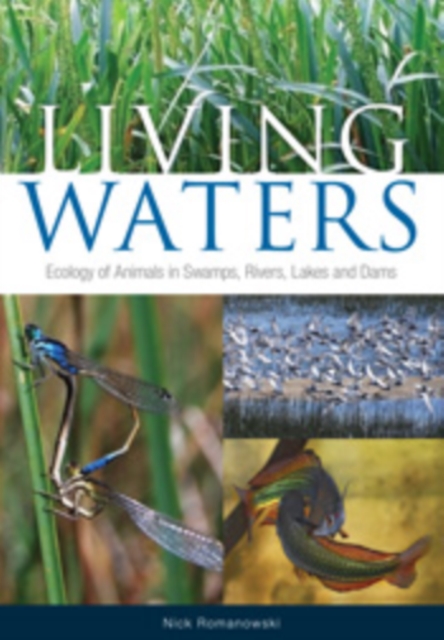
Wetlands are often seen as the ultimate symbol of beauty and tranquillity, their clear waters sheltering mysterious animals in a world where change is gentle and slow, from dragonflies skimming above their own reflections to the fishes glimpsed briefly below.
Wetlands are often seen as the ultimate symbol of beauty and tranquillity, their clear waters sheltering mysterious animals in a world where change is gentle and slow, from dragonflies skimming above their own reflections to the fishes glimpsed briefly below.
Networks of land managed for conservation across different tenures have rapidly increased in number (and popularity) in Australia over the past two decades.
Networks of land managed for conservation across different tenures have rapidly increased in number (and popularity) in Australia over the past two decades.
The rapidly increasing number of threatened flora and fauna species worldwide is one of the chief problems confronting environmental professionals today.
There is a rich and extensive history of research into factors that encourage farmers to change their land management practices, or inhibit them from doing so.
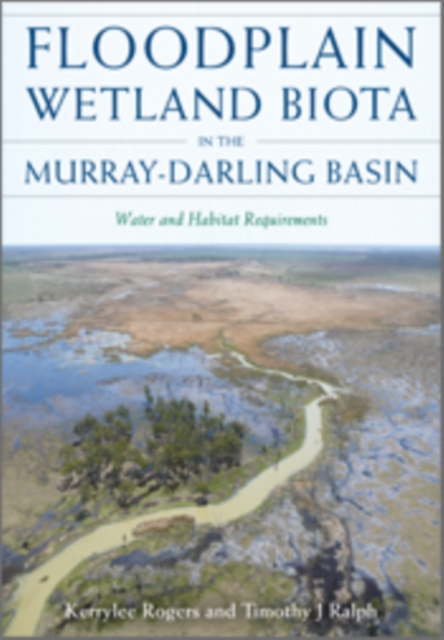
Floodplain wetlands of the Murray-Darling Basin provide critical habitat for numerous species of flora and fauna, yet the ecology of these wetlands is threatened by a range of environmental issues.
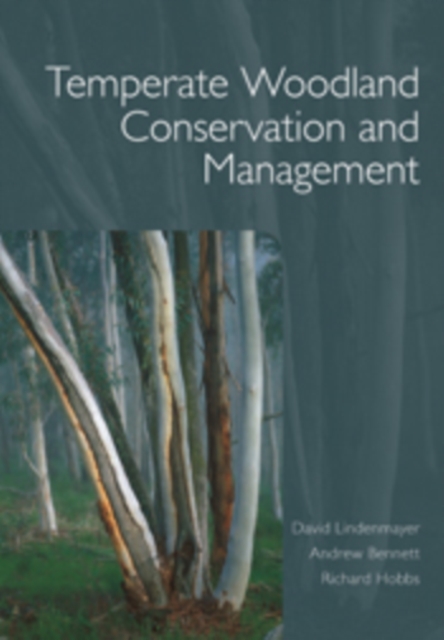
This book summarises the main discoveries, management insights and policy initiatives in the science, management and policy arenas associated with temperate woodlands in Australia.
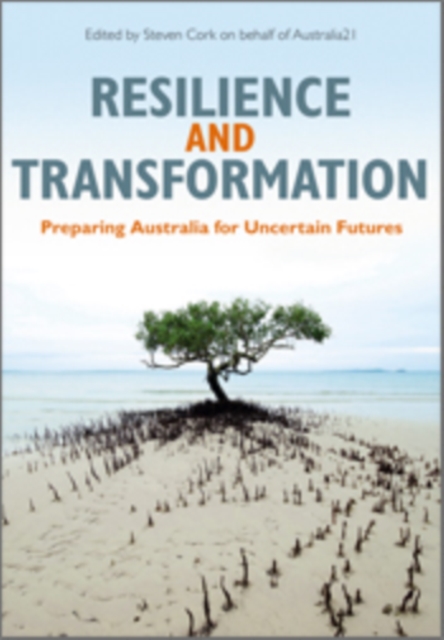
Resilience and Transformation explores what factors contribute to Australia's resilience, what trends are apparent, and what actions are required to better prepare us for the immediate and longer term future.
Adapting Agriculture to Climate Change is a fundamental resource for primary industry professionals, land managers, policy makers, researchers and students involved in preparing Australia's primary industries for the challenges and opportunities of climate change.
Out of the Scientist's Garden is written for anyone who wants to understand food and water a little better - for those growing vegetables in a garden, food in a subsistence plot or crops on vast irrigated plains.
This book offers readers the chance to learn from the experiences of researchers involved in integrated mission-directed research, particularly in the areas of natural resource management and regional development.
Ecosystem Response Modelling in the Murray-Darling Basin provides an overview of the status of science in support of water management in Australia's largest and most economically important river catchment, and brings together the leading ecologists working in the rivers and wetlands of the Basin.
Open Science is about how we address the profound challenges which now confront humanity: climate, the food crisis, environmental degradation, resource scarcity and disease; through science communication.
In Contested Country, leading researchers in planning, geography, environmental studies and public policy critically review Australia's environmental management under the auspices of the Natural Heritage Trust over the past decade, and identify the challenges that must be met in the national quest for sustainability.
There is a rich and extensive history of research into factors that encourage farmers to change their land management practices, or inhibit them from doing so.
This book summarises the main discoveries, management insights and policy initiatives in the science, management and policy arenas associated with temperate woodlands in Australia.
Floodplain wetlands of the Murray-Darling Basin provide critical habitat for numerous species of flora and fauna, yet the ecology of these wetlands is threatened by a range of environmental issues.
This book provides the information that will allow users to recover salt-degraded land with selected plantation timbers and ultimately to make a profit.