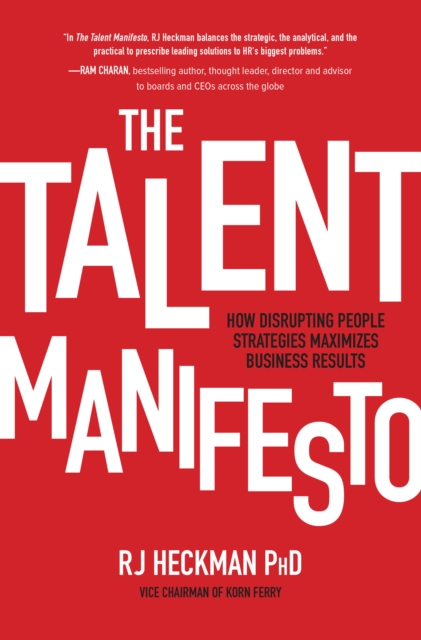
Rethink Everything You Know about Managing Talent in Today's Disruptive Landscape A Vice Chairman at Korn Ferry (KF) the world s largest talent advisory and executive search firm RJ Heckman has helped many of today s most successful companies develop talent-management strategies that ensure corporate success through good times and bad.
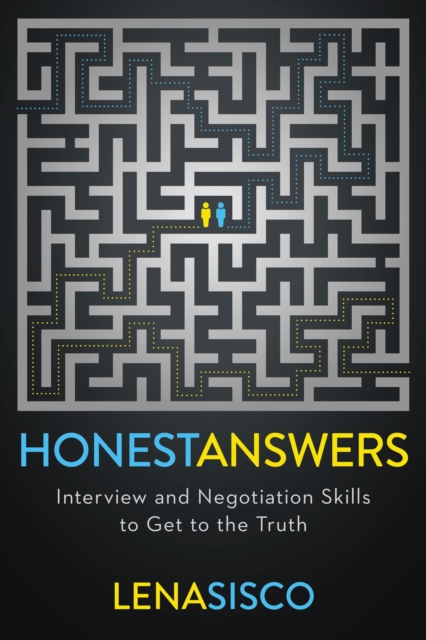
BECOME A MASTER AT NEGOTIATION AND COMMUNICATIONNever go into an important conversation feeling unheard, unprepared, or uninformed againapply the proven SISCO method for communication to become a master negotiator, trusted interviewer, and engaging conversationalist.
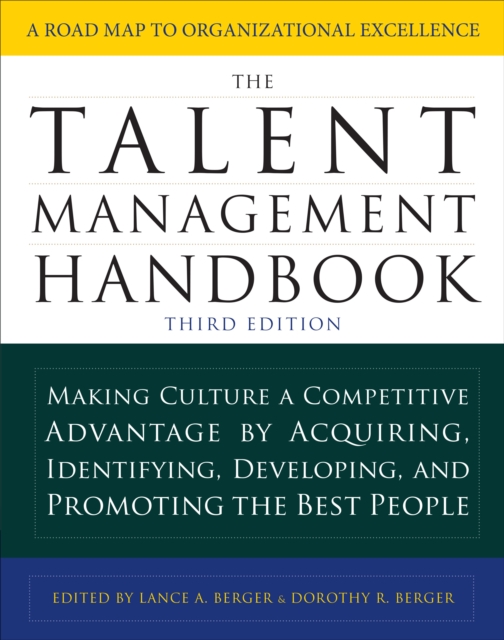
The definitive guide to finding, developing, and keeping the best talent-expanded with brand newand updated materialThe Talent Management Handbook is the established go-to guide for HR professionals, managers, and leaders looking for the best ways to use talent management programs to develop a culture of excellence.
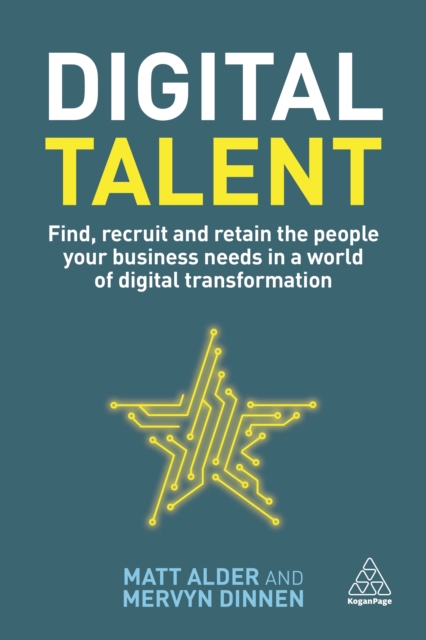
In a disrupted and technology-enabled world of work, HR professionals' ability to attract, recruit and retain people with digital skills can be the difference between business success and failure.
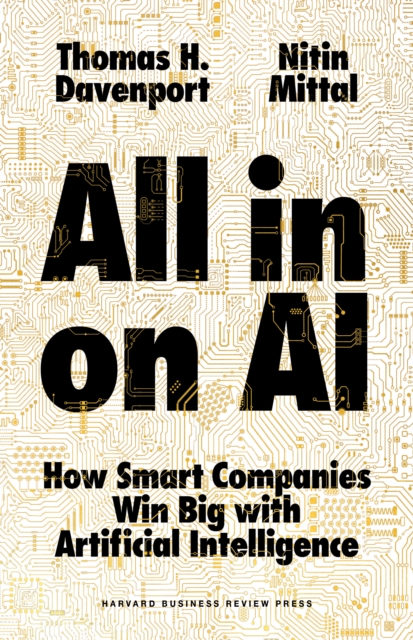
A Wall Street Journal bestsellerA Publisher's Weekly bestsellerA fascinating look at the trailblazing companies using artificial intelligence to create new competitive advantage, from the author of the business classic, Competing on Analytics, and the head of Deloitte's US AI practice.
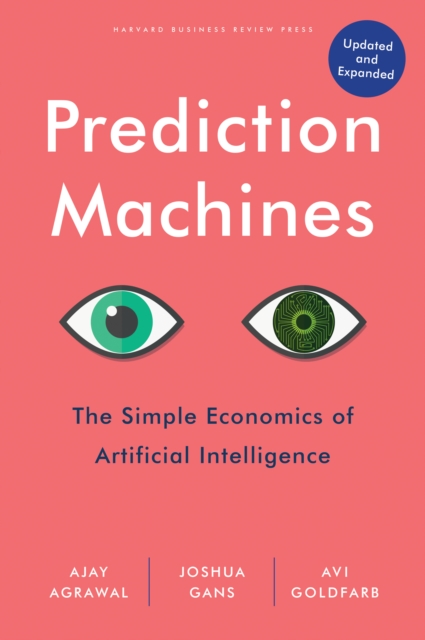
Named one of The five best books to understand AI by The EconomistThe impact AI will have is profound, but the economic framework for understanding it is surprisingly simple.
In einer dynamischer und komplexer werdenden Wirtschaftswelt stellt sich zunehmend die Frage, wie Unternehmen und Organisationen sich an Veränderungen anpassen oder sie proaktiv selbst gestalten können.
Dieses Herausgeberwerk vermittelt einen praxisnahen und fundierten Überblick über die Digitalisierung in verschiedenen Branchen sowie von zentralen Unternehmensfunktionen und -prozessen.
In der Definition der Bundesregierung umfasst die Bioökonomie die „Erzeugung, Erschließung und Nutzung biologischer Ressourcen, Prozesse und Systeme, um Produkte, Verfahren und Dienstleistungen in allen wirtschaftlichen Sektoren im Rahmen eines zukunftsfähigen Wirtschaftssystems bereitzustellen“.
In diesem Fachbuch gibt Susanne Zech basierend auf ihren Erfahrungen eine praktische Anleitung für Führungskräfte und Management, die diese beim erfolgreichen Umbau ihres Unternehmens in eine agile Organisation unterstützt.
Dieses Fachbuch unterstützt Führungskräfte und Mitarbeiter in Matrixorganisationen dabei, die aus der Komplexität und Dynamik einer solchen Organisation resultierenden Herausforderungen erfolgreich zu meistern.
This book aims to explore the aspects of strategic leadership in a digital context together with the cyber-physical relationships whilst performing business activities.
Daniela Molzbichler und Martin Sturmer zeigen in diesem essential, wie die südafrikanische Lebensphilosophie Ubuntu für ein Wir-Gefühl und damit mehr Engagement und Produktivität im Unternehmen sorgen kann.
This book guides managers and leaders toward greater insight and more deliberate practices in regards to diversity, equity, and inclusion addressing leadership, operations, and the educational environments.
Dieses Buch beschreibt mit dem Modus des Agil-Seins („Being agile“) eine Form des geübten Umgangs mit sich selbst und anderen, der uns dazu verhelfen kann, zu werden, wer wir eigentlich sind.
This book showcases how the latest and most advanced types of analytical modeling and empirical analysis can help to create value in the global supply chain.
This book offers an in-depth exploration of various New Testament passages with the purpose of identifying lessons, values, and behaviors that can contribute to an understanding of organizational spirituality from a Christian worldview.
The increasing interconnection and the unlimited exchange of data and information has led to a maximized transparency of globally offered and sold products and services.
When a customer, employee, or investor is faced with a choice of companies amidst a sea of competitors, they increasingly consider how responsible that organization is.
This book reviews the three life-and-death crisis moments that Huawei experienced during its growth and the major transformation process triggered by these crises.
This book contains practical experiences, knowledge, and insights in the evolution, formulation, and implementation of strategies and models for flexibility, innovation, and sustainable business.
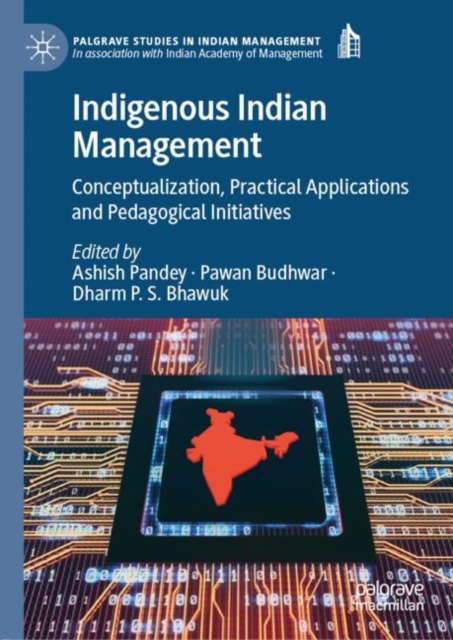
This book combines the wisdom in ancient Hindu texts on dharma, with the modern research on management to identify a set of principles that can aid business organizations in sustaining profitability.
This book gathers the best papers presented at the third conference held by the Russian chapter of the Association for Information Systems (AIS), which took place in December 2021.
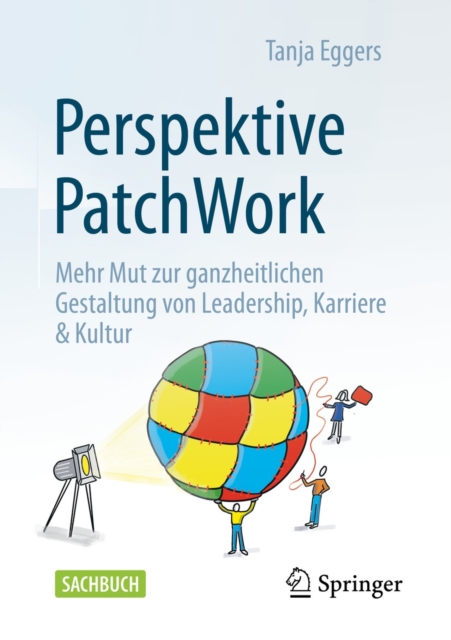
Dieses Buch macht Mut zum Perspektivwechsel: Patchwork ist mehr als Familie, Patchwork ist ein Lebensentwurf, der sich in Gesellschaft, Kultur und folglich auch in der Arbeitswelt widerspiegelt.
Der vorliegende Praxisleitfaden bietet einen umfassenden Überblick zu aktuellen Erkenntnissen über die Auswirkungen der Digitalisierung auf die arbeitenden Individuen.
Sie sind aktiv in der betrieblichen Gesundheitsförderung und stehen vor der Herausforderung, dass Ihre Maßnahmen Ihre Zielgruppe nicht im gewünschten Maße erreichen?
Durch technische Neuerungen wie Internet-of-Things, Machine Learning und Künstliche Intelligenz verändert sich das Marktumfeld für Unternehmen schnell und ständig.