Rapidly developing Artificial Intelligence (AI) systems hold tremendous potential to change various domains and exert considerable influence on societies and organizations alike.
This book provides an overview of legitimacy-related challenges at hybrid organizations and demonstrates legitimacy's importance for the strategic development of organizations.
This book examines social status as a social mechanism and a social fact that strongly shapes how markets and organizations are regulated, managed, and preserved over time.
This book explores multidimensional issues concerning digital resilience and analyzes how people and organizations maintain, enhance and protect value stemming from digital technologies.
This book argues that uncertainty is not really uncertainty at all but just demonstrates a lack of vision and willingness to think about the unthinkable - good and bad.
The book addresses an explicit demand expressed in a large number of C-Suite interviews: managing significant transformations in the private and public sector.
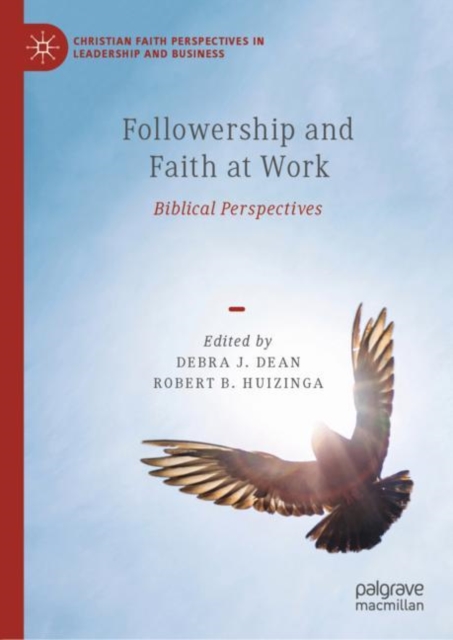
This book offers an in-depth exploration of various New Testament passages with the purpose of identifying lessons, values, and behaviors that can contribute to an understanding of organizational spirituality from a Christian worldview.
Drawing upon both Jewish and Christian scriptures, this book lays a groundwork for understanding how grace is a critical element of leadership and followership studies.
This edited book brings together humanities and social sciences scholars from the various disciplines at the nexus of discourse studies and ethnography to reflect on questions of institutional practices and their political concerns.
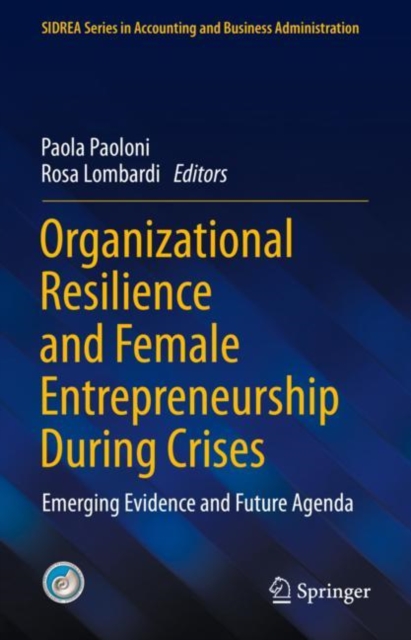
The pandemic has created a crisis that has no equivalent in recent history, leading to a wide range of disruption across various social strata, highlighting and reinforcing inequality, and leading to profound organizational shifts.
This book examines the spectrum of green behaviors in organizational settings, focusing on the contribution that employees make through their environmental engagement.
The economic, health, and political crises, as well as the rise of the digital age, have changed and complicated the way in which people, companies, and regions function.
This volume brings together selected and extended papers representative of work presented at the 8th IPMA Research Conference, which was held online between 9th and 11th September 2020.