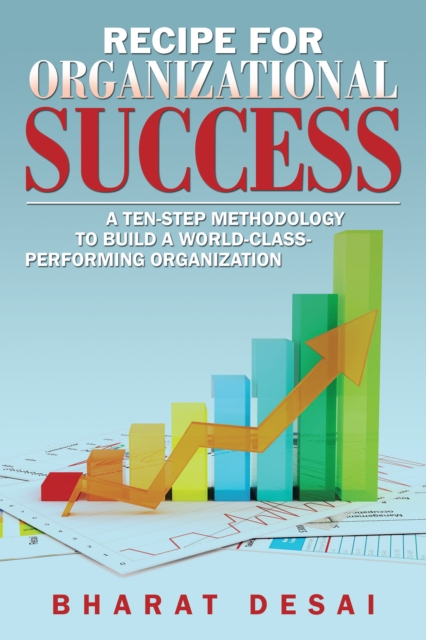
Creating a world-class-performing organization is an enormous challenge, but doing so will give your organization the competitive advantage that it needs for success.
Covering all the basics in organizational behaviour, as well critically reflecting on the institutions and practices of business life, the sixth edition of Managing and Organizations: An Introduction to Theory and Practice has been updated to include: * Cutting-edge content on diversity and inclusion, design thinking, followership and deglobalization * New and updated 'In Practice' boxes offering real-world examples * Engaging case studies, such as How to start decolonising your business, Power and empathy and How COVID-19 has changed university teaching * New 'Additional Resources' in each chapter This textbook is essential reading for anyone studying organizational behaviour at undergraduate or postgraduate level.
Covering all the basics in organizational behaviour, as well critically reflecting on the institutions and practices of business life, the sixth edition of Managing and Organizations: An Introduction to Theory and Practice has been updated to include: * Cutting-edge content on diversity and inclusion, design thinking, followership and deglobalization * New and updated 'In Practice' boxes offering real-world examples * Engaging case studies, such as How to start decolonising your business, Power and empathy and How COVID-19 has changed university teaching * New 'Additional Resources' in each chapter This textbook is essential reading for anyone studying organizational behaviour at undergraduate or postgraduate level.
This bestselling text brings a fresh and unique approach to managing organizational change, taking the view that change, creativity and innovation are interconnected.
With relevance across public, private and not-for-profit sectors, and combining perspectives from both the business and psychology worlds, this book is a cross-disciplinary look at how destructive leaders can impact organisations and their workers, and how best to recognise and deal with them.
The SAGE Handbook of Organizational Wellbeing is a comprehensive and cutting-edge work providing the latest insights into a range of perspectives on organizational wellbeing, as well as highlighting global wellbeing issues and exploring new contexts.
The SAGE Handbook of Organizational Wellbeing is a comprehensive and cutting-edge work providing the latest insights into a range of perspectives on organizational wellbeing, as well as highlighting global wellbeing issues and exploring new contexts.
In Managing Change in Organizations, Stefan Sveningsson and Nadja Sorgarde explore a broad range of perspectives on change management, encouraging critical reflection and making sense of a complex field of theories.
In Managing Change in Organizations, Stefan Sveningsson and Nadja Sorgarde explore a broad range of perspectives on change management, encouraging critical reflection and making sense of a complex field of theories.
The liberating promise of big data and social media to create more responsive democracies and workplaces is overshadowed by a nightmare of election meddling, privacy invasion, fake news and an exploitative gig economy.
The liberating promise of big data and social media to create more responsive democracies and workplaces is overshadowed by a nightmare of election meddling, privacy invasion, fake news and an exploitative gig economy.
Why does the City of London, despite an apparent commitment to recruitment and progression based on objective merit within its hiring practices, continue to reproduce the status quo?
Why does the City of London, despite an apparent commitment to recruitment and progression based on objective merit within its hiring practices, continue to reproduce the status quo?
Necessity entrepreneurship is broadly understood as the identifying and seizing of business opportunities to address basic needs such as food and shelter.
Aufbauend auf entsprechend erweiterten Assoziationen in Musiktiteln, folgend in Markennamen und Artikeln, Slogans und … wird eine größere Bandbreite gedanklich "greifbarer" Begriffe erreicht.
This handbook examines the development of antiracism, the antithesis of racism, in the field of Human Resource Development (HRD) and discusses its relevance to the workplace and higher education.
This updated edition of Understanding Social Enterprise comes packed with a wealth of learning features to help students understand the theory and practice within this ever expanding field.