Packed with memorable stories, the latest neuroscience, and original frameworks and models, this blueprint for a successful "e;gifted"e; organization is a must read for any leader who is surrounded and supported by an exceptional group of people-and must keep them climbing in a market that demands hyper-growth.
This book emerged from a need in the field of entrepreneurial ecosystems to link foundational theories with practical realities faced by entrepreneurs as they acquire and manage resources when creating a new firm.
This book brings together explorations of embodied writing and contributions to the Writing Differently movement in management and organisation studies - in terms of content, style, format, and development.
This book contains 13 papers from the 7th Workshop on Global Sourcing, held in Val d'Isere, France, during March 11-14, 2013, which were carefully reviewed and selected from 40 submissions.
This book contains 13 carefully revised and selected papers from the 6th Workshop on Global Sourcing, held in Courchevel, France, during March 12-15, 2012.
This book provides a comprehensive overview of how quality management can be rethought and revitalized to meet the challenges of today's and future socio-economic management.
"Wieder ein kleines Meisterwerk von Simon, in dem er seine umfassende theoretische Reflexion und praktische Expertise in der Beratung von Systemen unterschiedlicher Dimension inspirierend für Laien wie Experten vermittelt.
To the unfortunate citizen threatened by the demolition of his house to make way for a new road, or by the shattering of his peace through the building of a new airport, the public inquiry can provide a last hope of reprieve.
To the unfortunate citizen threatened by the demolition of his house to make way for a new road, or by the shattering of his peace through the building of a new airport, the public inquiry can provide a last hope of reprieve.
This book brings together explorations of embodied writing and contributions to the Writing Differently movement in management and organisation studies - in terms of content, style, format, and development.
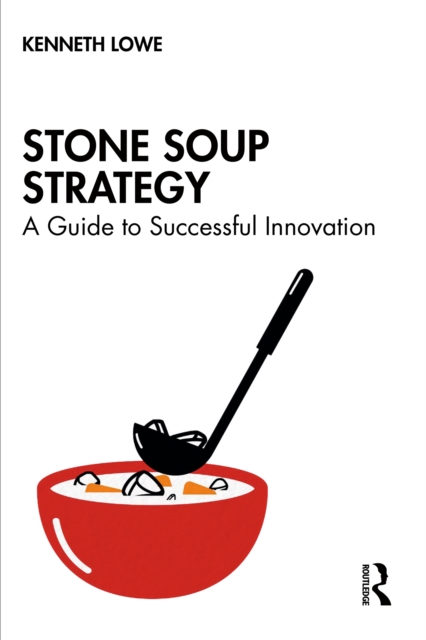
This playbook for thriving in the innovation era reveals the secret of high-performing teams through the captivating fable of Stone Soup, a story packed with profound insights into how human psychology, collaboration, and game theory intersect to create breakthrough results.
This book provides the core knowledge that all doctors, nurses, allied health professionals and non-clinical leaders and managers at all levels should have at their fingertips to plan and execute both large-scale and continuous incremental improvement.
This book introduces paradox management theory (PMT), a groundbreaking framework that blends Chinese philosophical wisdom and modern management strategies to help companies achieve long-term sustainability by balancing competing demands such as stability and innovation.
This book introduces paradox management theory (PMT), a groundbreaking framework that blends Chinese philosophical wisdom and modern management strategies to help companies achieve long-term sustainability by balancing competing demands such as stability and innovation.
This book provides the core knowledge that all doctors, nurses, allied health professionals and non-clinical leaders and managers at all levels should have at their fingertips to plan and execute both large-scale and continuous incremental improvement.
Business Transformation and Digital Innovation in the Service Sector explores the profound effects of digital innovation on the service sector, especially its potential for driving business transformation.
Now in a thoroughly revised fourth edition, Public Policy: Preferences and Outcomes is designed to help students better understand the ways in which public policy is grounded in normative theory, empowering them to discuss policy issues with clarity.
This groundbreaking book provides a comprehensive and compelling introduction to the field of leadership that is jam-packed with theoretical and practical insights derived from a wealth of applied scientific research conducted by the authors and their colleagues around the world over the last four decades.
Culture Before Strategy: The Hidden Power Behind Every Strategic Decision reveals a crucial truth for leaders: strategy alone doesn't drive success—organizational culture does.