Das Management von Konzernen steht vor zahlreichen Herausforderungen, die aus einer organisationstheoretisch geprägten Perspektive behandelt werden müssen.
Mikroökonomik bedeutet, individuelle Entscheidungen unter Knappheitsrestriktionen zu analysieren und Wege zu einer effizienten Verwendung von Ressourcen zu identifizieren.
Die Versicherungsbranche sieht sich mit verstärktem Wettbewerb, erhöhtem Kostendruck, steigender Komplexität betrieblicher Prozesse, den Auswirkungen der Globalisierung und anspruchsvolleren Kunden konfrontiert.
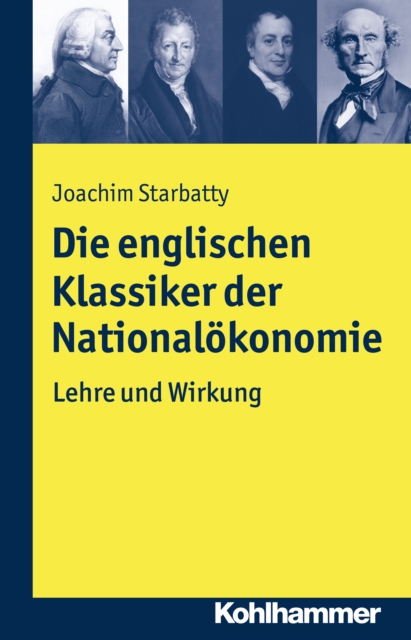
The English classics of the national economy gave economics its generally-accepted scientific foundation: They systematically measured connections of cause and effect and disclosed the interdependencies of economic activity.
Das Verständnis der Funktion und Wirkung internationaler Wirtschaftsbeziehungen ist gerade am global agierenden Wirtschaftsstandort Deutschland von zentraler Bedeutung.
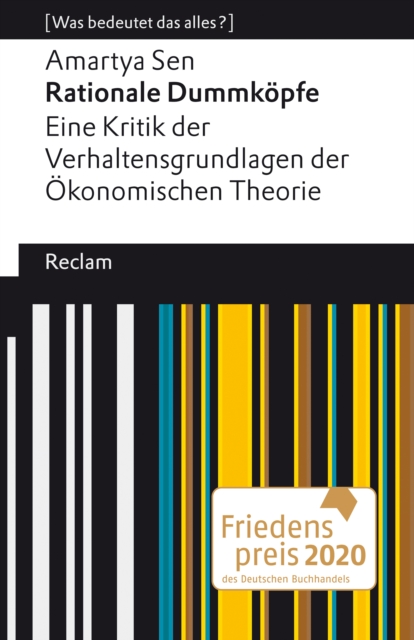
Der spätere Nobelpreisträger, indische Wirtschaftswissenschaftler und Philosoph Amartya Sen hielt in Stanford – im Rahmen der berühmten »Tanner Lectures« – einen Vortrag, der unser Denken über Entwicklungshilfe und Verteilungsgerechtigkeit nachhaltig erschüttern sollte: Mit Bezug auf die Gerechtigkeitstheorie des Philosophen John Rawls führte er seine These aus, dass es nicht um die Verteilung von Gütern oder Geld (z.
Von der »Freien und Hansestadt« und der Lufthansa bis zu Hansaplast – wenige Erinnerungen aus dem Mittelalter sind uns heute so präsent und zugleich so positiv besetzt wie die an den großen historischen Städtebund in Nordeuropa.
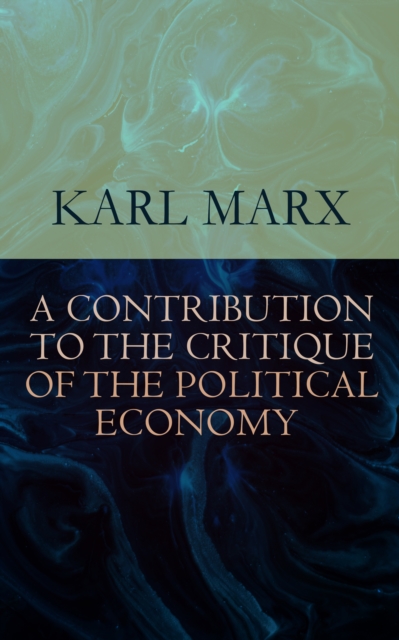
"e;A Contribution to The Critique Of The Political Economy"e; is an analysis of capitalism and quantity theory of money, achieved by critiquing the writings of the leading theoretical exponents of capitalism at that time: these were the political economists, nowadays often referred to as the classical economists; Adam Smith and David Ricardo.
Ein augenöffnender philosophischer Beitrag zur Debatte um Umwelt und Kapitalismus: Der französische Philosoph Pierre Charbonnier gilt als »der neue philosophische Kopf einer politischen Ökologie« (so die französische Zeitschrift Libération).
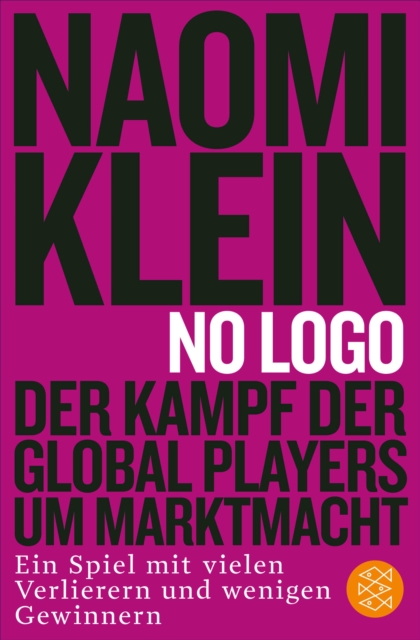
+++ Der Klassiker der Globalisierungskritik und Bestseller, jetzt im FISCHER Taschenbuch +++Die führende Intellektuelle unserer Zeit und Bestsellerautorin Naomi Klein offenbart die Machenschaften multinationaler Konzerne hinter der Fassade bunter Logos.
Von den Körperzeichen über den Buchdruck zu Smartphone und künstlicher Intelligenz: Wenn sich die Medien verändern, ändern sich die Gesellschaft und die Art und Weise, wie wir unsere Bedürfnisse befriedigen.
Die Gewichte in der Weltwirtschaft verlagern sich allmählich in Richtung Asien, und die Beziehungen des Westens mit den asiatischen Volkswirtschaften unterliegen einem Prozess der qualitativen Veränderung.
Der langjährige Chefredaktor der NZZ am Sonntag greift das wohl aktuellste politische Thema der Schweiz auf: das Ringen um einen institutionellen Rahmen für die Beziehungen zu Brüssel.
Contiene tabla de contenido activa (HTML)El tratado de estrategia más influyente del mundoThe Art of War 'es un antiguo tratado militar chino que data del siglo V aC y se atribuye al antiguo estratega militar chino Sun Tzu.
Contiene tabla de contenido activa (HTML)El tratado de estrategia más influyente del mundoThe Art of War 'es un antiguo tratado militar chino que data del siglo V aC y se atribuye al antiguo estratega militar chino Sun Tzu.
Bringing together two of Thorstein Veblen's most searching wartime and postwar interventions, The Vested Interests and the Common Man and An Inquiry into the Nature of Peace examine the conflict between ordinary productive life and the institutions that profit from scarcity, nationalism, and privilege.
A staggering new account of the civilian death toll of the world warsand what it reveals about the true nature and cost of modern warSoldiers have never been the only casualties of wars.
A shocking and unputdownable expos of the United States meat industry and the growing disappointment of alternative meat producers that ';is required reading for anyone who eats' (Christopher Leonard, New York Timesbestselling author).