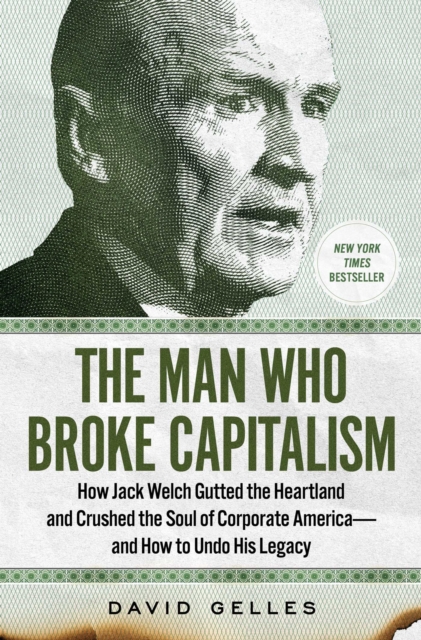
New York Times Bestseller New York Times reporter and ';Corner Office' columnist David Gelles reveals legendary GE CEO Jack Welch to be the root of all that's wrong with capitalism today and offers advice on how we might right those wrongs.
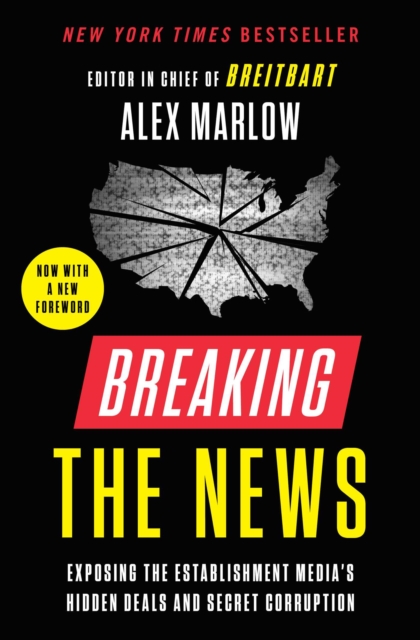
From the editor in chief of Breitbart News, the New York Times bestselling ';must-read' (Sean Hannity) investigation into how the establishment media became weaponized against Donald Trump and his supporters on behalf of the political left.
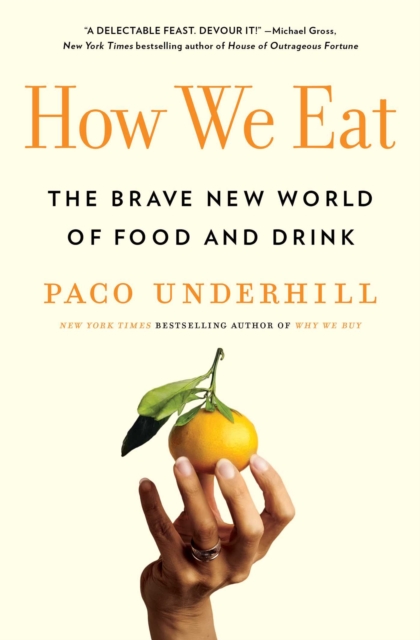
An ';eye-opening' (Kirkus Reviews) and timely exploration of how our foodfrom where it's grown to how we buy itis in the midst of a transformation, showing how this is our chance to do better, for us, for our children, and for our planet, from a global expert on consumer behavior and bestselling author of Why We Buy.
The Economics of the Environment and Natural Resources covers the essential topics students need to understand environmental and resource problems and their possible solutions.
Administraciones de ciudades de todo el mundo, desde la populosa Ciudad de México a la "eterna" Roma, viven hoy en estado de emergencia, sin poder cerrar sus números y recurriendo a auxilios centrales cada vez más inciertos.
Agile, Lean, and DevOps approaches are radical game changers, providing a fundamentally different way to think about how IT fits into the enterprise, how IT leaders lead, and how IT can harness technology to accomplish the objectives of the enterprise.
Software is becoming more and more important across a broad range of industries, yet most technology executives struggle to deliver software improvements their businesses require.
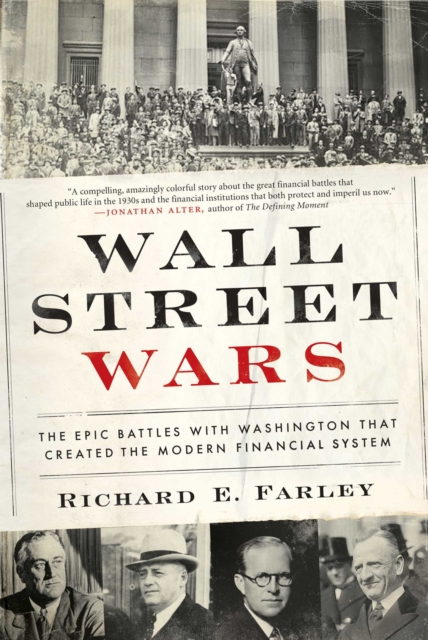
In the depths of the Great Depression, Franklin Delano Roosevelts administration set out to radically remake Americas financial systembut Wall Street was determined to stop them.
La conquista de la pobreza de Henry Hazlitt es uno de los libros más valiosos para quien pretenda entender el fenómeno de la pobreza en el mundo actual.
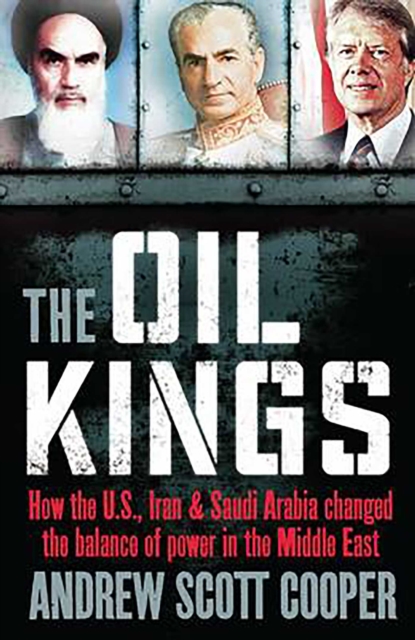
Oil Kings offers the first inside look at how an oil crisis was manipulated by Alan Greenspan, Donald Rumsfeld, and President Ford (hoping to secure his re-election), helping to precipitate the fall of the Shah of Iran in 1979.
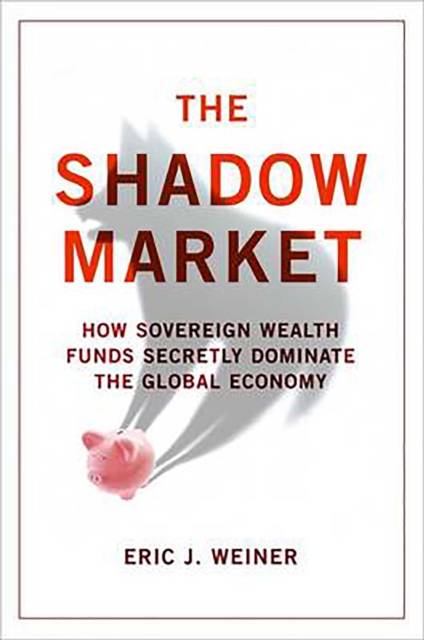
Inside the super-rich, super-secretive, unregulated funds that are wresting control of world financeThe most potent force in global commerce today isn't Wall Street, the multinational banks, or the governments of the G7 countries.
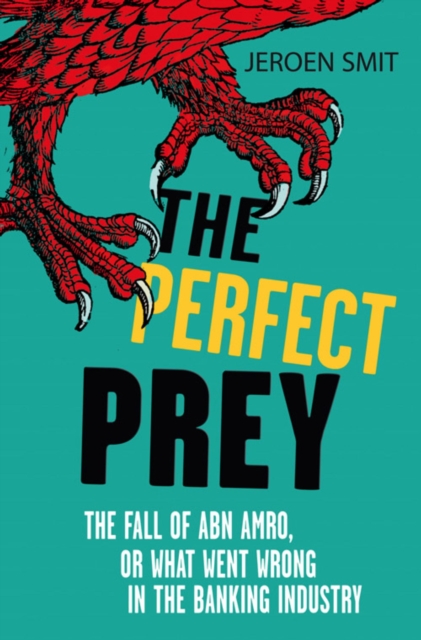
On 9 October 2007, the Royal Bank of Scotland (RBS) celebrated its leading role in the biggest deal in banking history, a record 71 billion euros for Dutch bank ABN Amro.
'Free of jargon, obfuscation and interminable subordinate clauses, his prose is just the job' The TimesA fully updated and revised edition of the classic guide.
The rise of China and India will be the outstanding development of the 21st century, raising fundamental questions about both the structure of the world economy and the balance of global geopolitical power.
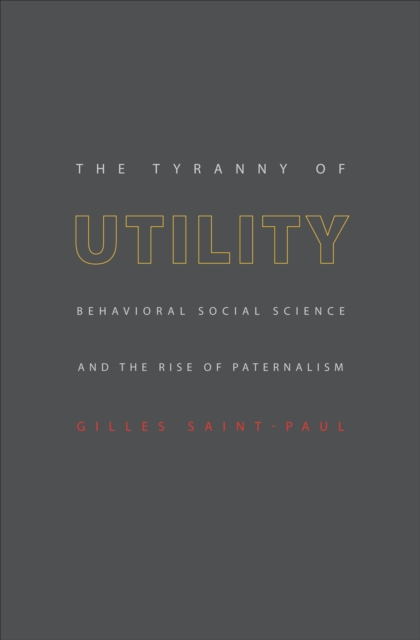
The general assumption that social policy should be utilitarian--that society should be organized to yield the greatest level of welfare--leads inexorably to increased government interventions.
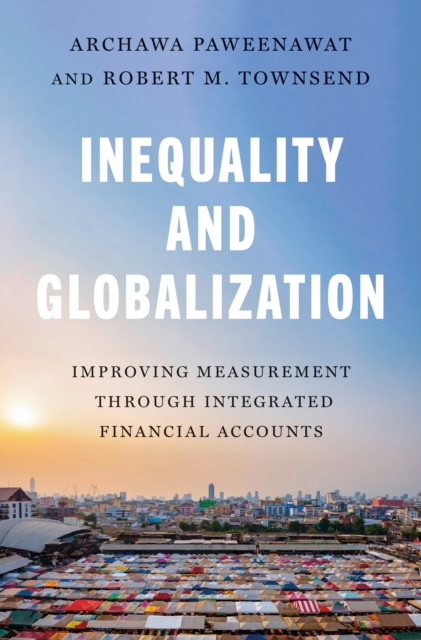
A remedy for the gap between micro and macro data, making measures of inequality and national income consistent with each otherIncreasing inequality, the impact of globalization, and the disparate effects of financial regulation and innovation are extraordinarily important topics that fuel spirited policy debates.
There is a viable alternate to our money based economy and only now, with the technology and knowledge we have, we can sweep away the terrible problems of the world, by dealing with the cause.
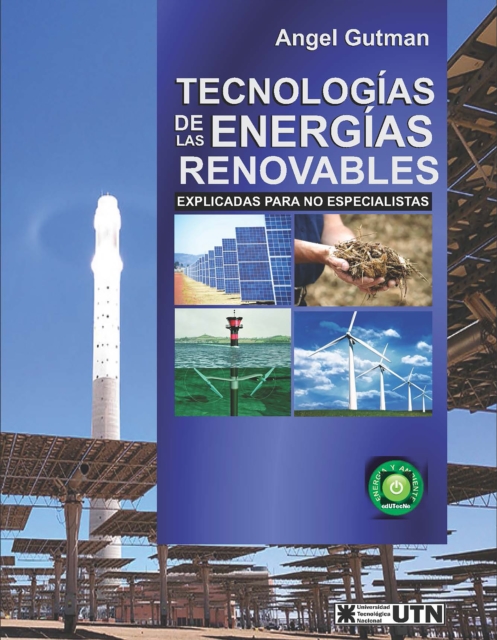
Desde hace tiempo, las energías renovables, solar, eólico, biomasa, geotérmia, hidráulica y del mar, están ganando terreno en los medios de comunicación y en las agendas políticas de muchos países del mundo.
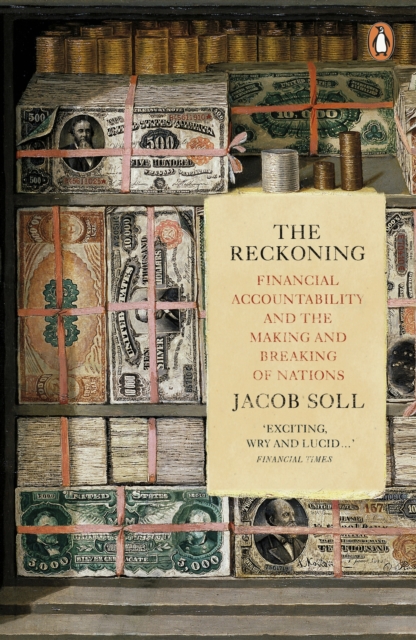
In The Reckoning, award-winning historian Jacob Soll shows how the use and misuse of financial bookkeeping has determined the fates of entire societies.
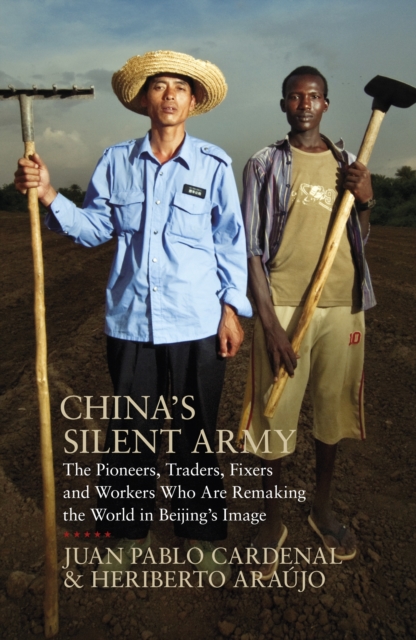
China's Silent Army is a revealing and gripping piece of investigative journalism into the unknown extent of China's global power, from China-based reporters Juan Pablo Cardenal and Heriberto Ara joThis book stems from the remarkable, determined work of these two China-based journalists who, frustrated by the facile, pro-business commentary of so much writing on China and the evasions of Beijing's official pronouncements, took a drastic decision: to see for themselves just how rapidly China is spreading its influence around the world.
DAILY TELEGRAPH BOOKS OF THE YEARIf in the year 1411 you had been able to circumnavigate the globe, you would have been most impressed by the dazzling civilizations of the Orient.
Paul Krugman, winner of the 2008 Nobel Prize in economics, shows how today's crisis parallels the events that caused the Great Depression - and explains what it will take to avoid catastrophe.