Pull the covers off economics and reveal the sexy science of sexonomicsIn this witty and revelatory investigation of the so-called dismal science, University of British Columbia professor Marina Adshade skips the usual widgets and uncovers how the market comes to bear on our most intimate decisions: sex, dating, courtship, love, marriage, even breaking up.
The international bestselling attack on the mega-wealthy comes to the UKIn this searing and entertaining indictment of the super-rich, Linda McQuaig and Neil Brooks challenge the idea that todays cavernous income inequality is the result of merit, and reveal how the global economic system has been hijacked by the wealthiest, with disastrous consequences for us all.
The definitive big picture on the financial crisis, from the man behind the Oscar-winning documentary that exposed the workings of the new economic elite Based on explosive interviews, court documents and corporate archives, Inside Job traces in gripping detail how decades of deregulation gave birth to a predator nation, with power players cycling through positions in government, academia and Wall Street and continuing to do so even in the wake of the global financial crisis.
A gripping tale of how even experts misread the role of chance - from the stock market to doctors' surgeries - "e;Dance With Chance"e; argues that we all fall foul of the 'The Illusion of Control', meaning that we underestimate the role of luck in our lives.
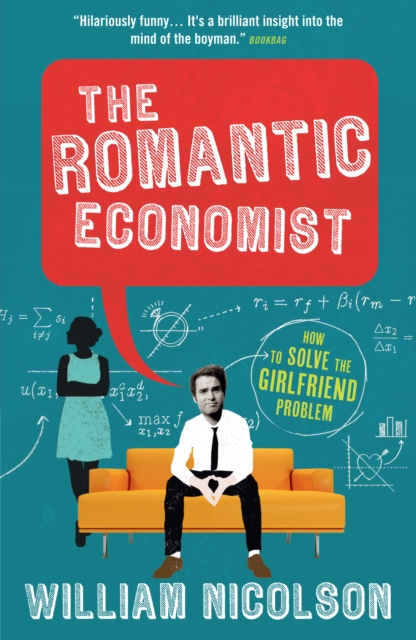
William is an economist, which means he is good at reducing an infinitely complex world into a set of clear, rational principles about the way people and markets behave.
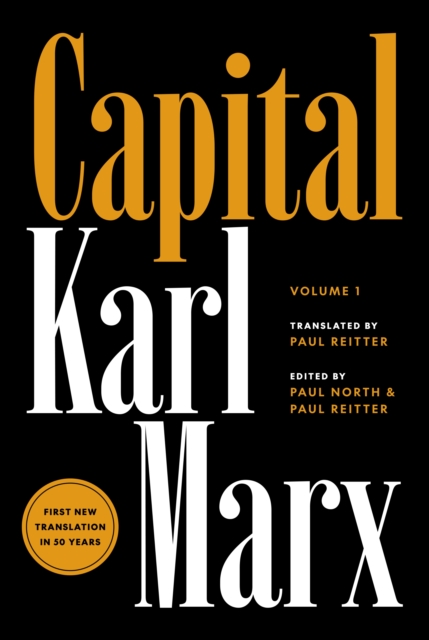
Marx for the twenty-first centuryThe first new English translation in fifty yearsand the only one based on the last German edition revised by Marx himselfFeaturing extensive original commentary, including a foreword by acclaimed political theorist Wendy Brown';An astounding achievement.
DAILY ADVICE FOR MORE SUCCESSFUL LIVING WITH LESS EFFORT FROM THE BESTSELLING AUTHOR OF THE 80/20 PRINCIPLEReaders love 8020 Daily: 'If you apply what's in this book, it can truly shift how you live for the better.
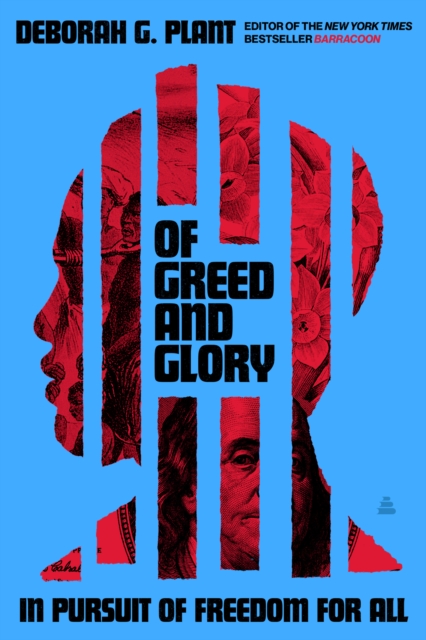
A ground-breaking, personal exploration of Americas obsession with continuing human bondage from the editor of the New York Times-bestselling Barracoon.
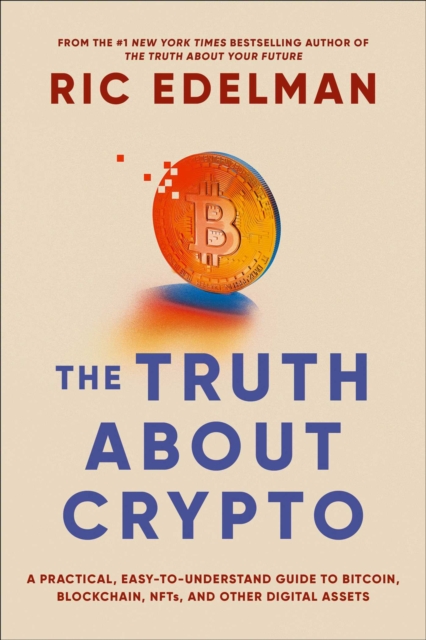
A TOP FINANCE BOOK OF 2022 by THE NEXT BIG IDEA CLUB A SABEW BEST IN BUSINESS BOOK AWARDS FINALIST A straightforward, practical guide to the newest frontier in investment strategycryptofrom #1 New York Times bestselling author and personal finance expert Ric Edelman.
The strange and contested evolution of the management of banking riskBanks in America are private institutions with private shareholders, boards of directors, profit motives, customers, and competitors.
Poder y dinero en la era del bitcoin se sumerge en el intrigante mundo de las monedas digitales y su impacto en las estructuras tradicionales del poder y de la economía.
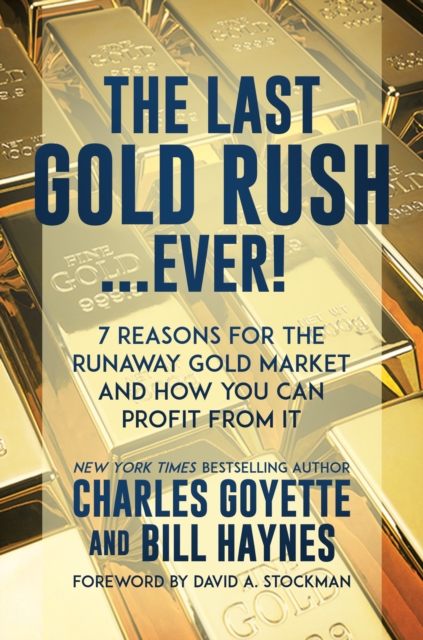
If you had foreseen the financial confusion of the Carter years, or the exploding debt in the Bush years, or the Federal Reserve's "e;money printing"e; spree during the Obama presidency, you might have profited richly from the resulting bull markets in gold and silver.
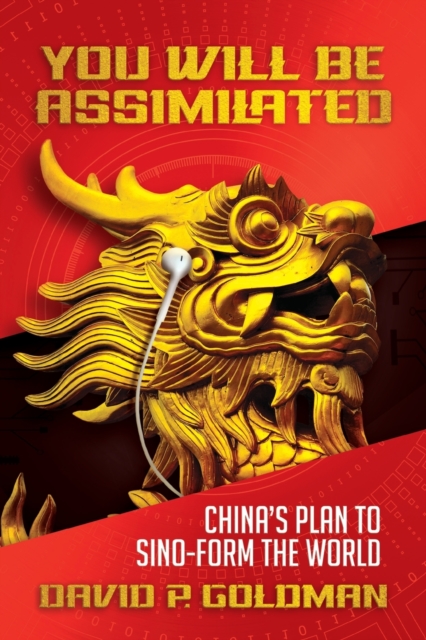
China's 5,000 year-old empire has become the world's largest economy, with a plan to control the decisive technologies of the 21st century-and the United States is in danger of being left behind.
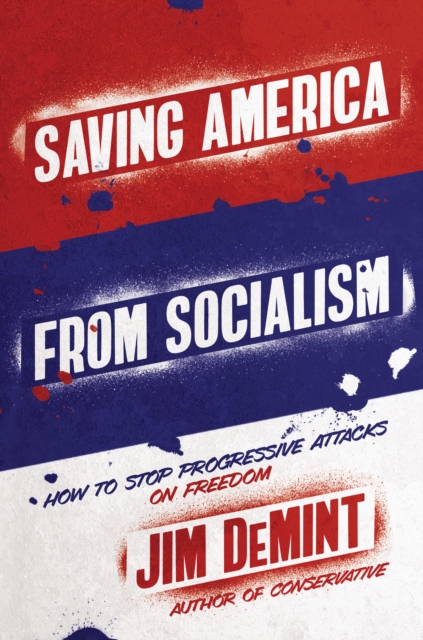
In a thorough revision and update of DeMint's 2009 book Saving Freedom, Saving America from Socialism shows how far down the treacherous road to socialism we've come in a decade and what we, as a people, must do to stop the destruction of the last bastion of freedom in the world.
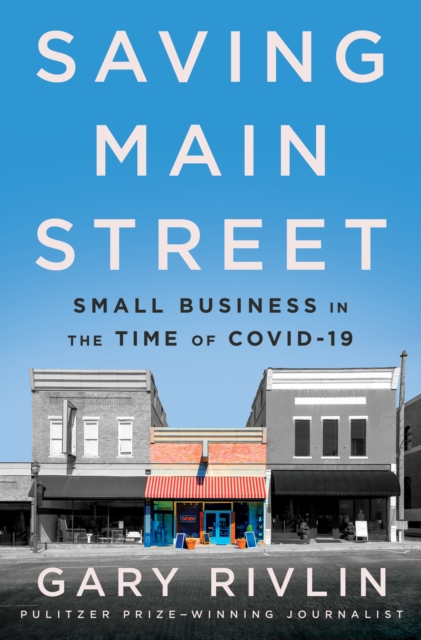
A veteran journalist follows an inspiring ensemble cast of small business owners fighting to keep their businesses alive throughCovid-19, while exploring the sweeping trends and government policies that had brought small businesses to the breaking point long before the coronavirus hit.
The verdict is in: Free enterprise has lifted billions of people out of abject poverty all over the world and provided a higher quality of life than has ever been thought possible.
A simple and essential guide to making good financial management decisionsFinancial Management Essentials is an essential guide to making good financial management decisions!
The United States Government Manual 2011-2012 provides up-to-date information about the activities of federal agencies, as well as the names of top officials in the Obama administration and U.
Generally regarded as the most influential social science treatise of the 20th century, this work by legendary economist John Maynard Keynes is relevant reading even today for anyone who wants to understand international economics and foreign affairs.
En las páginas de esta obra, se describen los treinta años de experiencia de SAVANT, desde sus inicios hasta convertirse en una compañía farmacéutica internacional.
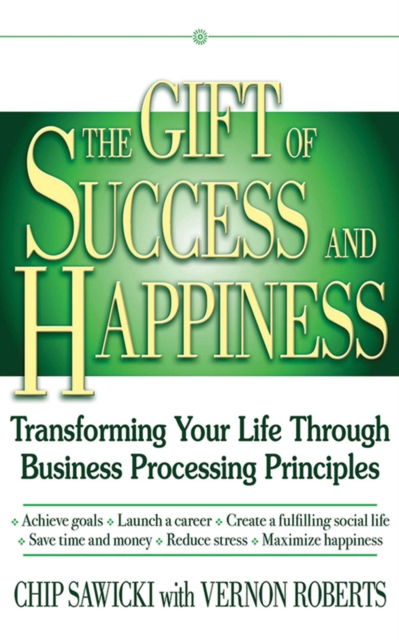
The Gift of Success and Happiness offers a set of simple systemsbased on the worlds most reliable business principlesthat empowers readers to meet and overcome challenges posed by money, work, relationships, and other factors, most of which impede our success and impinge on our happiness.
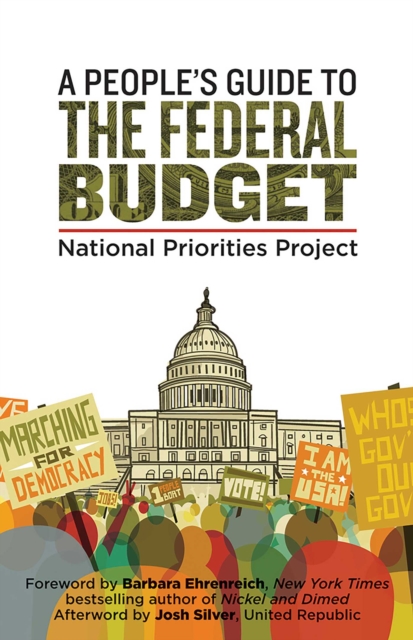
From history of the budget process to detail about the ongoing conflict in Washington, from charts explaining where every federal dollar goes to simple explanations of budget terminology, this book covers it all.
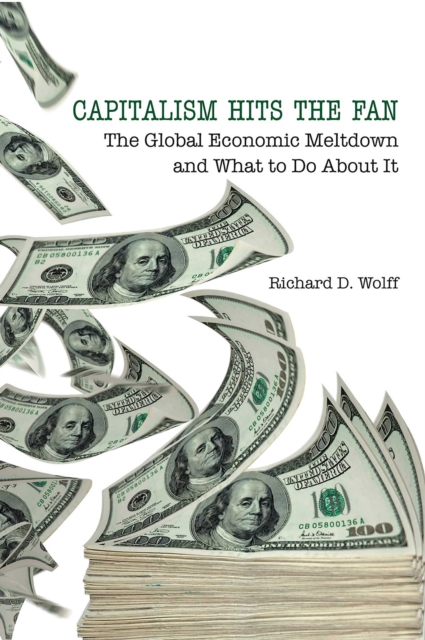
A BREATHTAKINGLY CLEAR ANALYSIS OF TODAY'S ONGOING ECONOMIC CRISIS In this updated edition of Capitalism Hits the Fan, Professor Wolff explains why capitalism's global crisis persists, why bank bailouts and austerity policies fail, and why deepening economic inequality now generates historic social tensions and conflicts and worsens the ongoing crisis.
A sweeping history of the drama, intrigue, and rivalry behind the creation of the postwar economic orderWhen turmoil strikes world monetary and financial markets, leaders invariably call for 'a new Bretton Woods' to prevent catastrophic economic disorder and defuse political conflict.