Als Donald Trump im Juli 2024 vor jubelnden Fans auf der Bitcoin-Konferenz in Nashville die USA zur »Bitcoin-Supermacht« erklärt, ist eine digitale Währung endgültig im Zentrum der Macht angekommen.
This book examines the conduct of Tanzania's legal profession during the 2025 electoral cycle, with particular focus on the Public Bar Association (PBA) and its institutional rivalry with the Tanganyika Law Society (TLS).
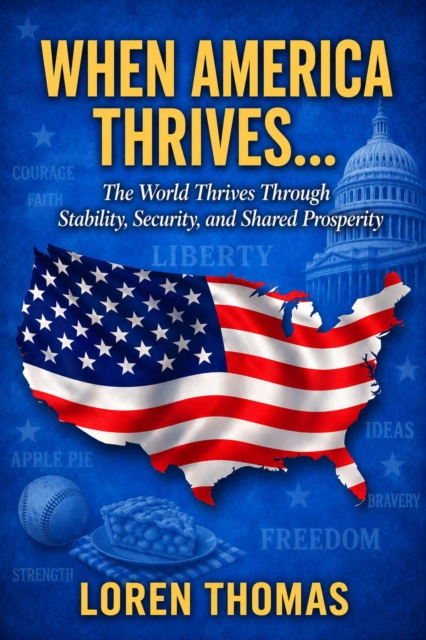
When America Thrives… The World Thrives Through Stability, Security, and Shared Prosperity is not a book about politics as much as it is a book about responsibility, stewardship, and the importance of strong foundations.
With the grace of her groundbreaking bestseller Simple Abundance, Sarah Ban Breathnach returns, offering a fresh start for women who have lost their financial and spiritual way in the world.
This book presents a comprehensive analysis of Tanzania's 2025 election cycle, examining the intersecting crises of democratic backsliding, electoral governance failure, resource corruption, digital repression, institutional bias, and political violence.
Why do some nations achieve clean government, economic transformation and institutional trust while others struggle with persistent corruption and weak state capacity?
How Unpleasant Things Become Irresistible MarketsThis book is a forensic examination of one of the most powerful and misunderstood forces in global capitalism: the engineered normalization of products that are, at first contact, biologically rejected.
Financial expert, investment advisor and New York Times bestselling author James Rickards shows how generative AI is reshaping the world of finance, explaining what smart investors can do to protect their assets.
HOW POWERFUL LAWYERS THINK is a powerful and intellectually refined guide to legal reasoning, courtroom advocacy, and professional excellence in the legal profession.
Essential reading Rory Sutherland, author of Alchemy Possibly the best-timed book ever Merryn Somerset Webb, Bloomberg Gold (noun): A precious, yellow metal, prized for its beauty.
Regional Inequality and Political Conflict is a thoughtful and wide-ranging study of how uneven development among regions becomes a powerful source of political dissatisfaction, social unrest, identity-based mobilization, and national instability.
Esta nueva obra multidisciplinaria busca dar continuidad al libro El criterio cultural para comprender regiones y su desarrollo: paisaje, identidad, patrimonio cultural y turismo en la region de La Cienega de Chapala, Michoacan, el cual fue recientemente publicado en coedicion por la UCEMICH y Bonilla Artigas Editores.
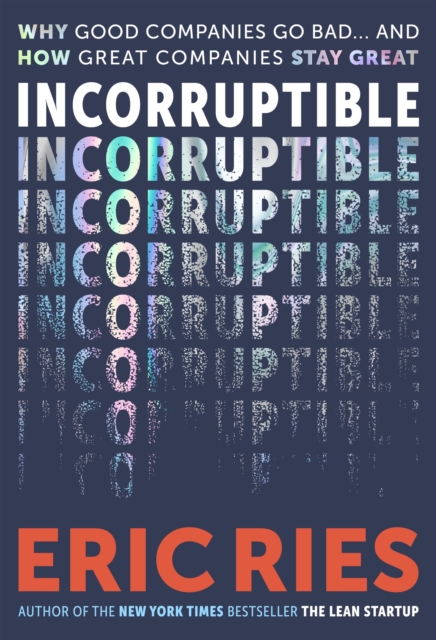
***THE INSTANT NEW YORK TIMES BESTSELLER***From Eric Ries, creator of The Lean Startup, comes a bold and urgently needed rethink of how organizations are built and why success itself so often turns companies against the people and principles that made them worth building in the first place.
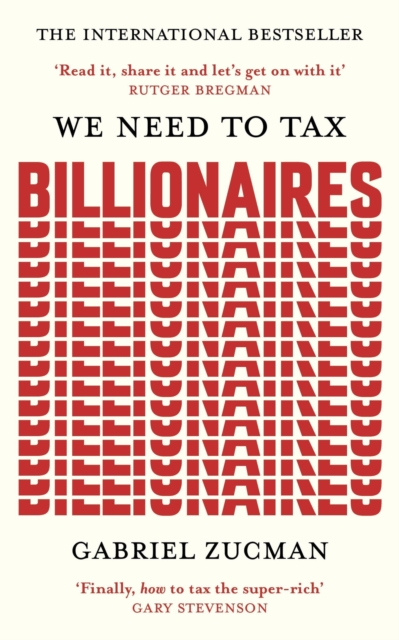
THE SUNDAY TIMES BESTSELLER'The most important economist in the world today'GARY STEVENSON'Read it, share it and let's get on with it'RUTGER BREGMAN'Zucman knows more about billionaires and their wealth than anyone but the billionaires themselves'OLIVER BULLOUGH'Powerful'MARTIN WOLF, FINANCIAL TIMESWhy do billionaires pay less tax than you?
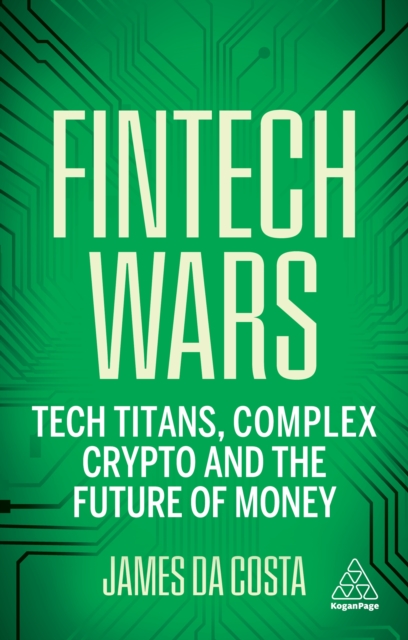
The Sunday Times BestsellerSHORTLISTED: Business Book Awards 2025 - Specialist Business BookFintech touches every part of our lives, from cashless economies to crypto, and even our climate.
The Sunday Times BestsellerSHORTLISTED: Business Book Awards 2025 - Specialist Business BookFintech touches every part of our lives, from cashless economies to crypto, and even our climate.
WINNER: NYC Big Book Award 2025 - Sales & MarketingMake your marketing truly resonate by personalizing every message, powered by data, research and behavioral economics.
WINNER: NYC Big Book Award 2025 - Sales & MarketingMake your marketing truly resonate by personalizing every message, powered by data, research and behavioral economics.
A #1 INTERNATIONAL BESTSELLERONE OF BARACK OBAMA'S FAVOURITE BOOKS OF 2025NAMED A BEST BOOK OF 2025 IN THE Financial Times, Economist, New Statesman, Bloomberg, TIME, Washington Post and The New York Times'Superb.
A FINANCIAL TIMES BEST BOOK OF 2024The world-renowned economist offers a ground-breaking new vision for inclusive prosperityLeft behind places can be found in prosperous countries from South Yorkshire, integral to the industrial revolution and now England s poorest county, to Barranquilla, once Colombia s portal to the Caribbean and now struggling.
For 200 years after 1650 the West Indies were the most fought-over colonies in the world, as Europeans made and lost immense fortunes growing and trading in sugar - a commodity so lucrative that it was known as white gold.
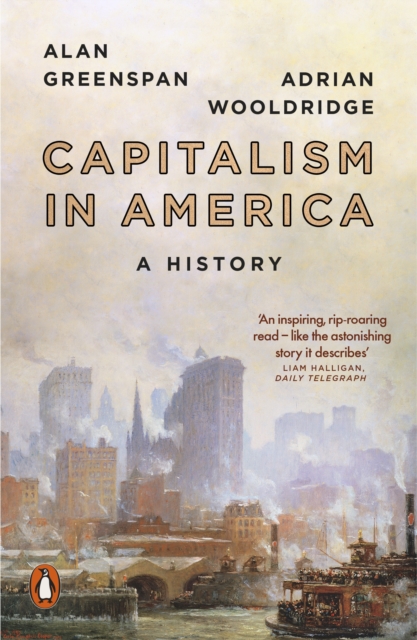
'An inspiring, rip-roaring read - like the astonishing story it describes' Liam Halligan, Daily TelegraphWhere does prosperity come from, and how does it spread through a society?
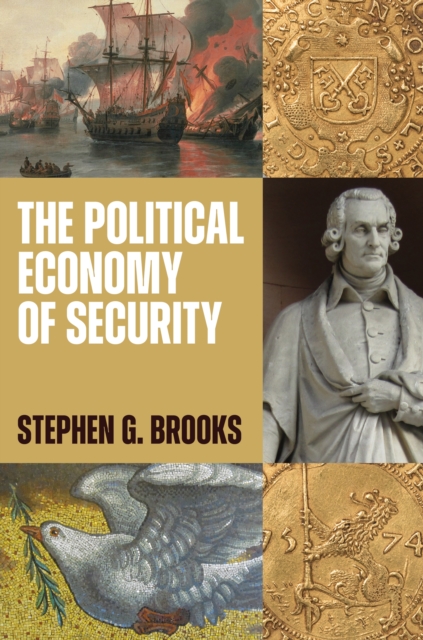
The complex and multifaceted relationship between economic factors and conflictIn this book, Stephen Brooks provides a systematic empirical and theoretical examination of how economic factors influence security affairs.
The complex and multifaceted relationship between economic factors and conflictIn this book, Stephen Brooks provides a systematic empirical and theoretical examination of how economic factors influence security affairs.
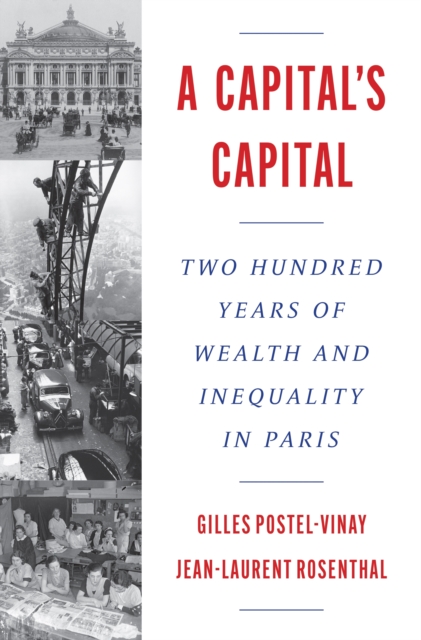
A study of the changes in wealth and its distribution in nineteenth- and twentieth-century Paris that maps the interplay among wealth, inequality, and welfareSuccessful economies sustain capital accumulation across generations, and capital accumulation leads to large increases in private wealth.
A study of the changes in wealth and its distribution in nineteenth- and twentieth-century Paris that maps the interplay among wealth, inequality, and welfareSuccessful economies sustain capital accumulation across generations, and capital accumulation leads to large increases in private wealth.
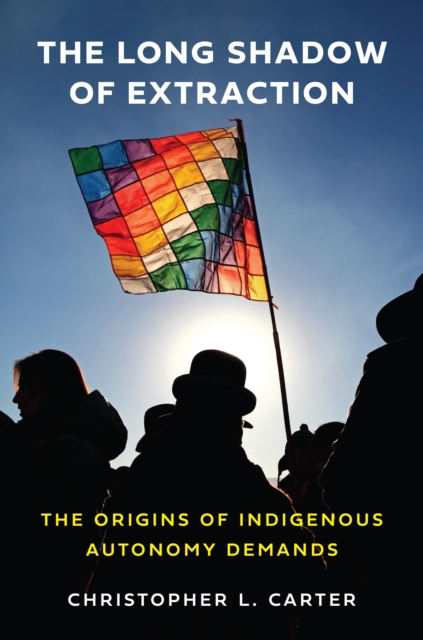
How resistance to extraction shaped Indigenous demands for autonomy, integration, or assimilationFrom the onset of colonialism, Indigenous communities have faced seizure of their land, labor, and resources by non-Indigenous actors.
How resistance to extraction shaped Indigenous demands for autonomy, integration, or assimilationFrom the onset of colonialism, Indigenous communities have faced seizure of their land, labor, and resources by non-Indigenous actors.
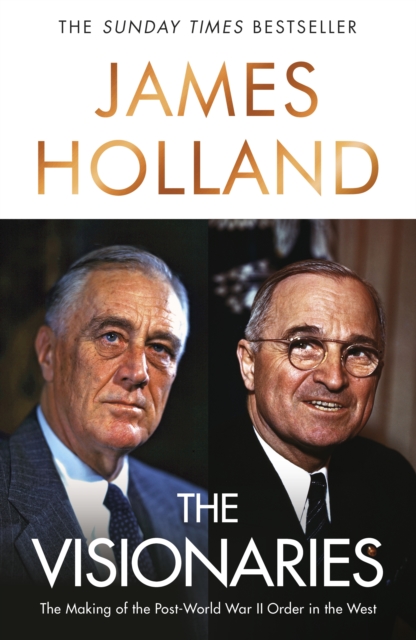
'A gripping, behind-the-curtain story of the men and women who rebuilt the world after the carnage of World War II and, in the process, engineered an age of unprecedented peace and prosperity.
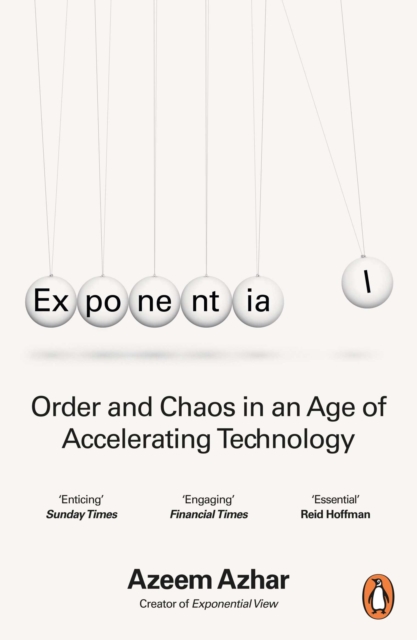
The Times and Financial Times Book of the Year'Enticing' Sunday Times | 'Engaging' Financial Times | 'Essential' Reid Hoffman___As technology accelerates, the human mind struggles to keep up - and our companies, workplaces and democracies get left behind.
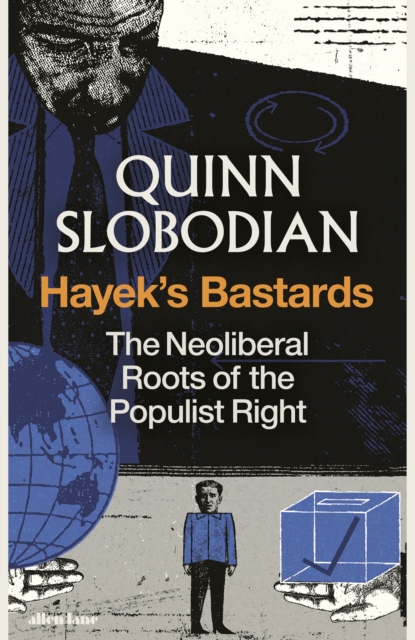
A revelatory exploration of how today s right-wing authoritarianism emerged not in opposition to neoliberalism, but from within it FINALIST FOR THE 2025 NATIONAL BOOK CRITICS CIRCLE AWARDS 'Bracingly original.