The third edition of Employee Relations is a practical guide to the principles and practice of fostering positive relationships with employees to develop their engagement and achieve business success.
In Cents and Sensibility, an eminent literary critic and a leading economist make the case that the humanities-especially the study of literature-offer economists ways to make their models more realistic, their predictions more accurate, and their policies more effective and just.
In Cents and Sensibility, an eminent literary critic and a leading economist make the case that the humanities-especially the study of literature-offer economists ways to make their models more realistic, their predictions more accurate, and their policies more effective and just.
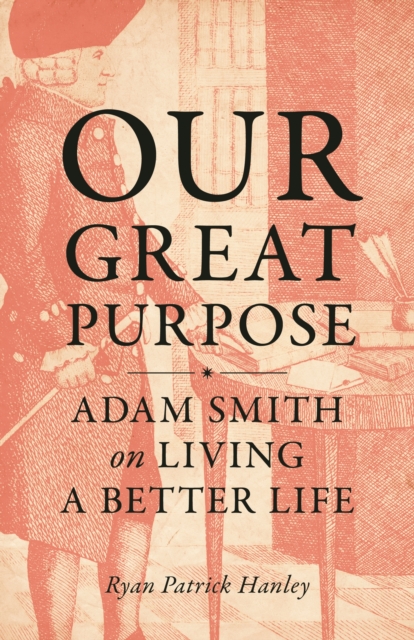
Invaluable wisdom on living a good life from the founder of modern economicsAdam Smith is best known today as the founder of modern economics, but he was also an uncommonly brilliant philosopher who was especially interested in the perennial question of how to live a good life.
Invaluable wisdom on living a good life from the founder of modern economicsAdam Smith is best known today as the founder of modern economics, but he was also an uncommonly brilliant philosopher who was especially interested in the perennial question of how to live a good life.
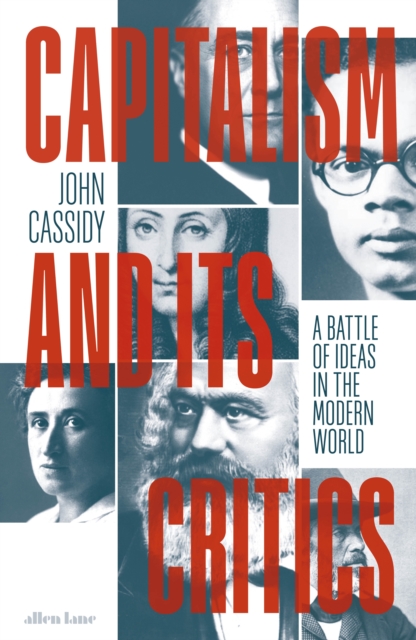
** A Financial Times Best Summer Book of 2025**A sweeping history of capitalism as seen through the eyes of its fiercest criticsAt a time when we are faced with fundamental questions about the sustainability and morality of the economic system, Capitalism and Its Critics provides a kaleidoscopic history of global capitalism, from colonialism and the Industrial Revolution to the ecological crisis and artificial intelligence.
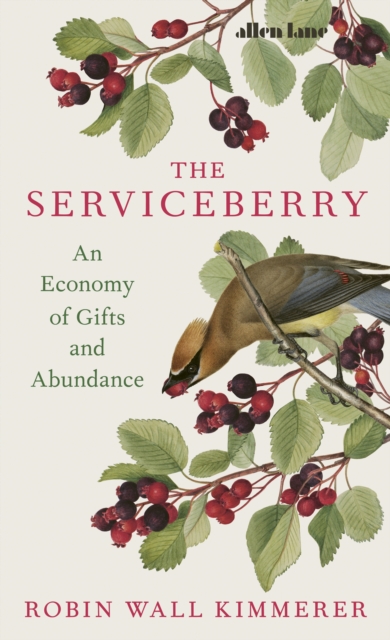
From the #1 New York Times bestselling author of Braiding Sweetgrass, an inspiring vision of how to reorient our lives around gratitude, reciprocity and communityAs Indigenous scientist and author of Braiding Sweetgrass Robin Wall Kimmerer harvests serviceberries alongside the birds, she considers the ethic of reciprocity that lies at the heart of the gift economy.
The third edition of Employee Relations is a practical guide to the principles and practice of fostering positive relationships with employees to develop their engagement and achieve business success.
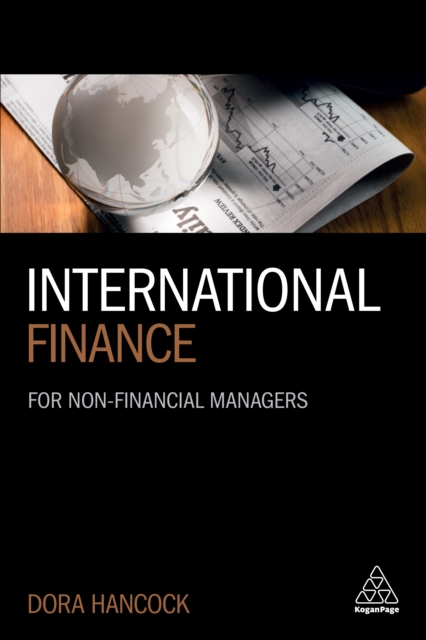
International Finance offers a clear and accessible introduction to the fundamental principles and practice of international finance in today's world, from the international financial environment and exchange rates, to financing multinational companies and international investment.
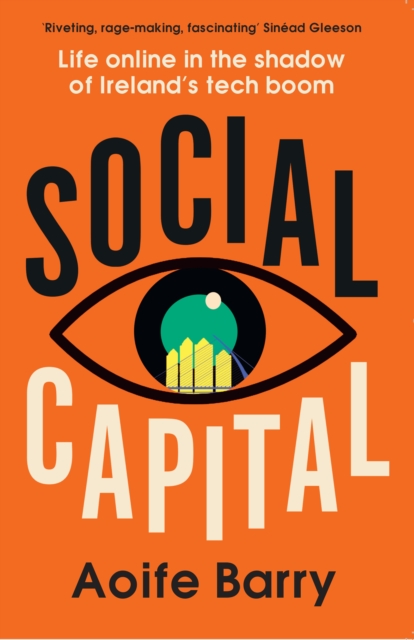
A David and Goliath story about Ireland's role as prime real estate for the world's largest tech multinationals, and the considerable impact it has had on us as individuals.
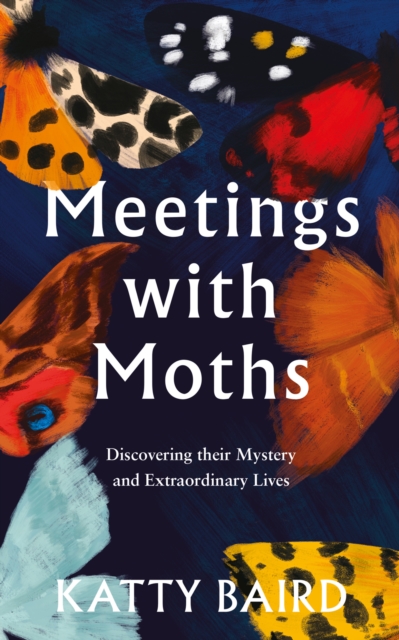
Mossy greens, conker browns, cream, chocolate and deepest black; add stripes, swirls and splotches and you have some of the most striking wildlife Britain has to offer.
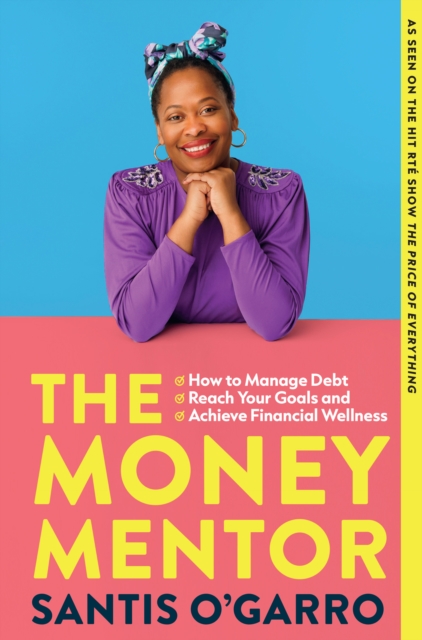
Financial advisor and TV presenter Emmanuel Asuquo, is here to prove that learning about money does not have to be boring, especially as we battle through the current cost of living crisis.
** The Sunday Times #1 Bestseller**'One of the greatest political memoirs of all time' GuardianWhat happens when you take on the European establishment?
'An outstanding book' SpectatorThe story of the short life and tragic death of Bowland Beth - an English Hen Harrier - which dramatically highlights the major issues in UK conservation.
*A Radio 4 Book of the Week*'Captivating, mind-boggling and deeply disturbing' - Maureen Freely'Humane, thoughtful and urgent - this book will make you think, make you laugh, make you cry, but also make you burn with rage' - Dr Mary WellesleyA thought-provoking deep dive into the global fertility industry and the commodification of the maternal body__________Should surrogacy be a paid service, an altruistic act - or even legal at all?
'A brilliant book' Alastair Campbell, The Rest is Politics'The essential, must-read insider account of the West's cat and mouse economic warfare against Russia and how it is changing the face of global trade.
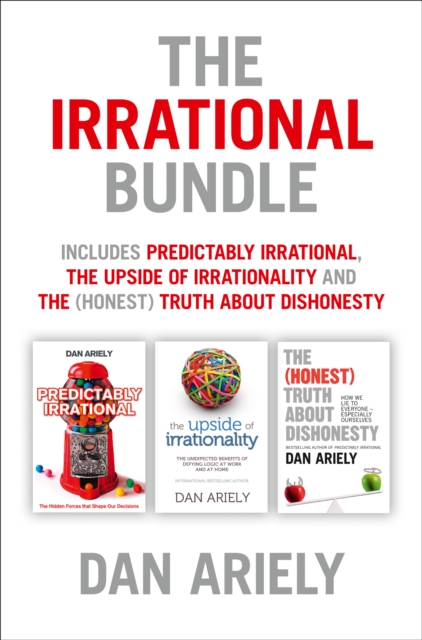
Dan Ariely's three New York Times bestselling books on his groundbreaking behavioral economics research, Predictably Irrational, The Upside of Irrationality, and The (Honest) Truth About Dishonesty, are now available for the first time in a single volume.
The first book to tell the inside story of the battle for control over the future of music and how technology is ripping up the traditional rules of business.
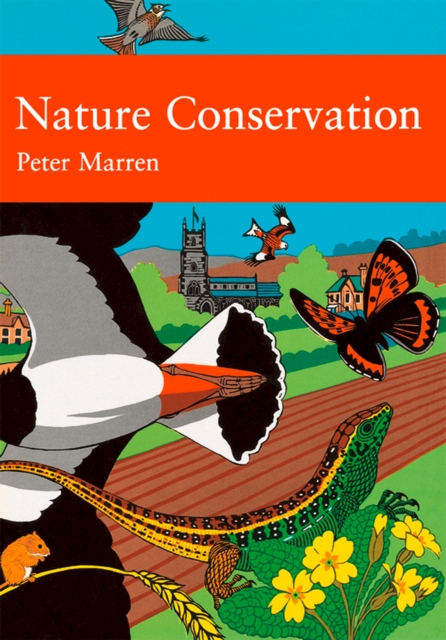
This latest volume in the New Naturalist series provides a comprehensive study of wildlife conservation in Britain, concentrating on events in the last 30 years.