Learn the secrets professionals use to dramatically increase their client base by learning how to replace scattershot marketing and networking efforts with proven, targeted tactics.
Written by Robert Zimmerman and Ann Lehman--leading experts in the field of fundraising and board development--Boards That Love Fundraising not only shows that all board members (no matter the level of experience) can learn to raise funds but also provides effective tips to the more experienced fundraisers.
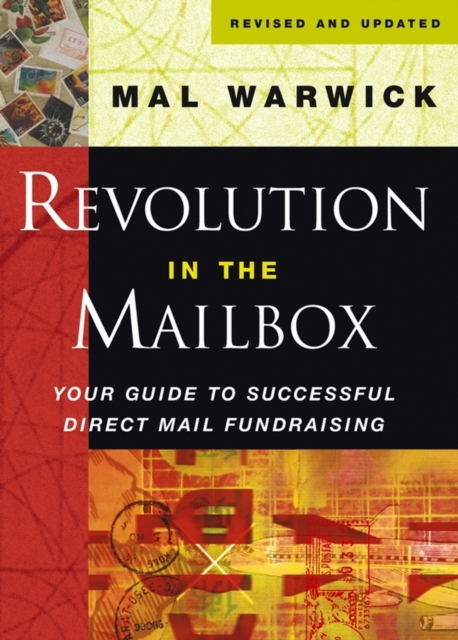
This updated edition of Mal Warwick's landmark book Revolution in the Mailbox has been thoroughly revised to provide your nonprofit organization with the most current and comprehensive survey of direct mail fundraising available anywhere.
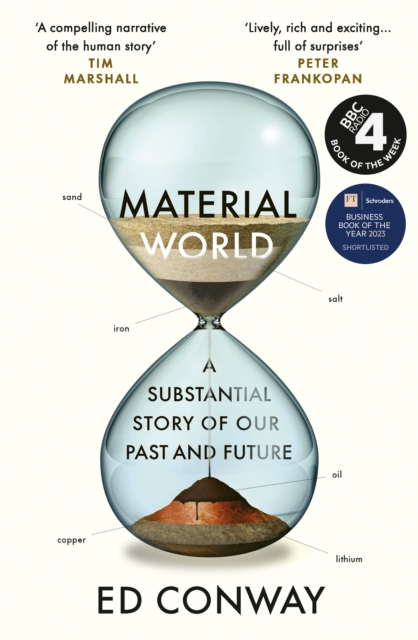
THE SUNDAY TIMES BESTSELLER and RADIO 4 BOOK OF THE WEEK*An Economist, Financial Times, Times and New Statesman Book of the Year*Shortlisted for the FT Business Book of the Year Award and the British Academy Book Prize, Longlisted for the Wainwright Conservation Writing Prize'Compelling' TIM MARSHALL'Lively, rich and exciting' PETER FRANKOPAN'Vitally important' TIM HARFORD_____________Sand, salt, iron, copper, oil and lithium.
Founder of the phenomenon social media account PreachersNSneakers tackles how faith, capitalism, consumerism, and (wannabe) celebrity have collided and asks both believers and nonbelievers alike: how much is too much?
How remittances-money sent by workers back to their home countries-support democratic expansionIn the growing body of work on democracy, little attention has been paid to its links with migration.
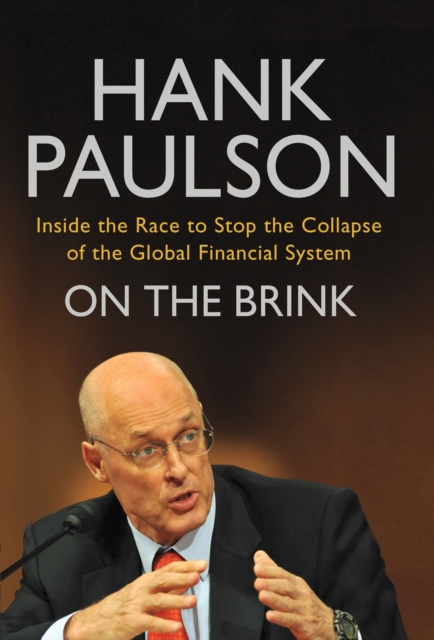
When the first rumblings of the coming financial crisis were heard in August 2007, three men who were never elected to public office suddenly became the most powerful men in the world.
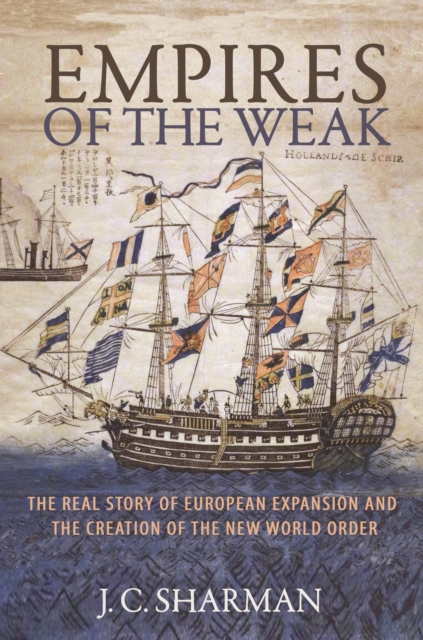
How the rise of the West was a temporary exception to the predominant world orderWhat accounts for the rise of the state, the creation of the first global system, and the dominance of the West?
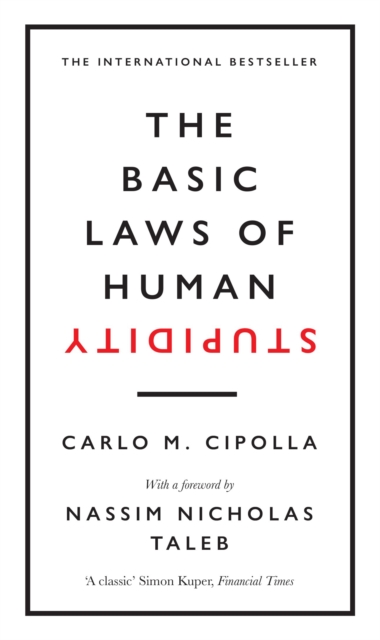
'A classic' - Simon Kuper, Financial Times'Brilliant' - James O'Brien, author of How to be RightThe five laws that confirm our worst fears: stupid people can and do rule the world.
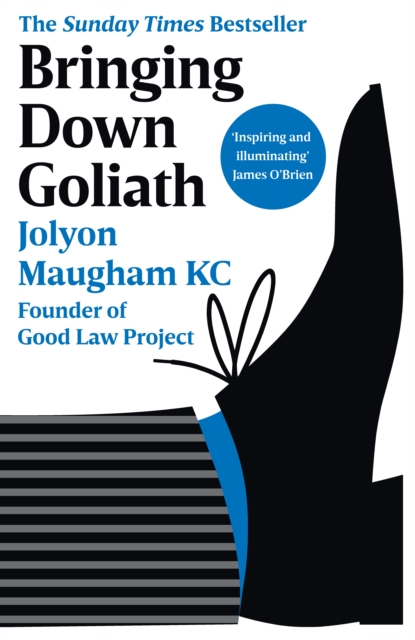
*The Sunday Times Bestseller*'Inspiring and illuminating' JAMES O'BRIENPicked as a 2023 highlight by the Guardian---------------Our legal system often feels like it only works for the rich and powerful.
In 2006, while travelling in Argentina, young entrepreneur Blake Mycoskie encountered children too poor to afford shoes, who developed injuries on their feet that often led to serious health problems.
The UK economy is heading for a disastrous period of austerity and stagnation GDP growth is unsustainable, debt is increasing, inequality is widening and unemployment is high.
The Economic Naturalist is back with a whole batch of intriguing new questions and answers, drawn from his New York Times columns, that reveal how we really behave when confronted with economic choices.
A Financial Times Best Book of 2025A Forbes Best Business Book of 2025The US is the source of just about all the technologies that define modern life: personal computers, operating systems, smartphones, e-commerce, web browsers, email, search engines, social networks, electric cars and the rest.
Krypto Währungen verstehen, Ihr Weg zum erfolgreichen Trader bietet einen umfassenden Überblick über die Welt der Kryptowährungen und deren Handelsmöglichkeiten.
'A Malcolm Gladwell-style social psychology/behavioural economics primer' Evening StandardLow-level dishonesty is rife everywhere, in the form of exaggeration, selective use of facts, economy with the truth, careful drafting - from Trump and the Brexit debate to companies that tell us 'your call is important to us'.
In this enormously influential book, Jurgen Habermas examines the deep tensions and crisis tendencies which underlie the development of contemporary Western societies and develops a powerful analysis of the legitimation problems faced by modern states.
As we struggle with the legacy of the crisis and with the prospect of accelerating environmental degradation, it is time to ask not what we can do for capitalism but what capitalism can do for us, as citizens of a democratic society.
Recent years have seen an enormous increase in protests across the world in which citizens have challenged what they see as a deterioration of democratic institutions and the very civil, political and social rights that form the basis of democratic life.
In this thought-provoking new book, Anthony Smith analyses key debates between historians and social scientists on the role of nations and nationalism in history.
Capitalism is the only complex system known to us that can provide an efficient and innovative economy, but the financial crisis has brought out the pernicious side of capitalism and shown that it remains dependent on the state to rescue it from its own deficiencies.