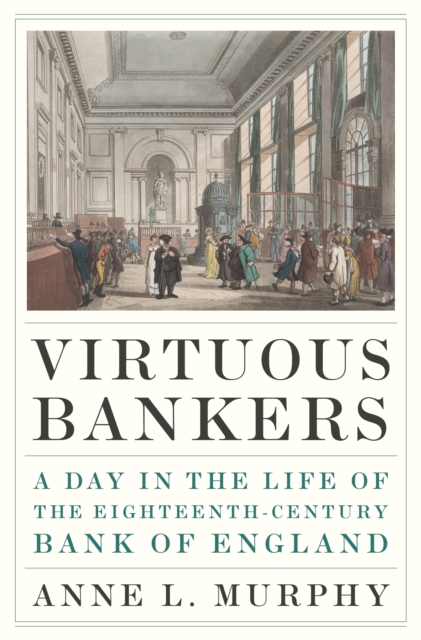
An intimate account of the eighteenth-century Bank of England that shows how a private institution became "e;a great engine of state"e;The eighteenth-century Bank of England was an institution that operated for the benefit of its shareholders-and yet came to be considered, as Adam Smith described it, "e;a great engine of state.
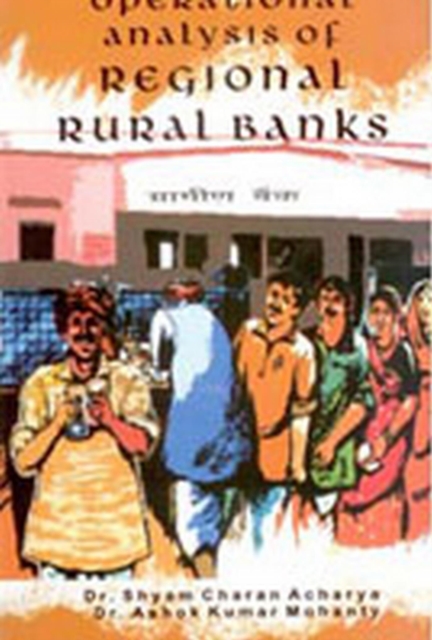
This book divided into six chapters contain is inter alia the analysis of the purpose and logic of the already existing credit institutions, their strengths and weaknesses in achieving the goals for which they were setup, the changing environment which necessitates the setting up of new institutions called Regional Rural Banks, an analysis of their operations at all India level and in the state of Orissa.
Beginning this year, federal payment recipients will receive their government benefits through electronic funds transfer (EFT)-- what most of us call direct deposit.
In recent years, the major industrialized nations have developed cooperative procedures for supervising banks, harmonized their standards for bank capital requirements, and initiated cooperative understanding about securities market supervision.
The 1970s were a pivotal decade for the US economy: deindustrialization broke the power of the labor unions and made possible the redistribution of income in favor of corporate profits; globalization and offshore investments opened alternatives to domestic nonfinancial capital accumulation; domestic productivity growth declined; and labor-saving technology empowered superstar corporations to rapidly gain market share.
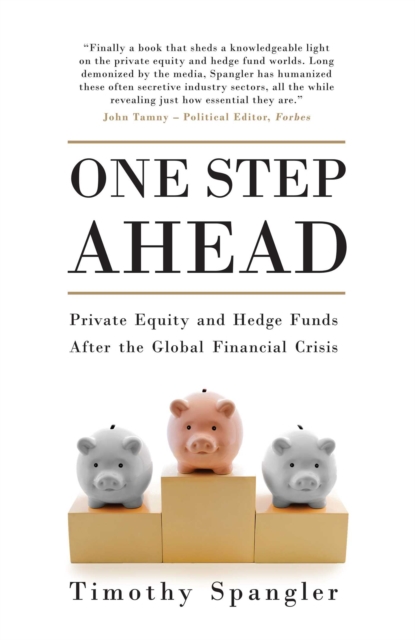
A jargon-free guide to how investment funds operate and have broken free of the financial crises to grow and prosperIn One Step Ahead, Timothy Spangler author of the award-winning Forbes.
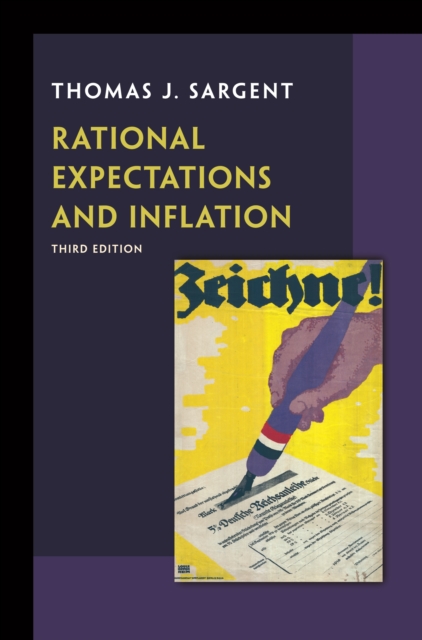
A fully expanded edition of the Nobel Prize-winning economist's classic bookThis collection of essays uses the lens of rational expectations theory to examine how governments anticipate and plan for inflation, and provides insight into the pioneering research for which Thomas Sargent was awarded the 2011 Nobel Prize in economics.
An essential account of the historic subprime mortgage crisis, from the Nobel Prize-winning economist and bestselling author of Irrational ExuberanceThe subprime mortgage crisis has already wreaked havoc on the lives of millions of people and now it threatens to derail the U.
A leading finance expert explains how and why big banks fail-and what can be done to prevent itDealer banks-that is, large banks that deal in securities and derivatives, such as J.
An international perspective on the financial crisis and the future of banking regulationThe financial crisis that began in 2007 in the United States swept the world, producing substantial bank failures and forcing unprecedented state aid for the crippled global financial system.
How central banks and independent regulators can support rather than challenge constitutional democracyUnelected Power lays out the principles needed to ensure that central bankers and other independent regulators act as stewards of the common good.
This book examines and compares the rationale, design, and implementation of deposit insurance in the US, the UK, and China, with the aim of finding an effective solution for China's nascent deposit insurance scheme by learning from the US and UK models.
Basel II is a global regulation, and financial institutions must prove minimum compliance by 2008The authors are highly sought-after speakers and among the world s most recognized authorities on Basel II implementationAccompanying CD-ROM includes spreadsheet templates that will assist corporations as they implement Basel II
An Introduction to the Mathematics of Financial Derivatives is a popular, intuitive text that eases the transition between basic summaries of financial engineering to more advanced treatments using stochastic calculus.
Many economies in the world are characterised by a bank-based financial system, that is, the financial intermediation process is mostly performed by banks.
This comprehensive examination of high frequency trading looks beyond mathematical models, which are the subject of most HFT books, to the mechanics of the marketplace.
Incorporating currencies, payment methods, and protocols that computers use to talk to each other, digital currencies are poised to grow in use and importance.
Foreign Direct Investment in Brazil: Post-Crisis Economic Development in Emerging Markets explores both the inward and outward ways foreign direct investment (FDI) can help Brazil sustain economic growth and development in the sometimes hostile post-global crisis era.
The Handbook of Investors' Behavior during Financial Crises provides fundamental information about investor behavior during turbulent periods, such the 2000 dot com crash and the 2008 global financial crisis.
The objective of this book is to provide an understanding of the economy with its nature and structure, dominance of unorganized sector, natural resources, economic and social infrastructure, demographic features, poverty, unemployment, inequality, national income, saving and investment, role of noneconomic factors, and sources of data.
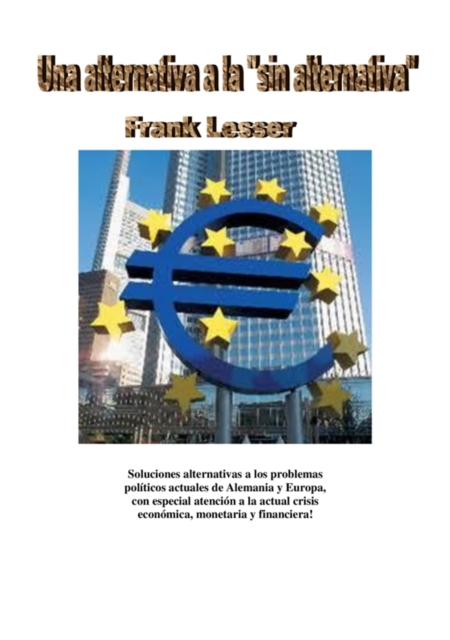
Se trata de un análisis novedoso, una exposición por primera vez de las verdaderas causas y una sensacional solución inmediata (que yo llamo con razón un "truco") a nuestros problemas económicos, monetarios y financieros, una solución que no sólo puede aplicarse en un tiempo sensacionalmente corto, sino que también se hace sostenible y duradera mediante medidas de acompañamiento.